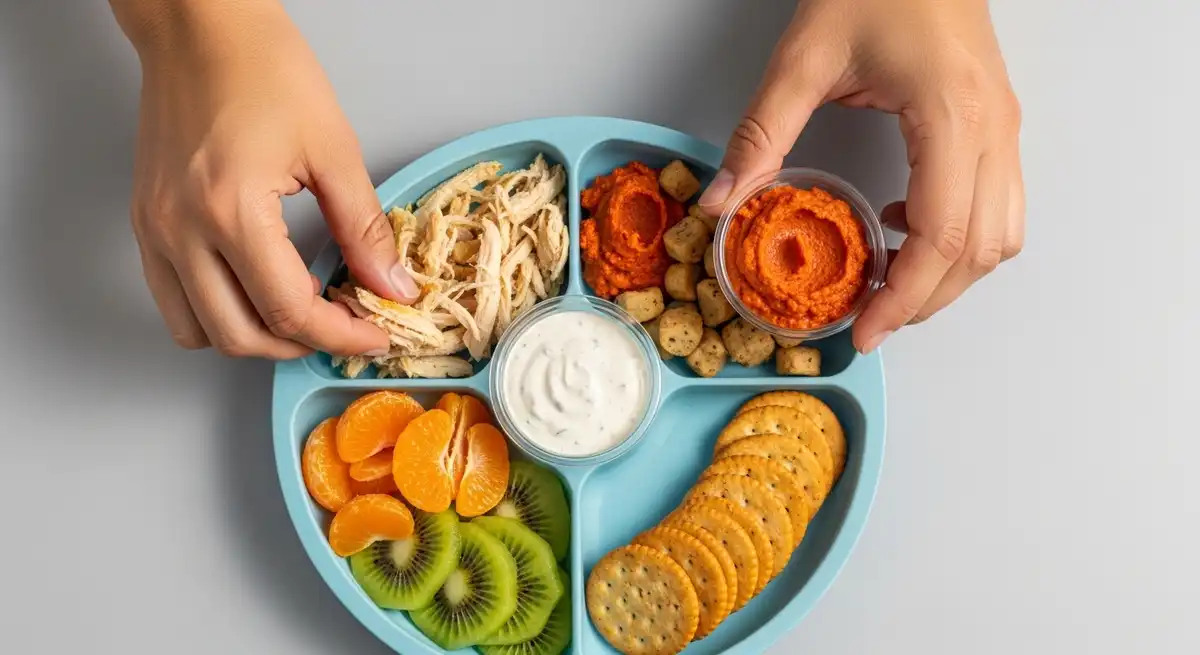
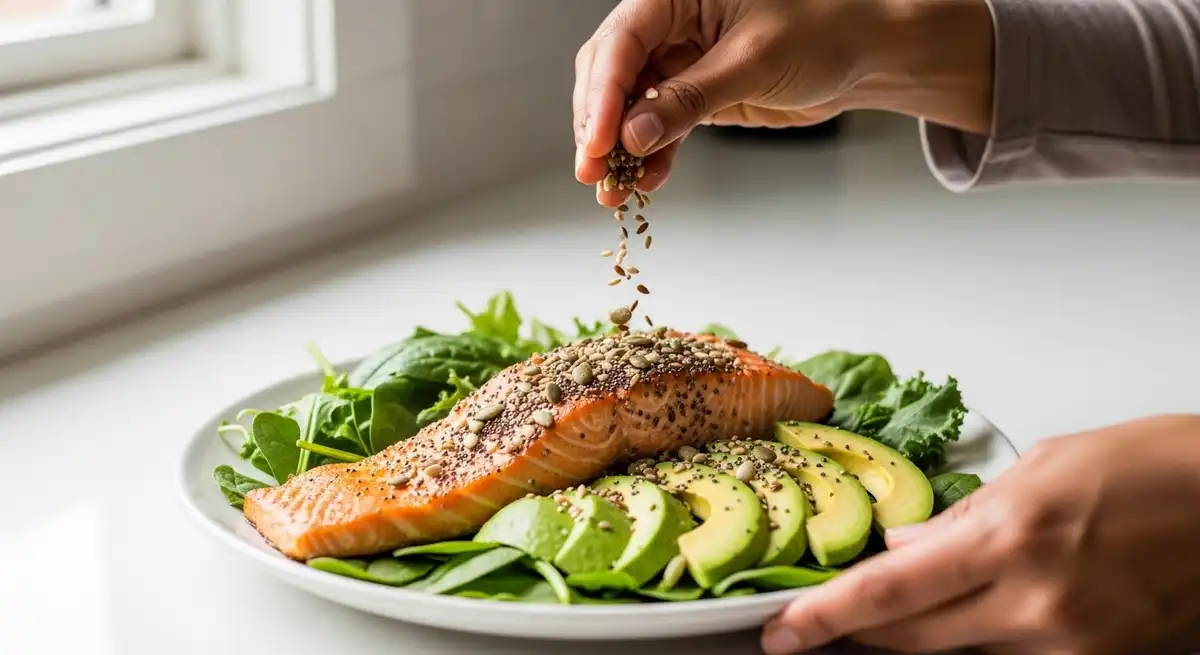
Healthy foods for good skin are discussed widely in lifestyle media, but their real value lies in basic human biology rather than beauty promises. Skin is a living organ that depends on steady nourishment to maintain strength, moisture balance, and surface renewal. When meals are regular and varied, skin often reflects that internal stability gradually.
Many modern routines focus heavily on topical products while daily eating patterns remain inconsistent. Nutrition educators often explain that skin responds slowly because it is not a priority organ for the body. This understanding helps set realistic expectations and encourages calmer, long-term habits rather than quick fixes.
Skin appearance is also shaped by sleep, stress exposure, digestion, and routine consistency. Parents and working adults frequently skip meals or rely on convenience foods during busy days. Viewing food as steady support instead of a cure creates a safer and more balanced mindset.
Understanding Healthy Foods for Good Skin

Healthy foods for good skin generally describe whole foods that supply fats, proteins, vitamins, and minerals needed for skin upkeep. These nutrients contribute to barrier strength, normal cell turnover, and protection from everyday environmental exposure. Nutrition science presents these foods as supportive inputs, not corrective treatments.
Skin renewal follows a predictable biological rhythm that usually spans several weeks. Because of this timeline, isolated dietary changes rarely create visible results. Consistent eating patterns across weeks matter far more than any single meal or ingredient.
Diet variety supports skin by reducing the risk of nutrient gaps. Rotating fruits, vegetables, proteins, and fats improves overall intake without excess. This approach fits naturally into family meals and culturally diverse food traditions.
The Skin Barrier and Daily Nutrition
The skin barrier forms the outer layer that limits moisture loss and blocks irritants. It relies on a structured mix of lipids, proteins, and water to stay flexible. When nutrition is inconsistent, this barrier can slowly lose efficiency.
Lifestyle guidance often links barrier imbalance with dryness, sensitivity, or uneven texture. These changes are common signals rather than medical problems. Supporting the barrier through nutrition helps skin respond more predictably to daily conditions.
Barrier maintenance depends on regular access to fatty acids and amino acids. Highly restrictive eating patterns may reduce these materials over time. Balanced meals quietly support the barrier without dramatic intervention.
Dietary Fats and Skin Structure
Dietary fats form key components of skin cell membranes and surface lipids. Omega-3 and omega-6 fatty acids are essential because the body cannot make them. These fats become part of skin tissue through consistent intake.
Omega-3 fatty acids from fish and algae are commonly linked with calmer inflammatory responses. Many people include them as part of routine meals rather than targeted strategies. Their influence appears gradually with steady consumption.
Omega-6 fatty acids, especially linoleic acid from seeds and nuts, dominate the skin barrier. Very low intake may affect oil composition. Balanced inclusion supports normal surface function without excess.
Protein as Structural Support
Protein supplies amino acids used to build collagen, elastin, and keratin. These structures support firmness and surface strength. Adequate intake supports everyday repair rather than visible overnight change.
Nutrition guidance often suggests spreading protein across meals. This supports digestion and steady availability. It also suits busy schedules and shared family eating patterns.
Animal and plant proteins both contribute when meals are balanced. Eggs, fish, lentils, tofu, and beans are common options. Variety helps cover essential amino acids without reliance on one source.
Collagen Support Through Diet
Collagen quality changes gradually with age and environmental exposure. This reflects cumulative wear rather than sudden loss. Nutrition cannot stop aging but may support slower breakdown.
Foods containing collagen peptides are often discussed in wellness settings. Their role is generally supportive rather than dramatic. Results depend on broader dietary patterns.
Vitamin C, zinc, and copper support collagen formation. Without these cofactors, synthesis remains limited. Balanced meals naturally supply these nutrients without heavy emphasis on supplements.
Antioxidants and Environmental Exposure
Antioxidants help manage oxidative stress from sunlight, pollution, and metabolism. Skin faces constant exposure because it covers the body. Dietary antioxidants support internal defense systems over time.
Green tea and cocoa are noted for polyphenol content. Observational research links regular intake with reduced oxidative markers. These foods are usually consumed in moderation.
Fruits and vegetables provide antioxidants alongside fiber. This combination supports digestion and nutrient absorption. Regular intake matters more than high doses.
Carotenoids and Skin Tone
Carotenoids are pigments from orange and green vegetables that accumulate in skin tissue. They are associated with subtle tone changes often perceived as healthy. These effects appear gradually.
Carrots, sweet potatoes, spinach, and kale are common sources. They also supply vitamins and fiber. Benefits extend beyond appearance.
Very high intake can cause temporary yellowing called carotenosis. This is harmless and reversible. Dietary variety prevents this naturally.
Specific Foods Commonly Linked to Skin Support
Almonds are frequently discussed due to vitamin E and fat content. Some controlled studies associate regular intake with texture changes. These observations do not guarantee results.
Avocados provide monounsaturated fats that aid nutrient absorption. They often complement mixed meals well. Their value lies in steady inclusion.
Flaxseeds offer fiber and alpha-linolenic acid. Ground flax is easier to use and digest. Many people add it to familiar foods.
Gut Health and Skin Appearance
The gut-skin axis describes how digestion influences immune signaling. Gut microbes affect nutrient use and inflammation balance. Stable digestion often aligns with steadier skin behavior.
Probiotic foods introduce beneficial bacteria through traditional eating patterns. Effects depend on consistency and tolerance. Gradual inclusion supports comfort.
Dietary fiber feeds gut microbes. Fermentation produces compounds linked to immune regulation. Whole foods remain the main source.
Hydration and Nutrient Transport
Water supports circulation, temperature control, and skin elasticity. Mild dehydration can affect surface appearance. Needs vary by climate and activity.
Fluids work with dietary fats to retain moisture. Without fats, water retention is limited. Balanced meals improve hydration effects.
Electrolytes from whole foods help regulate fluid balance. Fruits and vegetables supply them naturally. Sweetened drinks are generally limited.
Foods Commonly Limited for Skin Balance
High added sugar intake is linked with glycation processes affecting collagen flexibility. This relationship develops over time. Moderation supports long-term structure.
Some people notice skin changes with dairy intake. Research shows varied responses rather than universal effects. Personal observation guides decisions.
Alcohol and smoking are associated with slower skin repair. Circulation and nutrient delivery are affected. Reducing exposure supports overall wellness.
Everyday Eating Patterns
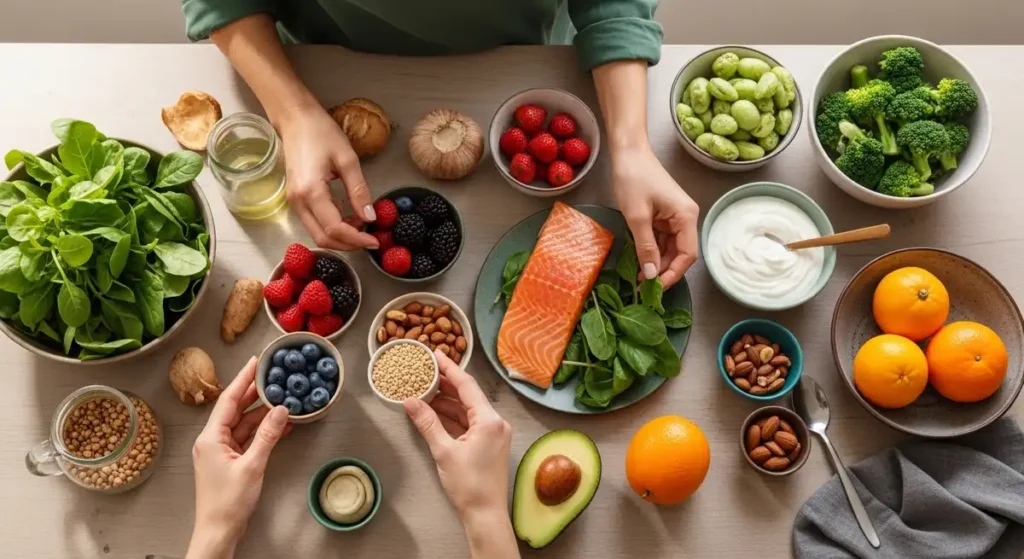
Mediterranean-style eating emphasizes vegetables, grains, fish, olive oil, and nuts. Research often links it with balanced inflammation markers. The pattern avoids restriction.
Simple substitutions support this approach. Using olive oil instead of butter is one example. Small changes add up.
Consistency matters more than precision. Flexible habits reduce stress. This supports long-term adherence.
Supplements and Safety Context
Supplements are sometimes used when food access is limited. They are considered supportive rather than primary. Whole foods remain preferred.
Collagen supplements show mixed evidence with modest effects. Outcomes vary by diet and routine. Expectations should remain realistic.
Some supplements interfere with lab tests or medications. Sharing use with healthcare providers supports safety. Professional guidance is advised.
Conclusion
Healthy foods for good skin support gradual maintenance rather than instant change. Skin reflects consistent routines across nutrition, sleep, and stress exposure. A calm, informed approach aligns with sustainable wellness.
Frequently Asked Questions
What foods clear skin fast?
No foods clear skin instantly, because skin responds over weeks rather than days. Balanced meals that limit excess sugar and include healthy fats are commonly associated with steadier skin. Consistency across daily routines supports gradual changes.
Does drinking water help skin?
Water supports hydration and nutrient movement throughout the body. Adequate intake helps maintain elasticity when paired with balanced nutrition. Water alone cannot replace fats and micronutrients.
Which fruit is best for skin glow?
Fruits rich in vitamin C and carotenoids are commonly linked with skin support. Berries, citrus fruits, and papaya are typical examples. Variety supports broader nutrient intake.
Can diet cure acne?
Diet does not cure acne, but it may influence severity for some people. Lower glycemic patterns and balanced fats are often used as supportive measures. Medical care may still be required.
What foods cause wrinkles?
High added sugar intake is associated with processes that affect collagen flexibility. Alcohol and smoking also influence skin aging. Moderation supports long-term maintenance.
Is coffee bad for your skin?
Moderate coffee intake is generally considered neutral. Coffee contains antioxidants that may contribute positively. Hydration balance remains important.
Do collagen supplements actually work?
Collagen supplements may offer modest support for some individuals. Effects depend on overall diet and consistency. They do not replace balanced nutrition.
How can I increase collagen in my face?
Collagen support involves adequate protein, vitamin C, and mineral intake. Protecting existing collagen through sun awareness is also relevant. Changes develop gradually.
Why does my skin look orange?
Excess beta carotene intake can cause temporary skin discoloration. This condition is harmless and reversible. Reducing intake restores normal tone.
Does dairy cause skin breakouts?
Some individuals notice skin changes with dairy intake. Research shows variable responses rather than universal effects. Personal patterns guide informed choices.
Disclaimer: This nutritional information is for educational purposes only and does not constitute medical advice. Individual dietary needs vary based on age, health status, and lifestyle. Consult a qualified healthcare provider or registered dietitian before making significant dietary changes, especially if you have existing medical conditions.