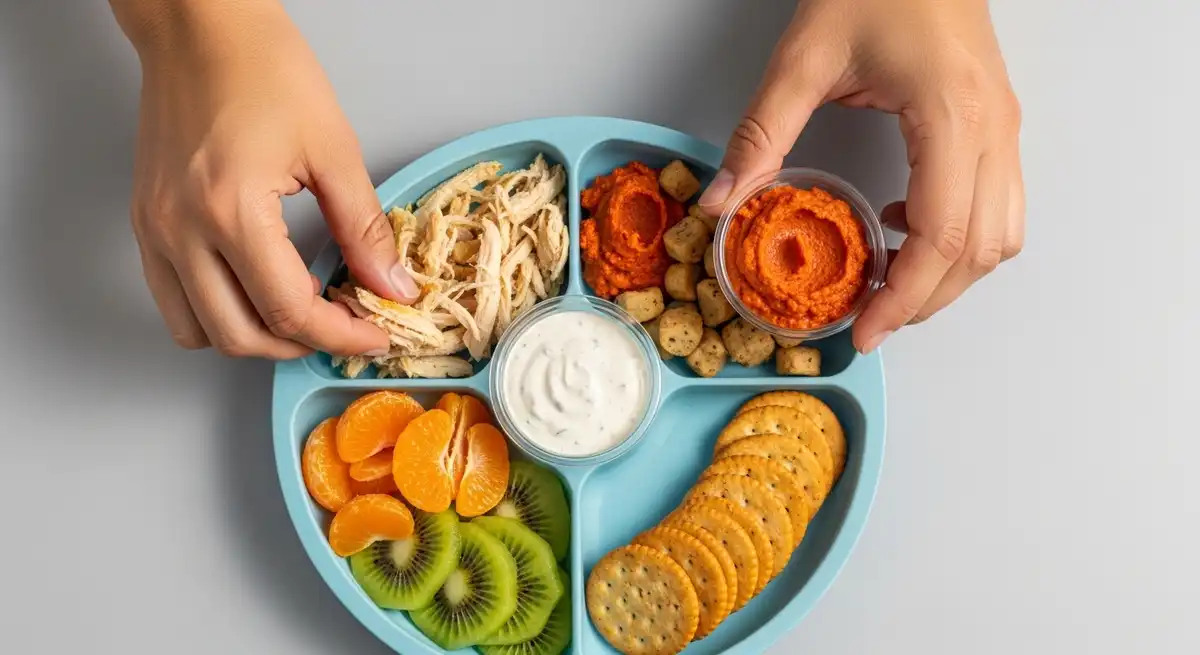

Women’s vitamin packs are commonly presented as a structured way to support daily nutrition using pre-sorted supplement combinations. These packs typically reflect age, lifestyle, dietary preferences, and commonly observed nutrient gaps among women. In everyday wellness contexts, they are positioned as a convenience tool rather than a replacement for balanced meals or professional healthcare guidance.
Many women encounter practical challenges maintaining consistent supplement routines. Multiple bottles, unclear dosing, and conflicting advice often lead to skipped days or unnecessary overlap. Female vitamin packs are designed to simplify this process by grouping commonly used nutrients into a single daily format that supports routine consistency without requiring ongoing decisions.
From an editorial wellness perspective, women’s vitamin packs sit within lifestyle organization rather than medical intervention. They are often used by individuals seeking structure, predictability, and clarity in daily health habits. Their role remains supportive, informational, and complementary to food-first nutrition approaches widely recommended by public health educators.
Women’s vitamin packs: Understanding the Concept of Personalized Nutrition

Personalized nutrition refers to adapting dietary and supplement choices to general lifestyle factors rather than applying identical recommendations to everyone. This approach acknowledges differences in eating patterns, activity levels, cultural food access, and life stages that influence nutrient intake. In wellness education, personalization is framed as responsiveness rather than precision medicine.
Female vitamin packs often rely on questionnaires that gather information about sleep patterns, stress exposure, dietary exclusions, and physical activity. These inputs help determine which nutrients are commonly included or excluded. While not diagnostic, this process reflects a broader trend toward customization in consumer wellness products.
It is important to understand that personalization in this context remains general and educational. These packs do not diagnose deficiencies or predict health outcomes. They simply align commonly recommended nutrients with widely observed lifestyle patterns among women in different phases of daily life.
Nutritional Needs Commonly Associated With Women
Women often experience fluctuating nutritional demands influenced by menstruation, pregnancy potential, caregiving roles, and work-life responsibilities. Public health sources frequently note iron, calcium, vitamin D, and certain B vitamins as nutrients of interest for female populations. These associations are based on population-level data rather than individual diagnoses.
Female vitamin packs frequently include iron due to menstrual blood loss, though amounts vary widely. Calcium and vitamin D are commonly included to support bone maintenance across adulthood. B vitamins are often added because they are associated with energy metabolism in everyday physiological processes.
These inclusions reflect general nutritional awareness rather than targeted treatment. Wellness educators emphasize that food sources remain the primary source of nutrients. Supplements are framed as optional additions used when dietary intake is inconsistent or limited by routine constraints.
You may also like:
20 Best Time-Saving Hacks for Working Moms in 2026
Effective Self-Care Ideas for Managing High-Functioning Anxiety in 2026
Guided vs Unguided Meditation: Understanding What Truly Fits Your Mind and Life
Life Stage Considerations in Women’s vitamin packs
Life stages influence how wellness routines are structured, including supplement use. Early adulthood, midlife transitions, and later adulthood each present different scheduling, dietary, and lifestyle patterns. Female vitamin packs often categorize formulations based on these general stages to align with common priorities rather than specific conditions.
In reproductive years, formulations often emphasize folate and iron due to population-level guidance around nutrient intake. During midlife, formulations may shift toward calcium, vitamin D, and magnesium to reflect changing dietary focus. These patterns are informational and reflect broad wellness trends rather than individual health needs.
It is essential to approach life-stage labeling as guidance rather than instruction. Individuals may not align perfectly with these categories. Female vitamin packs are most appropriate when used flexibly and reviewed periodically as routines, diets, and daily demands evolve.
The Role of Convenience in Daily Wellness Habits
Consistency is a recurring theme in lifestyle wellness education. Habits that require fewer steps are more likely to be maintained over time. Female vitamin packs address this by removing the need to manage multiple containers or remember different dosing schedules throughout the day.
In busy households, especially those involving caregiving or demanding work schedules, simplified routines support follow-through. A single daily pack can be incorporated into existing habits such as breakfast preparation or morning planning. This integration reduces cognitive load without adding pressure or expectation.
From a safety standpoint, convenience should never override awareness. Users are encouraged to periodically review ingredients and reassess relevance. Convenience supports routine stability but does not replace informed decision-making or attention to changing personal circumstances.
Female Vitamin Packs and Working Life Balance
Working women often navigate competing responsibilities that affect meal timing, food quality, and self-care consistency. Long hours, commuting, and multitasking can disrupt regular eating patterns. Female vitamin packs are frequently used as a supplementary measure when meals feel nutritionally incomplete.
In workplace contexts, supplements are often taken alongside morning routines or packed for travel days. Their portability makes them compatible with variable schedules. Wellness educators emphasize that supplements are not substitutes for meals but may support routine continuity during irregular days.
Balanced messaging is critical in this area. Female vitamin packs are best understood as organizational aids rather than performance enhancers. They are commonly used to support predictability in routines that otherwise fluctuate due to work demands.
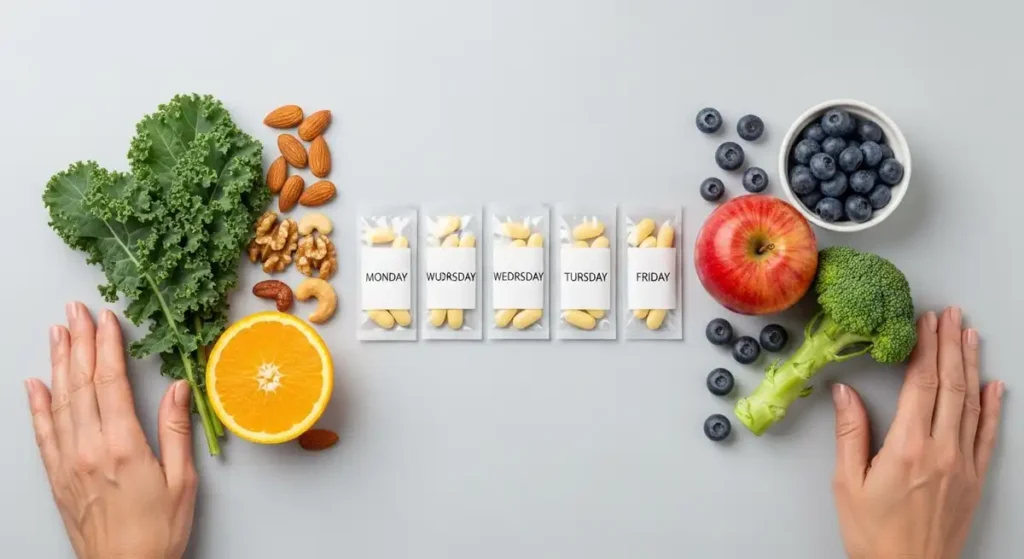
Parenting Responsibilities and Nutritional Routines
Parents, particularly mothers, often prioritize family needs over personal routines. Meal preparation may focus on household preferences rather than individual nutritional balance. Female vitamin packs are sometimes used to address perceived gaps created by shared eating patterns.
In parenting households, time scarcity is a common challenge. Simplified wellness tools help reduce planning effort. Taking a pre-sorted supplement pack can fit into mornings that already involve multiple responsibilities, supporting consistency without requiring additional preparation.
It is important that such tools do not become sources of pressure or self-judgment. Wellness educators encourage parents to view supplements as optional supports. Compassionate framing helps maintain a realistic relationship with personal health habits during demanding life phases.
Common Nutrients Found in Female Vitamin Packs
Female vitamin packs typically include a combination of vitamins and minerals selected for broad relevance. Vitamin B12 is often included due to its association with energy metabolism, especially in plant-based diets. Magnesium frequently appears because it is involved in muscle and nerve function in everyday physiology.
Iron is another commonly included nutrient, though dosage varies. It is often paired with vitamin C to support absorption. Omega-3 fatty acids may also be included, reflecting dietary patterns where fish intake is inconsistent.
These ingredients are selected based on population trends rather than individual assessments. Their inclusion does not imply deficiency. Wellness guidance consistently emphasizes reviewing labels and understanding ingredient purpose rather than assuming universal need.
Safety Awareness and Responsible Use
Safety is a core consideration when discussing supplements in public-facing wellness content. Female vitamin packs may contain nutrients that interact with medications or exceed recommended intake when combined with other products. Awareness and moderation are central to responsible use.
Digestive discomfort is a commonly reported issue, particularly with iron-containing supplements. Fat-soluble vitamins can accumulate when taken excessively. For these reasons, healthcare consultation is widely recommended when supplements are used regularly or combined with prescriptions.
Responsible messaging avoids alarmism while encouraging informed choices. Female vitamin packs are positioned as lifestyle supports, not health solutions. Periodic review and professional input help ensure safe integration into daily routines.
Evaluating Quality and Transparency
Quality assurance varies widely across supplement brands. Third-party testing is commonly cited as a trust indicator because it verifies ingredient accuracy and purity. Female vitamin packs from transparent brands often provide documentation outlining testing standards and sourcing practices.
Labels such as USP or NSF certification indicate adherence to established quality benchmarks. These certifications do not evaluate effectiveness but confirm manufacturing integrity. Wellness educators recommend prioritizing transparency over marketing language when selecting supplements.
Clear ingredient lists support informed decision-making. Understanding what is included, why it is included, and in what amount helps users align supplement choices with their personal wellness philosophy rather than relying on generalized claims.
Cost Considerations and Practical Value
Female vitamin packs are often offered through subscription models that vary significantly in price. Cost differences reflect formulation complexity, personalization features, and professional support availability. Value assessment depends on how well the product fits existing routines and priorities.
For some individuals, the organizational benefit justifies the expense. For others, targeted single supplements may be more practical. Wellness education encourages evaluating supplements based on usefulness rather than perceived sophistication.
There is no universal standard for value in this space. Female vitamin packs are one option among many. Thoughtful consideration of budget, diet quality, and routine sustainability supports balanced decision-making.
Mindfulness and Lifestyle Awareness in Supplement Use
Mindfulness in wellness contexts refers to awareness and intentionality rather than performance. Applying this principle to supplement use involves understanding purpose, limits, and expectations. Female vitamin packs fit within mindful routines when used consciously and reviewed regularly.
Taking supplements automatically without reflection can lead to unnecessary continuation. Mindful use includes periodic reassessment of relevance and attention to bodily responses. This approach aligns with non-clinical wellness education focused on self-awareness rather than outcomes.
Lifestyle tools are most effective when paired with realistic expectations. Female vitamin packs support structure but do not replace rest, nourishment, or balance. Integrating them mindfully supports sustainable habits over time.
Frequently Asked Questions
Are female vitamin packs better than standard multivitamins
Female vitamin packs are not universally better than standard multivitamins. They are designed to align with general lifestyle patterns and commonly discussed nutritional interests among women. Many people find them helpful for organization and consistency, while others prefer simpler approaches depending on diet and routine stability.
Do female vitamin packs replace healthy eating
Female vitamin packs do not replace balanced meals or diverse food intake. Wellness education consistently emphasizes food as the primary source of nutrients. Supplements are commonly used as optional supports when daily eating patterns are irregular or limited by schedule constraints.
Can Women’s vitamin packs be taken without medical guidance
Many people use female vitamin packs without direct medical supervision. However, public health guidance generally suggests consulting a healthcare professional when supplements are taken long term or alongside medications. This helps ensure compatibility with individual health circumstances without implying diagnosis or treatment.
Are female vitamin packs suitable during pregnancy
Only formulations specifically designed for pregnancy are generally considered appropriate during that life stage. Prenatal-focused packs reflect different nutrient considerations than general adult formulations. Professional guidance is widely recommended to ensure safety and relevance during pregnancy.
How long are female vitamin packs typically used
Female vitamin packs are often used on a monthly subscription basis. Some individuals use them temporarily during busy periods, while others integrate them longer term. Wellness educators encourage periodic review to determine ongoing relevance as routines and dietary patterns change.
Do female vitamin packs improve energy
Female vitamin packs are not energy boosters. They may support nutritional consistency when intake is irregular, which some people associate with feeling more balanced. Energy levels are influenced by many factors including sleep, stress, and overall diet quality.
Are vegan female vitamin packs effective
Vegan female vitamin packs are formulated to align with plant-based diets. They often include vitamin B12, iron, and omega-3 sources suitable for vegan lifestyles. Their usefulness depends on overall diet composition and individual preferences rather than inherent superiority.
Do female athletes need different vitamin packs
Some female vitamin packs are designed with active lifestyles in mind. These formulations reflect general awareness of nutrient needs associated with physical activity. They are not performance tools and should be considered optional lifestyle supports rather than requirements.
Are subscriptions necessary for female vitamin packs
Subscriptions are a common distribution model but are not mandatory for supplement use. Some people appreciate the regular delivery and routine reinforcement. Others prefer purchasing supplements individually based on changing needs and preferences.
Are female vitamin packs regulated
Dietary supplements are regulated differently from medications. Female vitamin packs are not approved for medical use but must follow manufacturing standards. Third-party testing is commonly used as an additional quality assurance measure.
Conclusion
Female vitamin packs are best understood as organizational tools within everyday wellness routines. They reflect broader trends toward personalization, convenience, and routine support without claiming medical benefit. When used thoughtfully, reviewed periodically, and combined with balanced eating, female vitamin packs can support consistency in modern, demanding lifestyles while maintaining realistic expectations.
Disclaimer: This content is for informational purposes only and does not constitute medical advice. Dietary supplements are not regulated by the FDA. Consult a qualified healthcare provider before starting any supplement, especially if you take medications, are pregnant, or have existing medical conditions.