
Solo motherhood often involves carrying emotional, practical, and financial responsibilities without consistent relief. Daily routines can become tightly packed with work, childcare, household management, and decision-making, leaving little space for intentional rest. Within this reality, a structured Self-Care Sunday functions as a stabilizing weekly pause that supports balance, clarity, and steady functioning.
Self-Care Sundays for Solo Moms
Self-Care Sundays for Solo Moms are not framed as luxury or reward-based practices. They are commonly understood as practical lifestyle routines that help solo mothers manage energy, reduce overload, and prepare for the upcoming week with greater steadiness. When approached realistically, these rituals support sustainability rather than perfection or escape.
Understanding the Daily Reality of Solo Parenting

Solo parenting places one adult in the position of primary caregiver, planner, and provider simultaneously. Wellness educators often note that this concentration of roles increases mental load, emotional responsibility, and time pressure across most days. Without intentional pauses, ongoing demands can quietly build and reduce patience, focus, and emotional flexibility over time.
Many solo mothers operate in problem-solving mode for long stretches. Household decisions, work expectations, school coordination, and emotional caregiving often happen without shared processing. Over time, this constant responsibility can narrow attention and limit reflection, making weekly reset routines especially useful for restoring perspective.
Social support for solo parents is often unpredictable. Even when family or community help exists, availability can change week to week. A Self-Care Sunday does not replace support systems, but it offers a reliable internal structure that helps stabilize routines regardless of outside circumstances.
You may also like:
Women’s vitamin packs and Everyday Nutritional Support
Why Weekly Self-Care Is a Practical Necessity
Lifestyle guidance generally suggests recovery works best when it happens regularly. For solo mothers, waiting for long breaks or ideal conditions often leads to rest being postponed indefinitely. A weekly self-care structure creates manageable recovery within the limits of real life.
Self-Care Sundays are commonly linked with reduced background stress. Knowing there is a set time for rest, planning, and reset can ease mental pressure during the workweek. This predictability supports steadier emotional responses and helps prevent exhaustion from becoming routine.
Weekly self-care is not positioned as a way to remove stress entirely. It is usually treated as a supportive habit that creates space to reset. This realistic framing respects the challenges of solo parenting while still supporting day-to-day functioning.
Morning Structure and Mental Clarity
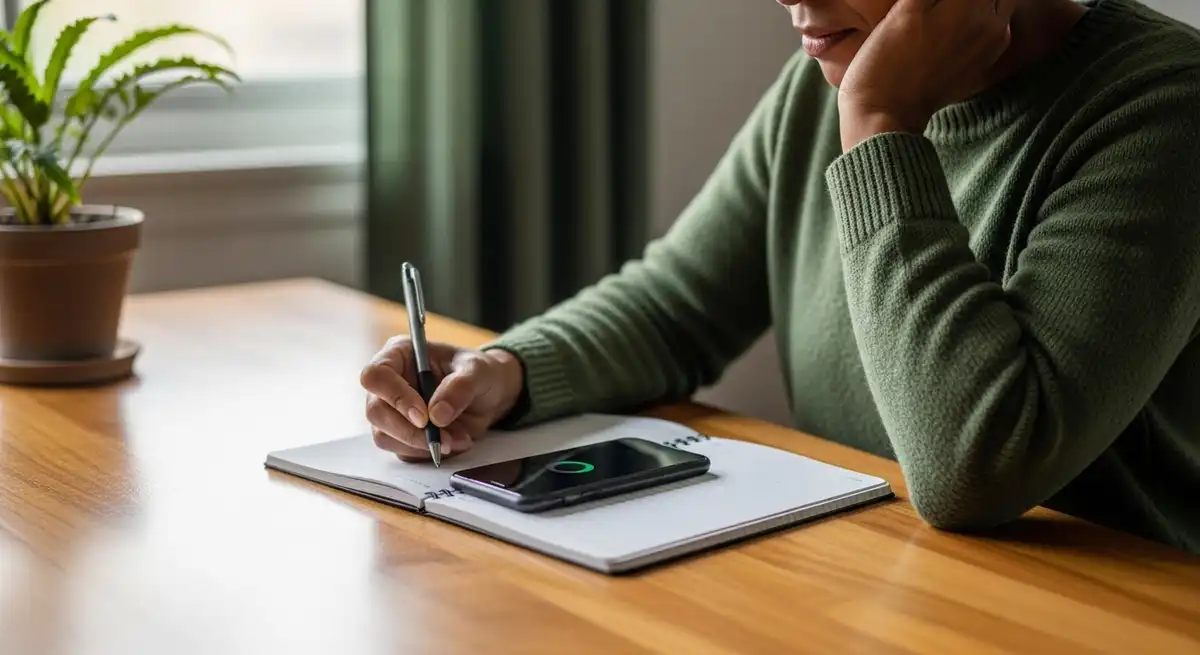
Morning hours on Self-Care Sundays are often quieter and less interrupted. Many solo mothers use this time for low-demand activities that allow the mind to slow down. This calm start supports mental clarity before the pace of the day increases.
Mindfulness-based routines are frequently part of this phase. Sitting quietly, focusing on breathing, or noticing thoughts without acting on them helps shift attention away from urgency. These practices are widely used as general lifestyle supports rather than therapeutic techniques.
Planning during this time is usually broad, not detailed. Looking at priorities instead of task lists helps maintain perspective and prevents overwhelm. This approach supports clarity without creating pressure to control every detail.
Everyday Mindfulness as a Lifestyle Tool
Mindfulness is often described as paying attention to present experience without judgment. In everyday life, it is commonly used to support awareness and steadier reactions rather than deep emotional analysis. For solo mothers, this practical framing makes mindfulness easier to maintain.
Short mindfulness moments fit more easily into daily routines. Brief breathing pauses, mindful coffee moments, or quiet sitting periods allow mental slowing without disrupting responsibilities. These practices are generally seen as supportive for attention and emotional balance.
Mindfulness is not presented as a fix for emotional strain. It is a way to notice internal states and respond with more choice. This distinction helps maintain safety and realistic expectations.
Productive Self-Care Through Gentle Organization
Self-care is often associated only with rest, but productive self-care is equally relevant for solo parents. Light organization on Sundays reduces future stress and protects energy during busy weekdays. This approach focuses on prevention rather than recovery alone.
Meal preparation is a common example. Preparing ingredients or simple meals ahead of time lowers daily decision fatigue and time pressure. This practice is widely used as a household strategy that supports consistency without requiring strict food rules.
Organizing schedules and paperwork during this time also reduces mental clutter. Writing things down and placing them in visible spots frees cognitive space. This external organization supports focus and reduces background stress.
Creating a Central Household Rhythm
A predictable household rhythm helps both parents and children feel oriented. In solo-parent homes, shared routines reduce friction and emotional load. Sunday preparation often helps clarify expectations for the week ahead.
Family command centers are practical tools within this structure. Calendars, chore lists, and reminders placed in one central area help everyone stay aligned. This visibility reduces repeated reminders and mental tracking.
Including children in age-appropriate tasks supports cooperation rather than control. This shared responsibility builds skills and helps distribute household effort more evenly. It is commonly viewed as healthy household management.
Designing a Personal Home Sanctuary
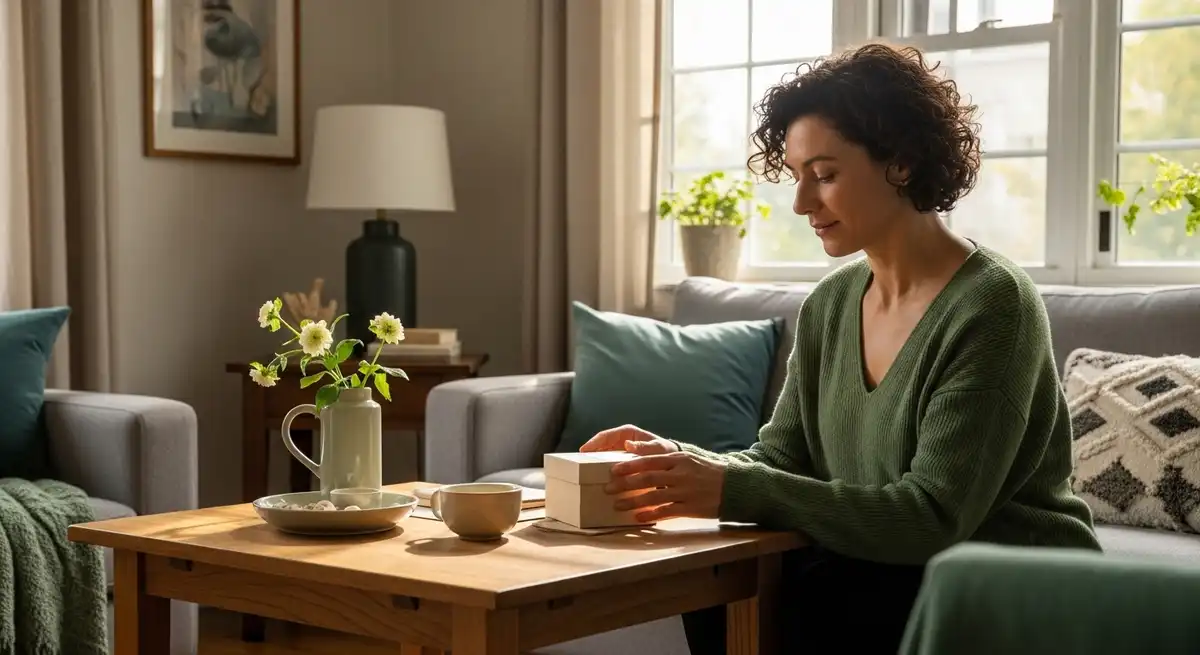
A home sanctuary refers to a specific space linked with rest or calm. Wellness educators often point out that size and cost matter less than intention. Consistent use is what gives the space meaning.
For solo mothers, even a single chair or corner can work when used intentionally. Associating the space only with rest or quiet helps the body recognize it as calming. Over time, this supports faster emotional settling.
This practice draws from environmental psychology principles. Familiar, low-stimulation spaces are often linked with reduced sensory overload. Creating such a space supports daily regulation without major changes.

Sensory Regulation Through Environment
Sensory input shapes emotional experience in subtle ways. Light, scent, color, and sound all influence nervous system activity. Adjusting these elements on Self-Care Sundays helps create a more supportive home setting.
Soft lighting is often linked with reduced stimulation and easier evening transitions. Warm bulbs or indirect light create a calmer atmosphere. This adjustment is commonly used as a general wind-down support.
Scent is another gentle tool. Mild natural scents such as lavender or eucalyptus are sometimes used to support relaxation. These are used lightly as ambient supports rather than treatments.
Decluttering as Mental Support
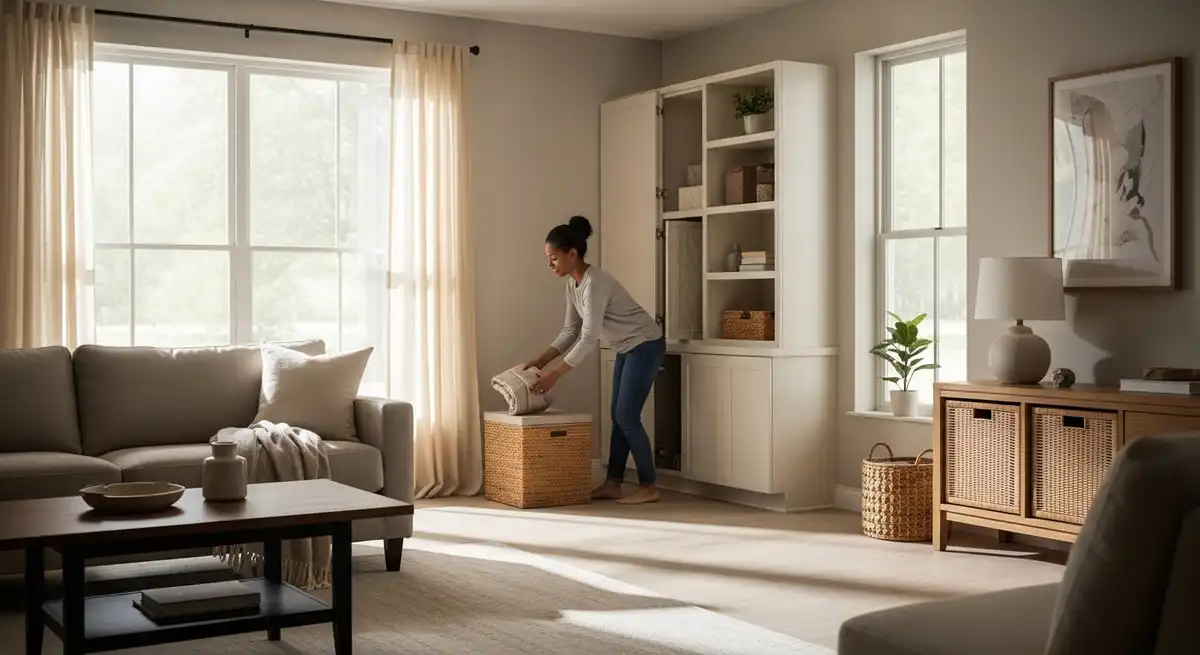
Clutter is often discussed as a source of background stress. Too much visual input can add to mental fatigue, especially in busy homes. Decluttering on Sundays helps restore a sense of order.
This practice does not require full organization. Small steps, like clearing one surface or sorting one drawer, can provide noticeable relief. These manageable actions support consistency without overwhelm.
Decluttering is framed as supportive, not corrective. It helps create an environment that feels easier to manage during the week. This aligns with sustainable household care.
Movement as Functional Self-Care
Physical movement is widely recognized as a general wellbeing support. For solo mothers, movement on Self-Care Sundays is usually flexible rather than structured. This framing reduces pressure and increases participation.
Walking is one of the most accessible options. Short neighborhood walks or time outdoors provide gentle activity and a change of scenery. These walks fit easily into family routines.
Brief home workouts are another option. Short sessions allow movement without childcare planning or travel. These routines are commonly used to support energy and mood without rigid goals.
Creative Expression and Emotional Balance
Creative activities are often included for their regulating effects. Painting, baking, journaling, or simple crafts provide focus without pressure. These activities shift attention away from constant problem-solving.
For solo mothers, creative time often reconnects them with parts of identity beyond caregiving. This connection supports emotional balance without needing large time blocks. Creativity is framed as restorative.
The emphasis stays on participation, not results. Letting go of performance expectations keeps the practice emotionally safe and sustainable.
Evening Wind-Down and Sleep Support
Evening routines play an important role in weekly reset practices. Consistent wind-down habits signal the shift from activity to rest. This transition matters after long days of responsibility.
Warm baths or showers are commonly included. Warm water is often linked with physical relaxation and sensory comfort. These practices are used as comfort measures.
Reducing digital stimulation in the evening also supports rest. Lower screen exposure creates a calmer environment and supports regular sleep patterns. This is framed as supportive, not restrictive.
Digital Boundaries and Mental Space
Technology is essential in modern parenting and work, but constant alerts can increase mental load. Self-Care Sundays often include intentional digital boundaries to restore focus.
Silencing non-essential notifications or limiting scrolling during parts of the day creates breathing room. This practice supports attention and reduces comparison-based stress.
Digital boundaries are flexible and personal. The goal is mindful use, not elimination. This balanced approach supports realistic integration.
Boundary Setting as Emotional Maintenance
Boundaries are often described as tools for protecting energy. For solo mothers, clear limits help prevent overload and emotional fatigue. This protection supports steadier caregiving.
Boundary setting involves clear communication and consistency. Expressing needs calmly and setting reasonable limits reduces repeated conflict. These practices support healthier household dynamics.
Boundaries are not framed as rejection. They function as structures that benefit both parent and child. This approach aligns with responsible wellbeing guidance.
Modeling Balance for Children
Children learn routines and emotional responses through observation. When solo mothers practice consistent self-care, they model balance and awareness. This modeling supports children’s understanding of rest.
Seeing a parent prioritize recovery in realistic ways helps normalize self-care. This reduces guilt around rest and reinforces that wellbeing is part of daily life.
Consistent behavior often communicates values more effectively than explanation. This supports healthy household culture over time.
Integrating Technology for Practical Support
Technology can also reduce load when used intentionally. Scheduling apps, reminders, and budgeting tools help externalize mental tasks. These tools support organization rather than productivity pressure.
Online grocery ordering is another common support. This saves time and energy for solo parents managing tight schedules. It functions as practical delegation.
Mood or reflection apps may also be used. These tools support awareness rather than diagnosis. This framing maintains safety and clarity.
Emotional Wellbeing Without Overstatement
Emotional wellbeing here is framed as steadiness, not constant positivity. Self-Care Sundays support awareness of emotions without trying to remove difficulty. This realistic approach builds trust.
Practices such as journaling or quiet reflection help notice patterns over time. This awareness supports informed choices during the week.
By using neutral language and realistic expectations, Self-Care Sundays remain accessible and responsible. They are lifestyle supports, not emotional solutions.
Adapting Self-Care to Changing Needs
Solo parenting circumstances change often. Work schedules, children’s needs, and energy levels shift. Self-Care Sundays are designed to adjust rather than remain fixed.
Some weeks may focus more on rest, others on preparation. This flexibility supports long-term use.
Adaptation also reduces guilt when plans change. Consistency matters more than content.
Long-Term Sustainability Through Routine
The value of Self-Care Sundays lies in repetition. Small weekly practices add up over time. This gradual effect matches evidence-based lifestyle guidance.
Consistency lowers decision fatigue and supports habit formation. Knowing what Sundays usually involve reduces mental effort.
Sustainability is emphasized over transformation. The goal is support, not reinvention.
FAQs
How can a single mom practice self-care realistically
Single mothers often practice self-care through small, repeatable routines rather than time-consuming activities. Short mindfulness moments, light planning, or scheduled rest periods fit more easily into busy lives. This approach supports steadiness without requiring extra resources or major schedule changes.
Why is self-care challenging for solo mothers
Self-care can feel difficult because daily responsibilities leave little room for pause. Many solo mothers prioritize immediate needs and delay rest. Viewing self-care as practical support rather than indulgence helps reduce resistance.
What does a healthy Sunday reset usually include
A healthy Sunday reset often balances rest with preparation. Common elements include quiet morning time, light organization, and evening wind-down routines. This structure supports readiness without overloading the day.
How mindfulness fits into solo parenting routines
Mindfulness fits into solo parenting as brief moments of attention during daily activities. These practices support awareness and steadier responses. They do not require long sessions or special settings.
Is productive activity considered self-care
Productive activity can be self-care when it reduces future stress. Tasks like meal preparation or scheduling protect energy during the week. The key is whether the activity supports sustainability.
How boundaries support daily wellbeing
Boundaries support wellbeing by protecting emotional and physical energy. Clear limits reduce repeated conflict and overload. They are communication tools, not control strategies.
Does self-care need to look relaxing
Self-care does not always feel relaxing in the moment. Some practices take effort but provide relief later. This broader view helps solo mothers choose what truly supports them.
How children respond to consistent routines
Children often respond well to predictable routines. Consistency helps them understand expectations and transitions. Over time, this can reduce household stress.
Can self-care routines change over time
Self-care routines often change as life circumstances shift. Flexibility keeps practices relevant. This adaptability supports long-term consistency.
Is self-care a replacement for professional support
Self-care is not a replacement for professional support. It functions as a general lifestyle support. Professional guidance remains important when specific concerns arise.
Conclusion:
Self-Care Sundays for Solo Moms offer a realistic framework for weekly balance. By combining rest, preparation, and gentle reflection, they support steadiness without pressure or exaggeration. Over time, consistent routines help solo mothers maintain energy, clarity, and functional wellbeing within everyday life.
Medical Disclaimer
This content is for informational purposes only and does not constitute medical advice. It is not intended to diagnose, treat, cure, or prevent any condition. Always consult a qualified healthcare provider regarding personal health concerns or before starting new wellness practices.
Related Reading
- 10 Simple Ways to Reduce Screen Time Daily
- 15 Time-Saving Weekend Routine for Working Moms That Actually Works Now!
- Why Time management fails most working moms Today? Best Effective Solutions in 2026
If Sunday keeps having to repair the whole week, the week is the thing to change. How to Recover from Burnout is the four-week version.