
The connection between hormones and mood swings is often discussed in everyday conversation, yet it reflects layered biological processes that influence how emotions rise and settle throughout daily life. Many people notice changes in patience, motivation, or emotional sensitivity during demanding work periods, disrupted sleep, or major life transitions. Understanding this connection through a factual, wellness focused lens helps normalize emotional shifts without attaching fear or personal judgment.
Hormones work quietly behind the scenes, shaping how the brain responds to stress, rest, nourishment, and social interaction. When these signals fluctuate, emotional responses can feel unfamiliar or stronger than usual. Viewing mood changes as part of normal body regulation supports calmer awareness rather than unnecessary self criticism.
This page explains the connection between hormones and mood swings using clear language and evidence based framing. The focus remains on lifestyle awareness, mindfulness principles, and everyday balance rather than treatment or diagnosis. The intention is clarity that aligns with wellness education and YMYL safety standards.
Understanding Hormones as Everyday Biological Messengers

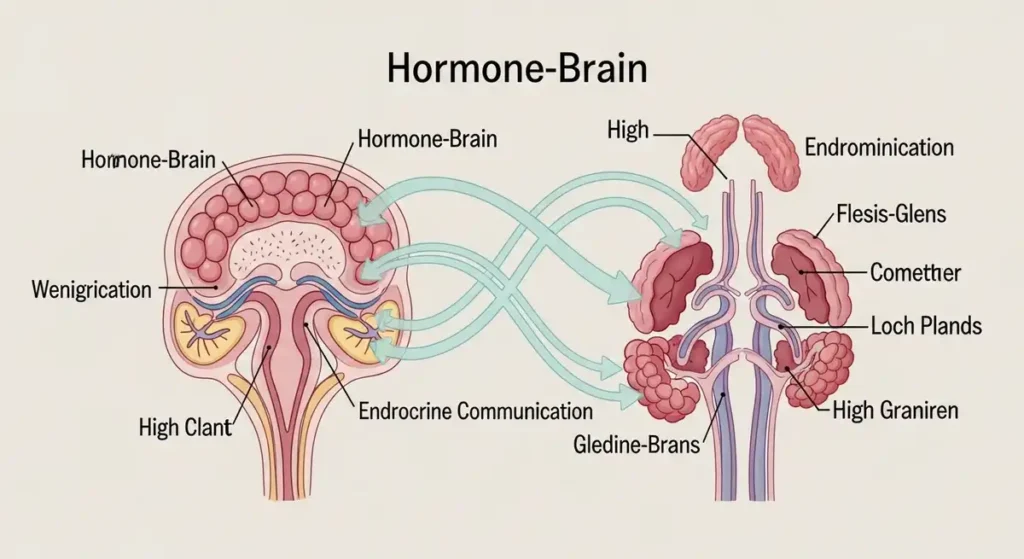
Hormones are chemical messengers released by glands within the endocrine system and carried through the bloodstream to different parts of the body. They help regulate sleep timing, appetite signals, energy use, stress responses, and reproductive rhythms. Because the brain receives and responds to hormonal signals directly, changes in hormone activity often influence emotional tone and reactivity.
Across normal daily routines, hormones adjust constantly in response to sleep quality, food intake, physical movement, and emotional demands. These shifts are part of healthy adaptation rather than signs of dysfunction. When routines become irregular or stress increases, emotional responses may change temporarily as the body recalibrates.
Understanding hormones as adaptive messengers helps place emotional changes in context. Mood swings often reflect internal regulation responding to real life conditions. This perspective supports supportive lifestyle habits rather than alarm or self blame.
How Hormones Interact With Brain Chemistry
The brain relies on neurotransmitters such as serotonin, dopamine, and GABA to support mood stability, focus, and emotional regulation. Hormones influence how these neurotransmitters are produced, released, and received by brain cells. When hormonal signals change, neurotransmitter activity can shift, shaping emotional experiences.
Estrogen, progesterone, testosterone, cortisol, insulin, and thyroid hormones all interact with brain chemistry in different ways. These interactions affect stress tolerance, motivation, emotional steadiness, and energy levels. The effects are usually gradual and cumulative rather than sudden or extreme.
Because hormonal signaling follows rhythms, emotional patterns often show consistency over time. Recognizing these rhythms supports emotional literacy and realistic expectations. Emotional variation becomes easier to understand when viewed through biological regulation rather than personal failure.
Estrogen and Emotional Regulation
Estrogen plays a role in supporting serotonin and dopamine pathways linked to emotional balance and cognitive flexibility. When estrogen levels fluctuate, the efficiency of these pathways may change, influencing mood steadiness and emotional sensitivity. These shifts are commonly noticed during menstrual cycles, postpartum periods, and midlife transitions.
In everyday routines, estrogen related mood changes may appear as reduced stress tolerance or heightened emotional awareness. These experiences reflect altered neural responsiveness rather than weakness. Awareness of these patterns allows people to adjust rest, workload, and expectations more thoughtfully.
Lifestyle habits such as regular sleep, balanced meals, and moderate physical activity are commonly associated with steadier estrogen signaling. These practices are supportive rather than corrective. Emotional awareness remains central to navigating these changes with calm understanding.
Progesterone and the Sense of Calm
Progesterone is often linked to its calming influence on the nervous system through interaction with GABA receptors. GABA helps reduce neural excitability, supporting emotional steadiness and containment. Changes in progesterone levels can affect how this calming effect is felt.
During certain menstrual phases, progesterone fluctuations may align with increased restlessness or emotional sensitivity. Responses vary widely and are shaped by stress levels and sleep quality. This reflects individual sensitivity rather than imbalance.
Supportive routines that emphasize rest, gentle movement, and predictable schedules are often found helpful during these phases. External stability can buffer internal variability. This approach fits within wellness education rather than medical intervention.
Testosterone and Emotional Drive
Testosterone influences motivation, confidence, and emotional drive in people of all genders. It interacts with dopamine pathways involved in goal directed behavior and reward processing. When testosterone levels shift, emotional vitality and energy may change subtly.
In daily life, lower testosterone levels are often associated with reduced motivation or emotional flatness rather than dramatic mood swings. Sleep disruption, nutritional gaps, and physical inactivity commonly influence these patterns. Testosterone levels naturally vary across age and life demands.
Balanced routines that include strength based movement, adequate rest, and regular nourishment are often associated with healthier testosterone signaling. These habits support overall vitality without implying treatment. Emotional self observation remains an important part of this process.
Cortisol and Stress Responsiveness
Cortisol is released as part of the body’s stress response and supports alertness and energy mobilization. Short term increases are normal and helpful during demanding moments. Challenges arise when cortisol remains elevated for extended periods.
Ongoing stress can lead to prolonged cortisol activation, which may influence sleep quality, emotional regulation, and stress tolerance. Many people describe feeling easily overwhelmed or emotionally reactive during these periods. This reflects nervous system strain rather than personal failure.
Lifestyle guidance often emphasizes consistent routines, sufficient sleep, and intentional pauses to support cortisol balance. These approaches are considered supportive rather than corrective. Awareness of stress patterns allows gentler adjustments that respect daily responsibilities.
Insulin, Blood Sugar, and Emotional Stability
Insulin regulates how glucose is used for energy, including in the brain. Stable blood sugar supports consistent energy and emotional steadiness. Fluctuations can influence irritability, fatigue, and emotional reactivity.
In everyday contexts, skipped meals or highly refined foods may contribute to energy crashes that affect mood. These effects are usually temporary but noticeable. Balanced meals with protein, fiber, and healthy fats are commonly linked with steadier emotional energy.
Nutrition guidance within wellness education focuses on consistency rather than restriction. Supporting blood sugar stability helps create a calmer internal environment. This approach fits within lifestyle balance principles rather than medical advice.
Thyroid Hormones and Emotional Tone
Thyroid hormones influence metabolic rate and nervous system activity. Changes in thyroid signaling can affect emotional tone, energy levels, and mental clarity. Both lower and higher activity are associated with emotional changes, though experiences vary.
In daily life, subtle thyroid related shifts may show up as persistent tiredness or restlessness. These signs overlap with many lifestyle factors and are not diagnostic on their own. Awareness supports appropriate professional consultation when concerns persist.
Wellness education encourages noticing patterns rather than reacting to isolated experiences. Emotional awareness paired with medical guidance supports responsible care. Lifestyle routines alone are not substitutes for evaluation when needed.
Hormonal Changes Across Life Stages
Hormonal patterns shift across life stages, influencing emotional experiences in predictable ways. Puberty, reproductive years, pregnancy, postpartum periods, and midlife transitions all involve changes in hormonal signaling. These transitions affect emotional regulation as the body adapts.
Adolescence often includes heightened emotional responsiveness as developing brain structures interact with rising sex hormones. Midlife transitions may involve increased sensitivity to stress or sleep disruption. These experiences reflect adaptation rather than decline.
Understanding life stage related changes reduces unnecessary fear or comparison. Emotional variation becomes easier to normalize within a developmental framework. Supportive environments and routines matter during these periods.
PMS and PMDD in Context
Premenstrual syndrome refers to physical and emotional changes that occur before menstruation. Premenstrual dysphoric disorder involves a more intense pattern of emotional distress linked to sensitivity to hormonal shifts. Both relate to brain response to hormonal changes rather than abnormal hormone levels.
Emotional symptoms may include irritability, low mood, or emotional intensity. These experiences vary widely and are influenced by stress, sleep, and overall health. Recognizing patterns allows for proactive lifestyle adjustments.
Wellness education emphasizes tracking cycles, planning rest, and seeking professional guidance when symptoms interfere with daily life. Supportive strategies complement care rather than replace it. Emotional validation remains central.
Perimenopause and Menopause Awareness
Perimenopause involves fluctuating estrogen levels that influence sleep, temperature regulation, and emotional responsiveness. Mood changes during this period are often linked with disrupted sleep and stress sensitivity. These changes are part of a natural transition.
Menopause represents a new hormonal baseline after reproductive cycling ends. Emotional experiences often stabilize as the body adapts. Differences in experience reflect individual biology and lifestyle factors.
Education around these transitions focuses on informed awareness and supportive routines. Balanced nourishment, movement, and rest remain foundational. Professional guidance supports individualized decisions when appropriate.
Mindfulness as Lifestyle Support
Mindfulness is commonly described as paying attention to present moment experiences with openness and neutrality. It is often used as a lifestyle support practice rather than a therapeutic intervention. In the context of hormonal mood changes, mindfulness supports awareness without judgment.
Noticing emotional patterns calmly allows more thoughtful responses rather than automatic reactions. This awareness helps align daily choices with current energy levels. Mindfulness does not change hormones directly but supports adaptive responses.
Practices such as slow breathing, body awareness, and brief pauses are often integrated into daily routines. These practices fit within wellness education frameworks. Observation remains the focus.
Daily Routines and Emotional Predictability
Consistent daily routines support hormonal regulation by offering predictable signals to the nervous system. Regular sleep timing, meals, and movement help stabilize internal rhythms. Emotional predictability often improves with routine consistency.
For working parents and caregivers, routines provide structure amid competing demands. Even small consistencies such as regular wake times or planned breaks can support emotional steadiness. Flexibility remains important when routines shift.
Wellness guidance encourages realistic routines that fit real life. Perfection is neither expected nor required. Stability grows from repetition rather than intensity.
Parenting, Work, and Hormonal Load
Parents and working caregivers often carry compounded hormonal stress due to sleep disruption, emotional labor, and time pressure. These demands influence cortisol and insulin regulation, which can affect mood. Emotional exhaustion is a common experience.
Acknowledging the biological load of caregiving reduces self blame. Emotional fluctuations often signal overextension rather than inadequacy. Support systems and shared responsibilities play a meaningful role.
Wellness education emphasizes sustainable pacing and self compassion. Small adjustments in rest and support can influence emotional balance. This framing respects real world constraints.
Emotional Awareness Without Diagnosis
Emotional awareness involves noticing patterns without assigning labels or diagnoses. Hormonal mood swings exist on a spectrum and are influenced by many factors. Not every emotional change requires explanation or intervention.
Wellness education avoids pathologizing normal emotional variation. Curiosity and observation are encouraged instead. This approach aligns with YMYL safety standards by avoiding medical claims.
When emotional changes persist or intensify, professional evaluation provides clarity. Lifestyle awareness supports but does not replace medical care. Clear boundaries between education and treatment remain essential.
Frequently Asked Questions
How do hormones affect mood swings in everyday life
Hormones affect mood swings by influencing neurotransmitters, stress responses, and energy regulation. These effects often appear as changes in sleep quality, emotional sensitivity, or stress tolerance rather than extreme mood shifts. Many people notice patterns linked to routines, workload, or life stages instead of isolated moments.
Can hormonal changes cause emotional sensitivity
Hormonal changes are commonly associated with increased emotional sensitivity due to shifts in brain signaling. This sensitivity reflects heightened awareness rather than instability. Supportive routines and emotional literacy help navigate these periods calmly.
Are mood swings always a sign of imbalance
Mood swings are not always signs of imbalance and often reflect normal adaptation. Emotional variation is part of a healthy nervous system responding to life demands. Persistent or disruptive changes warrant professional assessment rather than self interpretation.
How does stress influence hormonal mood changes
Stress influences hormonal mood changes by increasing cortisol and altering sleep patterns. Prolonged stress can amplify emotional reactivity. Lifestyle strategies that support rest and predictability help moderate this effect.
Does sleep affect hormonal mood regulation
Sleep affects hormonal mood regulation by supporting cortisol rhythms and neurotransmitter balance. Irregular or insufficient sleep often increases emotional volatility. Consistent sleep timing is commonly linked with steadier mood.
Can nutrition influence emotional stability
Nutrition influences emotional stability by supporting blood sugar control and neurotransmitter production. Balanced meals help reduce energy crashes that affect mood. This influence is supportive rather than corrective.
Do men experience hormonal mood changes
Men experience hormonal mood changes related to testosterone, cortisol, and insulin regulation. These changes often appear as shifts in energy or motivation. Awareness supports balanced routines.
How do life stages affect hormonal mood patterns
Life stages affect hormonal mood patterns through predictable developmental and adaptive changes. Adolescence, reproductive years, and midlife transitions involve shifting signals. Contextual understanding reduces unnecessary concern.
Is mindfulness a treatment for hormonal mood swings
Mindfulness is not a treatment but a lifestyle support practice. It encourages calm awareness of emotional patterns. Many people find it helpful for responding thoughtfully rather than reactively.
When should professional support be considered
Professional support should be considered when mood changes persist, intensify, or interfere with daily functioning. Medical evaluation provides clarity beyond lifestyle observation. Wellness practices complement but do not replace professional care.
Conclusion
The connection between hormones and mood swings reflects the body’s ongoing effort to adapt to routines, stressors, and life transitions. Emotional changes often signal shifting internal conditions rather than personal shortcomings. Understanding hormonal influences through a calm, educational lens supports emotional wellbeing with awareness, balance, and appropriate guidance when needed.
Medical Disclaimer
This content is for informational purposes only and does not constitute medical advice. It is not intended to diagnose, treat, cure, or prevent any disease. Always consult a qualified healthcare provider regarding health concerns or before making changes to your health routine.