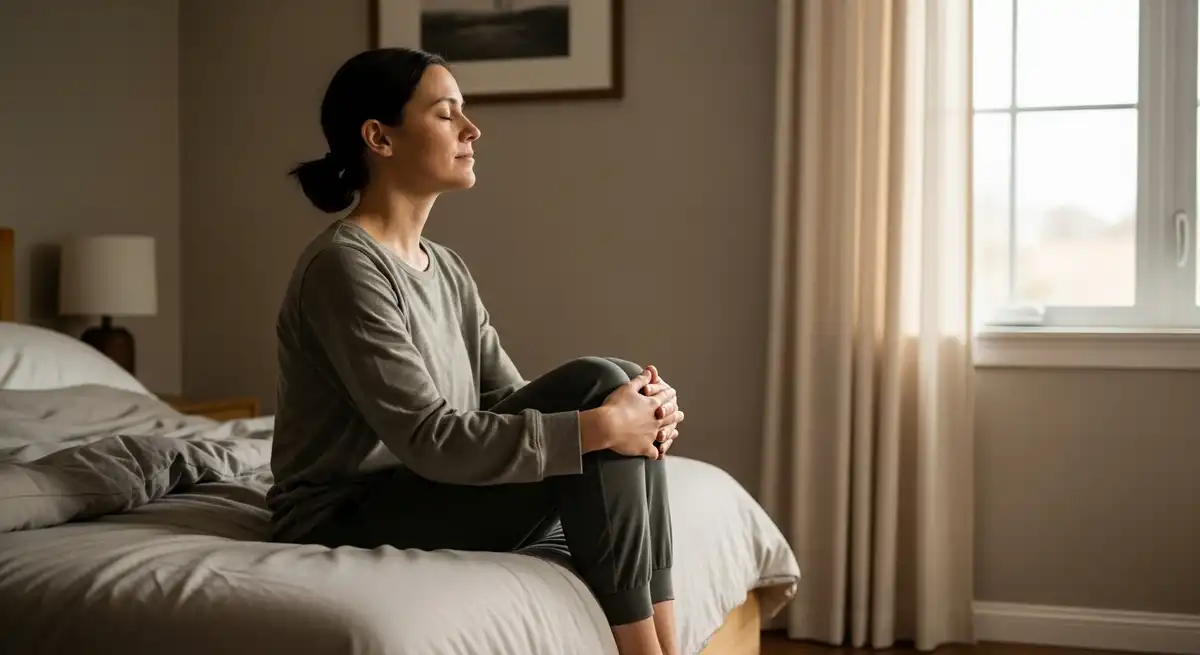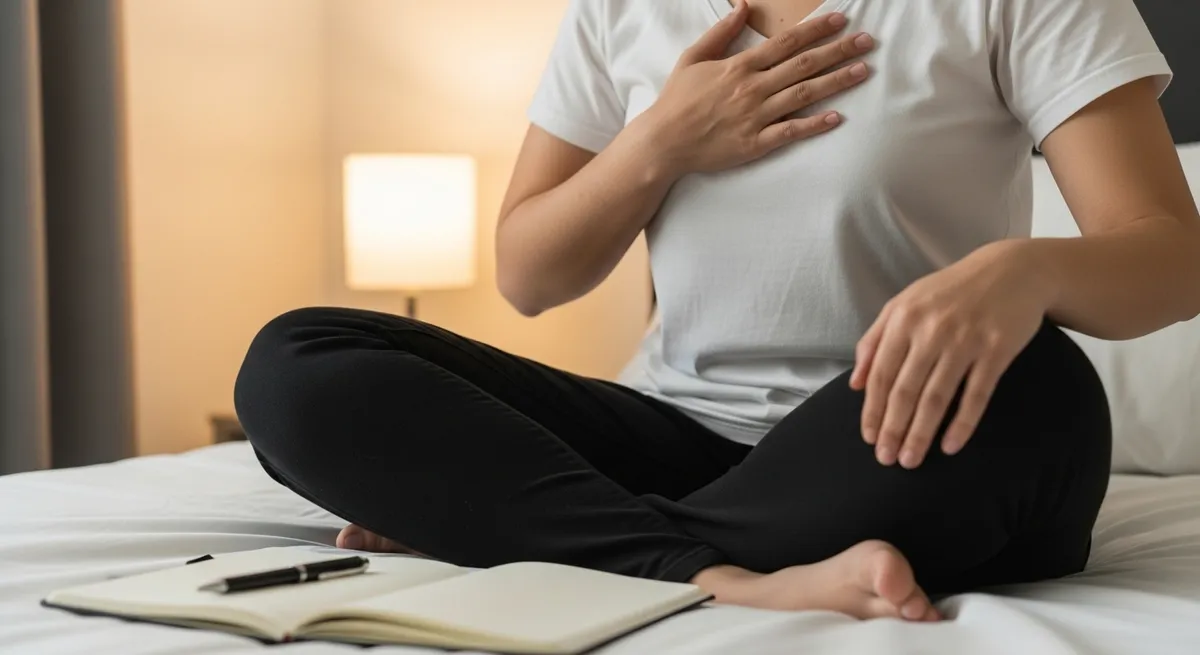

Gratitude journaling has gained steady attention in wellness spaces because many people want simple habits that feel realistic rather than overwhelming. This practice is often described as a short writing routine that encourages reflection on everyday experiences. When framed responsibly, gratitude journaling is understood as a supportive lifestyle habit that fits into ordinary routines without pressure or emotional performance.
Rather than aiming to change how someone feels instantly, gratitude journaling focuses on awareness. Writing helps slow mental pace and brings attention to moments that might otherwise pass unnoticed. Wellness educators frequently describe it as a grounding practice that complements rest, routine, and stress awareness.
From an editorial and public health standpoint, gratitude journaling is not positioned as a solution to emotional distress. It is commonly presented as an optional, low effort habit that may support emotional steadiness over time. This framing keeps expectations realistic and maintains ethical clarity.
Understanding Gratitude Journaling as a Lifestyle Practice

Gratitude journaling refers to the habit of writing about experiences, interactions, or moments that feel supportive or meaningful. These entries are often small and specific, such as a helpful conversation, a moment of rest, or personal effort during a busy day. The practice centers on noticing rather than judging experiences.
In everyday routines, gratitude journaling is often used as a brief pause rather than a deep emotional exercise. Writing helps thoughts move from mental loops to the page, which can feel stabilizing. This reflective pause is one reason the practice is commonly included in lifestyle wellness guidance.
Most people practice gratitude journaling in short sessions lasting ten to fifteen minutes. It can be done at home, during a break, or before sleep, depending on personal schedules. Simplicity is emphasized so the habit remains accessible and sustainable.
Gratitude as a State and a Disposition
Gratitude is often explained as both a temporary feeling and a broader pattern of attention. A state of gratitude refers to a momentary sense of appreciation linked to a specific experience. A dispositional tendency reflects how often someone naturally notices positive or supportive aspects of life.
Gratitude journaling is commonly introduced as a way to support state gratitude first. Writing helps bring awareness to moments that may otherwise be overlooked. With repetition, some people notice appreciation becoming more accessible in daily thinking.
This shift is not guaranteed or uniform. Wellness education emphasizes that experiences vary widely. Gratitude journaling is presented as a practice of noticing, not a requirement to feel positive.
Neuroscience and Attention Training
From a brain science perspective, gratitude journaling is often discussed in terms of attention rather than emotion control. Repeated focus on certain information influences how easily the brain recognizes similar information later. This learning process is commonly described as neuroplasticity.
Writing about supportive experiences encourages the brain to register them more clearly. Over time, this may make recall of balanced perspectives easier during stressful moments. Wellness educators describe this as attention training rather than mood change.
Journaling engages brain regions involved in reflection and planning. This reflective activity supports thoughtful processing instead of automatic reaction. The emphasis remains on awareness and steadiness, not emotional suppression.
Emotional Regulation and Perspective

Emotional regulation refers to noticing emotions and responding thoughtfully. Gratitude journaling is often used as a reflective tool that supports this skill indirectly. Writing creates distance between experience and response.
By recording moments that felt supportive, individuals may find it easier to hold perspective during challenges. This does not remove difficulty, but it can widen emotional awareness. Many people describe this as feeling more balanced rather than happier.
Responsible wellness guidance clarifies that emotional regulation does not mean avoiding discomfort. Gratitude journaling works best when it allows space for mixed experiences. This balanced framing supports emotional safety.
Gratitude Journaling and Stress Awareness
Stress awareness involves recognizing signs of strain before they escalate. Gratitude journaling supports this awareness by encouraging regular reflection on daily experiences. Writing often reveals patterns of what feels supportive and what feels draining.
Many people use journaling to notice moments of relief during demanding days. These moments may be brief, but acknowledging them can support steadiness. Stress awareness improves when attention is not fixed only on pressure.
In lifestyle guidance, gratitude journaling is often paired with practical strategies like rest and boundaries. It does not replace these supports. Instead, it complements them by encouraging reflection.
You may also interested in:
Why Is the Connection Between Journaling and Mindfulness So Powerful in Everyday Life
20 Best Time-Saving Hacks for Working Moms in 2026
Journaling for Stress Relief: What to Write When You’re Overwhelmed
Resilience as a Lifestyle Concept
Resilience is commonly described as the ability to adapt and recover during difficulty. Gratitude journaling is often linked to resilience because it supports reflection and meaning making. Writing can help individuals recognize effort and support during change.
This awareness may support confidence in coping abilities. Over time, noticing what remains steady can feel grounding. However, resilience depends on many factors beyond journaling.
Editorial standards avoid presenting gratitude as a guarantee of resilience. It is framed as one supportive habit among many. This maintains realism and trust.
Sleep and Evening Reflection
Gratitude journaling is frequently suggested as an evening activity because it can support mental settling. Writing allows the mind to transition away from stimulation. Many people find this helpful before rest.
Evening entries often focus on moments from the day that felt manageable or supportive. This does not require the day to have been easy. The focus is simply on noticing balance.
Sleep guidance emphasizes flexibility. If writing feels stimulating, it may be better practiced earlier. Personal preference guides timing.
Physical Wellbeing and Daily Choices
Gratitude journaling is sometimes associated with increased awareness of daily habits. Writing about energy or rest can reinforce appreciation for basic needs. This awareness may influence choices gently.
Reflective writing can make patterns more visible. People may notice how certain habits affect how they feel. This supports informed decisions rather than rigid control.
It is important to avoid presenting journaling as a physical health tool. It supports awareness, not outcomes. This distinction maintains ethical clarity.
Workplace and Caregiving Contexts
In work and caregiving roles, emotional demands are often ongoing. Gratitude journaling is sometimes used to acknowledge effort and contribution. Writing can validate work that often goes unseen.
For working parents, journaling may focus on moments of connection or completion. This can counterbalance constant responsibility. The practice is often adapted to fit limited time.
Practicality remains central. Short reflections are encouraged. The habit should fit life, not add strain.
Comparing Gratitude Journaling and Structured Exercises
Gratitude journaling differs from structured exercises like listing three positive events. Journaling allows detail and context. This can support deeper reflection.
Structured exercises emphasize consistency and simplicity. They may suit busy periods. Both approaches are considered valid.
Choice depends on preference and routine. No format is presented as superior.
Practical Guidelines for Safe Use
Gratitude journaling works best when practiced with honesty. Writing should reflect real experience, not forced optimism. This supports emotional safety.
Specificity is often encouraged. Describing who was involved and why something mattered deepens reflection. This strengthens engagement.
Moderate frequency is recommended. Two or three sessions weekly often feel sustainable. This prevents the habit from becoming mechanical.
Avoiding Emotional Bypassing
Emotional bypassing occurs when positive practices are used to avoid discomfort. Gratitude journaling can contribute to this if used rigidly. Balanced guidance addresses this risk.
Writing can include difficulty alongside appreciation. This integrated approach supports honesty. Gratitude and challenge can coexist.
If journaling increases distress, pausing or adjusting is appropriate. Wellness practices should feel supportive.
Cultural and Personal Context
Gratitude is experienced differently across cultures. In some contexts, it may feel linked to obligation. Journaling should respect these differences.
Personalizing prompts helps align the practice with values. Some focus on effort, others on connection. Flexibility supports inclusion.
Editorial guidance emphasizes adaptability. Gratitude journaling is not one size fits all.
Integration With Mindfulness Practices
Mindfulness focuses on present awareness. Gratitude journaling complements this by offering reflection after experiences. Writing extends awareness.
Some people combine breathing with journaling. Others keep practices separate. Both approaches are acceptable.
Integration is optional. Each practice stands alone.
Parenting and Family Life Relevance
In family life, gratitude journaling is sometimes adapted for shared reflection. Parents may write privately or guide simple reflection. The focus remains gentle.
Writing can help parents acknowledge daily effort. This validation supports steadiness. Short entries fit busy schedules.
Pressure is avoided. The habit should feel supportive, not obligatory.
Long Term Habit Formation
Gratitude journaling benefits from realistic expectations. Changes are gradual. Consistency matters more than intensity.
Linking journaling to existing routines supports habit formation. This reduces reliance on motivation.
Pauses are normal. Returning to the practice is always acceptable.
Ethical and Safety Considerations
Gratitude journaling is an educational wellness practice. It does not diagnose or treat mental health conditions. This distinction is essential.
Individuals experiencing significant distress should seek professional support. Journaling may accompany care but not replace it.
Emotional pacing matters. Writing should feel manageable. Adjustments are part of safe practice.
Conclusion
Gratitude journaling is best understood as a reflective writing habit that supports awareness and perspective in daily life. When explained carefully, it offers a gentle way to notice balance without denying difficulty. Its value lies in consistency, honesty, and realistic integration within broader wellbeing routines.
Frequently Asked Questions
How gratitude journaling boosts mental health in everyday life
Gratitude journaling boosts mental health by supporting balanced attention rather than emotional control. Many people find that writing helps them notice supportive moments alongside challenges. This broader perspective is commonly associated with steadier emotional responses over time.
Appropriate frequency for gratitude journaling
Gratitude journaling is commonly practiced two or three times per week for about fifteen minutes. This schedule supports engagement without making the habit feel forced. Consistency is usually more helpful than daily repetition.
Morning versus evening journaling
Gratitude journaling can be practiced in the morning or evening. Morning writing may support focus, while evening writing often supports mental settling. Personal routine usually determines timing.
Gratitude journaling during difficult periods
During difficult periods, gratitude journaling often focuses on small stabilizing experiences. This may include effort, support, or rest. The practice does not require ignoring hardship.
Gratitude journaling and professional mental health care
Gratitude journaling can accompany professional mental health care. It does not replace therapy or medical support. Individuals should follow guidance from qualified professionals.
Difference between gratitude lists and journaling
Gratitude lists identify positive items, while journaling allows detail and context. Both formats are used in wellness education. Choice depends on preference.
Potential downsides of gratitude journaling
Gratitude journaling may feel unhelpful if practiced rigidly. Some people feel frustration when expectations are unrealistic. Adjusting or pausing is appropriate.
Gratitude journaling and sleep routines
Gratitude journaling is often included in evening routines. Writing may help shift attention away from repetitive thoughts. This can support calmer rest.
Gratitude journaling for working parents
Working parents often use gratitude journaling to acknowledge effort and connection. Short reflections validate daily contributions. The practice is adapted to time limits.
Long term use of gratitude journaling
Long term gratitude journaling involves flexibility. People adjust frequency and focus as life changes. The practice remains supportive when adaptable.
Medical Disclaimer
This content is for informational purposes only and does not constitute medical or mental health advice. It is not intended to diagnose, treat, cure, or prevent any condition. Consult a qualified healthcare or mental health professional for personalized guidance or concerns.
Image Prompt 1 (Featured Image) A calm indoor morning scene showing a diverse adult seated at a wooden table, writing in a gratitude journal beside a warm cup of tea, soft natural window light illuminating the page, neutral earth tone color palette with gentle greens and creams, photorealistic editorial wellness photography style, peaceful reflective mood, shallow depth of field, horizontal composition with negative space for headline text, professional lifestyle magazine quality, realistic home environment, inclusive representation.
Image Prompt 2 (Supporting Concept Image) Close up instructional image of hands writing detailed gratitude notes in a notebook, visible texture of paper and pen, minimal desk setup with plant and natural materials, clean background, soft diffused daylight, warm neutral colors, clear focus on writing process, photorealistic style, calm and focused mood, horizontal orientation, educational clarity suitable for wellness blogs.
Image Prompt 3 (Inspirational Image) Lifestyle photograph of a diverse individual resting comfortably near a window at sunset after journaling, journal closed nearby, relaxed posture, gentle smile, soft golden hour lighting, muted pastel and earth tone palette, calm contented emotion, balanced composition showing everyday integration, realistic attainable wellness aesthetic, horizontal frame, high end editorial photography quality.
Related Reading
- Proven Transformative Journaling Techniques for Beginners
- Daily Writing Rituals for Mental Clarity and Focus That Actually Work
- Effective Self-Care Ideas for Managing High-Functioning Anxiety in 2026
Specificity is what separates a gratitude entry that does something from one that does not. The version that gets it right — what went right today that I would not have noticed if I had not asked — is prompt 45 in 45 Journal Prompts That Work.