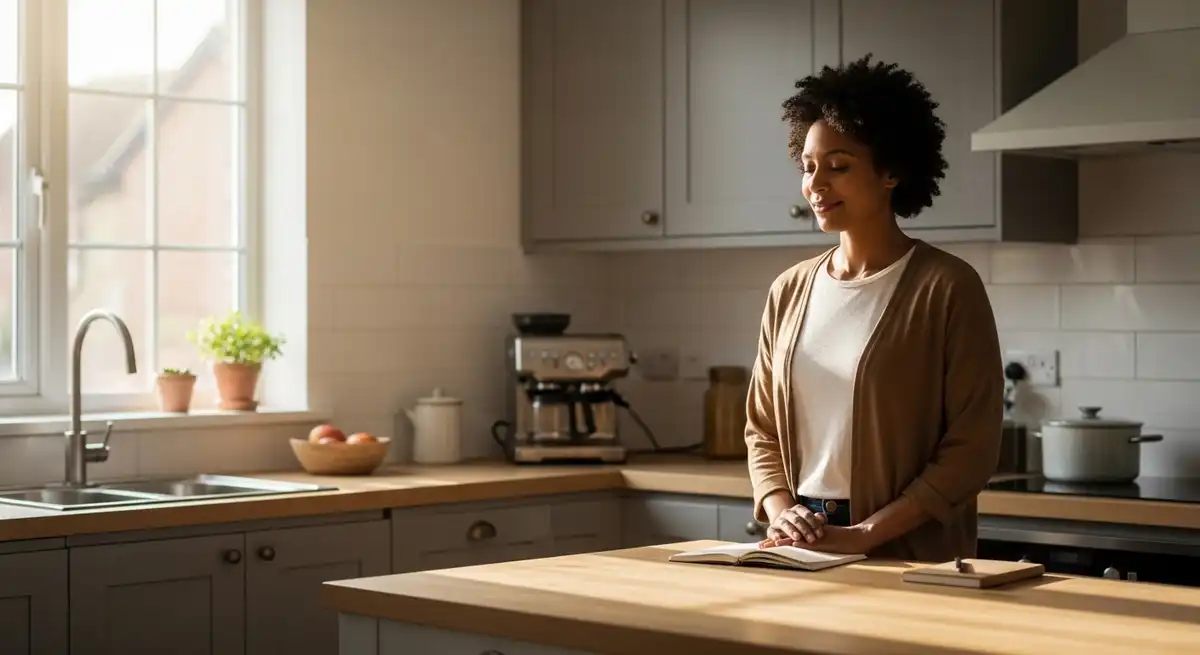

Modern daily life often creates a steady sense of mental and physical depletion that builds quietly over time. Many people move through responsibilities efficiently while still feeling tired, distracted, or emotionally stretched by the end of the day. Wellness educators often explain that this pattern is linked to prolonged mental load and limited recovery, rather than personal failure or lack of discipline.
Short, intentional pauses are widely discussed in lifestyle research as a practical way to support balance without major schedule changes. These pauses are not indulgent breaks or productivity tricks, but moments that help the body and mind reset during ordinary routines. A structured 15minute me time ritual is commonly presented as a realistic option that fits into real life.
This guide explains how to create a “me time” ritual using clear, responsible, and evidence-aware language. It focuses on general wellbeing principles, habit support, and everyday mindfulness practices that many people use safely. The information is educational and supportive, designed to complement daily life without replacing professional care or advice.
15 minute me time ritual: Understanding the 15-Minute Me Time Ritual

A 15 minute me time ritual is commonly understood as a short, intentional period set aside for mental and physical recalibration. It is not meant to fix problems or deliver dramatic outcomes, but to offer a pause that supports steadiness. Many people use these rituals to create breathing room between tasks or roles.
Lifestyle researchers often describe these pauses as micro-breaks, meaning brief interruptions that allow attention and emotional systems to recover. Unlike passive breaks, such as checking messages, a ritual has a defined structure and purpose. This structure helps signal closure and safety to the nervous system.
The fifteen-minute duration is often described as a practical balance between usefulness and feasibility. It is long enough to notice a shift in awareness, yet short enough to fit into demanding schedules. This makes it accessible for parents, professionals, and caregivers managing multiple responsibilities.
Why Short Breaks Support Daily Wellbeing
Short breaks are commonly associated with improved feelings of energy and reduced mental fatigue in workplace and lifestyle studies. Research reviews suggest that brief pauses can ease mental strain when they involve intentional disengagement. These effects are described as supportive rather than corrective or curative.
From an attention standpoint, the brain is not designed for continuous focus without recovery. Cognitive load theory explains that mental resources become strained when demands stack without pause. A short ritual allows these resources to replenish gradually instead of wearing down.
Lifestyle guidance often emphasizes consistency over intensity. A brief daily ritual can have a steadier impact than occasional long breaks that are difficult to maintain. This framing supports sustainable habits rather than all-or-nothing approaches to self-care.
Nervous System Awareness in Everyday Language
Discussions of stress often reference the nervous system, particularly the balance between alert and restorative states. In simple terms, the body moves between activation and relaxation throughout the day. Extended periods of alertness without recovery can contribute to tension and exhaustion.
A “me time” ritual is often used to encourage a gentle shift toward a calmer state. This shift is commonly associated with slower breathing, reduced muscle tension, and quieter mental activity. These responses are described as natural bodily reactions rather than medical outcomes.
Wellness educators usually emphasize that these practices do not remove stressors. Instead, they support steadier responses to daily demands. This distinction helps maintain realistic expectations and emotional safety.
Defining Your Aspirational Identity Safely
Creating a ritual often begins with clarifying why it matters in everyday life. An aspirational identity refers to the type of person someone aims to be through consistent actions, not perfect outcomes. This approach focuses on values rather than performance.
For example, identifying as someone who protects mental clarity frames the ritual as self-respect rather than self-improvement. It removes pressure to feel calm or productive after every session. This identity-based approach is commonly used in habit research to support long-term consistency.
This framing also avoids moralizing rest or productivity. The ritual becomes a neutral support tool instead of a reward or obligation. Such language aligns with responsible wellness communication.
Avoiding Trend-Based Self-Care Pitfalls
Popular portrayals of self-care often emphasize luxury, appearance, or dramatic change. Many people find that copying these trends feels unrealistic or disconnected from daily life. When rituals feel performative, they are less likely to last.
A grounded “me time” ritual focuses on usefulness rather than presentation. It works quietly in the background of daily routines without requiring special purchases. This simplicity reduces barriers related to time, cost, and comparison.
Wellness educators often encourage personalization over imitation. A ritual that fits personal values and constraints is more supportive than one copied from online trends. This principle underpins sustainable lifestyle habits.
Conducting a Gentle Time and Energy Review

Before adding a ritual, it can help to understand current patterns of time and energy use. A simple review involves noting recurring tasks, obligations, and mental commitments. This process is observational rather than critical.
Many people notice that mental clutter, such as unresolved reminders or constant notifications, contributes significantly to fatigue. Writing these down can create a sense of containment. This step does not require immediate solutions.
Recognizing small energy drains allows room for small supports. For instance, reducing late-night screen use may create space for a short evening ritual. This approach emphasizes substitution instead of restriction.
Creating Space Without Adding Pressure
Making room for a ritual does not require a full schedule overhaul. It often involves protecting a small window that already exists. This might be after meals, before bed, or between work and home responsibilities.
Lifestyle guidance usually suggests starting with the least disruptive option. A ritual that fits naturally into existing routines is more likely to continue. This reduces reliance on motivation.
Missing a day does not invalidate the practice. Consistency develops gradually through repetition, not perfection. This perspective supports emotional balance and long-term use.
A Calm, Neuroscience-Informed Stress Reset
A commonly shared 15-minute stress reset includes three simple phases. These phases are breathing, sensory grounding, and gentle movement. Each phase supports awareness in a different way.
This sequence is not presented as a treatment. It is widely described as a supportive lifestyle practice that many people find calming. The structure offers predictability, which itself can feel reassuring.
Each phase lasts about five minutes. This balance allows engagement without overstimulation. People are encouraged to adjust or stop if discomfort appears.
Breathing Practices in Everyday Contexts
Slow, paced breathing is often used in mindfulness education. One approach involves lengthening the exhale compared to the inhale. This pattern is commonly linked with calmer physical responses.
Practicing this breathing for a few minutes brings attention back to bodily sensations. It is typically done seated or lying down, without strain. Breathing should feel comfortable, not forced.
Guidance emphasizes listening to the body. If dizziness or discomfort occurs, the practice is paused. People with respiratory concerns are advised to consult healthcare professionals before starting.
Sensory Grounding as a Practical Tool
Sensory grounding involves gently noticing sights, sounds, textures, smells, and tastes in the current environment. This practice is often used to reduce mental looping and overthinking. It shifts attention outward in a neutral way.
In daily life, sensory grounding can be done almost anywhere. It does not require silence or equipment. This flexibility makes it suitable for workplaces and shared homes.
Educators describe grounding as anchoring attention rather than controlling thoughts. The goal is awareness. This framing supports realistic and safe expectations.
Gentle Movement for Tension Awareness
Short periods of gentle movement are often included in wellbeing routines. These movements are slow, comfortable, and non-strenuous. Examples include shoulder rolls, neck movements, and hand stretches.
Movement brings awareness to areas where tension builds during sitting. It also supports circulation and posture in a mild way. These effects are framed as supportive.
People are encouraged to stay within pain-free limits. Existing injuries or conditions should be considered carefully. This aligns with responsible lifestyle guidance.
Alternative Ritual: Morning Journaling for Clarity
Morning journaling is often described as a reflective alternative to movement-based rituals. It usually involves writing freely without editing. The focus is expression rather than insight.
This practice is commonly associated with mental organization. Putting thoughts on paper can reduce the feeling of carrying them mentally. It is used as a supportive routine.
Many people find journaling helpful before daily demands begin. Keeping it brief supports consistency. The emphasis stays on process, not outcome.
Using Gentle Prompts Without Pressure
Some people prefer light prompts to begin journaling. Prompts may focus on current needs or intentions. These are invitations rather than rules.
Prompts reduce hesitation without directing content too narrowly. They act as starting points. This keeps the practice flexible.
Stopping when time ends reinforces boundaries. The ritual remains contained and manageable.
Alternative Ritual: A Simple Sensory Tea Pause
A sensory tea pause involves preparing and drinking a warm beverage with attention. The process highlights temperature, aroma, and taste. It is often used as a calming transition.
This ritual draws inspiration from traditional practices without copying them formally. The focus is slowing down. It can be adapted to many beverages.
Many people use this pause to mark transitions between tasks. Preparation becomes part of the ritual. Simplicity supports regular use.
Slowing Down Without Escapism
The value of a sensory ritual lies in presence. It does not aim to avoid responsibilities or emotions. It provides a brief container for awareness.
This distinction matters for emotional responsibility. The ritual supports engagement, not withdrawal. It is framed as a pause.
Keeping it short helps maintain balance. It fits life as it is.
Alternative Ritual: Restorative Movement and Yoga
Restorative movement focuses on comfort and support. It often involves seated or reclined positions. The goal is ease.
Short sessions are used to counter long sitting periods. They support posture awareness and breathing. These practices are described as gentle.
Adaptations are encouraged. Props can increase comfort. Professional guidance is advised for medical concerns.
Desk-Friendly Movement in Daily Routines
Desk-friendly movement fits into workdays without changing locations. Simple stretches and posture checks are enough. Movements remain subtle.
Regular movement breaks are linked with reduced discomfort. They are framed as supportive habits. This keeps them approachable.
Consistency remains central. Short, frequent movement often feels more manageable.
Making the Ritual Automatic Through Habit Stacking
Habit stacking links a new habit to an existing one. This approach is widely discussed in behavior research. It uses familiar cues.
For example, a ritual may follow lunch or precede bedtime. The existing habit becomes the reminder. This simplifies follow-through.
Over time, the sequence feels natural. Familiarity supports use during busy periods.
Reducing Friction in the Environment
Environmental cues influence habit formation. Visible materials reduce mental effort. Examples include leaving a journal nearby.
Reducing friction does not force behavior. It makes supportive choices easier. This principle is common in lifestyle design.
Small changes add up. They support routine without pressure.
Adapting Rituals for Parents and Professionals
Parents and professionals often face fragmented schedules. Short rituals suit these realities. They fit small windows.
Some use rituals as role transitions. A pause after work can mark entry into family time. This supports presence.
Flexibility is key. Rituals adapt to life stages. This respects real constraints.
Tracking Experience Without Obsession
Tracking does not require detailed logs. Some people note how they feel before and after. This supports awareness.
A simple note or scale is enough. The goal is noticing patterns. Judgment is avoided.
If tracking feels heavy, it can be skipped. The ritual remains useful.
Understanding Habit Formation Timelines
Habit formation involves stages, not fixed timelines. Early days focus on starting. Stability develops gradually.
Expecting immediate change leads to frustration. Educators emphasize patience. Small shifts build over time.
Viewing the ritual as ongoing support helps maintain balance. This aligns with safe wellness communication.
Frequently Asked Questions
How can I get me time in 15 minutes
You can get me time in 15 minutes by setting aside a short, intentional pause with clear boundaries. This time is often used for quiet breathing, gentle movement, or reflection. Many people link the pause to an existing routine so it fits naturally into daily life.
Does a 15-minute break really reduce stress
A 15-minute break is commonly associated with reduced feelings of overload and improved clarity. Research on short breaks suggests they support attentional recovery rather than eliminating stress. These pauses are used as supportive lifestyle tools, not solutions.
What are quick me time ideas for parents
Quick me time ideas for parents often include brief breathing pauses, journaling after bedtime routines, or quiet stretching. These practices are chosen for flexibility and minimal setup. They are adapted to changing schedules and shared spaces.
How do you create a self-care ritual and stick to it
Creating a self-care ritual often involves simplicity and clear cues. Attaching the ritual to an existing habit supports consistency. Many people focus on regular practice rather than specific outcomes.
What is the 4-7-8 breathing technique
The 4-7-8 breathing technique involves inhaling, holding, and exhaling in a steady rhythm. It is commonly used as a calming practice in everyday wellbeing routines. People are advised to practice gently and stop if discomfort occurs.
How does morning journaling help your day
Morning journaling helps some people organize thoughts and reduce mental clutter. Writing freely without editing is used for expression rather than analysis. This practice is considered a supportive routine.
Can 15 minutes of yoga make a difference
Fifteen minutes of yoga is often used as a gentle movement break. It may support flexibility, posture awareness, and relaxation. These effects vary between individuals.
What is a safe way to reset after stress
A safe way to reset after stress often includes breathing, sensory awareness, and gentle movement. These practices are widely used in lifestyle education. They are not intended to replace professional care.
How do you practice mindfulness in a busy schedule
Mindfulness in a busy schedule is often practiced through short, focused pauses. Attention may be placed on breath or sensation. This approach values consistency over duration.
What is habit stacking
Habit stacking is a strategy where a new habit is linked to an existing one. It is commonly used to support routine formation. This method reduces decision fatigue in daily life.
Conclusion
A 15-minute “me time” ritual is best understood as a supportive lifestyle practice rather than a promise of change. It offers a structured pause that fits real routines. When approached with clarity and flexibility, it can quietly support steadiness and presence over time.
Medical Disclaimer
This content is for informational purposes only and does not constitute medical advice. It is not intended to diagnose, treat, cure, or prevent any condition. Always consult a qualified healthcare provider before starting new wellness practices, especially if you have existing medical concerns.