Modern life places steady demands on attention, emotional regulation, and time management, especially for working adults and parents managing overlapping responsibilities. Long indoor hours, constant screen exposure, and limited sensory variety often leave people feeling mentally worn down. Outdoor rituals that relieve stress instantly are commonly described as gentle lifestyle supports that help restore balance through brief, intentional time spent outdoors.
Many wellness educators frame these outdoor practices as everyday habits rather than solutions or treatments. They are usually approached as supportive routines that fit naturally into daily life without special equipment or training. When practiced calmly and consistently, they are often associated with improved focus, steadier emotions, and a greater sense of ease during demanding days.
Understanding Outdoor Stress Relief as Lifestyle Supports
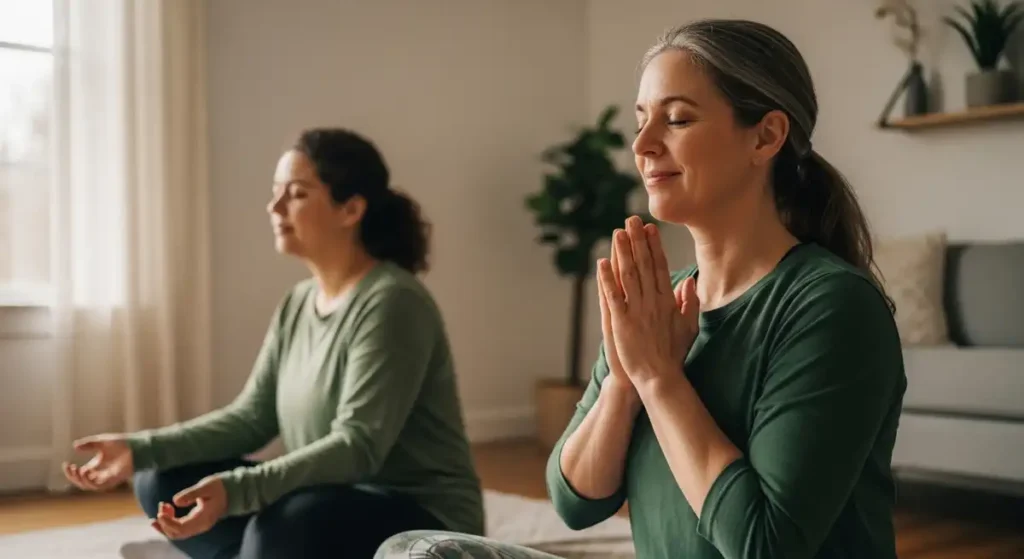
Outdoor Stress Relief refer to simple, repeatable actions done in natural or semi natural environments with mindful awareness. These rituals are not workouts or therapies but practical lifestyle habits that encourage pauses from constant stimulation. They are often used as short breaks that support attention recovery and emotional steadiness.
Lifestyle guidance frequently highlights that the value of outdoor rituals lies in regular exposure rather than intensity. Even a few minutes spent noticing light, air, or movement outdoors can support mental reset. These practices remain flexible and accessible, whether someone lives in a busy city, a shared household, or has limited access to large green spaces.
In everyday routines, outdoor rituals are often paired with existing habits such as morning preparation, lunch breaks, or evening wind down time. This approach keeps the practice realistic and sustainable. Many people notice that consistency and simplicity matter more than duration or perfection.
Nature Exposure and Mental Overload
Mental overload is commonly linked with sustained concentration, multitasking, and frequent digital interruptions. Outdoor environments offer sensory patterns that are calmer and less demanding than indoor or screen based spaces. This shift often allows the mind to rest from constant directed attention.
Attention Restoration Theory is frequently referenced to explain this experience. Natural settings tend to engage attention gently through soft fascination rather than effort. As a result, people often report clearer thinking after brief outdoor exposure, even without structured mindfulness exercises.
In daily life, stepping outside can support cognitive balance between tasks. Short outdoor pauses are commonly used by professionals and parents to regain composure between responsibilities. The focus stays on restoration rather than productivity.
Emotional Regulation Through Natural Settings
Emotional regulation involves noticing feelings without becoming overwhelmed by them. Outdoor environments are often associated with a sense of space that supports emotional settling. Natural sounds, changing light, and open views provide external reference points that reduce repetitive mental stress.
Stress Recovery Theory is often used to describe how nature exposure supports physiological calm. Studies commonly associate greenery and water views with lower heart rate and reduced stress hormone activity. These responses are described as supportive tendencies rather than guaranteed outcomes.
In practical terms, people often use outdoor rituals before or after emotionally demanding situations. Sitting quietly outside or walking slowly can support steadier responses. These practices are positioned as lifestyle supports rather than emotional interventions.
Forest Bathing as Sensory Awareness
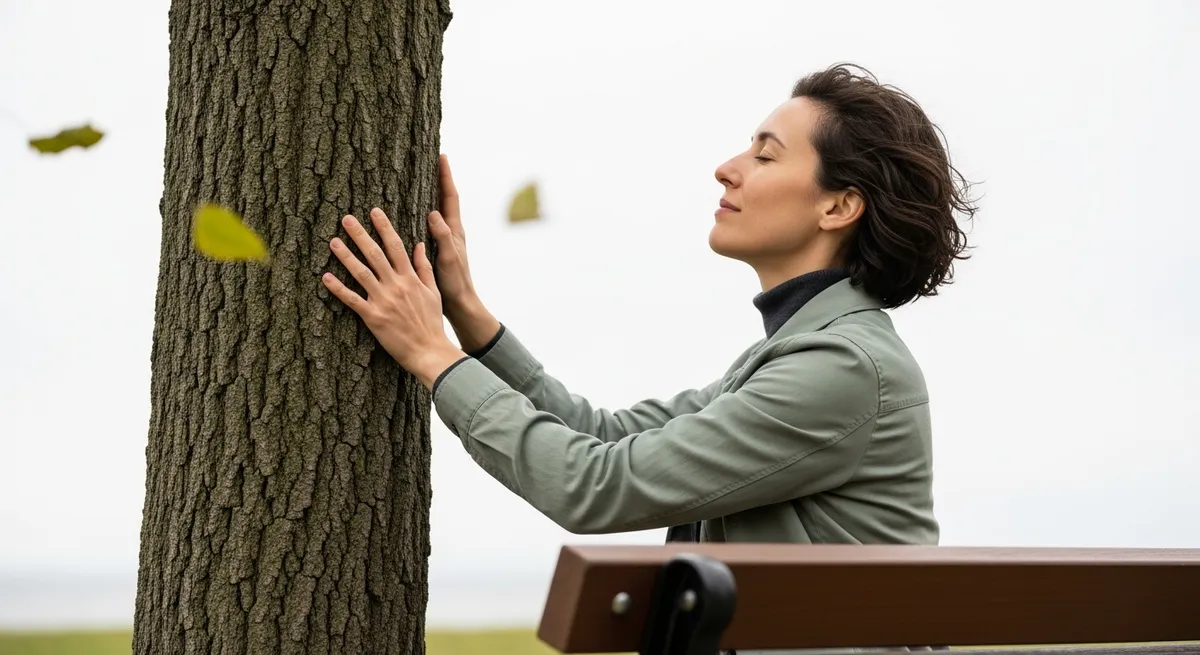
Forest bathing, also known as shinrin yoku, focuses on slow presence within wooded or green environments. The emphasis is on sensory awareness rather than distance, steps, or exertion. Attention is gently directed toward smells, textures, sounds, and light patterns.
Wellness educators often describe forest bathing as accessible and non strenuous. Even small parks or tree lined areas can offer similar sensory cues when forests are unavailable. The practice centers on slowing down and allowing awareness to settle naturally.
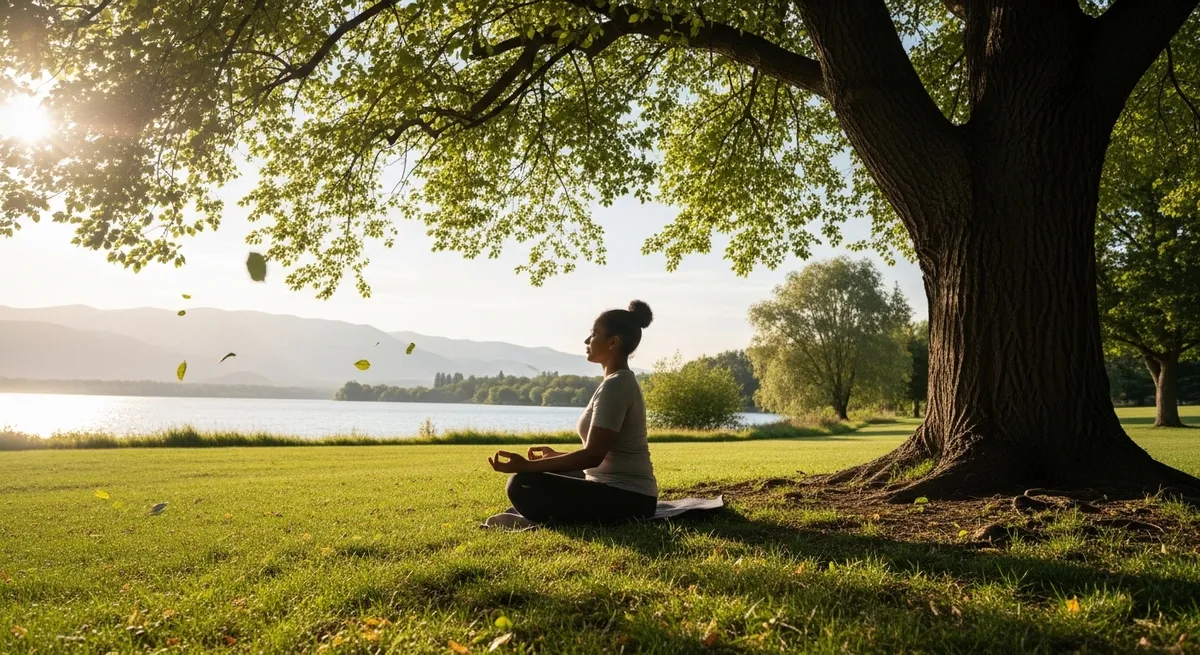
In everyday use, forest bathing is often practiced during weekends or brief breaks. People may walk slowly, sit quietly, or stand among trees. This approach is generally framed as calming lifestyle support rather than physical activity.
Grounding Practices and Physical Awareness
Grounding practices usually involve physical contact with natural surfaces such as grass, soil, or sand. The aim is to bring attention to bodily sensations and the present moment. These practices are often discussed as ways to reconnect with physical awareness during mentally demanding periods.
Many people use grounding by briefly walking barefoot or sitting with feet touching the ground. Wellness guidance encourages choosing safe, clean environments and respecting physical comfort. The practice remains optional and adaptable.
In daily routines, grounding is often paired with slow breathing or stillness. This combination supports awareness without complexity. People with physical sensitivities are generally advised to modify or avoid barefoot practices.
Sky Gazing and Visual Spaciousness
Sky gazing involves resting the eyes on open sky without focused effort. This practice is often linked with a sense of visual openness and mental relief. Shifting focus away from close range tasks allows attention to soften.
Wellness educators describe sky gazing as supportive during periods of mental pressure. Looking upward encourages slower breathing and reduced visual strain. The practice does not rely on visualization or concentration techniques.
In everyday settings, sky gazing may take place from balconies, terraces, open windows, or outdoor seating areas. Short periods are usually sufficient. This ritual is commonly used as a pause rather than a formal practice.
Mindful Walking as Gentle Movement
Mindful walking combines slow movement with awareness of steps, breath, and surroundings. Unlike fitness walking, the intention is presence rather than pace or distance. Each step is taken with attention to physical sensation and environment.
This practice is often suggested for people who find sitting still difficult. Movement provides structure while awareness stays grounded. Outdoor settings enhance the experience through sensory variation.
In daily life, mindful walking is commonly practiced during short commutes or work breaks. It requires no equipment and adapts easily to time limits. The approach supports calm without adding pressure.
Gardening and Tactile Engagement
Gardening is often discussed as a supportive lifestyle activity for emotional balance. Handling soil, plants, and tools engages the sense of touch and attention. Visible plant growth can provide a sense of continuity and care.
Wellness educators note that gardening does not require large outdoor spaces. Pots, herbs, or balcony plants offer similar engagement. The focus remains on nurturing rather than results.
In everyday routines, gardening is often used as a calming transition between tasks. Even brief watering or pruning can support mental settling. This activity is framed as gentle and grounding.
Birdwatching and Auditory Focus
Birdwatching involves observing birds or listening to their calls with quiet attention. The practice encourages focus on a single external element. This focus often reduces mental noise and supports present awareness.
Natural soundscapes, especially birdsong, are commonly linked with calm and familiarity. Wellness discussions highlight that auditory focus works even in urban environments. Visual observation is optional.
In daily contexts, birdwatching may happen from windows, balconies, or nearby parks. Short sessions fit easily into morning or evening routines. The ritual remains accessible and low effort.
Blue Spaces and Water Proximity
Blue spaces include environments near water such as rivers, lakes, or coastlines. Water movement and sound provide rhythmic sensory input that many people find settling. These environments are often associated with slower mental pacing.
Wellness research frequently notes that blue spaces support relaxation through predictable patterns. Watching waves or flowing water offers repetition without demand. This supports mental rest.
In everyday life, people may sit near water, walk along shorelines, or observe from a distance. Comfort and safety are emphasized. The practice remains observational rather than immersive.
Sunlight Exposure and Daily Rhythms
Natural sunlight plays a role in supporting daily rhythm awareness. Morning light exposure is commonly linked with alertness and mood stability. Outdoor rituals often include brief daylight exposure as part of routine structure.
Wellness guidance emphasizes moderation and timing. Short periods in natural light are usually enough. Protection is advised when sunlight is strong.
In daily life, sunlight exposure may happen during morning walks or balcony time. Integrating this habit with existing routines supports consistency.
Side by Side Social Connection Outdoors
Outdoor settings often support relaxed social interaction. Sitting or walking side by side reduces conversational pressure. This arrangement is commonly associated with easier communication.
Wellness educators note that nature provides neutral focus points that support reflection. Outdoor surroundings reduce intensity. This supports calm discussion.
In everyday contexts, side by side outdoor time may involve family walks or casual conversations. These moments support connection without formality.
Digital Pauses and Sensory Reset
Digital pauses involve stepping away from screens while outdoors. Constant digital input is often linked with mental fatigue. Outdoor rituals commonly emphasize technology free time.
Wellness discussions highlight that even brief screen breaks feel refreshing. Natural environments provide contrasting sensory input. This supports attention recovery.
In daily routines, people may schedule short outdoor breaks without devices. Clear boundaries help reduce distraction. This habit supports balance.
Mindfulness Principles in Outdoor Contexts
Mindfulness outdoors focuses on awareness rather than control. Attention is placed on sensory experience without judgment. This supports calm observation.
Wellness educators emphasize that outdoor mindfulness does not require formal meditation. Simple noticing is enough. The emphasis stays gentle.
In everyday life, mindfulness principles blend naturally with outdoor rituals. These moments support awareness during routine activities.
Parenting and Working Life Relevance
Parents and working individuals often manage time limits and emotional demands. Outdoor rituals offer brief, realistic supports. They fit into busy schedules.
Family oriented outdoor time may include shared walks or gardening. These activities support emotional steadiness. The focus stays on presence.
For professionals, outdoor rituals create transition points between roles. Short outdoor breaks support mental separation between tasks.
Integrating Outdoor Rituals Safely
Safety remains important when practicing outdoor rituals. Weather, physical limits, and environment should be considered. Adjustments support comfort.
Wellness guidance often suggests starting gently. Listening to bodily cues helps prevent strain. Practices remain optional.
Integration works best when rituals align with daily routines. Flexibility supports long term consistency.
Frequently Asked Questions
How does being outside commonly support stress awareness
Being outside is commonly associated with reduced stimulation and increased sensory awareness. Natural environments provide patterns that support calm attention. Many people use outdoor time as a pause to notice emotional states without trying to change them.
What is forest bathing used for in daily life
Forest bathing is commonly used as a slow, sensory focused outdoor experience. It supports awareness through gentle presence rather than activity. People often practice it during weekends or short breaks.
Can grounding be part of a regular routine
Grounding is often used as an occasional lifestyle practice. It involves physical awareness through contact with natural surfaces. Many people include it briefly when conditions feel comfortable.
Is sky gazing considered a mindfulness practice
Sky gazing is often described as a simple awareness exercise. It supports visual relaxation and mental openness. The practice is usually brief and informal.
How does mindful walking differ from exercise walking
Mindful walking emphasizes awareness rather than speed. Attention stays on movement and surroundings. This supports presence rather than fitness goals.
Why is gardening discussed in wellness contexts
Gardening offers tactile engagement and visible continuity. These qualities support focus and steadiness. It is often used as a calming daily activity.
What makes birdwatching calming for many people
Birdwatching supports focused attention on natural sound and movement. This focus reduces mental noise. Many people find it accessible and gentle.
How do blue spaces support emotional balance
Blue spaces provide rhythmic visual and auditory input. These patterns are often linked with relaxation. Observation alone is usually enough.
Why is morning sunlight often recommended
Morning sunlight supports awareness of daily rhythms. It helps structure the day. Short exposure is commonly considered enough.
Are outdoor rituals suitable for busy schedules
Outdoor rituals are often brief and flexible. They fit into short breaks or transitions. Consistency matters more than duration.
Conclusion
Outdoor rituals that relieve stress instantly are best understood as gentle lifestyle supports rather than solutions. They offer simple ways to pause and reconnect with natural rhythms during demanding days. Practiced calmly and consistently, they support attention balance and emotional steadiness without pressure.
Medical Disclaimer
This content is for informational purposes only and does not constitute medical advice. It is not intended to diagnose, treat, cure, or prevent any disease. Consult a qualified healthcare provider before starting any new health or lifestyle practice, especially if you have existing medical conditions.