
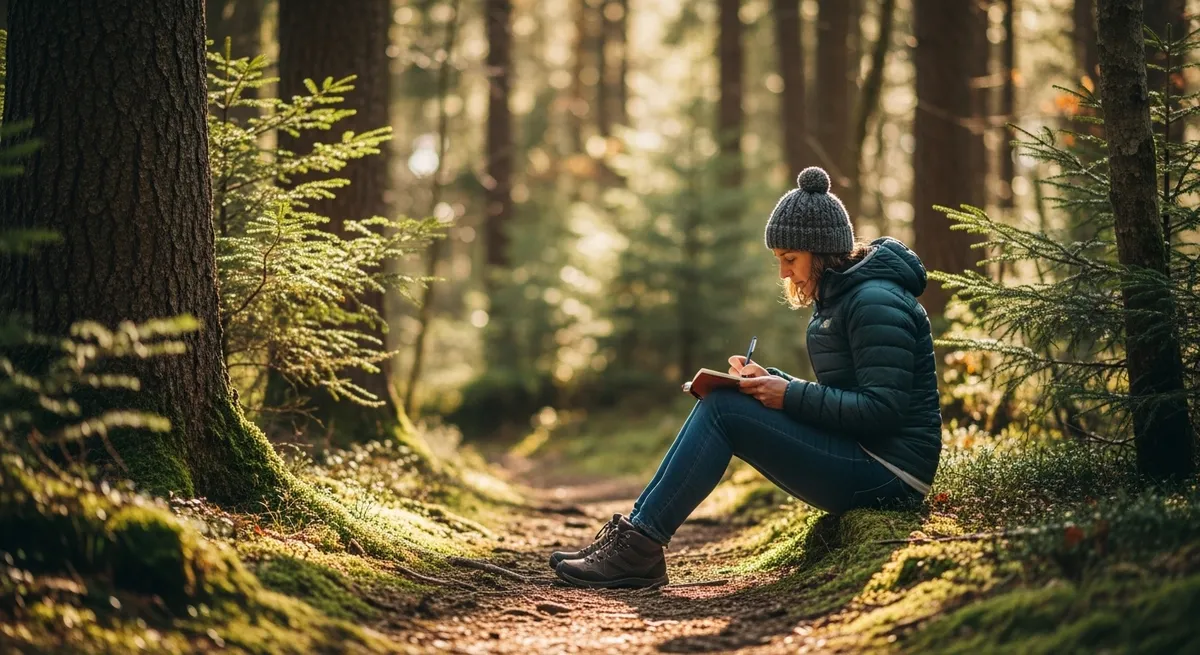
Nature journaling has quietly reemerged as a practical lifestyle habit for people who spend time outdoors but still feel mentally scattered. Many people step outside yet remain absorbed in tasks, notifications, or internal stress. Writing alongside observation offers a grounded way to slow attention, support mindfulness habits, and rebuild a steady sense of connection with nearby natural spaces.
Nature journaling fits easily into modern routines because it requires minimal tools and no artistic background. The practice adapts well for parents, caregivers, and working adults with limited free time. When approached as simple documentation rather than creative performance, it supports awareness, patience, and realistic engagement with everyday environments.
Understanding Nature Journaling as a Lifestyle Practice
Nature journaling refers to the intentional recording of outdoor observations through written notes, simple sketches, and sensory descriptions. It blends mindfulness, informal learning, and reflective writing without clinical or therapeutic framing. Many wellness educators describe it as a lifestyle support practice that encourages attention, curiosity, and familiarity with local surroundings.
The focus of nature journaling is noticing rather than producing something polished. Entries may include weather details, textures, sounds, movement, or brief reflections linked to observation. Over time, these records help people recognize seasonal patterns and develop steadier awareness during ordinary outdoor moments.
Nature journaling is commonly practiced in short sessions lasting ten to twenty minutes. It fits naturally into walks, park visits, school activities, or quiet moments after work. Because it adapts to daily life rather than requiring long retreats, it remains accessible across ages, schedules, and physical abilities.
Why Nature Journaling Matters in Modern Daily Life
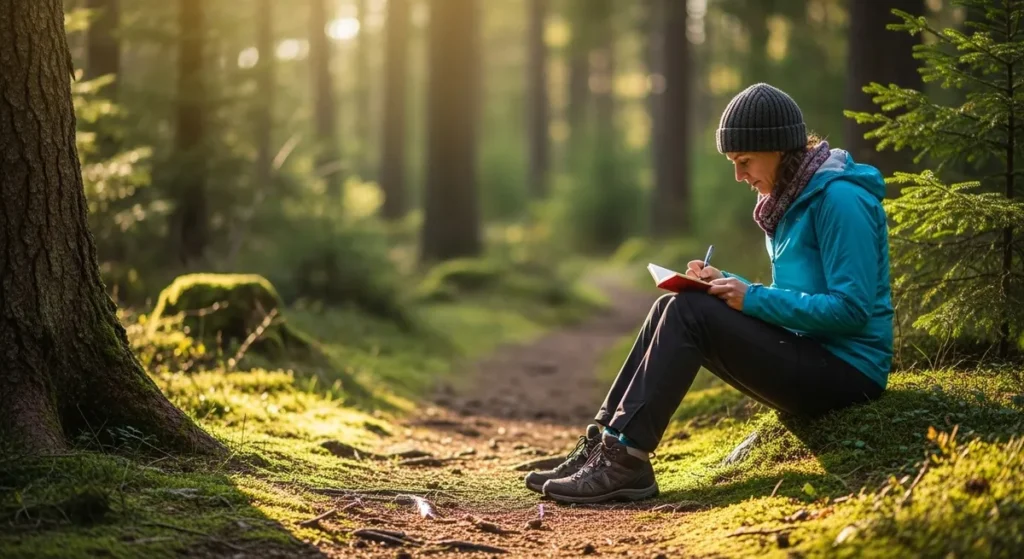
Modern routines often reduce opportunities for sustained outdoor attention, even when people technically spend time outside. Constant digital input can fragment awareness and shorten attention spans. Nature journaling gently counters this pattern by encouraging slower noticing and extended focus on immediate surroundings.
Lifestyle and education writers often note that attention feels restored when people interact with nature in intentional ways. Writing while observing helps anchor awareness and limits mental drifting toward unfinished tasks. This makes outdoor time feel complete and personally meaningful rather than rushed or forgettable.
For children and adolescents, nature journaling supports place based learning without pressure. For adults, it offers a structured pause that fits into busy schedules. Across age groups, the practice builds familiarity with local landscapes and encourages a sense of belonging rooted in real environments.
Nature Journaling and Mindfulness Principles
Nature journaling aligns with mindfulness principles by emphasizing present moment awareness without judgment. Writers are encouraged to describe what they see, hear, or feel without rushing to label or evaluate. This mirrors mindfulness approaches that prioritize noticing over analysis or self correction.
Unlike formal meditation, nature journaling provides a physical anchor for attention. The act of writing creates a steady rhythm that supports focus for people who find silent sitting difficult. This makes the practice approachable for beginners and individuals managing busy households or demanding workdays.
Mindfulness educators often describe these practices as supportive rather than corrective. Nature journaling does not aim to change thoughts or emotions but to observe experience as it unfolds. Over time, many people report greater patience and clarity during everyday outdoor activities.
You may also interested in:
Journaling Prompts for Emotional Healing as a Supportive Lifestyle Practice
Vision Journaling: Designing the Life You Want
Morning Pages Writing: How 10 Minutes of Writing Transforms Your Day
Emotional Wellbeing and Stress Awareness
Time spent in green environments is commonly associated with reduced mental fatigue. When writing is added, people often become more aware of their emotional state without trying to manage or fix it. This awareness supports emotional literacy in a calm, non clinical way.
Nature journaling is often used as a grounding routine during periods of heightened stress. Focusing on sensory details such as leaf textures or bird movement helps shift attention away from abstract worries. This does not treat stress but supports steadier engagement with the present environment.
For working parents and caregivers, the practice offers a brief pause that feels restorative rather than demanding. Short journaling sessions can happen during school drop offs, lunch breaks, or evening walks. This flexibility makes it a realistic addition to daily life rather than another obligation.
Cognitive and Learning Benefits of Nature Journaling

Writing observations supports learning by translating experience into language. Educational research shows that descriptive writing strengthens memory and comprehension. Nature journaling applies this principle informally, allowing people to learn through repeated noticing rather than memorization.
When individuals describe patterns, shapes, and behaviors, they engage analytical thinking naturally. This builds observation skills used in science education and creative writing alike. Over time, journaling helps people recognize connections within ecosystems without requiring formal instruction.
For students, nature journaling supports literacy development alongside environmental awareness. For adults, it encourages lifelong learning grounded in direct experience. The practice supports curiosity without pressure to master facts or classifications.
Practical Tools That Support Consistent Practice
Nature journaling requires minimal tools, yet thoughtful choices reduce frustration. Many practitioners prefer small notebooks that fit easily into bags or pockets. Waterproof or weather resistant paper helps preserve entries during rain, humidity, or outdoor movement.
Pencils and pressurized pens are often recommended because they write reliably on treated paper. Water based inks tend to smear outdoors and interrupt flow. Keeping tools simple supports consistency and reduces the feeling that preparation is required before going outside.
Accessibility matters for sustained practice. A basic notebook and pencil are enough for most environments. When tools feel manageable, journaling becomes a spontaneous habit rather than a planned activity requiring ideal conditions.
Observation Methods That Build Confidence
Structured observation methods help beginners focus attention without feeling overwhelmed. One commonly used framework encourages noticing sensory facts, wondering about patterns, and making personal associations. This approach emphasizes curiosity over correctness.
By separating observation from identification, people feel free to record what they see without fear of mistakes. This supports confidence and sustained engagement. Over time, familiarity with local plants and animals develops naturally through repeated exposure.
Educators often use these methods to support inquiry based learning. For adults, the same structure provides gentle guidance that keeps journaling focused yet flexible. The goal remains engagement rather than expertise.
Drawing Without Artistic Pressure
Many people hesitate to begin nature journaling because they believe drawing is required. In practice, simple shapes, diagrams, and labels communicate information clearly. Journaling values clarity and observation over artistic detail.
Viewing objects as combinations of lines and shapes reduces intimidation. Arrows and written notes support sketches and convey meaning. Focusing on one small detail rather than an entire scene also builds confidence and reduces pressure.
Nature journaling welcomes varied expression styles. Some entries contain mostly text, others include diagrams or color notes. This flexibility allows people to adapt the practice to personal comfort and available time.
Deepening Attention Through Stillness
Stillness enhances observation by allowing subtle details to emerge. Sitting quietly for several minutes before writing helps the environment reveal sounds and movement. This approach aligns with mindfulness principles while remaining outwardly focused.
Many people find that stillness improves the quality of their notes. Writing becomes more descriptive and less rushed. The practice supports patience and attentiveness without requiring formal meditation training.
Stillness sessions can remain brief. Even five minutes of quiet presence before writing can shift perception. This makes the technique accessible during short outdoor breaks.
Tracking Seasonal Change Through Phenology
Phenology refers to observing seasonal changes in plants and animals. Nature journaling supports this by creating a personal record of repeated observations. Over time, people notice patterns such as leaf emergence, flowering, or bird migration.
Tracking these changes builds ecological understanding grounded in lived experience. It encourages awareness of time and place rather than abstract calendars. This supports a deeper relationship with local environments.
Phenology journaling does not require scientific measurement. Simple notes about dates and observations are enough. The practice builds patience and respect for natural rhythms within daily life.
Creative Writing as Supportive Expression
Creative prompts add variety and enjoyment to nature journaling. Writing sensory descriptions or imaginative narratives encourages deeper engagement with observation. These exercises support language development and creative thinking without evaluative pressure.
Nature inspired writing often focuses on description rather than interpretation. This keeps the practice grounded and accessible. Over time, creative entries strengthen attentiveness and emotional awareness without therapeutic framing.
For families, creative journaling activities support shared outdoor time. Children and adults can participate together without competition. This encourages connection through collaborative observation and storytelling.
Historical Perspectives on Nature Journaling
Historical naturalists often relied on field notes to document observations. Their journals combined description, reflection, and sketching. These records later informed broader writing and conservation efforts.
Writers such as John Muir used journaling as a foundation for understanding landscapes. His notes captured sensory details that shaped his public advocacy. Journaling supported attentiveness rather than serving as an end goal.
Modern practitioners draw inspiration from this tradition without copying it. Contemporary nature journaling remains informal and personal. Its value lies in attention and connection rather than publication or legacy.
Nature Journaling and Environmental Stewardship
Familiarity often leads to care. When people repeatedly observe a place, they become aware of its changes and vulnerabilities. Nature journaling supports this process by encouraging regular attention.
Stewardship grows from understanding rather than instruction. Journaling helps people recognize the complexity of ecosystems. This awareness supports respectful interaction with natural spaces.
Community sharing of journal entries can support environmental education. Private practice remains equally valuable. Both approaches emphasize relationship with place rather than activism.
Relevance for Parents and Working Adults
Parents and caregivers often struggle to find uninterrupted wellness time. Nature journaling adapts to shared routines and short outdoor moments. Children can observe alongside adults without structured lessons.
Working professionals benefit because the practice fits into brief breaks. Journaling during lunch walks or commutes supports transitions between roles. This helps maintain balance without adding pressure.
The practice respects limited energy. Short sessions remain effective. Consistency matters more than duration.
Everyday Integration Without Pressure
Nature journaling works best when expectations remain realistic. Missed days or brief entries do not undermine the practice. Flexibility supports long term use.
Choosing familiar locations reduces barriers. Backyards, sidewalks, and local parks offer enough material. This reinforces connection with everyday environments.
Over time, journaling becomes a supportive habit rather than a task. The practice adapts to changing schedules and life stages.
Expanded FAQ Section
Nature journaling content and format explained
Nature journaling usually includes observations, sensory descriptions, and short reflections about outdoor experiences. Many people record weather, textures, sounds, and patterns rather than polished writing. Keeping entries simple supports consistency and helps journaling fit easily into everyday routines.
Importance of nature journaling for students
Nature journaling supports learning by linking observation with writing. It encourages curiosity, vocabulary growth, and attention without testing pressure. Educators often use it as a supportive tool that builds environmental awareness and literacy through direct experience.
Beginning nature journaling without drawing skills
Nature journaling does not require drawing skills to be useful. Written descriptions, diagrams, and labels communicate observations clearly. Many beginners focus only on words at first, allowing confidence to develop before adding simple sketches.
Supplies commonly used for nature journaling
Basic supplies include a small notebook and a pencil. Some people prefer weather resistant paper for outdoor reliability. Keeping supplies minimal supports spontaneity and makes consistent practice easier across seasons.
Nature journaling and anxiety support framing
Nature journaling is often used as a grounding lifestyle practice. It supports attention and awareness during outdoor time without addressing mental health conditions. Many people find sensory focus calming, though experiences vary and professional care remains important.
Frequency recommendations for journaling
Nature journaling is commonly practiced two or three times per week in short sessions. Consistency matters more than length. Adapting the routine to energy levels supports sustainability and prevents the practice from becoming burdensome.
Observation frameworks used in journaling
Observation frameworks guide attention by separating noticing from interpretation. These methods emphasize curiosity and sensory awareness. They help beginners focus without needing identification skills or scientific background.
Difference between journals and field notebooks
Nature journals emphasize personal observation and reflection. Field notebooks often focus on data collection and accuracy. Journals welcome subjective impressions, while notebooks prioritize structured recording.
Improvement of observation skills through journaling
Writing observations slows perception and encourages detail. Over time, people notice patterns and changes more easily. This supports learning and attentiveness without formal training.
Historical views on journaling in nature
Historical naturalists used journaling to deepen attention to landscapes. Their notes supported understanding and communication. Modern practice draws inspiration from this approach while remaining informal and personal.
Conclusion
Nature journaling offers a steady, realistic way to deepen outdoor connection through writing and observation. The practice supports mindfulness, learning, and emotional awareness without claims beyond everyday lifestyle benefits. When integrated gently into daily routines, nature journaling encourages attention, patience, and familiarity with the environments people move through each day.
Medical Disclaimer
This content is for informational purposes only and does not constitute medical advice. It does not diagnose, treat, cure, or prevent any disease. Consult a qualified healthcare provider before starting any new wellness practice, especially if you have existing medical conditions.
Related Reading
- Journaling Prompts for Overwhelmed Moms: Regain Clarity
- Evening Rituals for Couples to Connect Deeply
- How to Bring Nature Indoors for Wellness: A Guide to Transform Your Home Wellness in 2026
Attention outward is a different mode from attention inward, and both have their place. 45 Journal Prompts That Work covers the inward one, including what to do with whatever comes out.