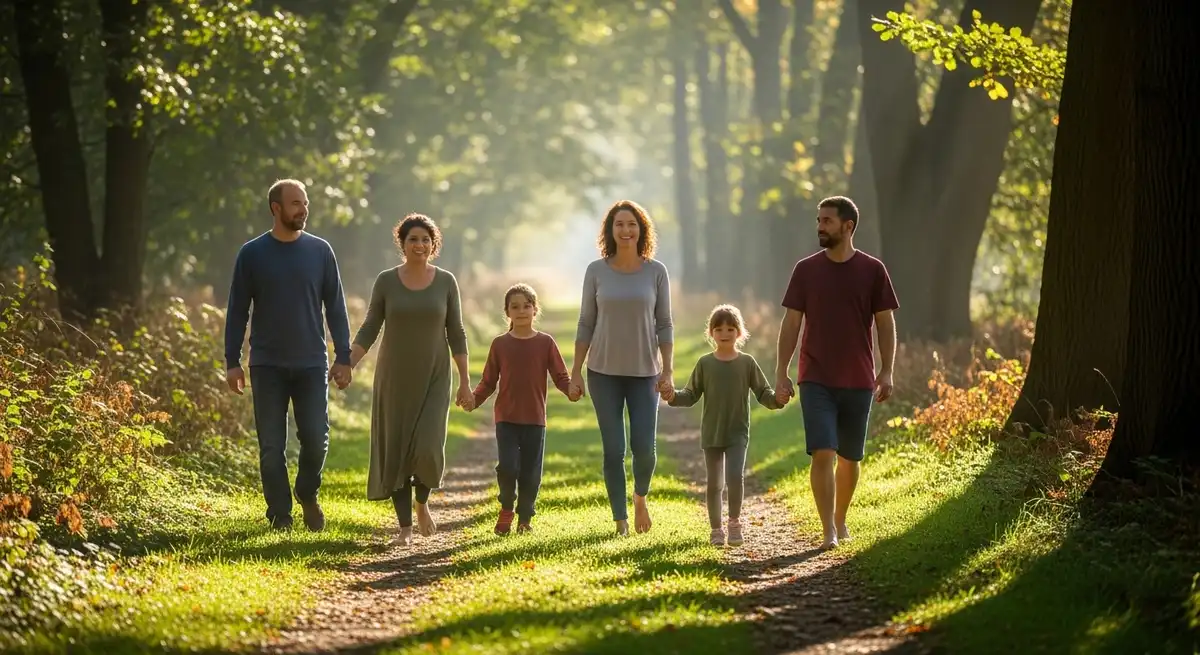
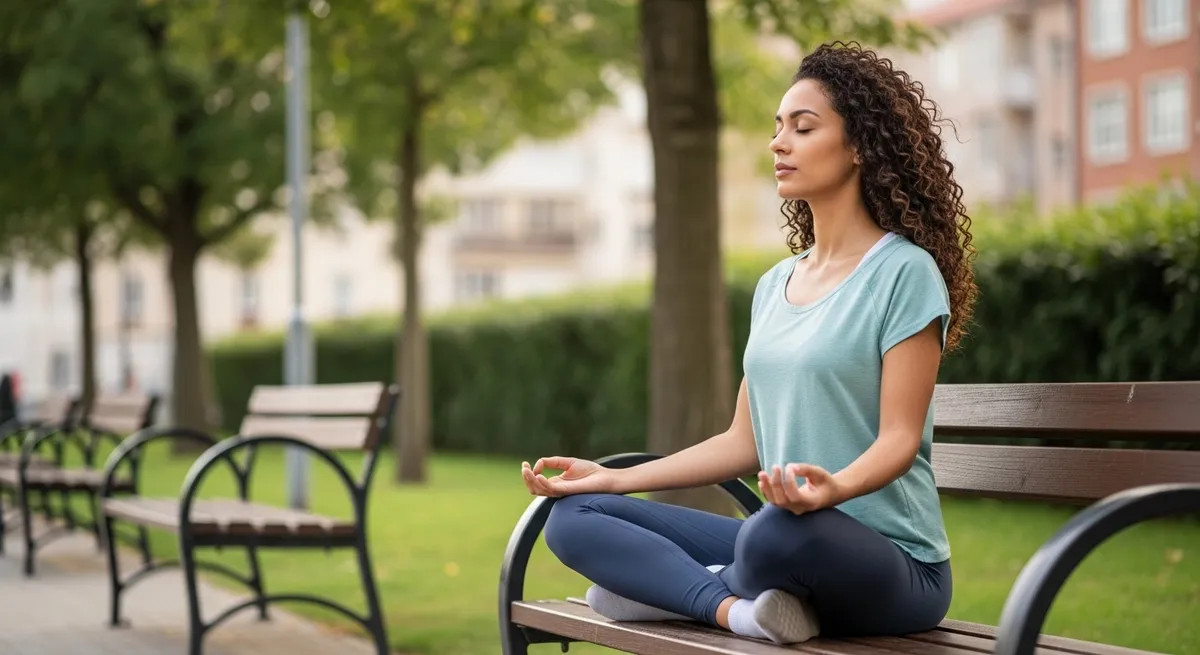
Outdoor meditation practices you can try anywhere offer a grounded, realistic way to include mindfulness within everyday life without needing silence, special tools, or controlled environments. Many people experience mental fatigue from long hours indoors, constant notifications, and layered responsibilities that make formal meditation feel inaccessible. Practicing awareness outdoors reframes ordinary surroundings into supportive spaces for attention, steady observation, and emotional balance.
Wellness educators often note that outdoor settings reduce pressure around doing meditation “right.” Natural movement, light, sound, and texture provide neutral reference points that support attention without force. These practices are generally used as lifestyle support tools that sit alongside daily routines, not as therapeutic programs or performance-based techniques.
This page explains outdoor meditation practices in a careful, realistic way, with emphasis on safety, accessibility, and consistency. The focus stays on how everyday environments can support awareness through simple habits. All explanations remain educational and non-clinical, aligned with public wellness standards and responsible editorial guidance.
Outdoor Meditation Practices: Understanding Outdoor Meditation as a Lifestyle Practice
Outdoor meditation practices you can try anywhere refer to mindfulness approaches carried out in open or semi-natural environments such as parks, streets, balconies, gardens, or shared courtyards. The focus is on attention and observation rather than achieving silence, emotional change, or altered states. These practices are commonly used to support focus, routine stability, and moment-to-moment awareness within everyday life.
Unlike structured indoor meditation, outdoor practices adapt to changing conditions instead of trying to control them. Environmental elements like wind, temperature shifts, background noise, and light variations are noticed rather than removed. This adaptability helps many people maintain regular practice without frustration when conditions are less than ideal.
Lifestyle guidance generally suggests keeping outdoor meditation brief and uncomplicated. Short, repeated sessions often feel more sustainable than longer practices attempted occasionally. Over time, this approach supports familiarity with awareness itself rather than effort, technique, or outcomes.
Why Natural Environments Support Attention and Awareness

Natural environments are often associated with lower mental strain because they offer what researchers describe as soft fascination. Visual patterns such as leaves moving, clouds drifting, or water flowing gently hold attention without demanding problem-solving or decision-making. This quality allows the brain to rest while remaining engaged.
Public health research has linked time spent in green or open spaces with improved attentional recovery after mentally demanding tasks. These findings describe associations rather than guarantees, but they help explain why outdoor mindfulness feels approachable for many people. The environment shares part of the attentional work.
In daily routines, this means meditation does not rely only on internal control. Awareness is supported externally by neutral sensory input. This balance can reduce resistance for beginners and for working adults who feel mentally exhausted before practice begins.
You may also interested in:
The Ultimate Morning Routine Checklist for Working Moms: Reclaim Your Peace 2026
Morning Bed-Making Habits and Personality: Science-Backed Daily Success Signals
Morning Pages Writing: How 10 Minutes of Writing Transforms Your Day
Mindful Walking as an Accessible Outdoor Practice
Mindful walking is one of the most widely used outdoor meditation practices you can try anywhere. It involves walking with awareness of physical sensations such as foot contact, posture, breathing rhythm, and balance. This approach blends movement with attention, making it accessible for people who find seated practices uncomfortable.
Many people use mindful walking during short breaks, errands, or daily commutes. The practice does not require changing destinations or walking unusually slowly. Attention simply shifts from mental planning toward present physical experience, which supports steadiness during busy days.
From a safety perspective, mindful walking emphasizes awareness of surroundings. Practitioners remain attentive to traffic, uneven surfaces, and other people. The practice supports alert presence rather than inward absorption, maintaining balance between mindfulness and everyday responsibility.
Pace and Structure in Walking Meditation
Walking meditation is often practiced at a slightly slower pace than usual, though exact speed varies between individuals. Slowing down allows attention to register subtle sensations without strain or effort. The adjustment is modest, ensuring the practice remains realistic in public or shared spaces.
Some people use step counting or breath coordination as gentle anchors. For example, noticing several steps during each inhale and exhale can support rhythmic awareness. These techniques are optional and flexible rather than fixed requirements.
Consistency matters more than structure in this context. Short walks practiced regularly often feel more supportive than occasional long sessions. This principle aligns with habit research emphasizing repetition over intensity.
Sensory Awareness While Walking Outdoors

Sensory awareness deepens mindful walking by widening attention beyond movement alone. Practitioners often rotate attention among sound, sight, and bodily sensation without judging experiences as pleasant or unpleasant. This neutral noticing supports present-moment engagement.
Outdoor environments naturally provide varied sensory input. Bird calls, distant traffic, shifting light, or changes in temperature become part of the practice rather than interruptions. This reframing reduces the urge to control surroundings.
Many people find sensory awareness helpful during mentally busy days. Attention remains anchored in immediate experience, which can feel steadying without requiring emotional analysis or reflection.
Forest Bathing as a Supportive Practice
Forest bathing, also known as shinrin-yoku, developed as a public wellness concept encouraging slow, mindful presence in wooded environments. The practice emphasizes sensory immersion rather than physical exertion or destination-focused walking. It is commonly used as a relaxation-oriented lifestyle activity.
Research institutions studying forest bathing often describe associations with lower stress markers and improved mood indicators. These findings reflect correlation rather than guaranteed outcomes. Forest bathing remains a complementary wellness habit, not a medical intervention.
The practice is usually unstructured. Participants move slowly, pause often, and engage senses deliberately. This gentle approach supports accessibility for people of varied ages, fitness levels, and experience.
Adapting Forest Bathing to Urban Settings
Outdoor meditation practices you can try anywhere include urban adaptations of forest bathing. Dense forests are not required for sensory engagement. Parks, community gardens, balconies with plants, or tree-lined streets can support similar awareness.
Urban forest bathing focuses on noticing greenery, texture, shade, and natural sounds within built environments. Even brief exposure to plants or open sky contributes to environmental awareness. The emphasis remains on observation rather than escape.
This flexibility supports inclusion for people living in cities or shared housing. It reinforces the idea that mindfulness depends on attention, not ideal surroundings.
Grounding Practices and Physical Awareness
Grounding practices involve directing attention to physical contact with surfaces such as grass, soil, pavement, or flooring. These practices are often used to support body awareness and present-moment focus. They are considered lifestyle tools rather than therapeutic techniques.
Some people practice grounding by standing barefoot on safe natural surfaces. Others keep shoes on and focus on pressure, balance, and weight distribution. Both approaches emphasize awareness rather than physical change.
Safety remains important. People with foot sensitivity or medical concerns often adapt grounding practices carefully. Awareness-based grounding stays flexible and non-invasive.
Root Visualization as a Grounding Technique
Root visualization is a mental imagery practice sometimes included in grounding routines. It involves imagining stability and connection through symbolic imagery rather than relying only on physical sensation. This technique supports attentional steadiness through imagination.
Wellness educators often describe root visualization as useful during moments of restlessness or distraction. The imagery provides a simple anchor without emotional interpretation. Comfort with visualization varies between individuals.
The practice is typically brief and optional. It complements physical grounding or standing meditation rather than replacing them. As with all mindfulness approaches, responses differ.
Sky Awareness and Open Attention Practices
Sky awareness practices direct attention toward open visual space rather than internal sensations. Inspired by contemplative traditions, this approach emphasizes spacious awareness instead of concentration. Sessions are usually brief to avoid eye strain.
Practitioners gaze softly without fixing on specific objects. Thoughts are noticed without engagement, similar to watching clouds pass. This metaphor supports non-reactive awareness without philosophical framing.
Sky awareness adapts easily to balconies, windows, or outdoor seating. The practice remains observational and non-spiritual in presentation, suitable for general wellness contexts.
Sunlight Awareness and Daily Rhythm
Sunlight awareness practices involve noticing natural light and warmth without direct gazing. These practices are often associated with daily rhythm awareness rather than meditation outcomes. Daylight exposure supports routine regularity.
People commonly practice sunlight awareness during morning or late afternoon hours. Attention stays with sensation and environment rather than emotional change. This supports consistency without pressure.
Safety is central. Direct sun staring is avoided, and individuals with light sensitivity adapt accordingly. Awareness practices emphasize comfort and moderation.
Using Sound as an Outdoor Meditation Anchor
Sound awareness is a practical outdoor meditation approach that reframes noise as part of awareness. Instead of resisting sound, practitioners notice it neutrally. This supports attentional flexibility.
Outdoor environments contain layered sounds. Voices, traffic, wind, or birds become reference points. The practice involves acknowledging sound presence without analysis.
Many people find sound awareness helpful in busy areas. It allows meditation without waiting for silence, supporting regular practice in real-world settings.
Designing Personal Outdoor Meditation Spaces
Some individuals create simple outdoor spaces to support regular practice. These may include a chair, mat, or small garden corner. Design emphasizes comfort and simplicity rather than appearance.
Zen design principles often highlight balance, natural materials, and minimal elements. These features support calm observation without overload. Maintenance activities themselves can be practiced mindfully.
Dedicated spaces are optional. Outdoor meditation practices you can try anywhere do not depend on setup. Adaptability remains central.
Overcoming Common Outdoor Practice Challenges
Weather variability is a frequent challenge in outdoor meditation. Rather than avoiding discomfort entirely, practitioners adjust duration, clothing, and posture. Mild wind or temperature changes become part of awareness.
Noise is another common concern. Short sessions with gradual exposure help build attentional tolerance. The practice focuses on returning to awareness, not eliminating disturbance.
Digital distraction also affects outdoor mindfulness. Many people silence notifications during practice periods. This boundary supports presence without strict rules.
Outdoor Mindfulness for Parents and Working Adults
Parents and working adults often have limited uninterrupted time. Outdoor meditation practices you can try anywhere fit easily into family routines and work breaks. Short practices integrate into daily transitions.
Mindful walking with children, quiet sitting during outdoor play, or brief balcony awareness moments offer realistic options. These practices do not require isolation. They support presence within shared spaces.
Lifestyle guidance emphasizes self-compassion rather than rigid adherence. Interruptions are treated as neutral. This perspective supports sustainable practice amid changing demands.
Consistency and Habit Formation in Outdoor Meditation
Consistency is central to lifestyle mindfulness. Outdoor meditation practices you can try anywhere reduce barriers to regular engagement. Familiar environments lower initiation effort.
Habit research suggests pairing practices with existing routines. Outdoor meditation may follow morning tea, evening walks, or lunch breaks. This pairing supports repetition over motivation.
Benefits are often gradual and subtle. The practice emphasizes relationship with awareness rather than tracking outcomes.
Ethical and Safety Considerations
All outdoor meditation practices described here are educational and informational. They are not presented as treatments or cures for medical or psychological conditions. Persistent distress should be addressed with qualified professionals.
Physical safety remains a priority. Awareness practices do not replace situational alertness. Practitioners stay attentive to surroundings, weather, and personal limits.
This content aligns with responsible wellness communication standards. Language remains neutral, inclusive, and non-prescriptive throughout.
Frequently Asked Questions
What is the best way to meditate outside
The best way to meditate outside involves choosing a simple awareness anchor such as walking, sound, or breathing. Outdoor environments support attention naturally without requiring silence. Short, consistent practice periods are commonly recommended within lifestyle guidance.
Can outdoor meditation be practiced in public spaces
Outdoor meditation can be practiced in public spaces by keeping awareness outward and grounded. Practices such as walking or sound awareness integrate well in shared environments. Privacy is not required when attention remains flexible.
How does nature support mindfulness practices
Nature supports mindfulness by offering neutral sensory input that gently holds attention. Visual and auditory patterns reduce mental effort compared to artificial settings. This explains why outdoor practices feel accessible for many people.
Is outdoor meditation suitable for beginners
Outdoor meditation is often suitable for beginners because it reduces pressure to control thoughts. Environmental cues assist attention naturally. Simple practices help build familiarity before structured techniques.
How long should outdoor meditation sessions last
Outdoor meditation sessions are often brief, ranging from five to fifteen minutes. Consistency is emphasized over duration. Short practices fit more easily into daily routines.
Is outdoor meditation better than indoor meditation
Outdoor meditation is not universally better than indoor practice. Each offers different support depending on context and preference. Many people combine both approaches.
How can distraction be managed outdoors
Distraction outdoors is managed by including environmental stimuli within awareness. Sounds and movement are acknowledged rather than resisted. This builds attentional flexibility over time.
Are grounding practices safe for everyone
Grounding practices are generally gentle but require individual adaptation. People with sensitivities modify practices carefully. Awareness-based grounding remains optional.
Can outdoor meditation support emotional balance
Outdoor meditation is commonly associated with emotional steadiness through awareness. It supports presence rather than emotional change. Experiences vary between individuals.
Do outdoor meditation practices require special training
Outdoor meditation practices do not require formal training. Basic awareness and consistency are sufficient. Guidance emphasizes accessibility rather than expertise.
Conclusion
Outdoor meditation practices you can try anywhere provide a realistic, adaptable way to include mindfulness within daily life. By using natural environments as supportive contexts, these practices reduce barriers to consistency and pressure. When approached as lifestyle habits rather than outcome-driven techniques, outdoor meditation supports steady awareness within everyday rhythms.
Medical Disclaimer
This content is for informational purposes only and does not constitute medical or mental health advice. It does not diagnose, treat, cure, or prevent any condition. Consult a qualified healthcare provider before starting any new wellness practice, especially if you have existing health concerns.
Related Reading
- Evening Mindfulness Practices for Better Sleep
- Outdoor Workouts That Feel Like Play as a Sustainable Lifestyle Practice
- How to Create a 15 Minute Me Time Ritual, Calm and Realistic option that fits into Real Life.
Anything that gets you outside and off a screen is doing two jobs at once. How to Do a Digital Detox has the setup changes that make the second one automatic.