Modern life is rarely quiet, and most people notice how background noise shapes sleep, focus, and mood across the day. Homes, streets, and digital spaces carry constant sound that can feel tiring without being obvious. White noise vs nature sounds has become a practical lifestyle topic because sound choices quietly shape comfort, routine stability, and emotional tone.
Many people turn to sound tools without clear guidance, often relying on habit or convenience. White noise and nature sounds work in different ways, and neither is a cure or treatment. Understanding how each is commonly used helps people make safer, more realistic choices that fit work, parenting, rest, and shared living environments.
This guide explains white noise vs. nature sounds in clear, grounded language. It focuses on everyday use, current research context, and realistic expectations. The goal is to support informed decisions that respect individual differences and avoid exaggerated wellbeing claims.
White noise vs nature sounds: Understanding White Noise as an Everyday Sound Tool
White noise refers to sound that includes all audible frequencies played at equal strength, creating a steady and uniform auditory backdrop. People often compare it to a fan, static, or continuous airflow. In daily life, white noise is used to soften the contrast between silence and sudden sounds that might otherwise feel jarring.
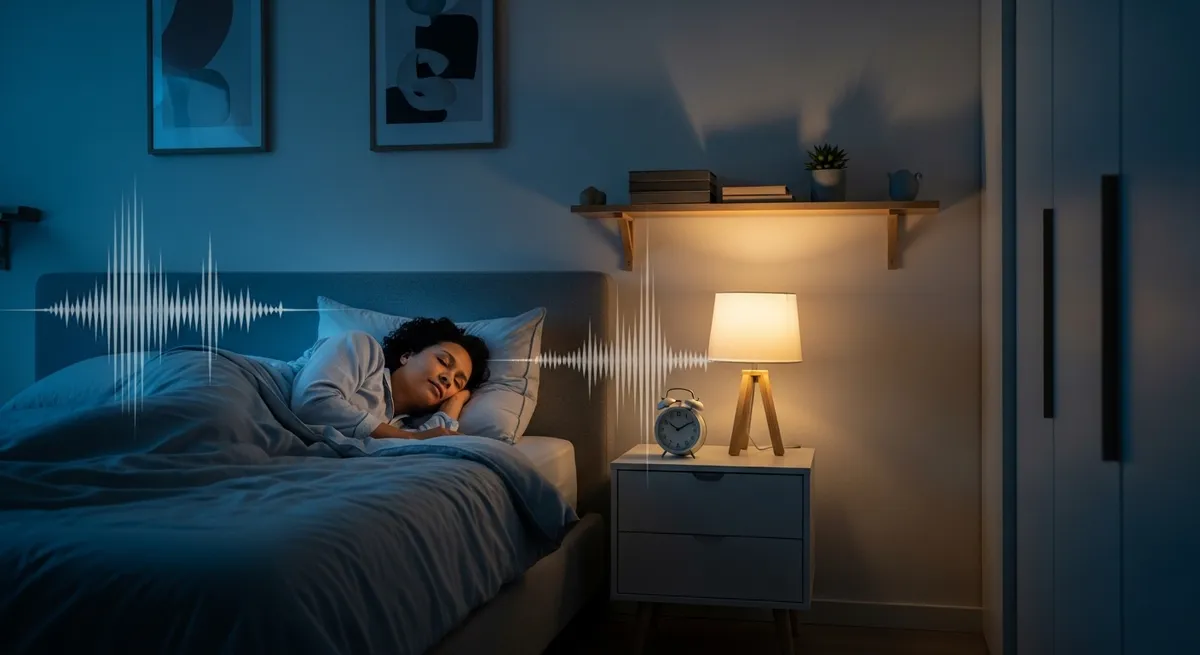
This sound does not remove other noises but blends with them. Sudden sounds such as traffic, voices, or doors closing become less noticeable because they no longer stand out sharply. Many people use white noise to make environments feel more predictable, especially where complete quiet is unrealistic.
White noise is usually used at moderate volume and for specific periods. Wellness educators often describe it as an environmental aid rather than something meant to run constantly. Used thoughtfully, it supports comfort without drawing attention or creating emotional stimulation.
How White Noise Is Commonly Used in Daily Routines
In homes, white noise is often part of nighttime routines where outside or household sounds are unpredictable. People living near roads, shared buildings, or busy neighborhoods use it to reduce sleep interruptions. Parents also use white noise to mask everyday household sounds during infant naps or bedtime.
In work settings, white noise may support concentration during structured or repetitive tasks. Offices and home workspaces sometimes use it to reduce awareness of nearby conversations or movement. The sound creates a neutral background that feels steady rather than calming or energizing.
White noise is also popular during travel or temporary stays. Hotels, hospitals, and dormitories often come with unfamiliar sounds. In these situations, white noise provides continuity that makes new spaces feel less disruptive, helping routines feel more familiar.
Nature Sounds and Their Role in Lifestyle Comfort
Nature sounds include audio such as rainfall, flowing water, wind, birds, and ocean waves. These sounds follow natural patterns rather than remaining uniform. People often choose them because they feel familiar and gentle rather than because they fully block other noise.
Many listeners associate nature sounds with outdoor settings and slower pace. This association can create a sense of ease without demanding attention. Unlike white noise, nature sounds change subtly over time, which many people find comforting instead of distracting.
Nature sounds are commonly used during evenings, rest periods, or transitions between activities. They appear in wellness spaces, bedtime routines, and quiet moments during the day. Their role is supportive, not corrective or therapeutic.
Biophilic Sound and Everyday Wellbeing
Biophilic sound refers to audio that reflects natural environments humans have historically lived alongside. Wellness educators note that people often respond positively to these sounds because they feel non-threatening and familiar. This response is psychological and environmental rather than medical.
In everyday routines, biophilic sounds help soften overstimulating spaces. Apartments with traffic noise or offices with artificial lighting can feel calmer with gentle natural audio. The sound becomes part of the atmosphere rather than the main focus.
Biophilic sound is often paired with simple lifestyle adjustments, such as warmer lighting or reduced screen use. Together, these elements help create environments that support rest or steady activity without making promises about outcomes.
White Noise and Attention in Everyday Tasks
White noise is sometimes linked with improved focus for certain people, particularly during structured or repetitive work. Research discussions often mention stochastic resonance, which describes how low-level noise may enhance signal detection in some nervous systems. In simple terms, added noise can sometimes help attention feel steadier.
In daily life, white noise is often chosen for tasks that require consistency rather than creativity. Administrative work, studying factual material, or completing routine tasks may feel easier with a steady sound background. The benefit comes from reducing sudden distractions.
White noise does not work the same way for everyone. Some people find it tiring or irritating, especially during complex or creative work. This variation highlights why sound tools are best treated as optional supports, not universal solutions.
You may also interested in:
The Power of Silence for Focus, Health, and Influence
How to Reset Your Sleep Schedule After Late Nights: A Calm, Practical Recovery Guide
Does Adderall Help With Anxiety? A Careful Wellness Perspective
Nature Sounds and Cognitive Ease in Daily Life
Nature sounds are often linked with mental ease rather than strict focus. Many people use them while reading, writing, or doing reflective work where calm attention matters more than speed. The gentle variation keeps the environment from feeling flat or tense.
Nature sounds are also used during breaks between tasks. Short listening periods can signal a pause, especially for people working from home or managing caregiving duties. This helps separate tasks without needing formal rituals or schedules.
In shared family spaces, nature sounds are often preferred because they feel neutral to many listeners. They support a calmer atmosphere without dominating the environment or clashing with individual preferences.
Sound Choices for Sleep-Oriented Routines
Sleep routines often depend on environmental consistency. White noise is commonly used to mask sudden sounds that interrupt rest, such as traffic or voices. Its role is to create continuity rather than relaxation.
Nature sounds are more often used earlier in bedtime routines. Rain or ocean sounds are associated with slowing activity and preparing for rest. Many people use them during winding down rather than leaving them on all night.
Wellness guidance usually emphasizes moderation. Sound tools are most helpful when used at comfortable volume and only when needed. This approach supports sleep without creating reliance on constant sound.
Heart Rate Variability and Relaxation Contexts
Heart rate variability is often discussed as a general indicator of nervous system balance. Research suggests that natural soundscapes are commonly associated with calmer physiological states during rest. These findings describe patterns rather than guarantees.
In daily routines, this translates into using nature sounds during rest or recovery moments. Listening during evenings, quiet breaks, or gentle stretching can support a calmer environment. The sound contributes to context rather than causing change on its own.
White noise is less often associated with relaxation markers because its purpose is neutral masking. This difference helps explain why people often choose nature sounds for unwinding and white noise for blocking disruption.
Managing Household and Residential Noise
Shared living spaces bring layered sounds such as televisions, footsteps, and conversations. White noise vs. nature sounds becomes a practical choice in these settings. Sound tools allow people to manage noise without confrontation or major changes.
Nature sounds are often preferred in shared spaces because they are less irritating over time. Rain or stream sounds blend smoothly with household activity, especially in the evenings. This helps create a calmer atmosphere for everyone.
White noise is more common in private spaces where masking strength matters most. Bedrooms, nurseries, or home offices often use it to create boundaries within shared homes while respecting others.
Sound-Based Approaches to Tinnitus Support
Tinnitus involves hearing sound without an external source, and sound tools are often discussed as coping supports. White noise and nature sounds are used to reduce awareness by providing alternative background audio. These tools aim to improve daily comfort.
Many people prefer nature sounds for this purpose because they feel less harsh. Water-based sounds are especially popular because they vary gently without sharp changes. Preference reflects comfort, not medical superiority.
People with persistent tinnitus are generally encouraged to seek professional guidance. Sound tools are lifestyle aids that may support daily comfort but do not replace medical evaluation or care.
Exploring Pink Noise and Brown Noise in Daily Use
Beyond white noise, some people explore pink and brown noise. Pink noise emphasizes lower frequencies and often feels softer. Brown or red noise focuses even more on deep bass tones.
In everyday routines, pink noise is often chosen for sleep because it feels less sharp. Brown noise may suit workspaces with existing low-frequency hums. These choices are about comfort rather than performance claims.
Sound color preference varies widely. What feels calming to one person may feel unpleasant to another. Safe experimentation at moderate volume helps people discover what fits their environment.
Multisensory Environments and Lifestyle Balance
Sound interacts with light, visuals, and daily habits. Wellness educators often note that combining gentle sound with warm lighting creates a more supportive environment. This pairing feels natural and easy to maintain.
Nature sounds with warm light are commonly used in evening routines. This combination supports gradual transition from activity to rest without abrupt sensory changes. The effect is environmental, not medical.
In workspaces, neutral lighting with consistent sound supports stability. These multisensory choices help manage modern environments without promising specific outcomes.
Parenting Contexts and Family Sound Choices
Parents often use sound tools to support household routines. White noise is common during infant sleep to mask household sounds. Nature sounds may be used during family wind-down time.
For children, sound environments are usually kept simple and predictable. Sounds without sudden changes or voices are often preferred. This supports consistency and reduces overstimulation.
Family sound routines change over time. Parents adjust choices as children grow and needs shift. This flexibility reflects lifestyle management rather than strict methods.
Working Life, Caregiving, and Emotional Load
Working parents and caregivers often manage multiple roles in the same space. Sound tools help create gentle boundaries between tasks. White noise may support focused work, while nature sounds support breaks.
These choices support pacing rather than productivity pressure. Sound cues can mark transitions between roles without formal structure. This subtle support fits busy routines.
Wellness educators often stress that sound tools are optional. They work best alongside realistic expectations and self-kindness, especially where silence is not possible.
Mindfulness Principles and Sound Awareness
Mindfulness in everyday life often means noticing surroundings without judgment. Sound awareness fits naturally into this idea. Listening to white noise or nature sounds can support gentle attention.
In daily routines, sound awareness might involve briefly noticing rhythm or volume. This supports grounding without introspection. It is often used during ordinary activities like resting or light chores.
This approach keeps mindfulness accessible. Sound becomes part of the environment rather than a task, aligning with everyday lifestyle use.
Safe and Responsible Use of Sound Tools
Responsible sound use focuses on moderation. Wellness guidance suggests keeping volume low enough to remain aware of important cues. This supports safety and comfort.
Duration matters as well. Sound tools are best used when helpful, not constantly. Breaks allow the auditory system to rest and reduce irritation.
Sound preferences change with mood and life stage. Revisiting choices helps ensure they remain supportive rather than automatic habits.
Frequently Asked Questions
White noise compared with rain sounds for sleep
White noise is often used to mask sudden noise, while rain sounds are chosen for calming associations. People in noisy environments may prefer white noise, while quieter spaces often suit nature sounds. Comfort and type of disruption usually guide the choice.
White noise and attention support
White noise is linked with steadier focus during routine tasks for some people. It reduces sudden auditory distractions rather than increasing motivation. Individual response varies, so personal experience matters.
Nature sounds and stress awareness
Nature sounds are often associated with calmer environments. They are used during rest or transitions rather than as treatment. Their role is supportive and contextual.
Differences between white, pink, and brown noise
White noise includes all frequencies equally, pink noise emphasizes lower frequencies, and brown noise focuses on bass tones. People choose based on comfort and environment. All serve as background sound.
White noise and tinnitus comfort
White noise may reduce awareness of tinnitus by masking internal sound. Many people prefer nature sounds for comfort. Sound tools support daily comfort but do not treat tinnitus.
Fans compared with nature sound recordings
Fans create mechanical noise and airflow. Nature recordings provide masking without air movement. Preference depends on comfort and environment.
Nature sounds and cognitive ease
Nature sounds are linked with calm attention during reading or reflective tasks. They support ease rather than intense focus. This suits low-pressure activities.
Nature sounds for infants
Nature sounds are often chosen for infants because of gentle rhythm. They are used at low volume and adjusted based on response. Parents monitor comfort closely.
White noise suitability for everyone
White noise does not suit everyone. Some find it helpful, others distracting. Treating it as optional allows better fit.
Safe volume levels for sound machines
Sound machines are usually kept at moderate volume similar to soft rainfall. This supports comfort without strain. Devices are often placed away from the head.
Conclusion
White noise vs. nature sounds is a practical lifestyle choice rather than a measure of wellbeing. Each serves different purposes, from masking disruption to supporting calm transitions. Used thoughtfully, both fit into daily routines for sleep, work, parenting, and shared living without replacing professional care or realistic expectations.
Medical Disclaimer
This content is for informational purposes only and does not constitute medical advice. It does not diagnose, treat, cure, or prevent any condition. Consult a qualified healthcare provider before starting new wellness practices, especially if you have existing medical concerns.