
Meta description: 22 positive affirmations for gratitude explained with practical meaning, daily use, and science-informed insights to support emotional balance and mindful living.
A grateful mindset is often described as a steady habit that develops through awareness and repetition over time. In daily life, attention naturally shifts between stress, comparison, and appreciation depending on routine and environment. This page explains 22 positive affirmations for gratitude as a simple, structured way to support emotional balance without unrealistic expectations.
Gratitude practices are widely discussed in positive psychology as a way to notice supportive aspects of life more consistently. Research from institutions such as UC Davis and Harvard Health indicates that regular gratitude reflection is linked with improved mood and reduced negative thinking patterns over time. These findings position gratitude affirmations as a gentle lifestyle support tool.
Affirmations work by reinforcing patterns of attention through repetition combined with meaning. When a statement is repeated with focus, the brain gradually strengthens associations connected to appreciation and awareness. This process is linked to neuroplasticity, where repeated thoughts influence how experiences are interpreted and remembered in everyday situations.
Consistency plays a key role in building any gratitude habit. Short and regular practice is easier to maintain compared to long and irregular sessions. Many wellness educators suggest pairing affirmations with existing habits such as morning routines or bedtime reflection to support long-term consistency.
Positive Affirmations for Gratitude: Understanding Gratitude as a Daily Lifestyle Practice

Gratitude is commonly understood as the ability to notice and appreciate positive aspects of life, both external and internal. External factors include relationships, environment, and daily experiences, while internal factors include resilience and awareness. This perspective supports emotional steadiness without ignoring real-life challenges.
In everyday routines, gratitude is often practiced through journaling, spoken affirmations, or quiet reflection. These approaches are widely used because they are simple and adaptable across different lifestyles and age groups. With consistency, many people notice a gradual shift toward more balanced emotional responses.
Lifestyle guidance often presents gratitude as one part of a broader wellbeing routine. It is frequently combined with mindfulness, balanced nutrition, and regular movement. This integrated approach helps maintain realistic expectations and prevents overreliance on any single practice.
Science and Emotional Awareness Behind Gratitude
Research in positive psychology shows that gratitude practices are linked with changes in emotional awareness and stress response. Structured gratitude exercises have been associated with improved mood and life satisfaction in several studies. These changes usually develop gradually and depend on regular engagement.
From a physiological perspective, gratitude is associated with activation of the parasympathetic nervous system, which supports rest and recovery. This response is linked with slower heart rate and a calmer mental state. Many people report feeling more settled after consistent gratitude reflection.
Self-affirmation theory, introduced by Claude Steele, provides insight into how affirmations support emotional balance. Reflecting on personal values such as gratitude can help maintain a stable sense of self during stress. This allows individuals to respond more thoughtfully instead of reacting automatically.
Practical Use of Affirmations in Daily Routines
Affirmations tend to be more effective when practiced with attention rather than speed. Repeating each statement slowly allows the mind to absorb its meaning more clearly. This approach supports emotional engagement and avoids the habit becoming mechanical.
Daily routines offer natural opportunities to include affirmations without adding extra pressure. Many people repeat affirmations during morning preparation or before sleep. This creates a stable cue that supports consistency over time.
It is also helpful to connect affirmations with real experiences. When a statement reflects something that actually happened, it becomes easier to internalize. This strengthens the habit and makes the practice feel more relevant to everyday life.
22 Positive Affirmations for Gratitude Explained

1. I am grateful for every breath I take
This affirmation focuses attention on a basic and constant aspect of life that often goes unnoticed. Breathing awareness is commonly associated with calmness and present-moment focus. In daily practice, this statement is used during quiet pauses to create a steady and grounded mental state.
2. I am thankful for the life I have right now
This statement encourages acceptance of current circumstances instead of constant comparison with future expectations. Many people use it to reduce dissatisfaction linked to external pressure. It supports a balanced perspective that values what is already present.
3. I am grateful for the beauty of nature that surrounds me
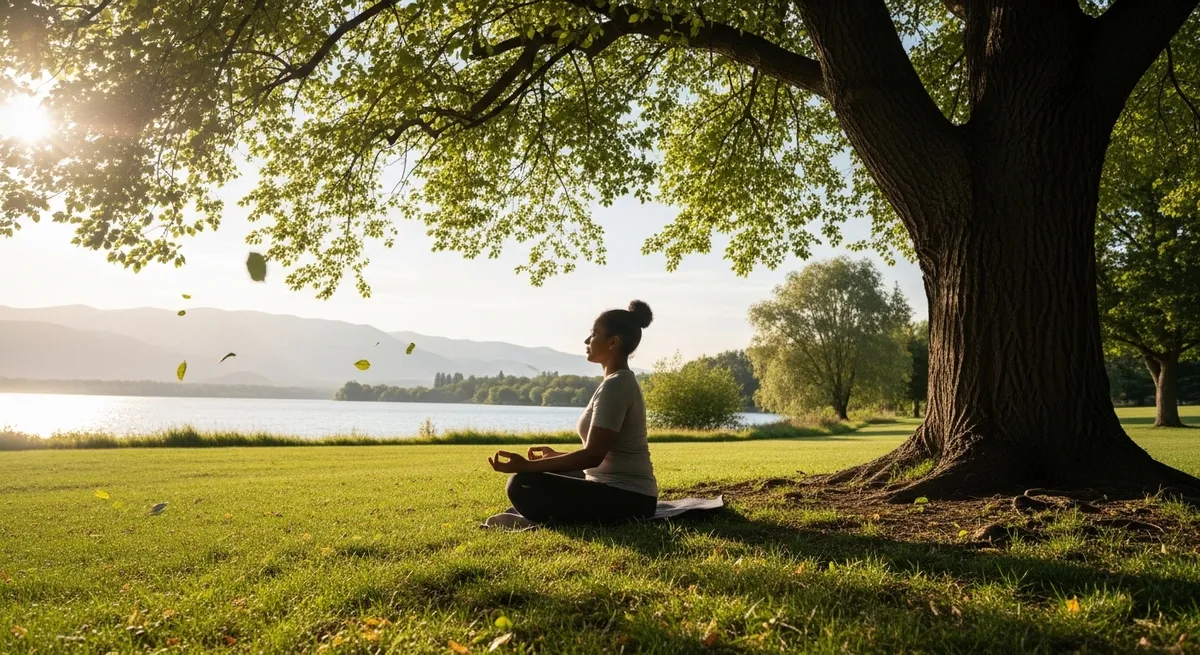
This affirmation shifts attention outward toward the environment, which can provide a sense of perspective. Observing natural elements is often linked with reduced mental fatigue. It is commonly practiced during walks or moments of stillness.
4. I am thankful for my family and friends
This statement highlights the importance of relationships in daily wellbeing. Social connections are widely recognized as supportive for emotional stability. Repeating this affirmation helps strengthen appreciation for people who provide support.
5. I am appreciative of the new opportunities this day brings
This affirmation reflects a mindset focused on openness and growth. It is often used in the morning to support adaptability. This perspective helps frame daily events as experiences rather than obstacles.
6. I am grateful for the food that nourishes my body and mind
This statement encourages awareness of nourishment and daily habits. It is commonly associated with more mindful eating patterns. Many people repeat it before meals to slow down and acknowledge the role of nutrition.
7. I am thankful for the kindness shown to me by others
This affirmation shifts attention toward positive social interactions. Recognizing kindness can support empathy and connection. It is often used when reflecting on daily experiences.
8. I am grateful for the challenges that help me grow and evolve
This statement reframes difficulties as part of personal development. It is commonly used to support resilience during uncertain situations. Many people find it helpful for maintaining perspective during challenges.
9. I am grateful for my ancestors who paved the way
This affirmation connects personal identity with history and continuity. Acknowledging past generations can create a sense of grounding. It is often used during reflection on family or cultural roots.
10. I am thankful for my strength and resilience
This statement reinforces awareness of personal capability. It is commonly associated with confidence during difficult moments. People use it to remind themselves of past experiences of overcoming challenges.
11. I am grateful for the simple pleasures of each day
This affirmation highlights small, everyday moments that contribute to wellbeing. Recognizing these details can increase daily satisfaction. It is often practiced during evening reflection.
12. I am thankful for the health of myself and my loved ones
This statement brings attention to physical wellbeing as a foundational aspect of life. Many people use it to encourage appreciation and responsible habits. It supports awareness of health without taking it for granted.
13. I am grateful for the inner wisdom that empowers me
This affirmation supports trust in personal judgment and decision-making. It is often linked with self-efficacy and confidence. People use it when reflecting on choices and experiences.
14. I am thankful for this moment of presence
This statement anchors attention in the present instead of past or future concerns. Present awareness is associated with reduced distraction. It is commonly practiced during pauses in daily activity.
15. I am grateful that my heart is open to give and receive love
This affirmation focuses on emotional openness and connection. It encourages balanced relationships based on mutual care. In daily life, it supports both giving and receiving support.
16. I am appreciative of my limitless potential
This statement encourages a broader view of personal growth. It is often associated with motivation and long-term development. People use it during planning or reflection.
17. I am thankful for the sun and the energy it provides
This affirmation connects daily life with natural rhythms and energy sources. Recognizing sunlight can support awareness of routine. It is commonly practiced during morning hours.
18. I am grateful for my ability to feel and experience emotions
This statement supports acceptance of all emotions instead of avoiding them. Emotional awareness is an important aspect of resilience. It is often used during reflection.
19. I am thankful for my parents and the support they offer
This affirmation highlights caregiving relationships and foundational support. It is associated with appreciation and emotional security. People use it to strengthen family connection.
20. I am grateful for the freedom to create a fulfilling life
This statement emphasizes personal responsibility and choice. It is often used to encourage purposeful action. In daily routines, it supports motivation and direction.
21. I am thankful for the care given to me by those I respect
This affirmation recognizes mutual respect in relationships. It is often linked with social and professional connections. People use it to acknowledge support and guidance.
22. I am grateful for the abundance of peace within me
This statement focuses on internal calm as a steady resource. It is associated with emotional balance and clarity. Many people use it during quiet moments to maintain stability.
Gratitude in Parenting and Working Life
In family environments, gratitude is often expressed through everyday actions rather than formal practice. Children tend to learn by observing adults, so consistent appreciation can influence their behavior. This approach supports emotional awareness and social understanding.
For working individuals, gratitude practices are often included in short breaks during the day. These moments help shift attention away from constant demands toward balanced awareness. Over time, this can support steadiness in busy environments.
Lifestyle guidance suggests that gratitude does not require extra time but intentional attention. Small actions such as acknowledging support or reflecting on progress can be enough. This makes the practice adaptable across different routines.
Frequently Asked Questions
What are 22 positive affirmations for gratitude
22 positive affirmations for gratitude are structured statements used to support appreciation and awareness in daily life. They are commonly practiced through repetition and reflection. Many people include them in routines such as journaling or quiet thinking.
Do gratitude affirmations change your brain
Gratitude affirmations are associated with neuroplasticity, where repeated focus influences thought patterns over time. Research suggests that consistent positive reflection may strengthen pathways linked to awareness. These changes usually develop gradually with regular practice.
How can gratitude be practiced daily
Gratitude is commonly practiced through affirmations, journaling, or mindful observation. Many people choose morning or evening for consistency. Simple and repeatable actions are easier to maintain.
What is the science behind gratitude
Gratitude is studied within positive psychology and neuroscience as a factor linked with emotional balance. Research indicates associations with improved mood and awareness. These effects develop over time with consistent practice.
Are there negative effects of gratitude practice
Gratitude is generally safe, but it should be used appropriately. Forcing gratitude in difficult situations may feel unhelpful. Balanced practice that acknowledges challenges is recommended.
How to start gratitude journaling
Starting a gratitude journal usually involves writing a few simple observations each day. Many people begin with small moments. This helps build consistency.
How does gratitude relate to stress
Gratitude practices are associated with shifting attention away from repetitive negative thoughts. This shift may support a calmer state. It is used as a supportive practice.
Can children practice gratitude affirmations
Children can practice gratitude through simple expressions and daily examples. Parents often guide this through modeling behavior. This supports emotional development.
What is the Three Good Things exercise
The Three Good Things exercise involves noting three positive events each day. It is used to build awareness. Many people include it in routines.
How long does gratitude practice take to show effects
Gratitude practices are associated with gradual changes over weeks or months. The timeline varies depending on consistency. Regular practice is emphasized.
Conclusion
Gratitude affirmations are widely used as a simple and adaptable lifestyle practice that supports awareness and balance in everyday life. The 22 positive affirmations for gratitude presented here provide a structured approach that fits into different routines. With consistent use, this practice can remain a steady part of a broader wellbeing approach.
Medical Disclaimer
This content is for informational purposes only and does not constitute medical advice. Consult a qualified healthcare provider before starting any new health practice, especially if you have existing medical conditions or mental health concerns.
Image Generation Prompts
Image Prompt 1 (Featured/Hero Image):
A serene morning scene of a diverse adult sitting by a window journaling gratitude affirmations, soft sunlight entering from the side, warm neutral tones with hints of green plants, minimal modern interior, calm facial expression reflecting mindfulness, photorealistic style, shallow depth of field, soft shadows, peaceful mood, horizontal composition, editorial wellness magazine aesthetic, natural textures like wood and cotton, no exaggerated poses, authentic lifestyle representation, high-resolution, 16:9 ratio.
Image Prompt 2 (Supporting Concept Image):
Close-up scene of hands writing in a gratitude journal with a pen, visible list of affirmations, clean desk setup with tea cup and small plant, natural daylight, soft focus background, instructional clarity, minimalistic composition, warm tones, photorealistic style, inclusive representation, calming environment, emphasis on action and simplicity, horizontal layout, high detail, suitable for blog educational section.
Image Prompt 3 (Inspirational/Aspirational Image):
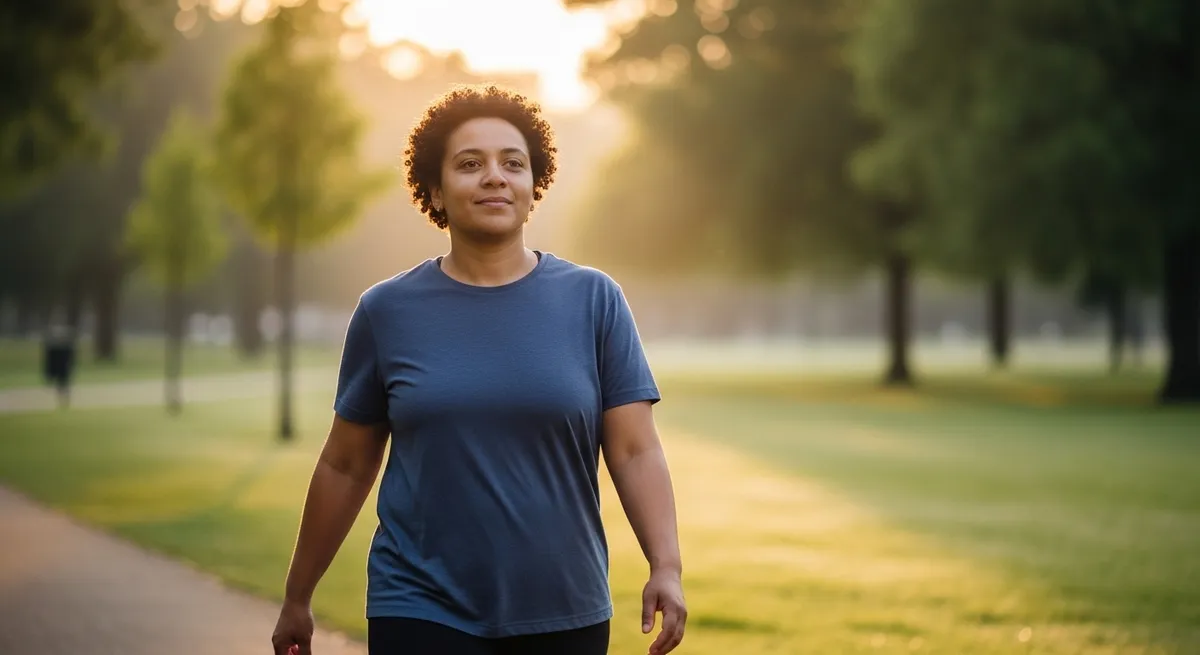
A diverse individual walking outdoors during golden hour, smiling gently while observing nature, trees and sunlight in background, relaxed posture, realistic setting, soft warm lighting, natural color palette with greens and golds, emotional tone of peace and contentment, lifestyle photography style, shallow depth of field, horizontal composition, authentic and relatable wellness moment.
Alternative Headline Variations
Variation 1: 22 Powerful Gratitude Affirmations That Transform Mental Health Daily
Variation 2: Are 22 Positive Gratitude Affirmations the Secret to Happiness?
Variation 3: How to Use 22 Gratitude Affirmations for Lasting Inner Peace
Variation 4: Transform Your Mind with 22 Positive Affirmations for Gratitude
Variation 5: Science-Backed 22 Positive Affirmations for Gratitude and Well-Being
Best Suggestion: Variation 5 – strongest SEO, authority, and clarity for search intent.
Related Keywords: daily gratitude affirmations, gratitude practice for beginners, positive affirmations for mental health, gratitude journaling benefits, affirmations for self growth, gratitude routine for morning, mindfulness and gratitude practice, affirmations for emotional balance
LSI Keywords: positive psychology, subjective well-being, parasympathetic nervous system, vagal tone, resilience, self-integrity, growth mindset, emotional awareness, mindful living, neuroplasticity