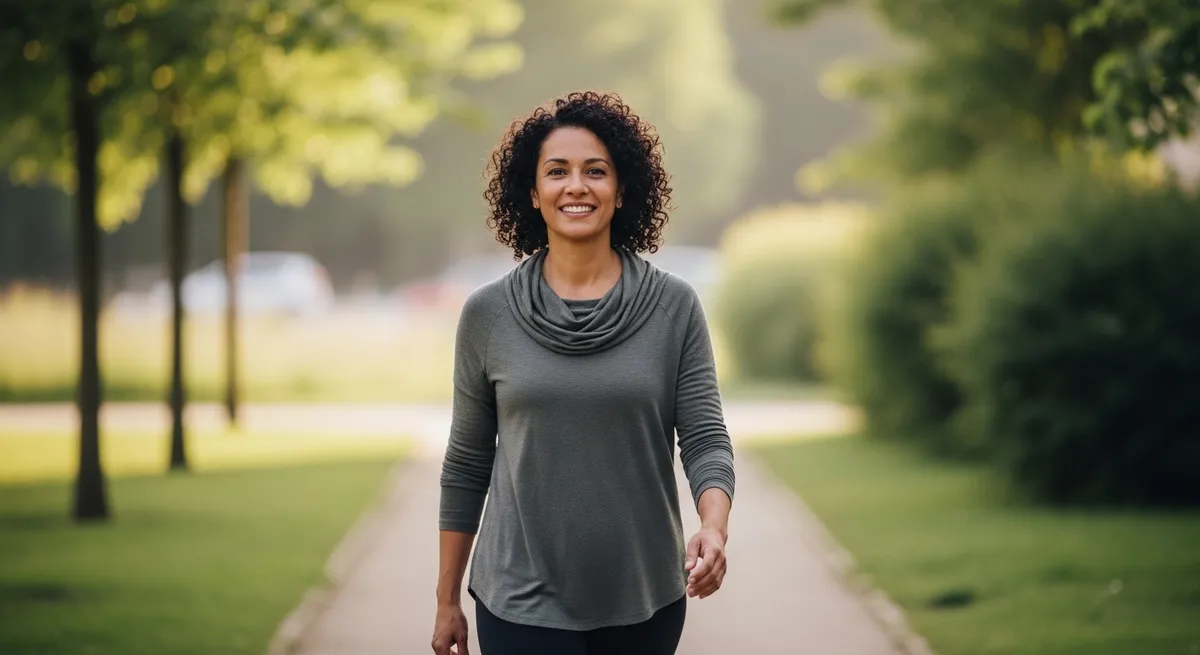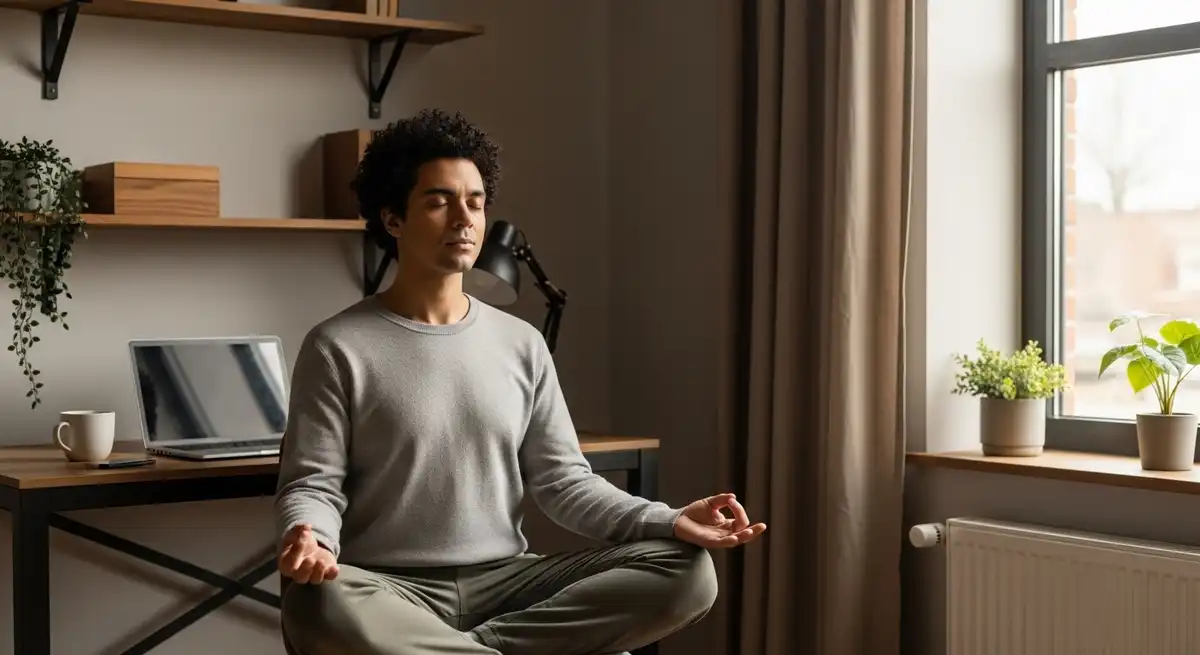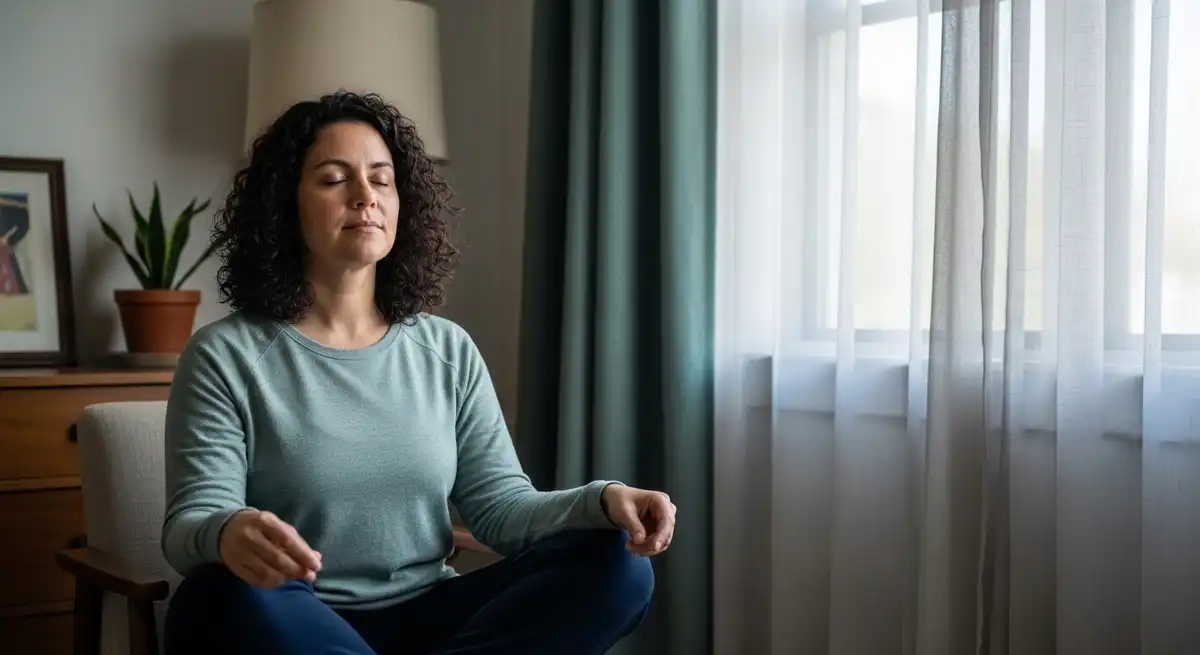
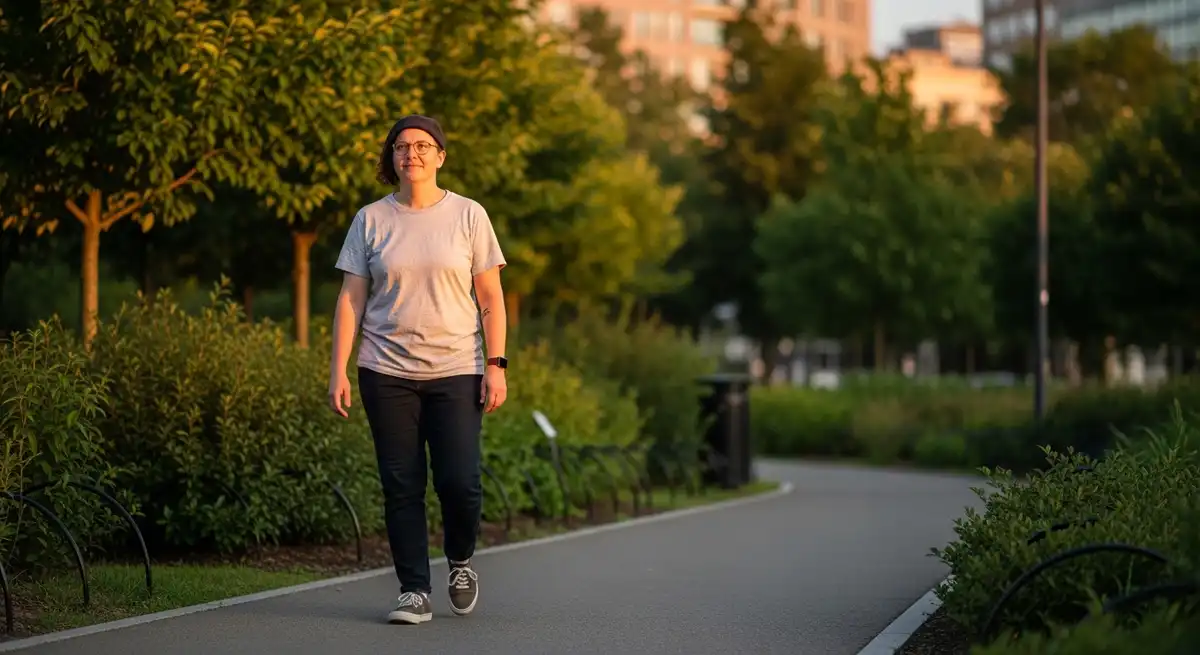
Daily walking is one of the most familiar human movements, yet it is often performed with little awareness. Many people walk while thinking about tasks, worries, or digital notifications, rarely noticing their body or surroundings. When walking is approached with attention and intention, it becomes a steady lifestyle practice that supports awareness, emotional balance, and mental clarity in a realistic, everyday way.
Daily walks as a tool for mindfulness?
Modern life places constant demands on attention, especially for parents, working professionals, and caregivers balancing multiple roles. Mental strain often builds quietly rather than appearing as obvious distress. Daily walks as a tool for mindfulness are commonly used to introduce brief, reliable moments of awareness that fit naturally into busy schedules without adding pressure or expectations.
Mindful walking does not require special skills, silence, or spiritual framing. It simply involves noticing physical sensations, breathing, and surroundings while moving at a normal pace. Wellness educators often describe this approach as practical and inclusive because it works within ordinary routines rather than asking people to step away from them.
Daily walks as a tool for mindfulness involve walking with deliberate awareness of movement, breath, and surroundings rather than moving on autopilot. Attention is placed on simple sensations like foot contact and posture. Practiced for about ten to thirty minutes, this approach is often used as a supportive lifestyle habit that encourages calm focus and present-moment awareness.
Daily Walks as a Tool for Mindfulness and Mental Health
Walking as meditation in motion
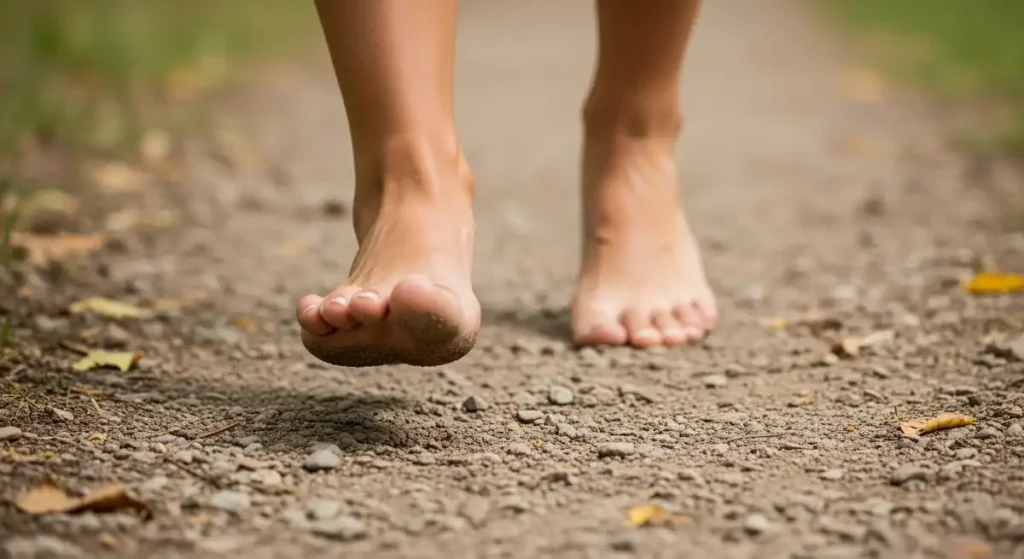
Daily walks as a tool for mindfulness are often described as meditation in motion because awareness stays anchored in the body while movement continues. Each step provides a natural point of focus, allowing attention to return gently whenever thoughts drift. This style of practice feels accessible for people who find stillness uncomfortable or difficult to sustain.
Movement plays an important role in helping the nervous system settle. Gentle walking supports natural breathing rhythms and reduces physical rigidity that can build during long periods of sitting. Many people find this combination of motion and awareness easier to maintain than seated practices, especially during demanding phases of life.
Breaking autopilot and attentional fatigue
Autopilot behavior is common during daily routines like commuting or errands. When attention drifts automatically, mental energy is often spent replaying concerns or planning ahead. Daily walks as a tool for mindfulness interrupt this cycle by reconnecting attention with physical sensation, offering a grounded alternative to mental overload.
Wellness research often links present-moment awareness with reduced cognitive fatigue. Bringing attention back to movement refreshes mental resources that are strained by multitasking and constant information input. A simple habit, such as noticing the first few steps of a walk, is commonly used to reset attention without disrupting the day.
Understanding the Science Behind Mindful Walking
Mental health outcomes from research
Research in behavioral health journals suggests that mindful walking is associated with improvements in mood and perceived stress. Studies commonly compare ordinary walking with walking that includes guided awareness, noting greater psychological benefit when attention is intentionally engaged. These findings are presented as supportive associations rather than clinical treatments.
Participants in mindfulness-based walking programs often report better awareness of emotional changes during daily life. This skill involves noticing feelings without immediately reacting to them. Such awareness is widely regarded as helpful for emotional regulation, particularly in environments that involve frequent demands and interpersonal interactions.
Cardiovascular and physiological synergy
Walking at a moderate pace supports general heart and circulation health. When paired with mindful awareness, walking is often associated with calmer breathing and reduced muscle tension. Health educators describe this combination as supportive for overall wellbeing rather than a substitute for medical care or prescribed exercise.
Some studies observe modest improvements in markers like blood pressure and heart rate variability among people practicing mindful movement. These effects are explained through reduced stress responses and improved autonomic balance. Individuals with existing health conditions are typically advised to view mindful walking as a complementary lifestyle habit.
How Daily Walks Enhance Creativity and Cognition
Divergent thinking and idea generation
Walking has been linked to improved divergent thinking, which involves generating multiple ideas rather than focusing on one solution. Academic research has shown that people often produce more creative responses while walking compared to sitting. Adding mindful awareness may reduce distraction, allowing ideas to surface more freely.
Many people notice that creative insights appear during relaxed movement rather than forced effort. Mindful walking supports this by keeping attention lightly grounded while mental space opens. This makes it a practical option for writers, planners, or anyone seeking fresh perspectives without pressure.
Cognitive benefits that persist after walking
The mental effects of walking often extend beyond the walk itself. Research indicates that improved creative thinking can continue after returning to seated work. This lingering benefit is commonly attributed to improved mood and reduced mental tension rather than lasting cognitive change.
Scheduling mindful walks before creative or strategic tasks is a practical application of this finding. Even short walks can support mental readiness. Reducing distractions during the walk, such as phone use, helps maintain this effect by allowing attention to fully reset.
Core Techniques for Practicing Mindful Walking
Thich Nhat Hanh inspired walking meditation
Daily walks as a tool for mindfulness are often taught using simple methods inspired by Thich Nhat Hanh. Attention is placed on the sensation of each foot touching the ground, sometimes described as connecting with the Earth. Breathing is observed naturally rather than controlled or forced.
A relaxed facial expression, sometimes called a half smile, is used to soften physical tension. This gentle approach emphasizes ease rather than effort. If coordination between breath and steps feels uncomfortable, returning to simple awareness of movement is encouraged.
Sensory engagement and the walking body scan
Sensory engagement involves noticing sounds, light, temperature, and movement without labeling them as good or bad. This style of awareness reduces mental commentary that often fuels stress. Many people find it calming because it allows experience to unfold without evaluation.
A walking body scan adds structure by moving attention through different body areas while walking. Awareness may shift from feet to legs, torso, shoulders, and head. This technique is often used to notice tension patterns and encourage natural adjustments during movement.
Integrating Mindful Walking Into Daily Life
Formal versus informal practice
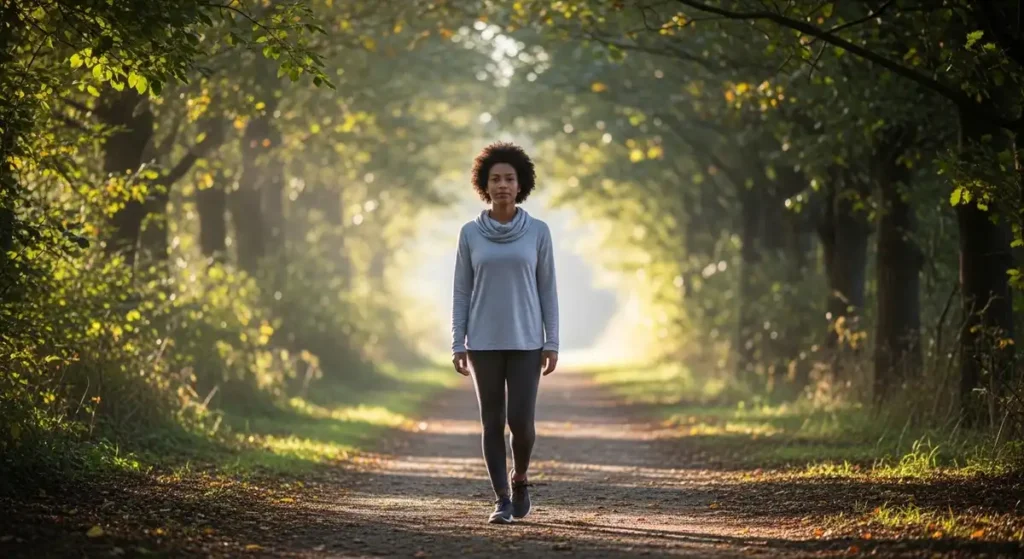
Formal mindful walking usually involves setting aside a specific time and place for focused awareness. Ten to twenty minutes is commonly suggested in wellness programs. This structure supports learning and consistency without requiring long sessions.
Informal mindful walking blends awareness into everyday movement. Walking to work, doing errands, or stepping outside briefly all provide opportunities. Many people find informal practice more sustainable because it fits naturally into existing routines.
Overcoming common challenges and building habit
A wandering mind is expected during mindful walking. Each moment of noticing distraction and returning attention is considered part of the practice. This approach reduces frustration and supports gradual skill development.
Physical discomfort is addressed through awareness rather than avoidance. Adjusting pace or posture mindfully respects bodily signals. Letting go of performance expectations helps walking remain supportive rather than becoming another task to manage.
Parenting and working life relevance
For parents and caregivers, mindful walking often provides brief moments of personal grounding within busy days. Walking with awareness while accompanying children or during short breaks can support emotional steadiness. This practice does not require solitude to be effective.
Working professionals often use mindful walking to transition between tasks or reduce screen fatigue. Short walks during breaks support attentional renewal. These moments of awareness help maintain balance without extending the workday.
Conclusion
Daily walks as a tool for mindfulness offer a practical way to align movement with awareness. By noticing simple sensations during ordinary walking, attention becomes steadier without additional demands. Over time, this gentle practice supports balanced routines and a calmer relationship with daily responsibilities.
Frequently Asked Questions
What is the purpose of walking meditation?
Walking meditation is used to develop present-moment awareness while moving rather than sitting still. Attention is placed on steps, posture, and breathing to support awareness in real-life conditions. This approach is often chosen by people who prefer movement-based practices.
How do you practice mindful walking?
Mindful walking involves slowing attention rather than slowing pace. Awareness is placed on foot contact, breathing, and surroundings. When attention drifts, it is gently returned to movement, supporting awareness without judgment or effort.
Is walking as effective as sitting meditation?
Walking meditation can offer similar awareness benefits for many people. Research suggests both approaches support emotional regulation and focus. Walking is often preferred by individuals who find seated practices challenging.
How long should a mindful walking session last?
Mindful walking sessions commonly last between five and thirty minutes. Short sessions practiced regularly are widely considered effective. Duration is usually adjusted based on comfort and schedule.
Can walking in nature improve mindfulness benefits?
Natural environments often reduce sensory overload and support calm attention. Studies associate nature exposure with lower stress markers. Mindful walking can still be practiced effectively in urban settings.
Does mindful walking help with anxiety?
Mindful walking is often associated with reduced rumination by grounding attention in physical sensation. This awareness supports emotional steadiness without aiming to treat or cure anxiety.
What is the difference between a labyrinth and a maze?
A labyrinth has a single continuous path without choices. A maze contains multiple routes and dead ends. Labyrinth walking is often used for reflection because it removes navigation decisions.
How do I stop my mind from wandering while walking?
The goal is not to stop thoughts but to notice them. Each return of attention to movement strengthens awareness. Wandering is a normal part of the practice.
Is mindful walking safe for everyone?
Mindful walking is generally gentle and adaptable. People with health conditions are usually advised to adjust pace and consult healthcare providers if unsure.
Can mindful walking be part of a daily routine?
Mindful walking fits easily into daily routines like commuting or errands. Small moments of awareness turn necessary movement into a supportive lifestyle habit.
Medical Disclaimer
This content is for informational purposes only and does not constitute medical advice. It does not diagnose, treat, cure, or prevent disease. Always consult a qualified healthcare provider before starting new wellness, exercise, or mindfulness practices, especially if you have existing medical conditions.