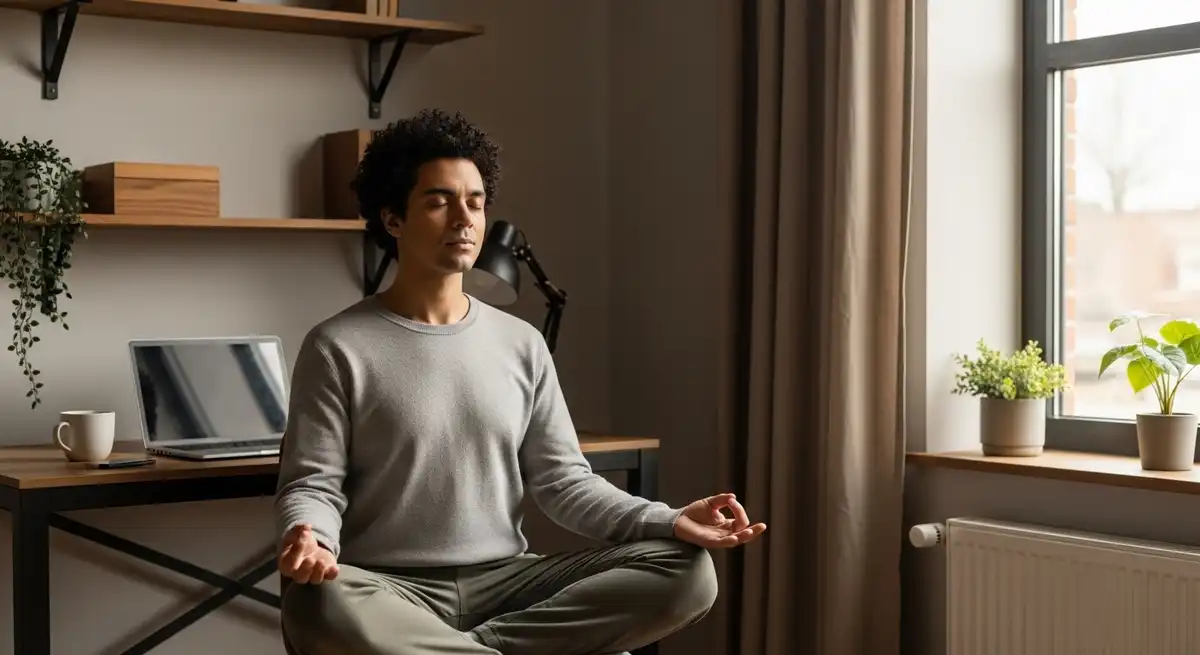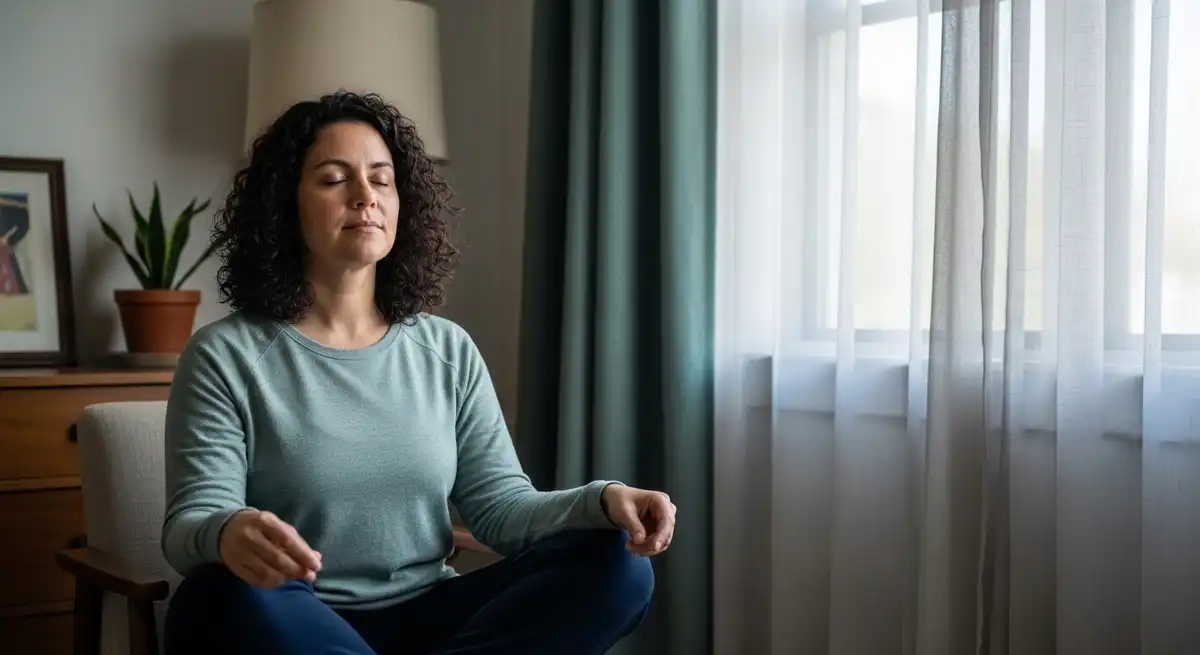
Anxiety is often described as a temporary stress response, yet the experience can feel confusing when symptoms linger longer than expected. Many people notice that anxiety seems to stretch on when attention stays fixed on bodily sensations or repetitive worries. Understanding common time patterns helps frame anxiety as a passing state influenced by context, not a permanent condition or personal failure.
How Long Anxiety Lasts in Everyday Life
In everyday routines, anxiety duration varies widely based on triggers, environment, sleep quality, and overall stress load. Short episodes may appear around deadlines, social interactions, or sudden changes. Longer stretches usually reflect ongoing pressure rather than immediate danger, which is why lifestyle factors play such an important role in how long anxiety lasts.
Wellness education emphasizes that anxiety itself is not harmful, even when uncomfortable. The body activates protective systems designed to switch off once safety returns. When people understand typical timelines, fear often softens, which can reduce how long anxious sensations remain active.
Anxiety Duration as a Nervous System Response
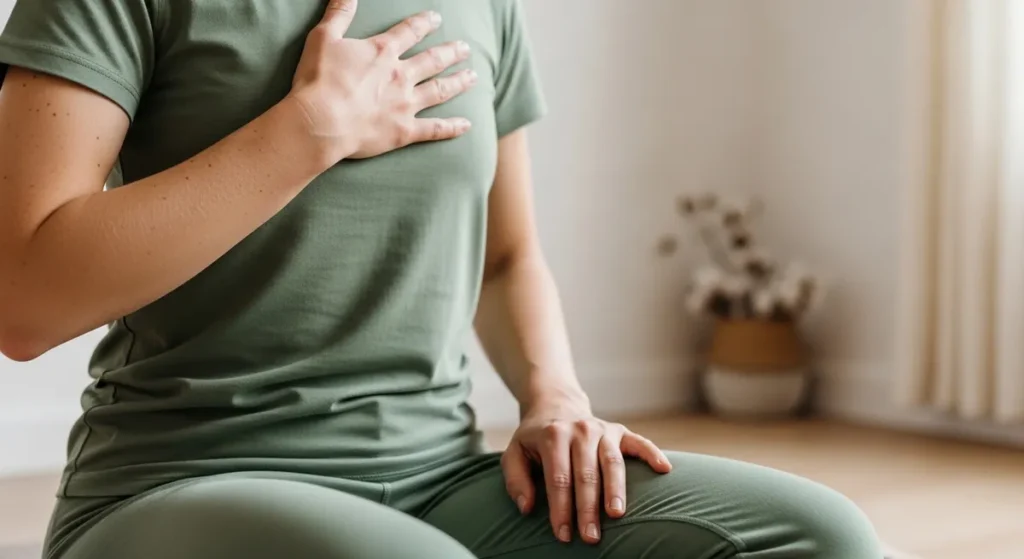
Anxiety how long does it last is closely tied to how the nervous system responds to perceived threat. When stress hormones rise, the body shifts into alert mode, increasing heart rate, breathing, and sensory awareness. These changes are built for short-term use, not constant activation.
The stress response follows a natural arc that includes activation, peak intensity, and resolution. Hormones like adrenaline cannot stay elevated indefinitely, so the body gradually moves back toward balance. This biological limit explains why anxiety episodes usually ease even without deliberate effort.
Interpretation also matters. When sensations are seen as temporary and non-dangerous, the nervous system receives cues of safety. Over time, this understanding often shortens anxiety episodes during common life stressors.
Panic Attacks and Short-Term Anxiety Spikes
Panic attacks are commonly linked with sudden and intense anxiety that escalates quickly. Symptoms often surge within minutes because adrenaline enters the bloodstream rapidly. Although overwhelming, these episodes are generally brief and self-limiting.
Most panic attacks settle within twenty to thirty minutes as stress hormones are metabolized. The body cannot sustain that level of activation for long. This predictable pattern explains why panic attacks feel intense but do not continue endlessly.
Education around panic focuses on recognizing this pattern. When people know what to expect, fear about the sensations often decreases. Reduced fear can help the episode pass more smoothly.
Lingering Sensations After Panic Episodes
After a panic episode, lingering physical or emotional sensitivity is common. Muscles may feel sore, energy can dip, and concentration might feel slightly off. These effects reflect recovery, not ongoing threat.
The nervous system needs time to recalibrate after intense activation. Hormone levels normalize gradually rather than instantly. During this period, sensations can feel unfamiliar, which sometimes leads to unnecessary worry.
Understanding this recovery phase helps prevent secondary anxiety. When lingering sensations are recognized as normal, additional stress responses are less likely to arise. This perspective often shortens the overall period of discomfort.
Gradual Anxiety Episodes in Daily Stress
Anxiety attacks, a widely used informal term, tend to build slowly through ongoing worry rather than appearing suddenly. These episodes often reflect cumulative stress rather than a single trigger. Their duration varies based on context and coping habits.
Unlike panic attacks, gradual anxiety episodes may last hours or longer. This pattern usually occurs when stressors remain unresolved or when rest is limited. It does not signal danger, but sustained alertness.
Lifestyle balance plays a central role here. Predictable routines, adequate rest, and mental breaks help the nervous system disengage. With consistency, these longer anxiety episodes often become shorter and less frequent.
Chronic Anxiety Patterns Over Time
Chronic anxiety patterns involve worry that persists for months rather than minutes. Diagnostic frameworks describe this as ongoing rather than episodic. The duration reflects learned stress responses rather than continuous external threat.
Research shows chronic anxiety often fluctuates. Periods of improvement alternate with periods of heightened concern. This explains why anxiety can feel long-lasting while still changing over time.
Wellness education focuses on management rather than elimination. Supportive habits and skills reduce intensity and interference. This approach aligns with realistic expectations and long-term balance.
Substance-Related Anxiety Duration
Certain substances influence how long anxiety lasts by affecting brain chemistry. Alcohol, caffeine, and nicotine can amplify anxious sensations in some people. These effects are temporary but can feel pronounced.
Alcohol-related anxiety often appears after drinking stops. Changes in calming and stimulating neurotransmitters contribute to restlessness and worry. Symptoms usually fade as the body restores balance.
Caffeine-related anxiety follows a predictable timeline. Effects peak within hours and decline as caffeine clears the system. Reducing intake often shortens anxiety duration noticeably.
You may also interested in:
Journaling Prompts for Emotional Healing as a Supportive Lifestyle Practice
Vision Journaling: Designing the Life You Want
Nature Journaling for Powerful Mindfulness and Outdoor Presence
Lifestyle Factors Affecting Anxiety Length
Daily habits strongly shape how long anxiety remains active. Poor sleep, skipped meals, and constant stimulation can extend stress responses. The nervous system relies on stability to return to calm.
Regular routines support predictable biological rhythms. When sleep and nourishment are consistent, stress responses resolve more efficiently. This stability reduces both frequency and duration of anxiety episodes.
Wellness guidance favors small, repeatable adjustments. Gentle consistency communicates safety to the body. Over time, anxiety episodes tend to shorten without force.
Thought Patterns and Anxiety Persistence
Cognitive habits play a large role in anxiety duration. Repetitive worry keeps attention fixed on potential threats. This focus maintains nervous system activation even when danger is absent.
Avoidance can unintentionally prolong anxiety. When situations are avoided, the brain misses chances to learn safety. This reinforces alertness and extends future anxiety responses.
Gradual exposure and balanced thinking help reduce persistence. When situations are approached calmly, the nervous system learns flexibility. This learning often shortens anxiety across similar situations.
Mindfulness as Lifestyle Support
Mindfulness is often described as paying attention to present experience without judgment. In everyday wellness contexts, it supports awareness rather than symptom control. This stance helps people notice anxiety without escalating it.
Mindfulness does not aim to remove anxiety. Instead, it encourages observing sensations as temporary states. Reduced resistance often allows sensations to pass more easily.
Regular practice supports emotional regulation over time. Many people notice anxiety episodes shorten naturally as awareness increases. The effect builds gradually with consistency.
Breathing and Physical Regulation
Breathing patterns directly affect stress responses. Slower, steadier breathing activates calming pathways in the nervous system. This physical shift supports quicker resolution of anxiety.
Physical tension often accompanies prolonged anxiety. Gentle movement and muscle relaxation release stored stress signals. These practices help the body recognize safety.
In daily life, physical regulation works best when familiar. Regular practice allows quicker access during stress. Over time, anxiety duration often decreases.
Parenting and Caregiving Stress Context
Parents and caregivers often experience extended anxiety due to constant responsibility. Worry about schedules, safety, and wellbeing can remain active throughout the day. This alertness reflects care rather than dysfunction.
Wellness guidance emphasizes realistic expectations for caregivers. Anxiety may not disappear entirely but can become manageable. Small restorative moments support balance.
Predictable family routines help both adults and children. Structure reduces uncertainty and mental load. Shared stability often shortens anxiety episodes across the household.
Working Life and Anxiety Duration
Workplace stress strongly influences how long anxiety lasts. Deadlines, performance pressure, and communication demands sustain alertness. Without recovery time, anxiety can feel continuous.
Balanced work routines support stress resolution. Clear boundaries between work and rest help the nervous system disengage. Even brief transitions signal safety.
Lifestyle guidance favors sustainable pacing. When rest is normalized, anxiety episodes shorten. This approach supports wellbeing without unrealistic productivity demands.
Social and Environmental Influences
Social environments shape anxiety duration. Crowded spaces, conflict, or lack of support can maintain stress responses. Calm settings encourage recovery.
Environmental predictability reduces mental strain. Familiar surroundings help the nervous system relax. This explains why anxiety often eases in trusted spaces.
Gentle environmental adjustments support regulation. Lighting, noise, and personal space matter. These factors influence how quickly anxiety subsides.
Media Exposure and Anxiety Length
Continuous exposure to distressing news can extend anxiety. Constant alerts keep the nervous system engaged. This blurs the line between immediate and distant concerns.
Reducing media intake often shortens anxiety duration. Scheduled breaks allow the nervous system to reset. This supports emotional steadiness.
Wellness editors recommend mindful consumption. Choosing reliable sources and limiting exposure time helps maintain balance. Anxiety episodes become less prolonged with boundaries.
Sleep and Recovery Cycles
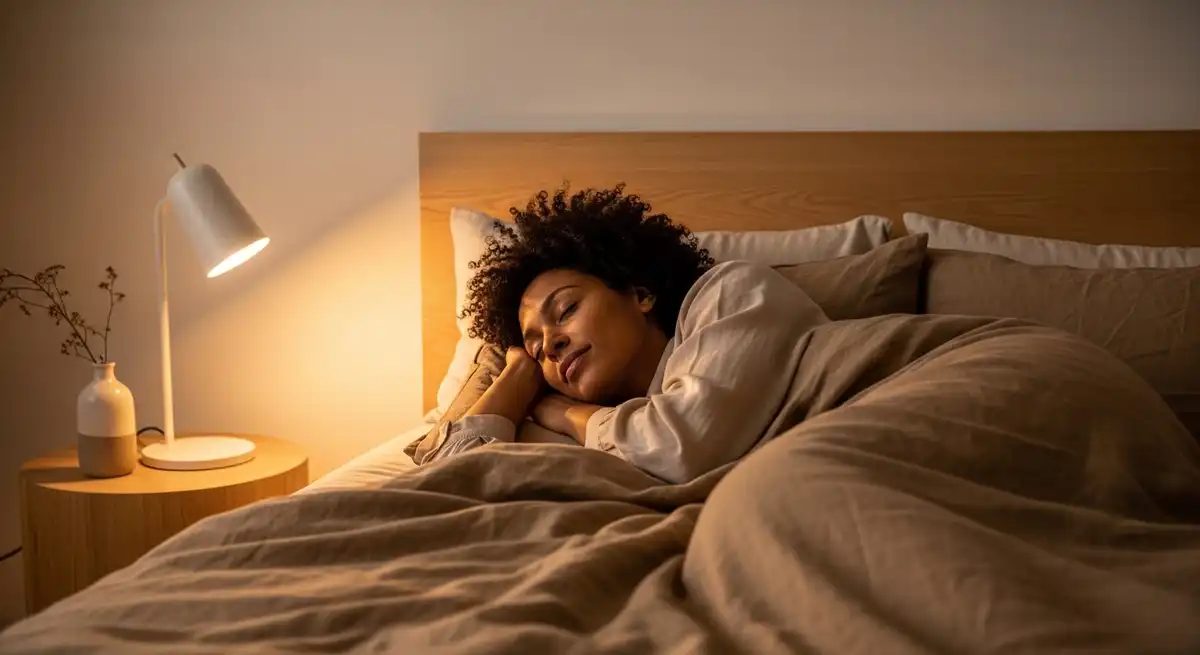
Sleep quality strongly affects anxiety duration. Poor sleep lowers stress tolerance and prolongs emotional reactions. The nervous system recovers during restorative sleep.
Regular sleep schedules support hormonal balance. When sleep improves, anxiety episodes often shorten. This relationship highlights sleep as foundational support.
Evening routines promote better rest. Lower stimulation before bedtime helps the nervous system wind down. Over time, improved sleep reduces anxiety persistence.
Nutrition and Energy Stability
Nutrition influences anxiety through energy regulation. Irregular meals can trigger sensations that resemble anxiety. These sensations may extend distress unnecessarily.
Balanced meals support steady energy. This stability reduces false alarm signals. Anxiety episodes often resolve more smoothly with regular nourishment.
Wellness education avoids rigid food rules. It emphasizes consistency over perfection. This practical approach supports emotional steadiness.
Physical Activity and Stress Resolution
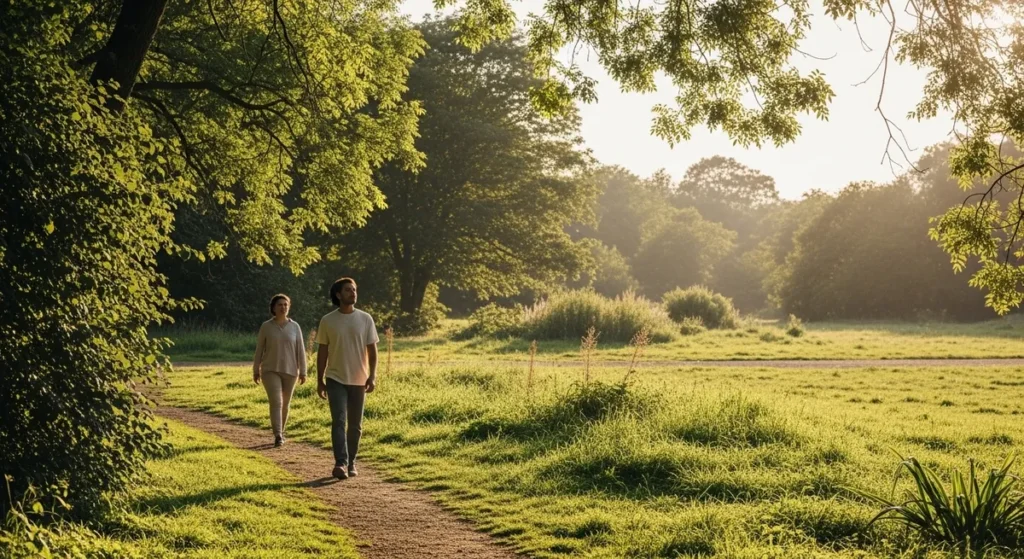
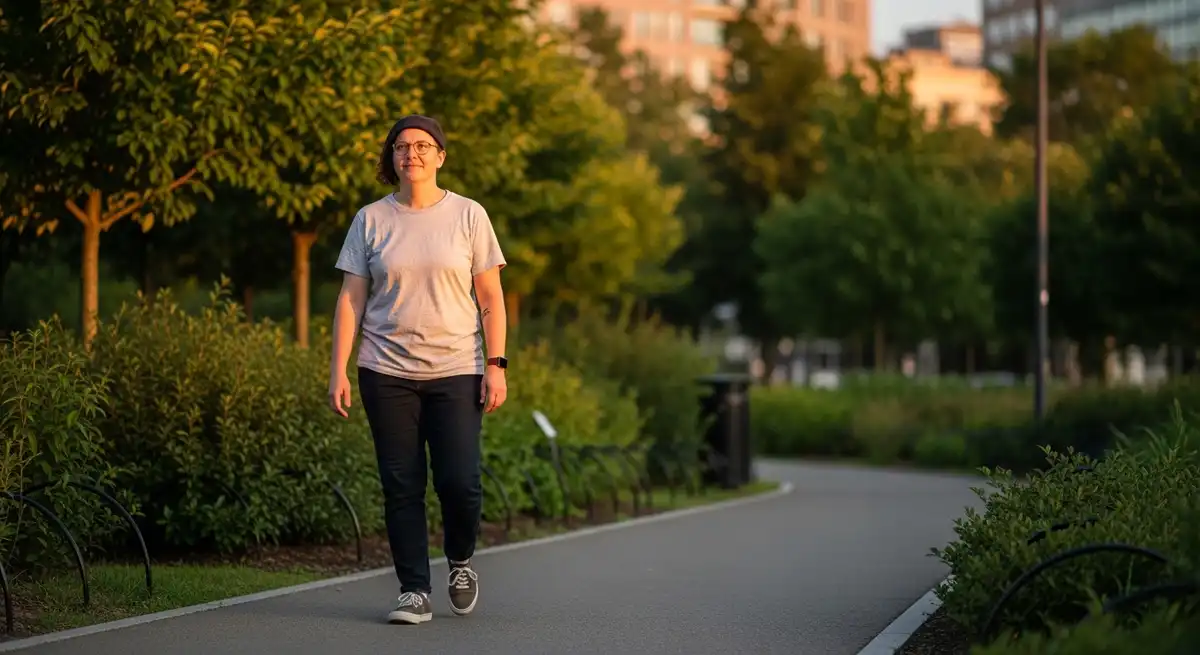
Movement helps the body complete stress cycles. Gentle activity releases excess stress hormones. This process shortens anxiety duration naturally.
Regular activity builds resilience. Over time, the nervous system responds less intensely to stress. Anxiety episodes become shorter.
Guidance favors accessible movement. Walking or stretching fits easily into daily routines. Consistency matters more than intensity.
Emotional Awareness and Acceptance
Emotional awareness prevents anxiety from escalating. Recognizing feelings without judgment reduces internal resistance. This allows sensations to pass.
Suppressing anxiety often extends it. Allowing emotions supports quicker nervous system settling. This principle appears widely in emotional wellbeing education.
Awareness does not require analysis. Simple acknowledgment is enough. Over time, anxiety resolves faster.
Long-Term Lifestyle Consistency
Consistency matters more than intensity. Occasional efforts provide limited benefit. Regular supportive habits create lasting change.
Lifestyle balance supports gradual improvement. Anxiety may still appear but resolves faster. This aligns with realistic expectations.
Educators emphasize patience. Progress often appears subtly. Shorter episodes signal improved regulation.
Understanding Recovery Without Absolutes
Recovery does not mean anxiety never appears. It means reduced disruption. Anxiety episodes may still occur but feel manageable.
This framing prevents disappointment. Expecting zero anxiety increases stress. Accepting variability supports balance.
Adaptability matters. The nervous system learns through experience. Over time, anxiety becomes shorter and less intense.
Frequently Asked Questions
Typical length of anxiety episodes
Anxiety episodes commonly last from several minutes to several hours depending on triggers and context. Panic-related episodes are usually shorter, while stress-based anxiety may linger longer. Understanding typical patterns helps reduce fear and supports calmer responses during everyday situations.
Multi-day anxiety experiences
Anxiety can last several days when stressors remain unresolved or routines are disrupted. This pattern reflects ongoing alertness rather than danger. Rest, predictability, and supportive habits often help shorten these extended periods.
Post-anxiety fatigue
Feeling tired after anxiety is common because the body uses significant energy during stress responses. Muscles tense and breathing changes. Fatigue usually fades with rest and gentle activity.
Medication timelines
Wellness education notes that medications affect anxiety gradually. Changes often appear over weeks rather than days. Professional guidance ensures safe and appropriate use.
Panic versus physical illness
Panic sensations often peak quickly and settle, while medical issues usually worsen steadily. When uncertainty exists, professional evaluation supports safety. Educational awareness helps reduce unnecessary alarm.
Anxiety without treatment
Situational anxiety may resolve on its own, while persistent patterns often benefit from support. Lifestyle adjustments reduce duration for many people. Professional care provides structured help when needed.
Lingering physical symptoms
Physical sensations can continue briefly after anxiety eases. These effects reflect recovery rather than ongoing stress. Gentle self-care supports normalization.
Work-related anxiety
Workplace anxiety duration depends on demands and recovery time. Boundaries and pacing reduce persistence. Balanced routines support emotional wellbeing.
Parenting stress patterns
Caregiving anxiety often reflects responsibility rather than pathology. Supportive routines and rest shorten episodes. Shared stability benefits families.
Signs of reduced anxiety duration
Shorter episodes, quicker recovery, and improved sleep often signal progress. These changes develop gradually. Lifestyle consistency supports continued improvement.
Editorial Conclusion
Anxiety how long does it last depends on biology, lifestyle, and context rather than personal weakness. Most anxiety follows predictable patterns that rise and fall when supported by stable routines and understanding. Viewing anxiety as temporary and manageable supports calmer responses, realistic expectations, and long-term emotional balance.
Medical disclaimer: This article provides general wellness and lifestyle information and is not intended to diagnose, treat, cure, or prevent any medical condition. For persistent anxiety, panic, or emotional distress, consult a qualified healthcare or mental health professional for individualized guidance and support.