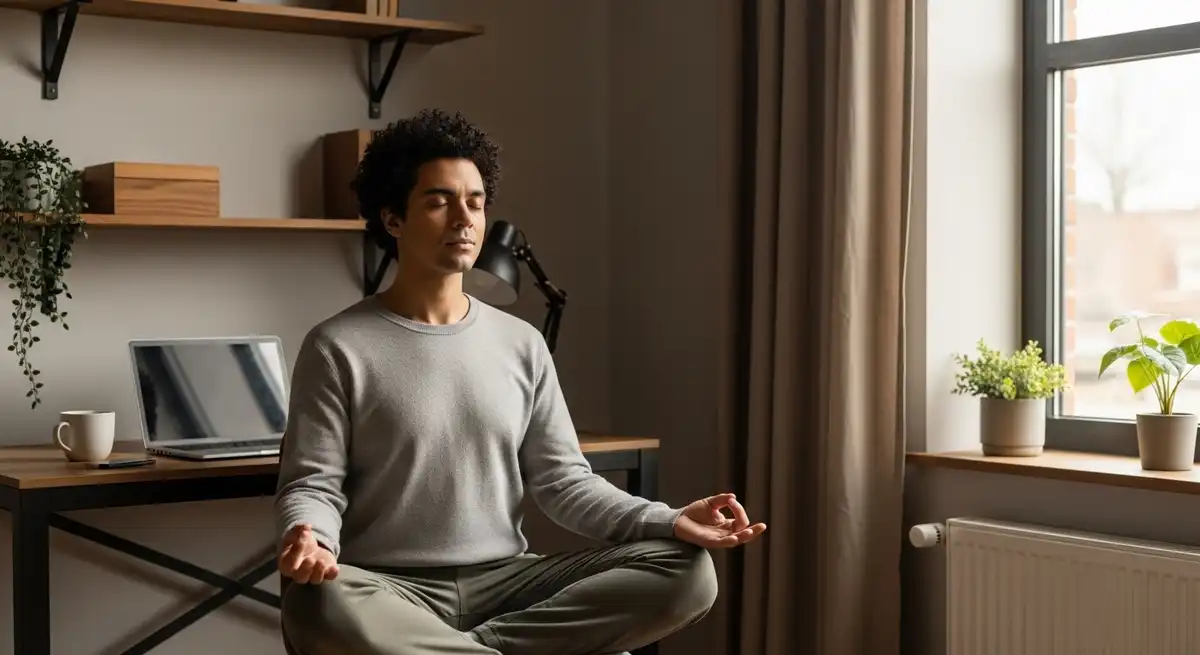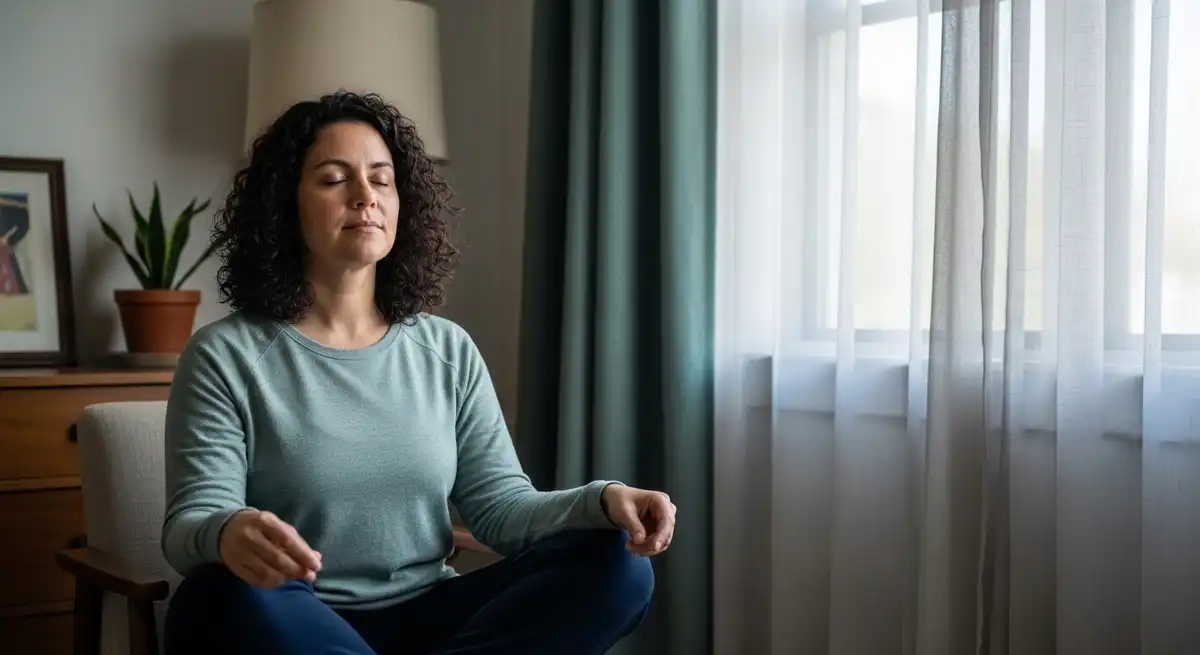

Gratitude plays a steady, practical role in how long-term relationships stay emotionally connected over time. In daily life, appreciation often fades quietly as routines, responsibilities, and fatigue take over. Wellness educators consistently explain that treating gratitude as an ongoing relationship habit, rather than a passing feeling, supports trust, warmth, and mutual respect between partners.
Modern relationships face pressure from work demands, caregiving roles, financial concerns, and constant digital noise. Many couples believe love sustains itself through commitment alone, yet relationship research suggests daily recognition matters more than dramatic gestures. Understanding gratitude as a stabilizing lifestyle practice helps relationships adapt to stress without relying on emotional intensity.
Role of Gratitude in Building Lasting Love refers to regularly noticing and acknowledging a partner’s value, effort, and presence. It includes recognizing emotional labor, reliability, and care, then responding in a way that feels genuine. This perspective supports lasting love by reinforcing emotional safety and shared meaning instead of trying to manage conflict directly.
Understanding Gratitude as a Relationship Practice

Gratitude in relationships is often described as a habit of attention rather than a personality trait. It involves consistently noticing what a partner contributes emotionally and practically. Lifestyle researchers frame gratitude as a mental orientation that shapes how partners interpret everyday interactions, especially during routine or stressful periods.
Rather than reacting only when problems appear, gratitude keeps attention on what continues to work. This shift reduces the gradual buildup of resentment caused by feeling unnoticed. Over time, regular appreciation supports relationship stability by influencing perception before frustration becomes entrenched.
Gratitude also affects memory and interpretation during conflict. When appreciation is practiced regularly, partners are more likely to recall positive experiences in difficult moments. This does not remove challenges, but it softens emotional reactions and supports calmer, more respectful communication.
You may also like:
Women’s vitamin packs and Everyday Nutritional Support
The Find, Remind, and Bind Framework
The find, remind, and bind framework explains how gratitude functions across different relationship stages. Early in relationships, gratitude helps people recognize supportive, reliable partners by highlighting positive traits. This recognition often influences commitment decisions without conscious analysis.
As relationships mature, the remind stage becomes more important. Gratitude helps partners actively remember why the relationship matters, even when familiarity dulls awareness. This reminder process prevents effort from being taken for granted and supports long-term satisfaction.
The bind stage reflects how gratitude strengthens attachment through behavior. Expressed appreciation often leads to increased responsiveness, care, and cooperation. This ongoing exchange aligns thoughts, emotions, and actions, reinforcing closeness in everyday life.
Feeling Appreciated and Emotional Security
Feeling appreciated is closely linked with emotional security in long-term relationships. When partners sense their efforts are noticed, they tend to invest emotionally with less fear of dismissal. This perceived regard supports trust, openness, and long-term commitment.
Emotional security allows people to engage without constant self-protection. Gratitude contributes to this environment by signaling acceptance rather than judgment. Many wellness educators describe this as a foundation for healthy interdependence between partners.
When appreciation is missing, partners may withdraw quietly or reduce effort. Gratitude counters this pattern by validating presence and intention, not just results. Over time, this validation supports resilience during stress, transitions, or life changes.
The Reciprocal Nature of Gratitude
Gratitude in relationships often works through reciprocity rather than obligation. When one partner expresses appreciation, the other often responds with generosity and care. This exchange builds momentum without keeping score.
Relationship psychology research suggests gratitude predicts commitment months later. Appreciation encourages positive behavior cycles that reinforce stability. These cycles grow through daily interactions rather than dramatic emotional moments.
Reciprocity does not mean constant balance. Instead, gratitude creates an atmosphere where kindness feels natural. Over time, this environment supports satisfaction through shared emotional investment.
Perceived Partner Responsiveness
Perceived partner responsiveness refers to feeling understood, validated, and cared for by a partner. Gratitude strengthens these perceptions by highlighting moments of emotional attunement. This awareness supports intimacy through consistent recognition.
Understanding involves feeling that a partner recognizes personal needs and values. Gratitude brings attention to these moments, reinforcing trust. This recognition supports closeness without requiring constant reassurance.
Validation reflects feeling respected even during disagreement. Gratitude acknowledges effort despite differences, helping partners maintain dignity. This approach supports constructive communication and reduces defensiveness.
Caring represents warmth and affection shown through tone and presence. Gratitude increases awareness of these signals, deepening emotional connection. Together, these elements form the emotional core of lasting love.
Gratitude as Relational Currency
Gratitude often functions as relational currency exchanged through daily interactions. Expressed appreciation communicates investment without demanding immediate return. This dynamic reduces emotional distance and preserves goodwill.
During conflict, gratitude softens emotional impact rather than resolving issues. Acknowledging effort while disagreeing helps partners feel seen. This practice supports emotional recovery after tension.
Over time, relational currency builds reserves of trust. When challenges arise, partners draw on these reserves. Gratitude supports relationship maintenance through accumulation rather than intensity.
Neurobiological Perspectives on Gratitude
Gratitude is commonly associated with physiological patterns linked to calm emotional states. Research suggests appreciation practices activate parasympathetic responses related to relaxation. These effects support steadier emotional exchanges between partners.
Studies on brain and heart coordination indicate gratitude may influence emotional processing networks. Increased synchronization is associated with emotional balance rather than heightened arousal. This balance supports thoughtful responses under stress.
These findings do not imply treatment or cure. Gratitude practices are generally viewed as supportive lifestyle habits. People with health concerns are encouraged to consult professionals before starting new practices.
Gratitude and Emotional Regulation
Emotional regulation refers to managing reactions rather than suppressing feelings. Gratitude supports this process by reframing interpretation before emotions escalate. This reframing encourages measured responses.
As appreciation becomes habitual, many people notice reduced rumination. Attention shifts toward stability rather than perceived threats. This pattern supports calmer relationship dynamics.
Gratitude does not remove difficult emotions. It provides context that allows emotions to pass without dominating interaction. This support contributes to long-term relational resilience.
Gratitude as a Buffer Against Stress

Daily stress from work, finances, and caregiving often strains relationships. Gratitude buffers this strain by maintaining perspective during pressure. Feeling appreciated makes shared challenges feel more manageable.
This buffering effect does not remove external stressors. It reduces emotional spillover into the relationship. Partners are more likely to collaborate when appreciation is present.
Lifestyle research links gratitude with ego-resilience, the ability to adapt during change. Over time, resilience helps relationships endure shifting circumstances.
Power Dynamics and Appreciation
Relationship power dynamics influence how gratitude is expressed and received. Higher-power partners may overlook appreciation cues without intention. Lower-power partners often rely on gratitude for emotional security.
When appreciation is uneven, emotional distance may grow. Perspective-taking helps rebalance connection. Gratitude increases awareness of invisible labor and emotional effort.
Balanced appreciation supports communal relationship norms focused on mutual care. Over time, this balance strengthens trust and connection.
Gender Nuances in Gratitude Experiences
Research suggests gratitude may be experienced differently due to social roles. Women often report satisfaction when emotional labor is acknowledged. Men often associate appreciation with effectiveness.
These patterns reflect conditioning rather than ability. Awareness helps partners interpret appreciation accurately. Clear communication reduces misunderstanding.
Gratitude practices are more effective when recognition styles are understood. Specific acknowledgment supports clarity. Over time, this understanding supports mutual satisfaction.
Practical Gratitude Practices
Daily gratitude practices emphasize consistency over intensity. Expressing appreciation for personal qualities supports fondness and admiration. This approach strengthens identity-based connection.
Journaling appreciation trains attention toward positives. Short daily entries build awareness without pressure. This habit supports emotional balance.
Dedicated connection time supports presence. Spending focused minutes together strengthens emotional attunement. This practice fits into busy routines.
Parenting and Working Life Contexts
Parents and working caregivers often experience emotional depletion. Gratitude helps maintain connection during high responsibility periods. Acknowledging effort supports morale.
In households with uneven labor, appreciation reduces resentment. Recognizing invisible tasks supports fairness perception. This acknowledgment encourages cooperation.
Working parents benefit from gratitude as a stabilizing routine. Small acknowledgments maintain warmth despite fatigue. This supports family wellbeing.
When Gratitude Is Not Appropriate
Gratitude should not excuse harm or neglect. In unhealthy dynamics, forced appreciation may silence valid concerns. Professional support is appropriate in these contexts.
Artificial gratitude can increase resentment. When responsiveness is absent, appreciation feels hollow. Authenticity remains essential.
Gratitude works alongside accountability. Mutual effort supports effectiveness. Without balance, gratitude loses integrity.
Frequently Asked Questions
Does gratitude improve relationship satisfaction
Gratitude is commonly associated with higher relationship satisfaction through increased emotional security. Research suggests appreciation predicts commitment over time. Consistent acknowledgment supports positive interaction cycles.
What is the find remind and bind theory
The find remind and bind theory explains gratitude across relationship stages. It highlights recognition, maintenance, and attachment. This framework supports understanding long-term stability.
Why is appreciation important in long-term relationships
Appreciation counters emotional invisibility common in long-term bonds. Feeling valued supports continued investment. This recognition helps sustain connection.
How do couples practice gratitude safely
Couples practice gratitude through sincere acknowledgment of effort and presence. Short daily expressions support consistency. Practices should feel voluntary.
Can gratitude prevent separation
Gratitude does not guarantee outcomes. It supports stability by buffering stress. Results vary based on context and effort.
How does power affect gratitude
Power influences awareness of appreciation. Intentional acknowledgment helps balance dynamics. Perspective-taking supports connection.
Is gratitude linked to heart health
Gratitude is associated with emotional regulation linked to physiological calm. It supports lifestyle wellbeing. It does not replace medical care.
Do men and women experience gratitude differently
Differences reflect social roles rather than ability. Awareness supports accurate interpretation. Communication reduces misalignment.
What is the emotional bank account concept
The emotional bank account reflects accumulated positive interactions. Gratitude adds deposits over time. This reserve supports resilience.
When can gratitude be harmful
Gratitude is harmful when it masks abuse or neglect. Forced appreciation increases harm. Professional guidance is appropriate.
Conclusion
Gratitude functions as a structural element in lasting love rather than a decorative gesture. It shapes perception, responsiveness, and emotional safety over time. When practiced with authenticity and balance, gratitude supports stable, respectful, and enduring relationships.
Medical Disclaimer
This content is for informational purposes only and does not constitute medical or mental health advice. It is not intended to diagnose, treat, cure, or prevent any condition. Consult a qualified healthcare or mental health professional for personal guidance.