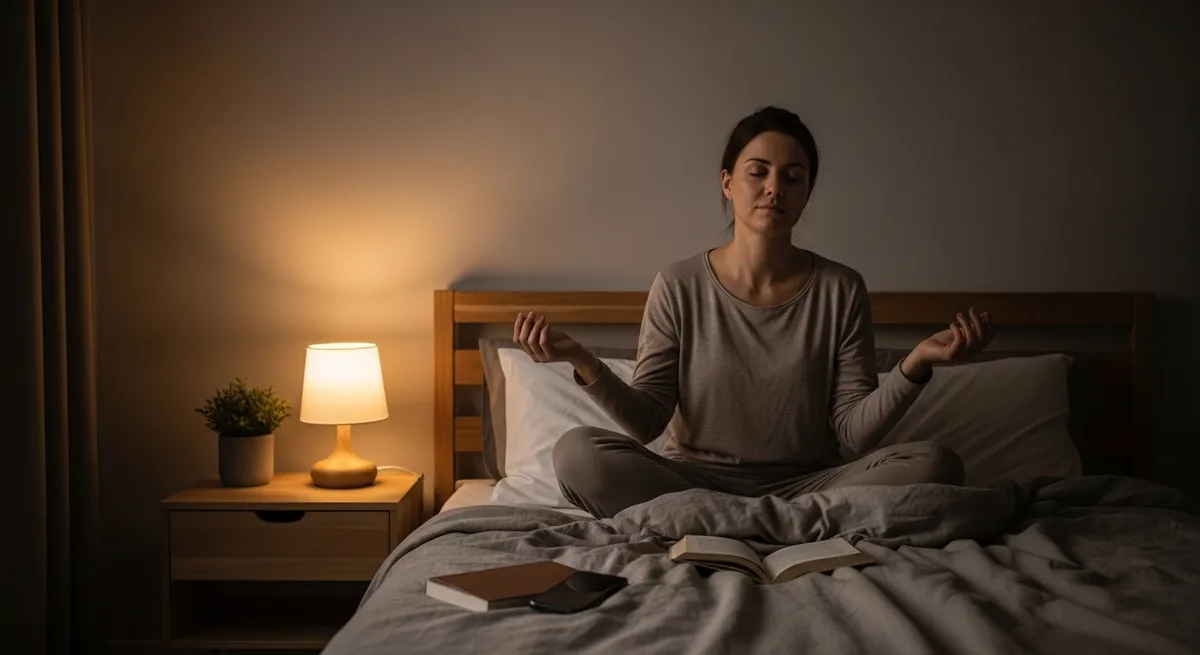
Many people lie in bed feeling tired while their thoughts continue moving from one idea to another. This pattern often appears after busy days filled with work, parenting, or emotional demands. Gentle practices like affirmations are commonly used to help the mind slow down and support a smoother transition into restful sleep.
Affirmations are short, calming statements repeated quietly before sleep to guide attention away from stress. They are often included in simple bedtime routines because they require no tools or preparation. With regular use, many people notice a gradual shift toward a more relaxed and steady mental state at night.
16 Affirmations for Relaxing Sleep: Understanding 16 Affirmations for Relaxing Sleep
Affirmations for relaxing sleep are simple phrases repeated to encourage calm thinking before bedtime. They are commonly associated with reducing mental noise and helping the body settle into a restful rhythm. Many people use them as part of a consistent evening routine to support emotional ease.
These affirmations are usually practiced in quiet environments such as a dimly lit bedroom. Repeating the same phrases nightly can create familiarity, which supports relaxation over time. Wellness educators often note that consistency matters more than perfection when building calming habits like this.
Why the Mind Stays Active at Night
The mind often stays active at night because it processes unfinished thoughts and daily experiences. When external distractions reduce, internal thinking can feel stronger and more noticeable. This is a common experience for working individuals and parents managing multiple responsibilities throughout the day.
Daily habits also influence nighttime mental activity, especially exposure to screens and late tasks. Lifestyle guidance often suggests creating a wind-down period before sleep to reduce stimulation. Simple practices like affirmations can help redirect attention and support a calmer mental state.
The Role of Affirmations in Sleep Routines
Affirmations are often included in bedtime routines because they provide a steady mental focus. Repeating calm statements can gently shift attention away from worry and toward relaxation. This makes them a practical addition to everyday sleep hygiene practices.
They do not require special techniques, which makes them easy to use consistently. Many people repeat affirmations silently while lying down or preparing for sleep. Over time, this repetition can help create a familiar mental pattern linked with rest and comfort.
1. I release today and rest
This affirmation supports the idea of mentally closing the day and letting go of responsibilities. It is often used to acknowledge that the day has ended, even if everything was not completed. In everyday use, it helps reduce the habit of replaying events before sleep.
Repeating this phrase slowly can create a sense of closure that supports relaxation. Many people find it useful after long or demanding days when thoughts continue to linger. With regular practice, it may help shift attention away from unfinished tasks toward rest.
2. My mind is calm and relaxed
This affirmation encourages a quieter mental state by focusing attention on calmness. It is often used when thoughts feel scattered or continuous at night. Repeating it gently can support slower thinking and reduce mental overstimulation.
The rhythm of repetition plays an important role in its effect. Speaking or thinking the words slowly helps the mind settle naturally. Over time, this practice can help build a stronger connection between bedtime and a calm mental state.
3. I am safe and at peace
This statement focuses on creating a sense of emotional security before sleep. Feeling safe is commonly linked with the ability to relax both mentally and physically. Repeating this affirmation can help reduce subtle feelings of alertness that interfere with rest.
Many people use this phrase while lying in a comfortable environment to reinforce safety. The combination of a calm space and reassuring words supports relaxation. With consistency, it may help the body feel more at ease during bedtime.
4. Today is complete, tomorrow will come
This affirmation helps shift focus away from unfinished tasks and future concerns. It supports acceptance of the present moment without extending responsibilities into the night. Many people find it useful when their thoughts move toward planning or worrying.
Repeating this phrase gently reminds the mind that rest is part of a balanced routine. It encourages a pause between days rather than continuous activity. Over time, this approach can support a more structured and calm transition into sleep.
5. I welcome deep, restorative sleep
This affirmation sets a positive intention for rest without creating pressure. It helps the mind approach sleep as a natural process rather than something to force. Many people include intention-setting in their routines to support consistency.
Repeating this phrase slowly can create a relaxed expectation around sleep. It encourages acceptance and reduces tension linked with trying too hard. With regular use, it may support a more natural approach to falling asleep.
6. I inhale peace and exhale fear
This affirmation is often paired with slow breathing to support relaxation. Combining words with breathing creates a steady rhythm that calms both mind and body. It is commonly used as a short practice before sleep.
Many people follow a simple pattern of inhaling slowly and exhaling gently while repeating the phrase. This helps maintain focus and reduce distractions. Over time, this combination can support a more grounded and peaceful bedtime experience.

7. I have done enough today
This affirmation addresses the habit of self-criticism that can appear at night. It encourages acknowledgment of effort rather than focusing only on outcomes. Many people use it to reduce pressure and support emotional balance.
Repeating this statement can help ease the tendency to evaluate the day repeatedly. It creates space for acceptance and rest. With consistency, it may support a more relaxed mindset during bedtime.
8. Sleep comes naturally to me
This affirmation reinforces trust in the body’s natural ability to sleep. It helps reduce the pressure that comes from trying too hard to fall asleep. Many people use it to shift from effort to acceptance.
Repeating this phrase can help ease frustration when sleep feels delayed. It reminds the mind that sleep is a natural process. Over time, this approach may support a more relaxed and patient attitude toward bedtime.
9. I am grateful for this comfort
This affirmation focuses on appreciating the immediate environment and sense of safety. It is often used to shift attention from stress to present comfort. Gratitude practices are commonly linked with calmer mental states.
Many people find it helpful to notice small details like a comfortable bed or quiet space. Repeating this phrase gently supports awareness of these comforts. Over time, this habit may contribute to a more peaceful bedtime routine.
10. I deserve rest and recovery
This affirmation emphasizes that rest is a basic need rather than a reward. It helps challenge the belief that rest must be earned through productivity. Many people use it to support a healthier balance between work and recovery.
Repeating this statement can reduce feelings of guilt around resting. It encourages acceptance of rest as part of daily life. With regular use, it may support more consistent and balanced sleep habits.
11. My bedroom supports healing sleep
This affirmation highlights the importance of environment in sleep quality. It encourages viewing the bedroom as a place of comfort and relaxation. Many people use it alongside simple changes like reducing noise or light.
Repeating this phrase helps build a positive association with the sleep space. Over time, entering the bedroom may feel more calming. This approach is commonly included in lifestyle guidance for improving sleep routines.
12. I release worry and embrace hope
This affirmation supports a shift from anxious thinking to a calmer perspective. It helps reduce emotional tension carried into bedtime. Many people use it to create a more balanced mental state.
Repeating this phrase can help create a sense of lightness and emotional ease. It allows thoughts to settle without ignoring important concerns. Over time, this practice may support a more peaceful sleep experience.
13. My body knows how to sleep
This affirmation builds trust in natural biological processes. It helps reduce the need to control or monitor sleep actively. Many people use it to move away from overthinking at bedtime.
Repeating this phrase reminds the mind that sleep happens naturally. It supports a more relaxed approach to rest. With consistency, it may help reduce tension related to falling asleep.
14. I sleep with a calm mind
This affirmation focuses on reinforcing a peaceful mental state during sleep. It is often used with visualization of calmness. Many people combine it with quiet breathing for better effect.
Repeating this phrase helps create a consistent image of relaxation. Over time, this mental pattern may become more familiar. This supports a smoother transition into sleep.
15. I choose rest over worry
This affirmation highlights the ability to guide attention intentionally. It supports stepping away from repetitive or anxious thoughts. Many people use it as a simple reminder during bedtime.
Repeating this phrase encourages awareness without engaging with stress. It provides a clear direction toward rest. Over time, this practice may support a calmer nighttime routine.
16. I will wake refreshed and renewed
This affirmation focuses on creating a positive expectation for the next day. It helps connect restful sleep with daily life. Many people include it as the final statement in their routine.
Repeating this phrase gently can support a hopeful and calm mindset. It encourages a smooth transition into sleep. Over time, this practice may contribute to a more consistent sleep pattern.
Frequently Asked Questions

Do affirmations work while you are sleeping
Affirmations are mainly practiced before sleep rather than during sleep itself. The repetition beforehand is commonly associated with shaping thought patterns as the mind settles. Many people include them in nightly routines to support a calmer transition into rest.
What are the best affirmations for a quiet mind at night
Affirmations that focus on calmness, safety, and letting go are commonly used at night. Simple phrases about relaxation and peace are often chosen because they are easy to repeat. Many people select affirmations that feel natural and personally meaningful.
How long does it take for sleep affirmations to show effects
The effects of affirmations can vary depending on consistency and individual habits. Many people notice gradual changes after a few weeks of regular practice. Lifestyle guidance generally encourages patience and steady use rather than expecting immediate results.
Can affirmations be used every night safely
Affirmations are generally safe to use as part of a bedtime routine. They do not involve physical effort or complex techniques. Many people use them nightly because they are simple, flexible, and easy to include in daily life.
How do affirmations help reduce overthinking at night
Affirmations help redirect attention by providing a simple focus for the mind. This shift is commonly associated with reducing repetitive thinking patterns. Many people combine affirmations with breathing or quiet environments for better results.
Is it better to say affirmations silently or aloud
Affirmations can be repeated silently or spoken softly depending on comfort. Silent repetition is often preferred at night to maintain a calm setting. Both methods are commonly used and can be effective with regular practice.
Can affirmations replace other sleep practices
Affirmations are usually used alongside other sleep habits rather than replacing them. Practices like maintaining a routine and reducing stimulation are also important. Together, these approaches create a more supportive sleep environment.
Do affirmations help with long-term sleep habits
Affirmations are often included in building consistent sleep routines over time. Their effect is commonly linked to repetition and familiarity. When combined with other habits, they may support more stable sleep patterns.
Are affirmations suitable for working parents
Affirmations are commonly used by working parents because they require very little time. They can be practiced quietly without affecting others in the household. This makes them a practical option for busy daily schedules.
Can affirmations be personalized
Affirmations can be adjusted to match personal preferences and experiences. Many people create their own phrases based on what feels calming. This flexibility helps maintain consistency and makes the practice more meaningful.
Conclusion
Affirmations for relaxing sleep offer a simple way to support a calmer mindset before bedtime. With regular practice, they can become a familiar part of a steady routine. Over time, this approach may help create a more balanced and restful experience at night.
Medical Disclaimer
This content is for informational purposes only and does not constitute medical advice. Consult a qualified healthcare provider before starting any new health routine, especially if you have existing conditions or ongoing sleep concerns requiring professional evaluation or treatment.
Image Generation Prompts
For wider background on this, see the Greater Good Science Center at UC Berkeley.