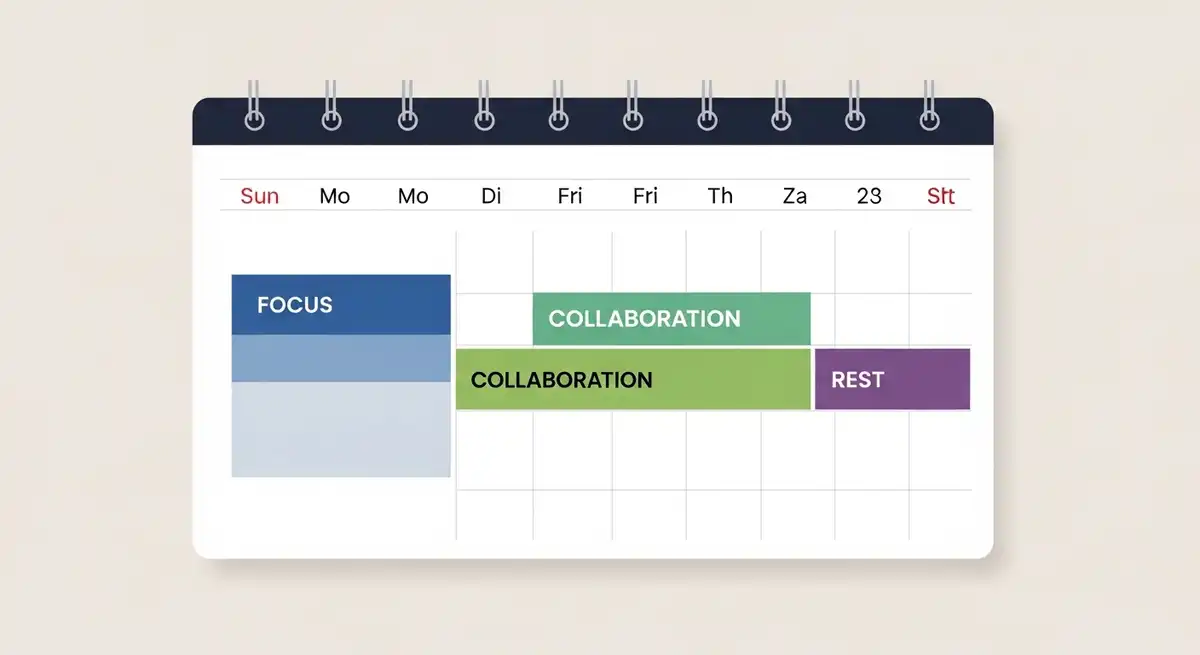

Breathwork for releasing stored emotions is often discussed in wellness education because many people notice that stress does not disappear when a difficult period ends. Physical signs such as shallow breathing, tight muscles, or emotional reactivity can continue long after circumstances change. Lifestyle educators explain breathwork as a supportive way to notice how the body carries strain over time.
Everyday responsibilities like work pressure, caregiving, and constant digital engagement place steady demands on the nervous system. These demands can accumulate quietly, shaping posture, breathing habits, and emotional responses without conscious awareness. Breathwork is commonly introduced as a gentle method for bringing attention back to the body in a structured and non-invasive way.
Within public-facing wellness writing, breathwork for releasing stored emotions is framed as an awareness-based practice rather than an emotional intervention. The emphasis stays on observing breath patterns and physical sensations without interpretation. This approach aligns with ethical wellbeing standards that prioritise safety, neutrality, and self-observation.
What is breathwork for releasing stored emotions?
Breathwork for releasing stored emotions refers to guided breathing practices used to observe and regulate how the body responds to stress over time. By adjusting breathing rhythm and depth, people often notice changes in muscle tension, awareness, and emotional tone. Sessions typically last between ten and forty five minutes and focus on sensation rather than emotional analysis.
Breathwork for Releasing Stored Emotions and Nervous System Healing
Autonomic Nervous System regulation through breathing
Breathwork for releasing stored emotions is closely linked to how the autonomic nervous system responds to breathing patterns. Faster or shallow breathing is commonly associated with alertness and urgency, while slower breathing supports rest and recovery. Wellness educators often highlight breathing as one of the few body functions that can be influenced consciously and automatically.
Over time, repeated stress can make the nervous system less flexible. This may show up as difficulty relaxing or staying focused. Breathing practices are commonly used to support gradual regulation, allowing the body to move more easily between activity and rest during daily routines.
Somatic memory and emotional storage in tissues
Somatic memory is a term used to describe how the body retains impressions of stress through posture, muscle tone, and breathing habits. When experiences feel overwhelming, the nervous system may prioritise protection over full processing. Breathwork for releasing stored emotions is often used to notice these patterns without needing to recall specific events.
Physical sensations such as tightness or restlessness may appear without clear emotional labels. Lifestyle guidance encourages observing these sensations with curiosity rather than meaning-making. This approach supports awareness while avoiding emotional overwhelm.
How breath bypasses analytical thinking
Breathing patterns influence areas of the brain involved in attention and emotional regulation. When breathing slows or becomes more rhythmic, mental activity often softens naturally. Breathwork for releasing stored emotions is described as shifting awareness away from constant thinking toward physical sensation.
This change can make internal experiences feel clearer and less reactive. Instead of analysing emotions, individuals notice how sensations rise and fall. Such observation supports emotional awareness without pushing for interpretation or resolution.
Vagal Tone and Emotional Regulation
Vagus nerve stimulation through exhalation
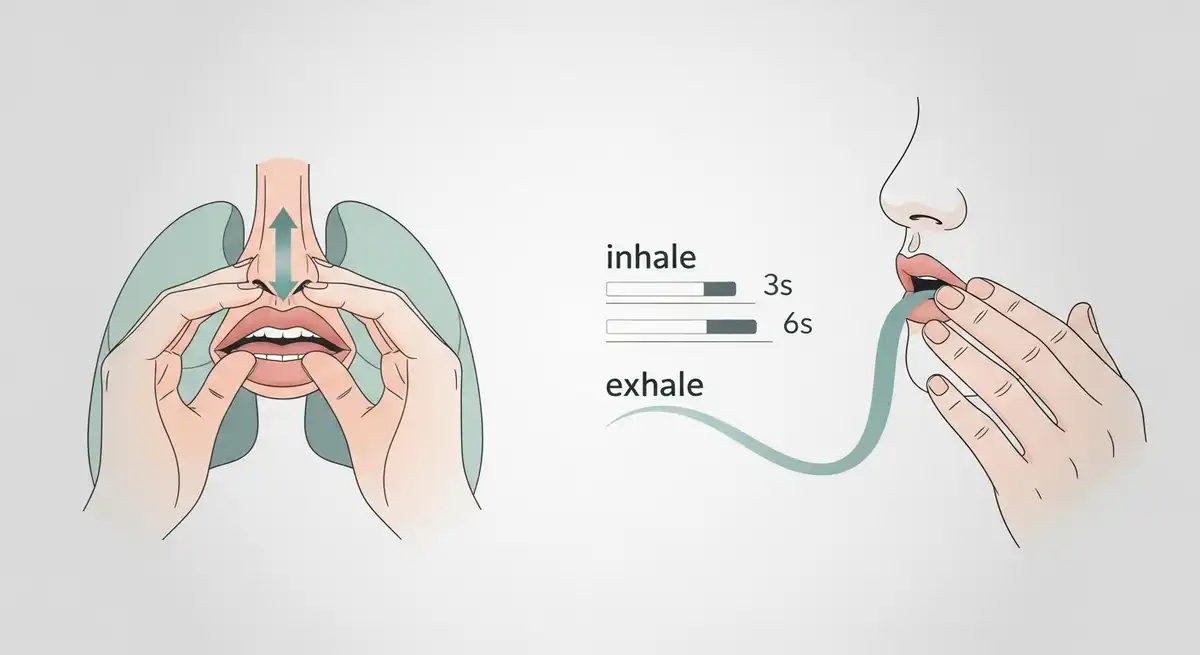
The vagus nerve plays a role in regulating heart rate, digestion, and breathing. Longer exhalations are commonly used in wellness practices to support this nerve’s calming influence. Breathwork for releasing stored emotions often includes slow breathing patterns that emphasise relaxed exhalation.
These patterns are frequently used during transitions, such as before sleep or after work. Over time, people may notice greater ease returning to calm after stress. This gradual shift supports everyday emotional balance rather than dramatic change.
Heart rate variability as a resilience marker
Heart rate variability describes how the heart responds to changes in breathing and activity. Higher variability is often associated with adaptability to stress. Breathwork for releasing stored emotions is sometimes linked to improved variability through consistent, paced breathing.
Wearable devices have made this metric more visible, helping people observe patterns over time. Wellness educators stress that numbers are informational rather than evaluative. The focus remains on comfort and awareness, not performance.
Cortisol and inflammatory response modulation
Cortisol is commonly described as a stress-related hormone involved in daily energy regulation. Prolonged stress may influence cortisol rhythms and inflammatory responses. Breathwork for releasing stored emotions is often discussed as a supportive practice that encourages calmer physiological states.
Lifestyle education avoids claims of direct hormonal control. Instead, it emphasises that regular calming practices may support overall balance. Consistency is highlighted as more relevant than intensity.
Breathwork Modalities for Emotional Clearing
Holotropic and high-ventilation techniques
Holotropic-style breathwork uses continuous, faster breathing patterns, often combined with music and guidance. These sessions are typically facilitated in group settings and are not part of everyday routines. Breathwork for releasing stored emotions at this intensity is usually discussed with clear safety boundaries.
Public-facing wellness guidance notes that such methods are optional and not suitable for everyone. Structured support and integration are emphasised. This framing supports informed choice rather than recommendation.
Somatic breathwork and body-focused release
Somatic breathwork centres attention on physical sensations rather than emotional expression. Breathing remains moderate while awareness stays with bodily responses. Breathwork for releasing stored emotions through this approach is often described as gradual and grounded.
People may notice subtle movements, warmth, or shifts in posture. These experiences are explained as physical responses, not emotional breakthroughs. The emphasis stays on comfort and self-regulation.
Yogic practices like Nadi Shodhana
Yogic breathing practices are commonly included due to their accessibility. Nadi Shodhana, or alternate nostril breathing, is often used to support balance and focus. Breathwork for releasing stored emotions in this form is gentle and easily integrated into daily life.
Short sessions of five to ten minutes are typical. Wellness education presents this method as supportive rather than corrective. Regular practice supports familiarity with breathing patterns.
Safety, Sensations, and Integration
Physical sensations during emotional release
Physical sensations during breathwork vary widely and are often temporary. Tingling, hand tension, or temperature changes are commonly reported. Breathwork for releasing stored emotions explains these sensations as natural responses to changes in breathing and circulation.
Educational framing reduces fear by normalising these experiences. Slowing the breath or pausing is commonly suggested if discomfort arises. Safety and self-trust remain central themes.
Psychological defenses and the urgency barrier
Resistance during breathwork may appear as restlessness or distraction. Wellness educators describe this as a protective response rather than a problem. Breathwork for releasing stored emotions encourages noticing these impulses without forcing continuation.
Gentle awareness supports safety and choice. Over time, recognising resistance can increase trust in bodily signals. This perspective avoids pressure or expectation.
Medical considerations and contraindications
Not all breathwork approaches are appropriate for everyone. Intense techniques may not suit people with certain medical conditions. Breathwork for releasing stored emotions is presented with clear guidance to consult healthcare professionals when unsure.
Gentle breathing practices are generally emphasised for daily use. This distinction supports ethical wellness communication. Respecting individual limits is prioritised.
Closing paragraph Breathwork for releasing stored emotions is best understood as a way to observe how stress patterns show up physically. The practice supports awareness and nervous system flexibility rather than emotional outcomes. When approached with patience and care, breath-focused practices fit naturally into sustainable wellness routines.
Frequently Asked Questions
Can breathwork release repressed memories?
Breathwork can bring awareness to sensations linked to past stress, but it does not guarantee memory recall. Many people notice physical or emotional shifts without clear narratives. This process is often framed as awareness-based rather than memory-focused, supporting safety and gradual understanding.
Why do people cry during breathwork sessions?
Crying during breathwork is commonly described as a natural response to relaxation and nervous system settling. It does not necessarily indicate emotional processing or distress. Wellness education encourages allowing such responses without interpretation or expectation.
Is it safe to practice somatic breathwork daily?
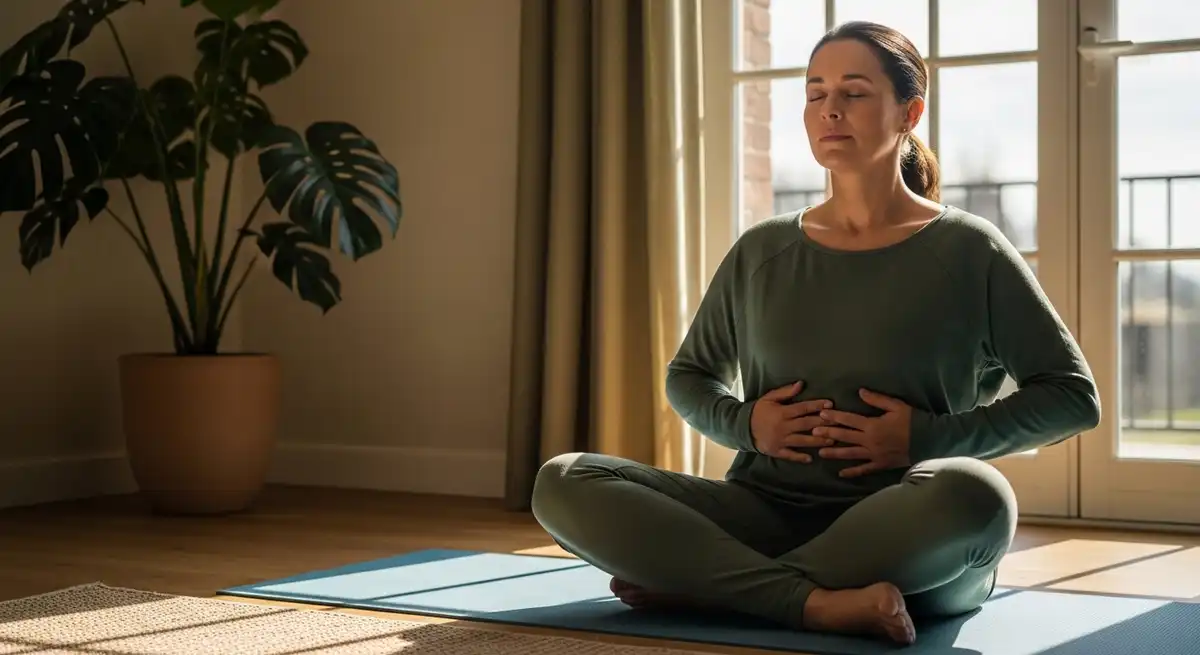
Gentle somatic breathwork is generally considered suitable for regular practice when intensity remains low. Short sessions support familiarity without overstimulation. People are encouraged to adjust frequency based on comfort and daily energy levels.
How does breathwork affect anxiety levels?
Breathwork is often used to support calmer breathing patterns during stressful moments. Slower breathing may encourage a sense of steadiness. Wellness guidance avoids claims of anxiety treatment, focusing instead on moment-to-moment regulation.
What is tetany in breathwork and why does it occur?
Tetany refers to temporary muscle tightening sometimes experienced during rapid breathing. It is explained as a physical response to changes in blood chemistry. Slowing the breath typically reduces this sensation.
Which breathwork technique works best for beginners?
Beginners are often encouraged to start with slow nasal breathing and relaxed exhalation. These approaches are simple and accessible. Over time, familiarity may guide exploration of other methods.
How long does emotional release take with breathwork?
Experiences vary widely and depend on individual context. Some notice changes quickly, while others observe gradual shifts over weeks. Wellness education emphasises patience rather than timelines.
Can breathwork replace therapy for trauma?
Breathwork is not positioned as a replacement for professional support. It is described as a complementary lifestyle practice. Professional care remains important for trauma-related concerns.
What sensations indicate successful emotional release?
There is no single indicator of success in breathwork. Many notice relaxation or clarity rather than intensity. Wellness framing values subtle changes over dramatic experiences.
When should breathwork sessions be avoided?
Breathwork is often paused during illness, extreme fatigue, or discomfort. Gentle breathing remains an option when unsure. Listening to bodily signals is consistently encouraged.
Medical Disclaimer
This content is for informational purposes only and does not constitute medical advice. It is not intended to diagnose, treat, cure, or prevent any condition. Always consult a qualified healthcare provider before beginning any wellness practice, especially if you have existing health concerns.
For wider background on this, see the National Heart, Lung, and Blood Institute on sleep.