
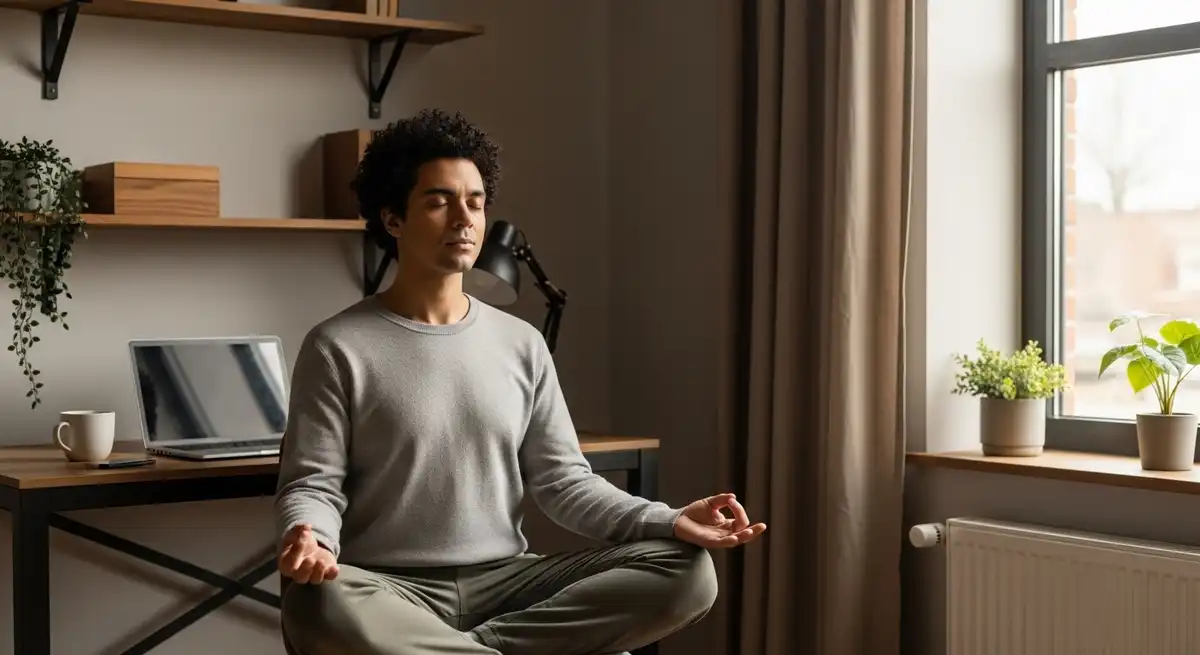
Meditation is often described as a long, quiet practice that requires time, privacy, and ideal conditions, which makes it feel unrealistic for many people. In everyday life, responsibilities such as work deadlines, caregiving, household tasks, and constant notifications limit uninterrupted time. A five minute daily meditation reframes mindfulness as a brief, supportive pause that fits naturally into real routines without pressure or perfection.
5 minute meditation: Five Minute Meditation

Many wellness educators emphasize that short moments of intentional awareness can support emotional steadiness when practiced consistently. Rather than aiming for silence or deep states, five minutes allows space to slow down and notice the present moment. This approach treats meditation as a lifestyle habit that complements daily life instead of competing with it.
This page explains how to meditate in just 5 minutes a day using practical, safety focused guidance. The information is educational and grounded, avoiding exaggerated promises or therapeutic claims. Meditation is presented as a general wellbeing practice that can be adapted to individual circumstances without replacing professional care.
Understanding the idea of 5 minute meditation
Five minute meditation refers to setting aside a brief period to focus attention intentionally, usually on breathing, bodily sensations, or simple awareness. It is widely used in beginner mindfulness programs because it lowers the barrier to starting. Short duration reduces resistance and makes daily practice more achievable for people with busy schedules.
In everyday routines, five minute meditation functions as a pause rather than an escape. Many people use it to reset between tasks or transitions. Over time, this consistent pause supports familiarity with present moment awareness without demanding major lifestyle changes.
Importantly, five minute meditation is not about eliminating thoughts or stress. Thoughts continue to arise, and that is expected. The practice simply involves noticing what is present and gently returning attention, which supports awareness rather than control.
Why duration matters less than consistency
Habit research shows that repetition shapes behavior more reliably than intensity. Meditation follows this pattern, where regular short practices tend to last longer than occasional extended sessions. Five minutes practiced daily builds rhythm without relying on motivation.
Consistency reduces the mental effort needed to begin. When meditation feels small and familiar, it becomes easier to return to even on demanding days. This reliability is especially relevant for parents, caregivers, and working professionals.
From a wellbeing perspective, consistency allows gradual adjustment rather than abrupt change. Awareness develops through repeated exposure to noticing and returning attention. This slow, steady process supports realistic expectations and long term use.
The role of mindfulness in short meditation
Mindfulness refers to noticing present experiences without judgment or evaluation. In a five minute meditation, mindfulness often focuses on simple sensations such as breathing or posture. This approach is widely used because it is accessible and adaptable.
In daily life, mindfulness supports awareness of internal states like tension or fatigue. Recognizing these states can encourage small adjustments, such as pausing or slowing down. These changes support balance without implying treatment or diagnosis.
Short mindfulness practices are often integrated into normal activities. Rather than separating meditation from life, this approach allows awareness to carry into everyday moments. This integration makes mindfulness practical and sustainable.
Preparing a realistic environment for practice
A five minute meditation does not require silence, candles, or a dedicated room. Many people practice in familiar spaces such as a chair, bedside, or parked vehicle. Familiarity helps the mind settle faster than novelty.
Using the same location each day creates a gentle habit cue. Over time, the body associates that space with pausing and breathing. This association supports easier entry into practice without added effort.
Simple surroundings work best. Soft lighting or a comfortable seat is enough, while heavy stimulation can make settling harder. The goal is a neutral, supportive environment rather than an ideal setup.
Choosing a time that fits daily life
Selecting a consistent time supports habit formation. Common choices include early morning, midday breaks, or evenings before rest. Each option suits different routines and responsibilities.
Morning practice is often used to begin the day with steadiness. Evening practice may support winding down after activity. Parents and caregivers often choose quieter moments when demands are lower.
What matters most is predictability. Linking meditation to an existing habit makes it easier to remember. This approach supports sustainability without relying on motivation.
Basic posture and physical comfort
Comfort supports attention during meditation. Most five minute practices use a seated posture with an upright but relaxed spine. Stability helps maintain alertness without strain.
Lying down is sometimes used, especially before sleep, but may increase drowsiness. Standing meditation works in workplaces or small spaces. The posture should feel supportive rather than rigid.
Minor movement is acceptable. Adjusting position gently respects bodily needs. Meditation is about awareness, not endurance or stillness at all costs.
Breathing as an anchor for attention
Breathing is commonly used because it is always available. Attention is placed on the sensation of air moving or the rise and fall of the body. This creates a steady reference point.
Natural breathing is preferred. Forcing the breath can create tension. When attention drifts, gently returning to breathing reinforces awareness without judgment.
In daily life, this practice supports noticing breathing patterns during stress. Awareness can encourage slower breathing naturally, supporting calmness without making medical claims.
Understanding mind wandering during meditation
Mind wandering is expected during meditation. Thoughts about tasks or memories often appear. This does not mean the practice is ineffective.
Noticing distraction is part of the practice. Each return to the chosen focus strengthens awareness. This reframing reduces frustration and self criticism.
Over time, familiarity with wandering thoughts supports emotional steadiness. Observing thoughts rather than reacting immediately is commonly associated with improved coping.
Body awareness in five minute sessions
Some people prefer body awareness over breath focus. This involves noticing sensations across the body. It is widely used in relaxation guidance.
During a short session, attention may move through major areas like shoulders and legs. The goal is observation, not forced relaxation. This supports grounding.
Body awareness is often used after long sitting or before sleep. Many people report feeling more settled. Experiences vary and remain subjective.
Using sound or vibration safely
Sound based practices such as gentle humming are sometimes used. Attention rests on vibration and sound sensation. This can feel easier than silence.
Humming softly during exhalation creates rhythm. It should remain comfortable and quiet. This approach is commonly used in relaxation routines.
In shared spaces, silent sound awareness works well. Noticing ambient sounds without labeling them supports awareness without isolation.
Integrating meditation into work routines

Five minute meditation adapts easily to work environments. It may be practiced during breaks or between tasks. This flexibility supports emotional steadiness.
Desk based practice involves upright posture and quiet breathing awareness. It remains discreet and professional. No special equipment is needed.
Workplace programs often frame meditation as a pause. This neutral framing reduces pressure and supports voluntary participation.
Parenting and caregiving considerations
Parents and caregivers often have limited personal time. Five minute meditation fits into short quiet moments. It does not require separation from responsibilities.
Some practice during early mornings or after children sleep. Others sit quietly in shared spaces. Flexibility supports continuity despite interruptions.
Meditation is not a solution to parenting stress. It is one supportive habit among many. This framing respects real challenges.
Common expectations and misconceptions
A common misconception is that meditation should feel calm every time. Sessions may feel restless or neutral. This range is normal.
Another expectation involves quick results. Lifestyle guidance emphasizes gradual change. Benefits, when noticed, tend to be subtle.
Understanding this prevents discouragement. Meditation becomes routine rather than performance.
Building a sustainable habit gently
Sustainability matters more than intensity. Starting small reduces pressure. Some begin with two minutes and grow gradually.
Linking meditation to daily cues supports habit formation. Ending sessions without judgment also helps. There is no need to evaluate performance.
Over time, practice becomes automatic. Ease replaces effort. This supports long term engagement.
Ending sessions with grounding
Ending gently supports transition back to activity. A few deeper breaths or noticing surroundings helps re entry. This step integrates awareness.
Some include brief gratitude reflection. Acknowledging something neutral or positive can feel grounding. This is optional.
Closing should feel natural. The goal is smooth transition, not extended introspection.
Safety and realistic boundaries
This meditation guidance is educational. It does not treat conditions. Individuals experiencing distress should seek professional support.
Some may feel discomfort sitting quietly. Reducing duration or stopping is appropriate. Listening to limits supports safety.
Five minute meditation remains optional and flexible. It adapts to individual needs.
Conclusion
How to meditate in just 5 minutes a day emphasizes simplicity and consistency. This approach treats meditation as a supportive pause rather than a solution. With gentle practice, five minutes can become part of daily routine, supporting awareness and balance without pressure.
Frequently Asked Questions
Is 5 minutes of meditation enough to be useful
Five minutes of meditation is commonly used in beginner wellness programs. It provides a short pause that supports awareness and steadiness. Consistency over time is generally considered more meaningful than duration.
How do I start meditating for 5 minutes a day
Starting involves choosing a seat, setting a timer, and focusing on breathing or sensations. The practice remains simple and non evaluative. Gentle beginnings support habit formation.
Can I meditate for 5 minutes at my desk
Five minute meditation can be practiced at a desk using upright posture and quiet breathing awareness. This approach suits professional settings. It allows a brief pause without disruption.
Does five minute meditation reduce stress
Five minute meditation is often associated with temporary calm. It is used as a supportive practice for stress awareness. It does not replace professional care.
What should I focus on during a five minute session
Common focus points include breathing, body sensations, or ambient sounds. Choosing one anchor supports attention. Focus may vary by preference.
When is the best time to meditate for five minutes
The best time fits consistently into routine. Morning, evening, or breaks all work. Predictability supports habit formation.
Is it better to meditate for five minutes than not at all
Short meditation supports regular practice. Five minutes allows consistency without pressure. Continuity matters.
Can five minute meditation help with sleep routines
Five minute meditation is often used before bed. It may support relaxation as part of routine. It does not treat sleep disorders.
Do I need guided meditation for five minutes
Guided meditation is optional. Some prefer guidance, others silence. The best option supports regular use.
What if my mind keeps wandering
Mind wandering is normal. Noticing and returning attention is the practice. This supports awareness without judgment.
Medical Disclaimer
This content is for informational purposes only and does not constitute medical advice. It is not intended to diagnose, treat, cure, or prevent any condition. Always consult a qualified healthcare provider before beginning any wellness practice, especially if you have existing medical concerns.