Used well, 22 Affirmations for Sleeping Peacefully are a rehearsal for what you say to yourself under pressure. Sleep difficulties often appear quietly after a long and mentally demanding day. Many people notice that their body feels tired while their thoughts continue moving from one idea to another without pause. This common experience can make falling asleep feel delayed, even when the environment is calm and comfortable.
In everyday life, mental relaxation is often treated as an important part of healthy sleep routines. Simple practices like affirmations are widely used to create a sense of ease and reduce mental noise before bedtime. These approaches are not treatments, but they are commonly included as supportive tools in daily routines.
Understanding Why the Mind Stays Active at Night
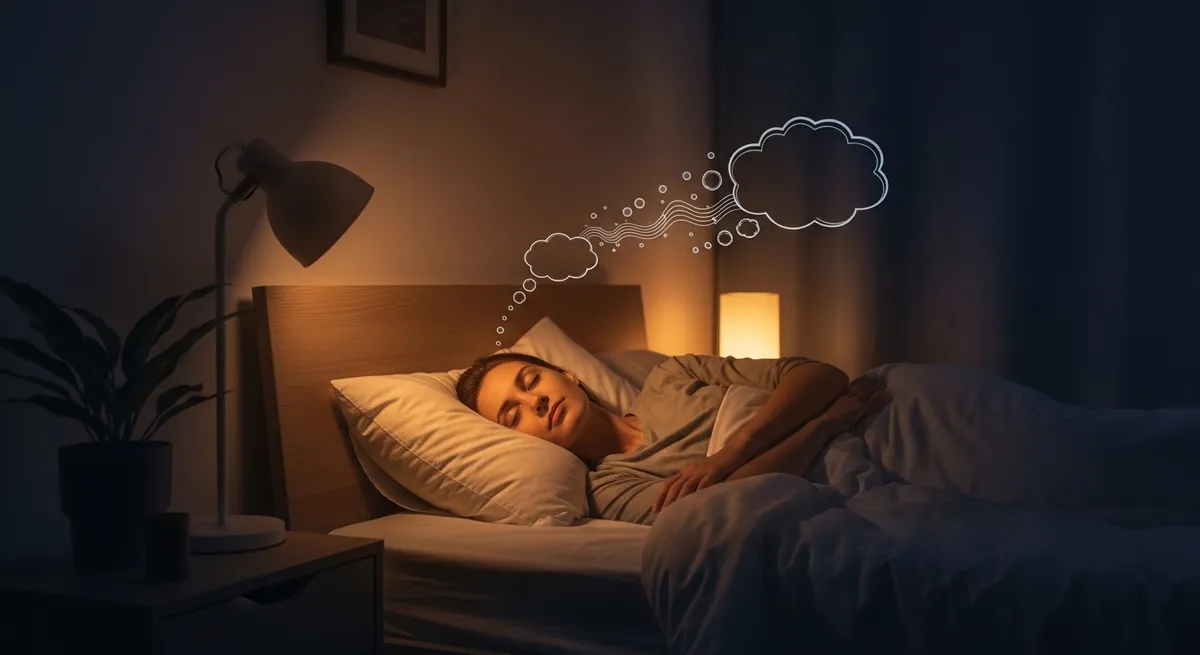
Cognitive arousal describes a state where the mind remains alert even when the body is ready to rest. This often happens when thoughts about work, relationships, or responsibilities continue without interruption. Many people notice this pattern more clearly at night because there are fewer distractions.
The brain naturally shifts inward when external stimulation reduces, especially in quiet environments. This inward focus can lead to reflection, planning, or worrying about past and future events. When this pattern continues, it can make it harder to settle into a relaxed state needed for sleep.
Daily habits often influence how active the mind remains at night. Activities like late screen use, irregular routines, or emotional stress can increase mental stimulation. Supportive practices, including affirmations, are commonly used to gently redirect attention toward calm and repetitive thought patterns.
The Role of Self-Affirmation in Emotional Balance
Self-affirmation refers to reinforcing a sense of personal stability through simple and meaningful statements. These statements are often based on acceptance, safety, or calmness, rather than forcing positivity. Many people use them as a way to steady their thoughts before sleep.
Psychological research suggests that affirmations can reduce internal tension by shifting attention away from negative thinking patterns. This does not remove stress entirely, but it can help create a more balanced emotional state. Over time, repeated use may support a calmer mental environment.
In daily routines, affirmations are most helpful when they feel realistic and easy to repeat. Statements that are too strong or unrealistic may create resistance instead of comfort. A gentle and believable tone often supports better consistency and long-term use.
How Repetition Influences Thought Patterns
The brain adapts based on repeated experiences and patterns, a concept known as neuroplasticity. When certain thoughts are repeated regularly, they can become more familiar and easier to access. This is why simple, repeated statements are often used in relaxation practices.
The reticular activating system plays a role in filtering what the brain pays attention to. Repeated ideas are more likely to be noticed and reinforced over time. Affirmations are commonly used to introduce calm and steady thoughts into this filtering system.
Consistency is more important than intensity in this process. Practicing affirmations occasionally may not create noticeable changes, but regular repetition can gradually influence mental habits. Many people include them in nightly routines for this reason.
The Pre-Sleep Window and Mental Receptivity
The time before sleep is often described as a transition phase between alert thinking and relaxation. During this period, the brain begins to slow down and become less focused on external tasks. This shift is commonly linked to increased mental receptivity.
In this relaxed state, the mind may be more open to simple and repetitive thoughts. Affirmations are often practiced during this time because they can blend naturally into this slower mental rhythm. This makes them easier to absorb without effort.
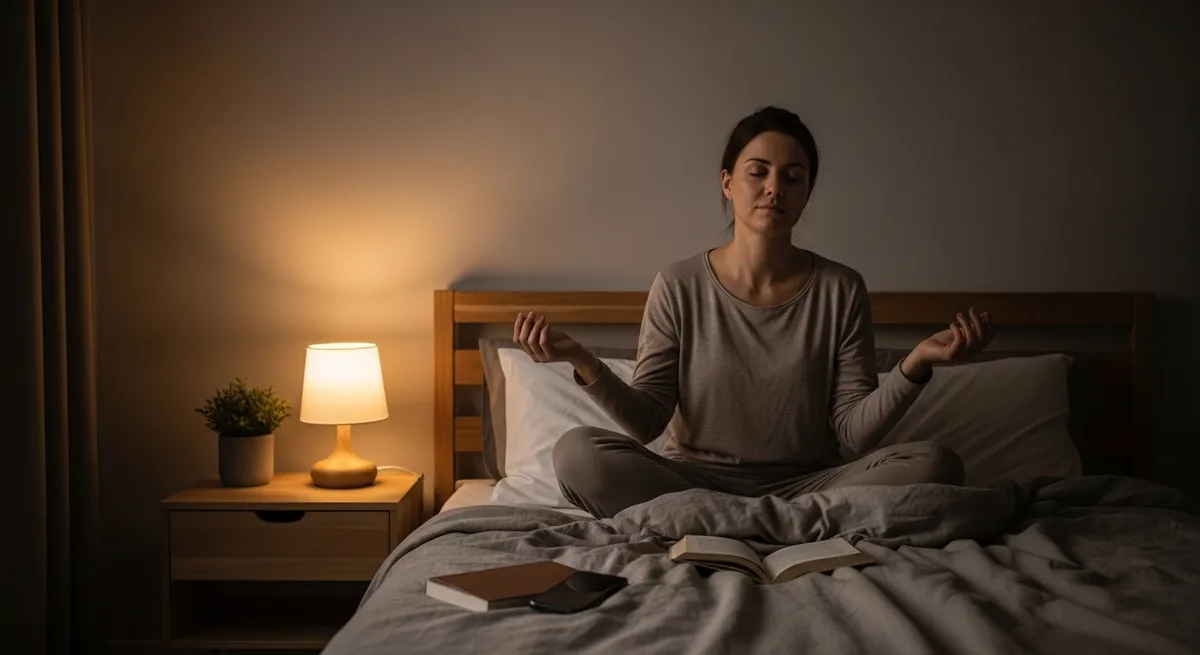
Creating a calm environment supports this transition. Reducing light, limiting noise, and avoiding stimulating activities can help the mind settle. When combined with affirmations, these adjustments can support a smoother shift into rest.
22 Affirmations for Sleeping Peacefully Explained
1. I release the weight of today
This affirmation focuses on letting go of mental and emotional load collected during the day. Many people carry unfinished thoughts or stress into the night, which can keep the mind active. Repeating this statement helps create a sense of closure and separation from daily concerns.
2. My mind is calm and my body is ready for rest
This statement encourages alignment between mental and physical states before sleep. While the body may feel tired, the mind often remains active. This affirmation supports a gentle shift toward relaxation by reinforcing readiness for rest.
3. I forgive the situation, the people, and myself
This affirmation is commonly used to release emotional tension related to unresolved experiences. Holding onto frustration or guilt can increase mental activity at night. Forgiveness-based statements help reduce this burden and support a calmer mindset.
4. I have permission to fall asleep
This statement reduces pressure related to trying to sleep. Some people experience frustration when sleep does not come easily, which can create more tension. Giving permission allows the mind to move away from effort and toward acceptance.
5. I choose peace as my priority
This affirmation reflects a conscious shift away from unnecessary thinking. Choosing peace does not remove problems, but it reduces engagement with them at night. This approach helps the mind settle into a quieter and more stable state.
6. My bed is a sanctuary of safety and comfort
This statement builds a positive mental connection with the sleep environment. Feeling safe is closely linked to the ability to relax. Many people use this affirmation to reinforce comfort and familiarity with their sleeping space.
7. I am in harmony with the universe
This affirmation supports a sense of connection and balance. It encourages acceptance of natural rhythms rather than resistance. In everyday practice, this can help reduce internal tension and support relaxation.

8. I am grateful for the darkness and the rest it brings
Gratitude shifts attention away from stress toward appreciation. This affirmation reframes nighttime as supportive rather than difficult. Many people find that focusing on gratitude helps reduce negative thinking before sleep.
9. I trust that everything is working out as it should
This statement reduces the need to control future outcomes. Overthinking often involves trying to solve problems at night. Trust-based affirmations help ease this pattern and allow the mind to rest.
10. I am safe, I am loved, and I am at peace
This affirmation reinforces emotional security and comfort. Feeling safe is an important part of relaxation. Many people use this statement to create a stable and reassuring mental state before sleep.
11. My thoughts do not define my worth
This statement encourages separation from intrusive thoughts. It reminds the mind that thoughts are temporary and not a reflection of identity. This perspective can reduce emotional intensity and support calmness.
12. I welcome deep, restorative slumber
This affirmation invites sleep rather than forcing it. A welcoming approach is often associated with less resistance. This mindset supports a smoother transition into rest.
13. I am light enough for sleep to carry me
This metaphor-based statement encourages releasing emotional heaviness. Visual imagery is commonly used in relaxation practices. This affirmation supports a feeling of ease and lightness.
14. It is okay to not have all the answers tonight
This statement addresses uncertainty and unfinished thoughts. Many people feel the need to resolve issues before sleep. Accepting uncertainty reduces this pressure and supports relaxation.
15. I embrace my dreams for a new light tomorrow
This affirmation connects rest with renewal and possibility. It shifts attention toward a calm and hopeful outlook. This perspective can support emotional comfort before sleep.
16. I release all tension with every exhale
This affirmation combines breathing with mental focus. Slow breathing is widely used to support relaxation. Pairing it with a statement reinforces both physical and mental calmness.
17. My body knows how to rest, even if tonight is not perfect
This statement builds trust in natural sleep processes. It reduces pressure to achieve perfect sleep conditions. Many people use this affirmation to create a more accepting mindset.
18. I am proud of the person I am becoming
This affirmation supports positive self-reflection. Feeling content with personal growth can reduce internal conflict. This helps create a calmer mental state before sleep.
19. I surrender to the night and its tranquility
This statement reflects letting go of control. Surrendering to natural rhythms is often linked to relaxation. This approach supports a smoother transition into sleep.
20. I am worthy of a good night’s sleep
This affirmation reinforces the importance of rest as a basic need. It helps shift beliefs around deserving rest. Many people use it to create a healthier perspective on sleep.

21. The past cannot hold me back
This statement focuses on releasing past experiences. Lingering thoughts about past events can keep the mind active. Letting go supports emotional balance and calmness.
22. As I close my eyes, I drift effortlessly into sleep
This affirmation uses simple visualization to support relaxation. Imagining the process of falling asleep can guide the mind gently. This helps create a natural transition into rest.
Complementary Lifestyle Practices for Better Sleep
Breathing exercises are commonly used to support relaxation before bedtime. Slow and controlled breathing can reduce physical tension and help the body settle. Many people combine breathing with affirmations to create a consistent and calming routine.
Journaling is often used to reduce mental clutter before sleep. Writing down thoughts or tasks helps prevent repeated thinking. This practice is commonly followed by affirmations to shift attention toward calmness.
Physical comfort plays an important role in sleep quality. Factors such as bedding, room temperature, and lighting can influence relaxation. Addressing these elements alongside mental practices creates a balanced approach.
Frequently Asked Questions
What are the best affirmations to say before sleep
The best affirmations before sleep are simple, calming, and easy to repeat. Many people choose statements focused on safety, relaxation, or letting go of the day. These affirmations are commonly used as part of bedtime routines to support a smoother transition into rest.
How do affirmations help you fall asleep faster
Affirmations help shift attention away from active thinking patterns. Repeating calming statements encourages the mind to slow down gradually. This process is commonly associated with reduced mental activity before sleep.
Can I listen to affirmations while I sleep
Listening to affirmations during sleep is sometimes used as a passive support method. While the most receptive time is before sleep, some people continue audio playback overnight. This approach is generally considered a supportive addition rather than a primary technique.
Do sleep affirmations actually work for insomnia
Sleep affirmations are commonly used to manage nighttime thought patterns. They may support relaxation, but they are not a treatment for insomnia. Ongoing sleep difficulties are generally addressed with professional guidance.
What is the difference between a sleep mantra and an affirmation
A sleep mantra is usually a repeated sound or phrase used in meditation. An affirmation is a statement that reflects a belief or intention. Both are used in relaxation routines, but they serve different purposes.
How many times should I repeat an affirmation before bed
Many people repeat affirmations several times in a slow and steady manner. The focus is usually on consistency rather than a fixed number. This helps create a calm mental rhythm before sleep.
Why does my brain keep racing when I try to sleep
A racing mind at night is often linked to cognitive arousal and ongoing mental processing. When external distractions reduce, internal thoughts become more noticeable. This is a common experience in busy lifestyles.
Are affirmations better than sleep music for anxiety
Affirmations and sleep music serve different roles in relaxation routines. Affirmations involve active repetition, while music provides passive support. Many people use both together for a balanced approach.
How can I rewire my subconscious mind for better sleep
Repeated calming thoughts and consistent routines are often linked to gradual mental changes. This process is usually described as habit formation over time. Affirmations are commonly used as part of this approach.
What are some calming phrases for overthinking at night
Calming phrases often focus on acceptance, safety, and letting go. Statements about releasing control or embracing rest are commonly used. These phrases help reduce mental activity before sleep.
Conclusion
Sleep is an essential part of daily recovery and overall wellbeing. Simple practices like affirmations are widely used to support mental calmness and reduce overthinking at night. With regular and realistic use, these techniques can become a steady part of a balanced and restful routine.
Medical Disclaimer
This content is for informational purposes only and does not constitute medical advice. Consult a qualified healthcare provider before starting any new health practice, especially if you have ongoing sleep issues or underlying medical conditions.
Image Generation Prompts
For wider background on this, see the Greater Good Science Center at UC Berkeley.