
10 Science-Backed Bedroom Design Hacks for Restful Sleep works best when it survives an ordinary bad week, not just a perfect one. Creating a restful sleep environment often gets ignored in busy routines, especially for working professionals and parents balancing many responsibilities. Your bedroom quietly influences how your body prepares for rest each night. Small, practical changes in design and layout can support better sleep patterns and help you feel more refreshed in the morning.
10 Science-Backed Bedroom Design Hacks for Restful Sleep: Understanding the Role of Bedroom Design in Sleep Quality
Bedroom design affects how your body responds to rest, especially through light, temperature, and visual surroundings. These environmental signals guide the brain in deciding whether to stay alert or begin slowing down. A well-arranged space supports natural sleep rhythms without needing major lifestyle changes or complicated routines.
Sleep hygiene refers to daily habits and environmental choices that encourage consistent and comfortable sleep. This includes maintaining a calm atmosphere, reducing noise, and keeping a predictable routine. Many people notice that improving these factors leads to better focus, steadier energy, and improved emotional balance during the day.
Even small adjustments in your bedroom can create noticeable changes over time. Simple actions like adjusting lighting or organizing clutter are often easier to maintain than drastic changes. These gradual improvements build a supportive environment that encourages relaxation without adding pressure to already busy schedules.
1. Bedroom Color Psychology for Calmness
Bedroom colors influence how the mind feels before sleep, even if it seems subtle at first. Soft shades like blue and green are often linked with calm environments because they remind the brain of nature. This visual association can help reduce mental stimulation and create a more peaceful atmosphere in the evening.
Bright and warm shades such as red, orange, and strong yellow can feel energizing, which may not suit a sleep-focused space. These colors tend to draw attention and keep the mind active for longer periods. Choosing softer tones with matte finishes helps create a more relaxed setting that supports bedtime routines.
Keeping a consistent color theme across walls, bedding, and decor makes the room feel balanced and less distracting. A unified look reduces visual clutter and helps the brain settle more easily. Many people find that a simple, coordinated design makes the bedroom feel more comfortable and inviting.
2. Light Management and Circadian Rhythm Support
Light plays a major role in how your body manages sleep and wake cycles. Exposure to bright light in the evening can delay the body’s natural signals for rest. Creating a dim and stable lighting environment helps your body recognize when it is time to wind down.
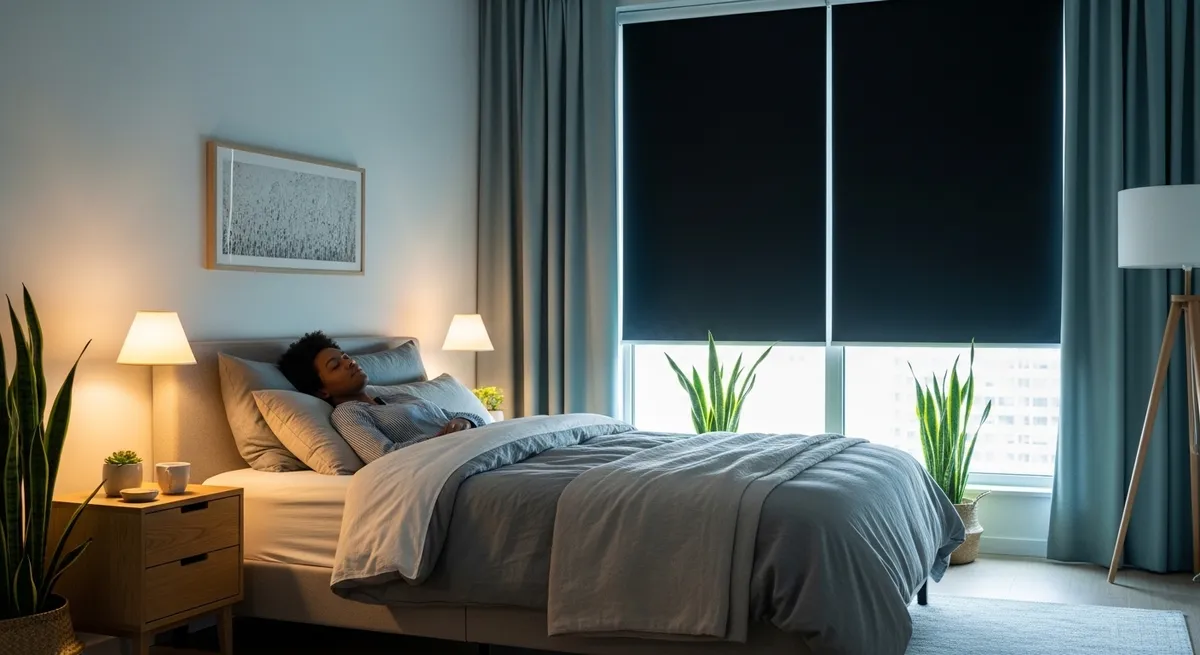
Blackout curtains are commonly used to block outside light from street lamps or early sunrise. This creates a consistent dark environment that reduces interruptions during sleep. People who are sensitive to light often notice fewer disturbances when using these curtains regularly.
Limiting screen use before bedtime is another practical adjustment that supports better rest. Devices such as phones and televisions emit blue light, which can interfere with natural sleep signals. Switching to warm lighting and reducing screen time before bed helps create a smoother transition into sleep.
3. Temperature Regulation for Comfortable Sleep
Room temperature has a strong effect on how easily the body falls asleep and stays asleep. A slightly cool environment is usually more comfortable because it matches the body’s natural drop in temperature during rest. Keeping the room at a stable temperature helps reduce waking during the night.
Comfort also depends on bedding materials and airflow within the room. Breathable fabrics and proper ventilation prevent overheating or feeling too cold. These small details often make a noticeable difference in overall sleep comfort.
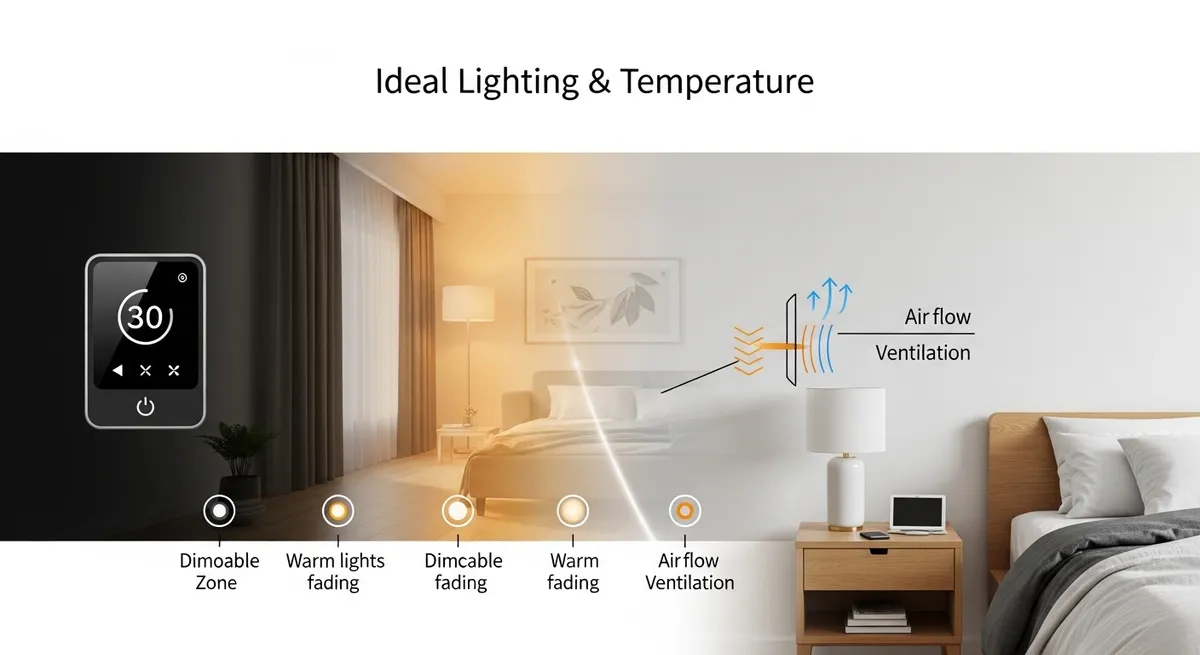
Some households use smart temperature systems to adjust conditions automatically during the night. These systems can help maintain a steady environment without manual changes. Many people find this helpful, especially during seasonal changes when temperatures fluctuate.
4. Indoor Plants and Air Quality Balance
Indoor plants can improve the feel of a bedroom by adding freshness and natural elements. Some plants are known to support air quality by filtering certain indoor pollutants. This creates a more comfortable environment for breathing during sleep.
Popular choices like snake plants and peace lilies are easy to maintain and suitable for indoor spaces. They are often selected because they require minimal care and adapt well to bedroom conditions. Their presence also adds a calming visual element to the room.
Certain plants may help maintain balanced humidity levels, especially in dry indoor environments. Dry air can sometimes cause discomfort during sleep, such as throat dryness. A balanced indoor climate supports easier breathing and a more relaxed experience.
5. Reducing Electronic Distractions in the Bedroom
Electronic devices are common in bedrooms, but they can interrupt the natural process of winding down. Notifications, light, and mental engagement from devices can keep the brain active longer than needed. Reducing these distractions supports a smoother transition into rest.
Keeping devices away from the bed is a simple way to reduce late-night usage. This helps limit the habit of checking messages or scrolling before sleep. Over time, this change can support a more consistent and calming bedtime routine.
Using simpler alternatives like basic alarm clocks or keeping chargers at a distance can further reduce distractions. A less cluttered space encourages the mind to relax more easily. These small steps create a quieter and more focused sleep environment.
6. Smart Lighting and Evening Wind-Down Practices
Smart lighting systems allow gradual dimming in the evening, which helps signal the body to prepare for sleep. This change in lighting mimics the natural transition from daylight to darkness. Consistent patterns like this support the body’s internal clock.
Warm lighting tones are often preferred at night because they feel softer and less stimulating. Bright white lights can feel harsh and may keep the mind alert. Adjusting lighting color and intensity creates a more comfortable environment for relaxation.
Some systems also include features like calming sounds or automatic adjustments. These additions create a predictable routine that encourages relaxation. Many individuals find that structured evening habits make it easier to settle into sleep.
7. Pillow and Mattress Alignment for Physical Comfort
Physical comfort plays an important role in staying asleep through the night. Proper pillow height supports the natural position of the neck and spine, which reduces discomfort. Choosing a pillow based on sleeping position can improve overall support.
Mattress firmness also affects how the body is supported during sleep. A balanced level of firmness helps distribute weight evenly and reduces pressure points. This can prevent discomfort that might otherwise disturb sleep.
Checking bedding quality regularly ensures that it continues to provide proper support. Over time, pillows and mattresses can lose their shape and effectiveness. Replacing them when needed helps maintain a comfortable sleep environment.
8. Decluttering and Creating a Calm Environment
A cluttered bedroom can make it harder for the mind to relax at night. Visual distractions often remind people of unfinished tasks or responsibilities. A cleaner space supports a calmer mental state before sleep.
Simple organization methods like storage boxes or minimal decor can reduce visual noise. Keeping surfaces clear helps create a sense of order and calmness. This approach is often easier to maintain with small daily habits.
Consistency matters more than perfection when it comes to organization. Regularly tidying up can help maintain a peaceful environment over time. A well-organized space encourages the mind to slow down more naturally.
9. Bedroom Layout for Ease and Safety
The way furniture is arranged in a bedroom affects both comfort and movement. Clear pathways make it easier to move around safely, especially at night. This reduces the risk of accidents in low-light conditions.
Placing the bed away from direct light or noise sources helps create a more restful sleeping area. This setup minimizes disturbances and supports uninterrupted sleep. Many people find that thoughtful placement improves comfort.
Keeping essential items within easy reach while avoiding clutter creates balance. A practical layout supports both daily use and relaxation. This combination helps create a more comfortable and functional space.
10. Essential Sleep-Supporting Bedroom Elements
Blackout curtains are widely used to create a darker sleeping environment by blocking external light. They also help maintain a stable room temperature. This combination supports a more consistent and comfortable sleep experience.
Supportive pillows made from memory foam or latex are often chosen for their ability to maintain shape. These materials adapt to the body and provide steady support throughout the night. Many people prefer them for long-term comfort.
Smart thermostats help maintain consistent temperature conditions without manual adjustments. They can be programmed to match personal sleep preferences. This makes it easier to create a stable environment for rest.
Indoor plants add both visual and functional benefits to the bedroom. They contribute to air quality and create a calming atmosphere. Their presence supports a more relaxed environment overall.
Simple bedroom accessories with minimal electronic interference help reduce distractions. Limiting unnecessary items creates a cleaner and quieter space. This supports better sleep habits over time.
Lifestyle Integration for Working Individuals and Parents
Busy schedules can make it difficult to focus on sleep, especially for working individuals and parents. Creating a supportive bedroom environment is a practical way to improve rest without major lifestyle changes. Small adjustments can fit easily into existing routines.
Keeping work-related items out of the bedroom helps create a clear mental boundary. This separation allows the mind to associate the space with rest instead of productivity. Over time, this can support better sleep consistency.
Families often benefit from creating calm and predictable bedroom environments. Consistent design and routines support better sleep habits for both adults and children. This contributes to a more balanced daily routine.
Frequently Asked Questions
What color helps you sleep best?
Cool colors like blue and green are often associated with relaxation and calmness. These shades create a peaceful visual environment that supports winding down. Using soft tones instead of bright colors can make the bedroom feel more comfortable for sleep.
Is it better to sleep in a cold or warm room?
A slightly cool room is generally more comfortable for sleep because it matches the body’s natural temperature drop. Consistent temperature helps reduce disturbances during the night. Maintaining a balanced environment supports better rest over time.
Do indoor plants improve bedroom air quality?
Indoor plants can support air quality by filtering certain pollutants and adding freshness to the room. While they are not a complete solution, they contribute to a healthier environment. Combining plants with ventilation creates better overall comfort.
How high should a pillow be for side sleepers?
Side sleepers usually benefit from a higher pillow that supports the neck and shoulders. This helps maintain proper alignment during sleep. Choosing the right pillow height can reduce discomfort and improve overall sleep quality.
Do blackout curtains really help sleep?
Blackout curtains reduce external light, which helps create a darker and more stable sleep environment. This can support consistent sleep patterns and reduce interruptions. Many people find them useful, especially in bright or urban areas.
Is it unhealthy to keep a phone in the bedroom?
Keeping a phone in the bedroom can increase distractions and delay sleep due to screen exposure. Limiting device use before bed supports better sleep habits. Placing devices away from the bed helps create a calmer environment.
What is the best temperature for deep sleep?
A cool and stable room temperature is often associated with better sleep quality. This supports the body’s natural cooling process during rest. Maintaining consistent conditions helps improve comfort throughout the night.
Does bedroom clutter affect sleep quality?
Clutter can create mental distractions that make it harder to relax before sleep. A clean and organized space supports a calmer environment. Simple organization habits can improve overall comfort.
How can I reduce EMF in my bedroom?
Reducing electronic devices and keeping them away from the bed can help minimize distractions. Turning off unused devices at night is a simple step. A less cluttered environment supports better sleep routines.
What light color is best for sleeping?
Warm lighting is commonly preferred because it creates a soft and calming atmosphere. Lower light intensity helps signal the body to prepare for rest. Adjusting lighting is a simple way to improve sleep conditions.
Conclusion
The Best Bedroom Design Hacks for Restful Sleep focus on creating a balanced and calming environment that supports natural rest. Small changes in light, color, temperature, and layout can make a noticeable difference over time. Building these habits gradually helps turn your bedroom into a reliable space for comfort and consistent sleep.
Medical Disclaimer
This content is for informational purposes only and does not constitute medical advice. Consult a qualified healthcare provider before starting any new health program, treatment, or lifestyle change, especially if you have existing medical conditions or sleep disorders.
Image Generation Prompts
For wider background on this, see the American Psychological Association on stress.