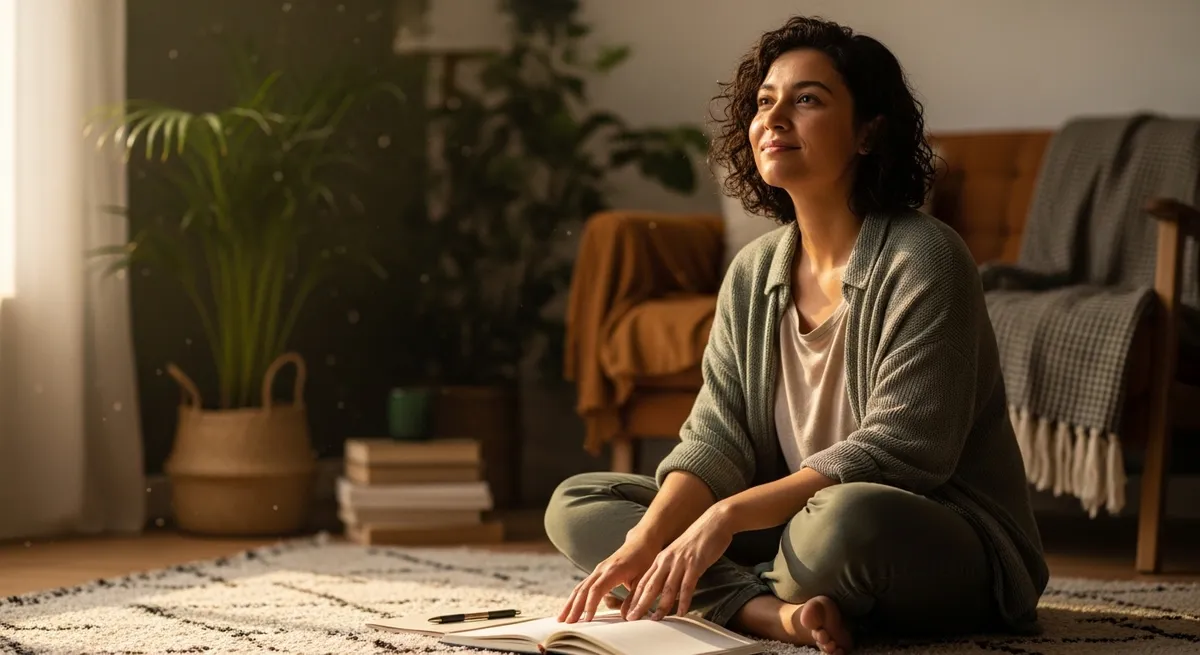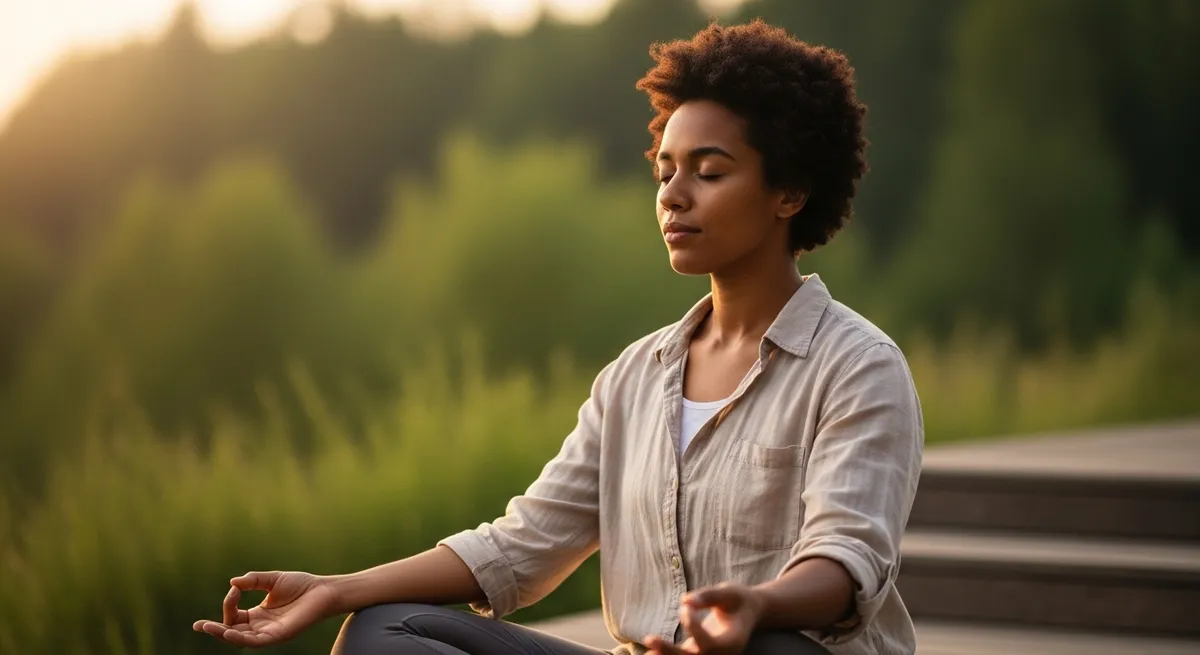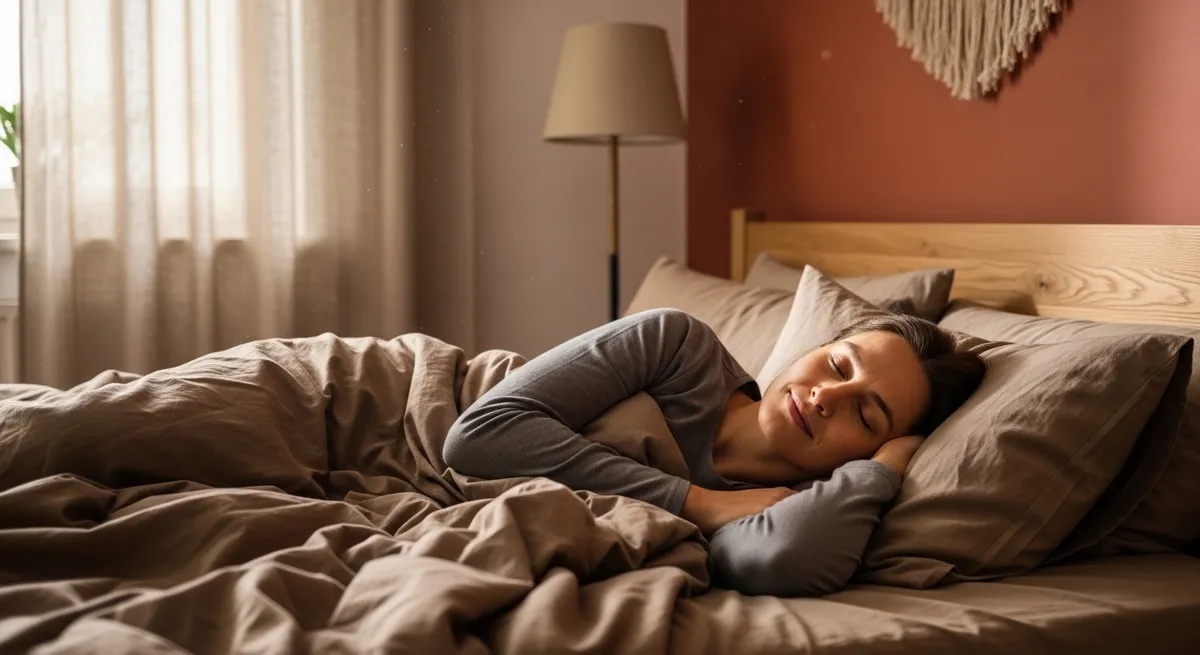
Evenings often carry leftover stress from work, family responsibilities, and constant screen exposure. Many people feel physically tired yet mentally alert, which can delay sleep. Bedtime yoga stretches for better sleep offer a gentle way to slow down the body and mind without relying on complex routines or external aids.
This approach focuses on simple, steady movement rather than effort or intensity. Wellness educators often note that slow stretching paired with breathing can signal the body to relax. In everyday life, these stretches are used as a practical way to create a consistent and calming bedtime rhythm.
What are bedtime yoga stretches for better sleep
Bedtime yoga stretches for better sleep are gentle, low-effort movements practiced before going to bed to support relaxation. They are usually combined with slow breathing and quiet awareness, which can ease physical tightness and mental activity. This routine is widely used as a supportive lifestyle habit rather than a medical treatment.
Most routines last between ten and twenty minutes and can be done on a mat or directly on the bed. Many people notice that repeating the same sequence each night creates familiarity. Over time, this consistency may help the body recognize signals that it is time to rest.
Bedtime Yoga Stretches for Better Sleep and Nervous System Awareness
The body naturally shifts between active and restful states during the day. Evening habits that involve calm, repetitive movement are often used to support this shift toward relaxation. Bedtime yoga stretches for better sleep are commonly linked with helping the body move away from alertness into a more settled state.
Daily life often includes constant stimulation from devices, noise, and responsibilities. Slowing down through gentle stretching can help reduce this buildup. Many people include these stretches as part of a routine that supports a smoother transition into sleep.
Gentle movement and parasympathetic response
Slow yoga movements are often associated with activating the parasympathetic nervous system, which helps the body relax. This system lowers heart rate and supports a calm internal state. In everyday routines, gentle stretching in the evening is commonly used to prepare the body for rest.
This shift does not happen instantly and usually develops with regular practice. Many people find that repeating the same calming routine each night creates a sense of familiarity. Over time, the body may begin to respond more quickly to these signals of relaxation.
Reducing evening tension through mindful stretching
Daily activities like sitting for long hours or using digital devices can create tension in the body. Bedtime yoga stretches for better sleep are often used to ease tightness in areas such as the neck, shoulders, hips, and lower back. These gentle movements encourage the body to release built-up stress gradually.
Mindful stretching involves paying attention to sensations without forcing movement. This approach helps avoid strain while promoting relaxation. In daily life, it is typically practiced slowly, allowing the body to soften naturally as bedtime approaches.
Restorative and Yin Yoga Approaches for Evening Relaxation
Different yoga styles offer various ways to support relaxation. Restorative and Yin yoga are commonly included in evening routines because they focus on stillness and slow movement. Bedtime yoga stretches for better sleep often combine elements from both styles to create a balanced and calming experience.
These approaches require minimal effort and can be adjusted based on comfort. Wellness professionals often recommend them for beginners and busy individuals. Their gentle nature makes them suitable for winding down after a long day.
Restorative yoga as a support-based practice
Restorative yoga uses props such as pillows or blankets to support the body fully. This reduces muscle effort and allows the body to relax more deeply. Bedtime yoga stretches for better sleep often include restorative poses because they are easy to hold and feel comfortable.
These poses are usually maintained for a few minutes to encourage stillness. Many people notice that this quiet time helps reduce mental activity. In everyday practice, restorative yoga is often done in a calm, low-light environment to enhance relaxation.
Yin yoga and connective tissue release
Yin yoga focuses on holding gentle stretches for longer periods to reach deeper tissues like fascia and ligaments. This style is often used when the body feels stiff after a long day. Bedtime yoga stretches for better sleep may include Yin elements to support gradual release.
The slower pace of Yin yoga encourages patience and awareness. Many people find that this stillness helps quiet the mind. In daily routines, it is practiced gently without pushing into discomfort.
Breathing Techniques Commonly Used with Bedtime Yoga
Breathing patterns influence how the body responds to relaxation. Slow, steady breathing is often paired with bedtime yoga stretches for better sleep to support a calm state. This combination is widely used to reduce restlessness before bed.
Focusing on the breath can shift attention away from daily concerns. This simple awareness technique is commonly included in evening routines. It helps create a peaceful mental environment that supports rest.
Ujjayi breathing and steady rhythm
Ujjayi breathing involves gently narrowing the throat to create a soft sound during breathing. This technique helps maintain a steady rhythm and focus. Bedtime yoga stretches for better sleep often include Ujjayi breathing because it can support a calm and steady pace.
The sound produced during this breathing method can help reduce distractions. Many people find it easier to stay present when focusing on the breath. In daily use, it is practiced gently without forcing the breath.
Structured breathing patterns for relaxation
Structured breathing involves following a simple pattern of inhaling, holding, and exhaling. These patterns are commonly used to slow breathing and encourage calmness. Bedtime yoga stretches for better sleep may include these techniques as part of a relaxing routine.
These methods are usually introduced gradually to ensure comfort. Many people start with shorter counts and adjust as needed. In daily life, structured breathing is often combined with gentle stretching to enhance relaxation.
Common Bedtime Yoga Stretches for Better Sleep
Child’s Pose is a resting position that gently stretches the back and hips. It is often practiced with support to increase comfort. This pose is commonly included in bedtime yoga stretches for better sleep because it encourages relaxation and stillness.
Standing Forward Bend allows the upper body to hang toward the legs, which can release tension in the back and shoulders. It is usually done with slightly bent knees to avoid strain. Many people use this pose as a gentle transition into slower movements.
Lizard Pose focuses on opening the hips and is often used after long periods of sitting. It is practiced slowly with attention to comfort. In bedtime yoga stretches for better sleep, it is typically held briefly to encourage gradual release.
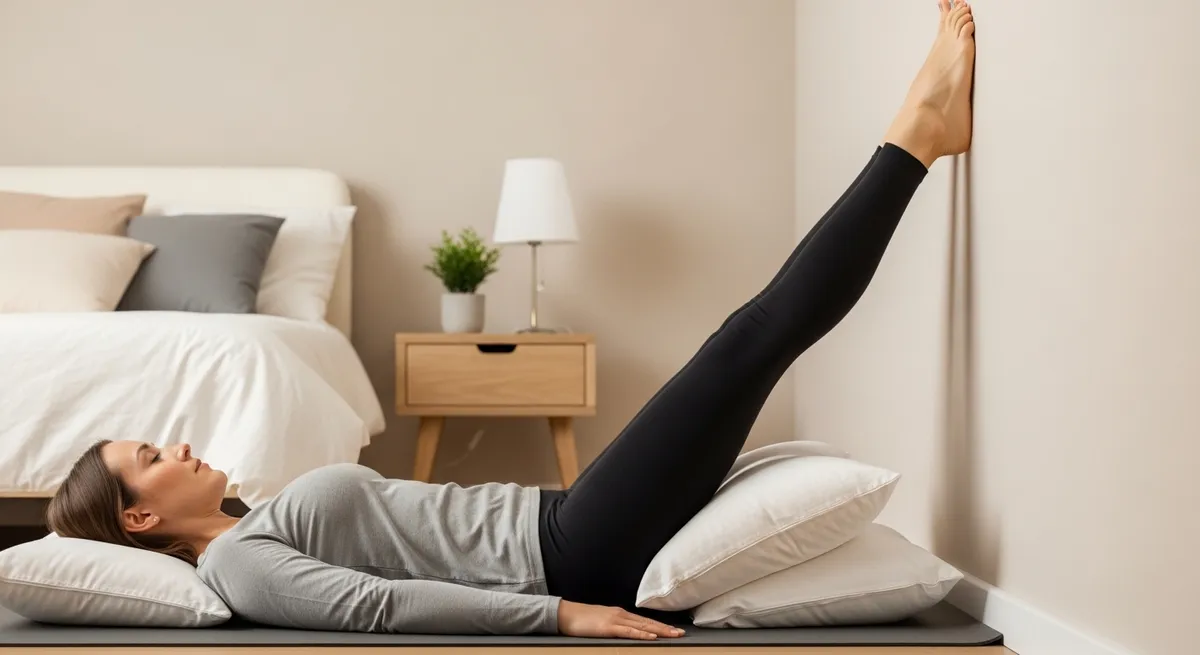
Legs Up the Wall is a simple pose where the legs rest vertically against a wall. This position is commonly used to ease fatigue in the lower body. Many people include it in their evening routine because it feels calming and restorative.
Reclining Bound Angle Pose involves lying down with the soles of the feet together. Support is often placed under the knees for comfort. This pose is commonly used to promote stillness and relaxation before sleep.
Supported Bridge Pose gently lifts the hips using props. This allows the chest to open without effort. In bedtime yoga stretches for better sleep, it is practiced for short periods with steady breathing.
Spinal Twist is a gentle movement that helps release tension in the back. It is often done while lying down. Many people use it as a final stretch before settling into rest.
Supported Fish Pose involves placing a cushion under the upper back. This helps open the chest and relax the shoulders. It is commonly used to counteract the effects of sitting for long periods.
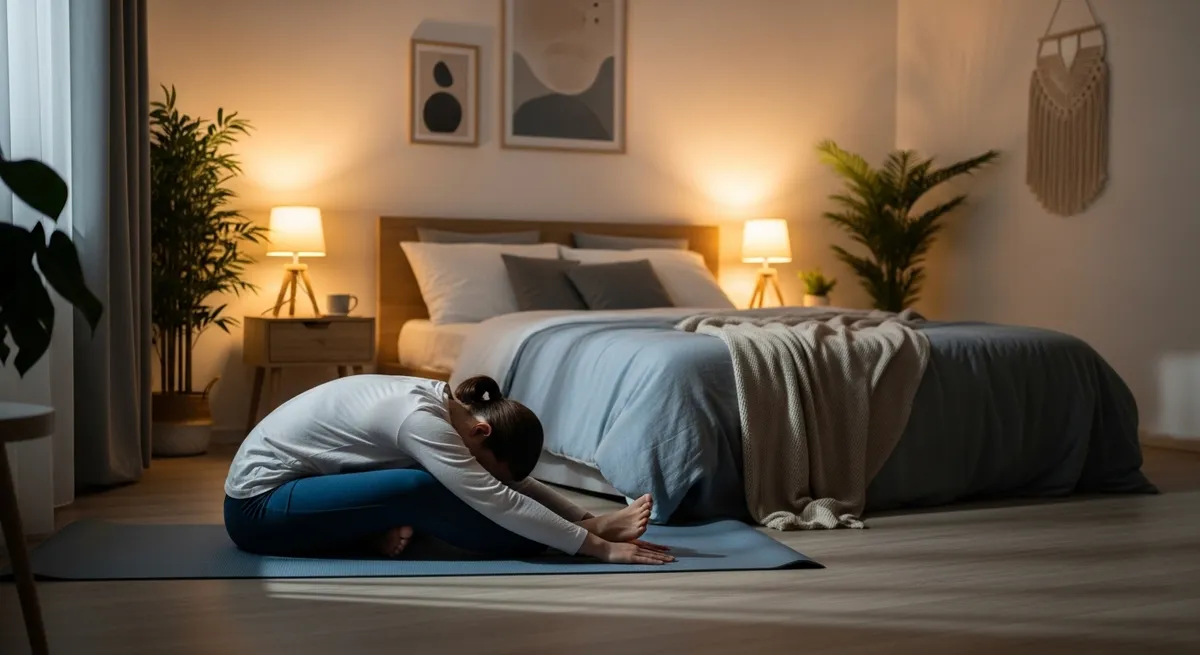
Head to Knee Pose is a seated stretch that focuses on the legs and lower back. It is often practiced with support for comfort. This pose encourages a calm and inward focus.
Savasana is a resting position where the body lies still. It is usually practiced for several minutes at the end of a routine. Many people consider it an essential part of bedtime yoga stretches for better sleep.
Creating a Supportive Evening Routine
A calm environment can make bedtime yoga stretches for better sleep more effective. Soft lighting and a comfortable temperature help reduce distractions. These small changes can support a more relaxed state.
Using pillows or blankets can make poses more comfortable and easier to hold. This allows the body to relax without effort. In daily routines, these supports are often used to improve comfort and consistency.
Consistency plays a key role in building a routine. Even a short daily practice can be helpful over time. Many people find that regular habits support a smoother transition into sleep.
Mindfulness and Lifestyle Integration
Mindfulness involves paying attention to the present moment without judgment. In bedtime yoga stretches for better sleep, this means noticing the body and breath as they are. This simple awareness can help reduce mental clutter.
Busy schedules often make it difficult to slow down at the end of the day. Short periods of mindful movement can provide a pause between activity and rest. This pause is often used to support relaxation.
For parents and working individuals, time is often limited. Bedtime yoga stretches for better sleep can be adapted into short routines that fit into daily life. Even a few minutes of consistent practice is often considered helpful.
Frequently Asked Questions
Can yoga stretches help with falling asleep faster
Yoga stretches are commonly linked with relaxation, which may help people fall asleep more easily. They reduce physical tension and support a calmer mental state. Many individuals include them in their nightly routine to create a smoother transition into sleep.
What are the best yoga poses for sleep at night
Common poses include Child’s Pose, Legs Up the Wall, and gentle twists. These movements are simple and do not require much effort. They are usually practiced slowly to support relaxation and comfort before bed.
Is it safe to do yoga before bedtime every day
Gentle yoga before bedtime is generally considered safe for most individuals. It is important to avoid strain and keep movements slow. People with specific health conditions may benefit from guidance by a qualified professional.
How long should a bedtime yoga routine be
A bedtime yoga routine is often kept between ten and twenty minutes. This duration is usually enough to support relaxation without overstimulation. Many people adjust the timing based on their comfort and schedule.
Can beginners try bedtime yoga stretches
Beginners can typically try bedtime yoga stretches because they are simple and adaptable. Many poses can be adjusted with pillows or blankets. Starting slowly and focusing on comfort is commonly recommended.
Does breathing matter in bedtime yoga
Breathing plays a key role in supporting relaxation during yoga practice. Slow and steady breathing helps calm the body and mind. It is often combined with stretching to enhance the overall experience.
Is it better to do yoga on a bed or floor
Bedtime yoga can be done on a bed or floor depending on preference. Some people prefer a bed for comfort, while others choose a mat for stability. Both options are commonly used.
Can bedtime yoga replace other sleep habits
Bedtime yoga is usually used as a supportive addition rather than a replacement. Healthy habits like consistent sleep timing and reduced screen use remain important. Combining these approaches often works best.
Why should intense yoga be avoided at night
Intense yoga can increase alertness and heart rate, which may make it harder to relax. Gentle movements are more suitable for evening routines. This helps support a calm transition into sleep.
Can yoga help with stress before bedtime
Yoga is often associated with reducing tension in both body and mind. Gentle stretches and breathing can support a calmer state. Many people include yoga in their evening routine to unwind after a busy day.
Conclusion
Bedtime yoga stretches for better sleep are widely used as a simple and supportive way to relax at night. Combining gentle movement, steady breathing, and a calm setting can help the body unwind naturally. Regular practice, even for a few minutes, may support a consistent and comfortable bedtime routine.
Medical Disclaimer
This content is for informational purposes only and does not constitute medical advice. Consult a qualified healthcare provider before starting any new health program, supplement, or treatment, especially if you have existing medical conditions.
Image Generation Prompts
For wider background on this, see the National Heart, Lung, and Blood Institute on sleep.