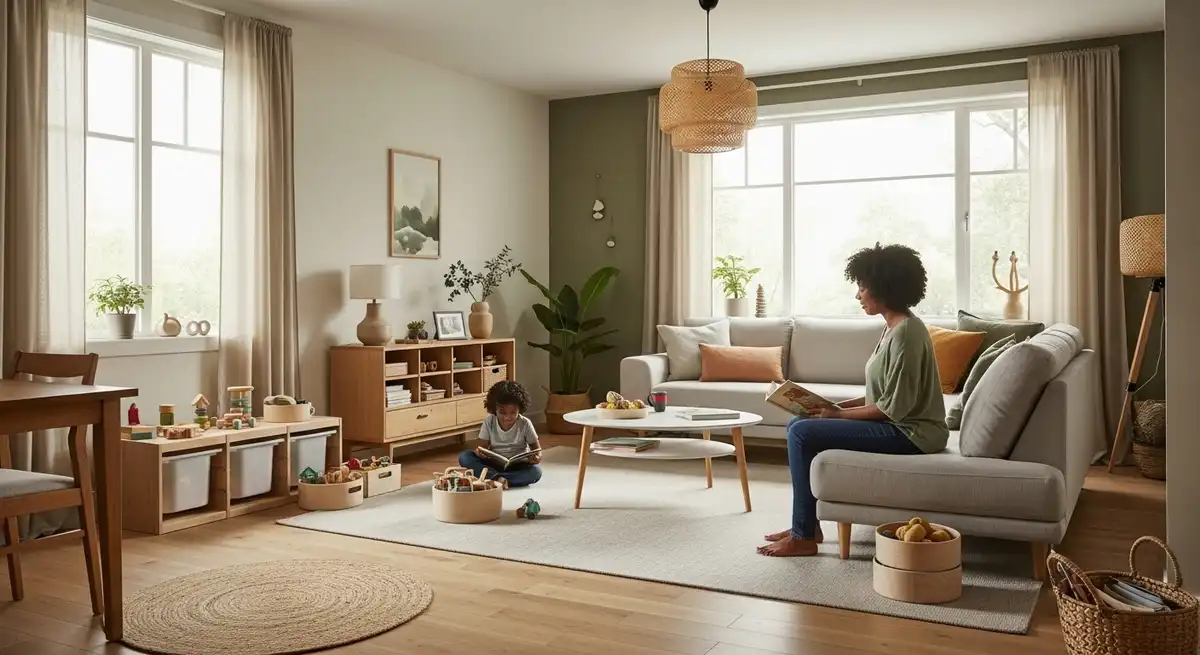
Minimalism for moms has become a practical lifestyle choice shaped by everyday family realities rather than design trends or strict rules. Many mothers experience ongoing pressure from clutter, time shortages, and emotional expectations that quietly build over years. This approach focuses on simplifying possessions, routines, and decisions so daily life feels more manageable, calmer, and better aligned with real family needs.
In modern households, minimalism is often confused with living without comfort or personality. In practice, it is a flexible way of choosing what truly supports family life and letting go of excess that adds effort without value. Mothers often use minimalism as a grounding structure that reduces daily friction while allowing space for rest, connection, and emotional steadiness.
Wellness educators frequently observe that physical environments influence emotional states over time. Homes filled with unfinished tasks and visual clutter can keep stress levels elevated throughout the day. Minimalism for moms supports a gentler rhythm by creating spaces that feel functional, predictable, and easier to maintain without constant effort.
Minimalism moms: Redefining Minimalism for the Modern Mother
Minimalism for moms is not about owning as little as possible or following rigid aesthetic rules. It is commonly understood as aligning household items, schedules, and commitments with what genuinely serves the family at its current stage. This perspective allows mothers to step away from comparison culture and focus on what feels realistic, supportive, and sustainable.
In everyday practice, minimalism means keeping enough while avoiding excess. Many families apply this by reducing duplicate items, simplifying storage, and releasing habits that no longer fit their routines. The emphasis stays on usefulness and ease rather than appearance, trends, or external expectations.
Lifestyle guidance generally suggests starting small and adjusting gradually. Mothers often begin with one area that causes daily irritation, such as a cluttered counter or overflowing drawer. These early changes build confidence and show how intentional choices can create noticeable relief without dramatic overhauls.
Understanding the Mental Load Mothers Carry
The mental load refers to the constant thinking involved in planning, remembering, and anticipating family needs. Mothers often manage these invisible responsibilities alongside visible tasks, which can create persistent mental fatigue. Over time, this ongoing cognitive effort may contribute to irritability, exhaustion, and difficulty relaxing.
Minimalism for moms helps reduce mental load by limiting the number of things that require tracking. Fewer possessions mean fewer decisions about cleaning, organizing, and replacing items. Clear systems reduce the need to mentally manage scattered details, freeing attention for relationships and rest.
In daily life, reducing mental load often supports greater emotional patience. When fewer background tasks compete for attention, mothers may find it easier to stay focused during conversations and routines. This shift supports steadier emotional responses without requiring additional time or energy.
Why Clutter Often Increases Stress
Cluttered environments are frequently associated with higher stress levels. Research from the UCLA Center on Everyday Lives of Families observed that mothers living in cluttered homes showed higher cortisol levels, cortisol being the body’s primary stress hormone, across the day. This suggests that visual disorder can keep stress responses activated for longer periods.
Minimalism for moms addresses this by reducing visual noise. Clear surfaces and simplified storage send signals of order and completion to the brain. These environmental cues support a calmer baseline, particularly during busy transitions like mornings, evenings, and meal times.
Over time, reduced clutter may support better sleep and emotional regulation. When homes feel easier to manage, the nervous system has more opportunities to settle. This effect is gradual and supportive rather than immediate or dramatic.
Shifting From Default Living to Intentional Living
Default living develops when routines and purchases happen automatically rather than by choice. Many families accumulate belongings and commitments without revisiting whether they still fit their lives. Minimalism for moms encourages a shift toward intentional living that reflects current needs and capacities.
Intentional living involves pausing before adding new items or obligations. Mothers often find it helpful to consider whether something will support daily life or add complexity. This habit reduces reactive decisions and creates more predictable routines.
In family settings, intentional living supports clearer boundaries. Choosing fewer commitments allows more presence during existing responsibilities. This approach replaces constant expansion with thoughtful alignment.
The Essentialist Perspective on Priorities
Essentialism emphasizes focusing on what matters most at any given time. Historically, the word priority referred to a single primary focus rather than many competing ones. Minimalism for moms applies this idea by encouraging clarity around what truly needs attention.
In everyday use, essentialism supports saying no without guilt. Declining additional responsibilities protects energy for family, work, and rest. This reframing treats boundaries as supportive choices rather than personal failures.
Over time, focusing on fewer priorities often leads to more consistency. When energy is not divided across too many demands, follow through becomes more realistic. This steadiness benefits household routines and emotional wellbeing.
Reclaiming Time Through Fewer Possessions
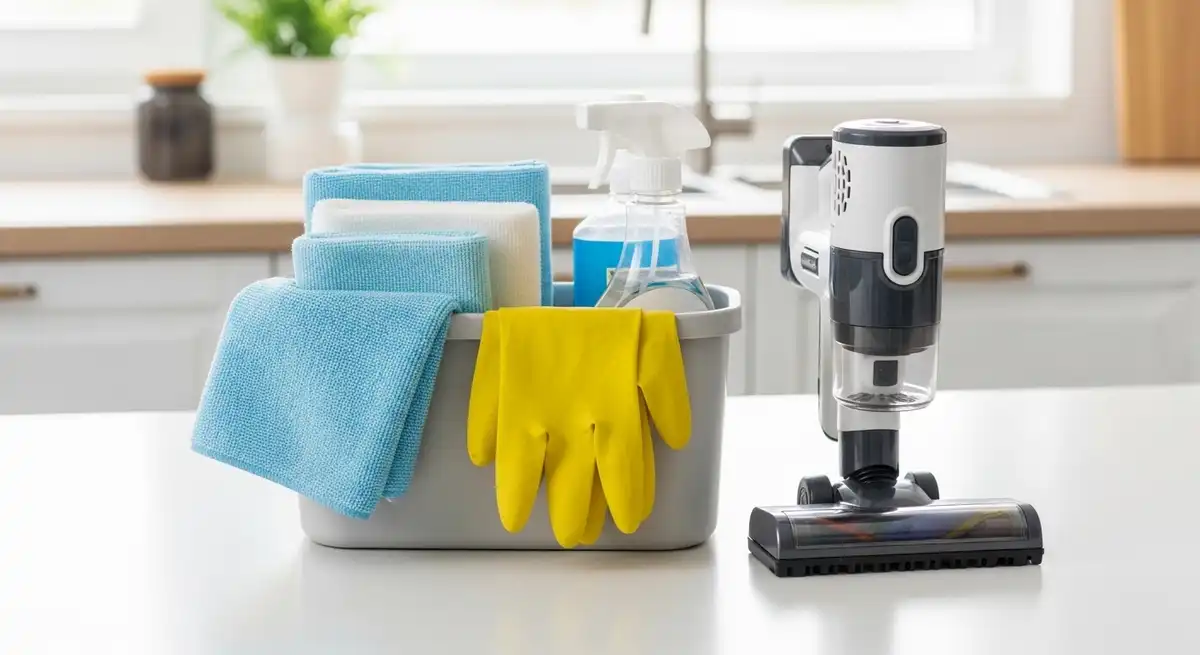
Every possession requires time to clean, organize, or manage. Minimalism for moms reduces this ongoing effort by limiting belongings to items that are regularly used. Many mothers notice that daily tasks take less time once excess is removed.
With fewer items, tidying becomes quicker and less repetitive. Surfaces stay clear longer, reducing the need for constant resetting. This frees small pockets of time that can be used for rest or meaningful connection.
Over months, these time savings add up. Even small reductions in daily maintenance can ease schedules and reduce exhaustion. The benefit grows as systems become more established.
Supporting Emotional Presence Through Simplicity
Emotional presence depends on mental availability. When environments are cluttered and routines are complicated, attention is often fragmented. Minimalism for moms supports presence by reducing competing demands on focus.
Simplified spaces allow calmer responses to daily challenges. With fewer tasks pressing for attention, emotional reactions may feel more measured and steady. This supports clearer communication within families.
Presence does not require constant engagement. It reflects the ability to respond thoughtfully when needed. Minimalism creates conditions that make this easier to sustain.
A Five-Step Framework for Decluttering
A structured decluttering approach helps prevent overwhelm. The first step usually focuses on surface decluttering, clearing visible areas such as counters or tables. This creates immediate visual relief and builds motivation.
The second step involves active decluttering of frequently used items. Kitchens, laundry spaces, and entryways are common starting points. Removing duplicates and rarely used tools simplifies daily routines.
The remaining steps include intentional pauses, evaluation, and maintenance. Breaks allow families to adjust and notice improvements. Maintenance then becomes an ongoing habit rather than a large seasonal task.
Building Momentum Without Burnout
Sustainable decluttering relies on pacing. Short, regular sessions tend to be more manageable than long, exhausting efforts. Minimalism for moms emphasizes consistency rather than speed.
Momentum grows through completion. Finishing small areas reinforces confidence and reduces avoidance. This approach respects limited time and energy.
Over time, decluttering becomes less emotionally charged. As systems improve, upkeep requires less effort. This supports long term stability.
Simplifying Children’s Play Spaces
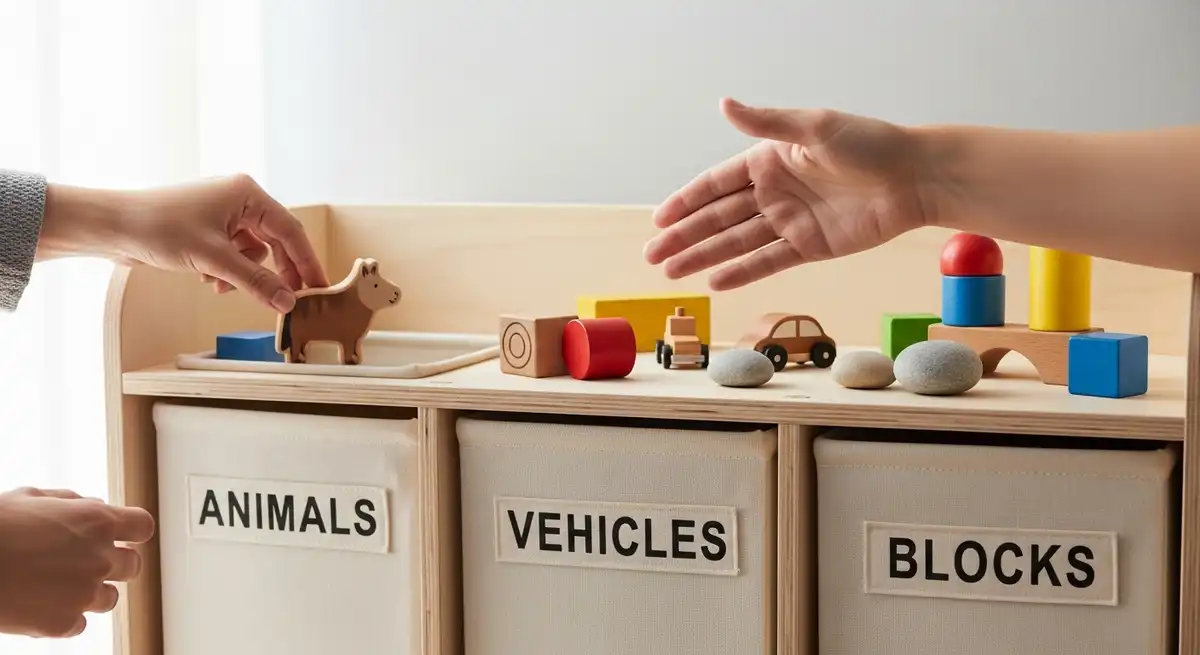
Children’s play areas can fill quickly with toys. Minimalism for moms encourages choosing fewer items that support creativity and engagement. Child development research suggests that fewer toys can support longer attention spans and deeper play.
Open ended toys, such as blocks or art materials, adapt across ages. These items support imagination without constant replacement. Simplified play areas are also easier for children to manage independently.
Clear storage limits help maintain order. When space fills up, families make choices together. This supports decision making skills and respect for shared spaces.
Using Toy Rotation Effectively
Toy rotation involves storing some toys and rotating them over time. This keeps play experiences fresh without increasing clutter. Many families notice improved focus when fewer options are available.
Minimalism for moms uses rotation as a practical management tool. It reduces visual overload while preserving variety. Toys often feel new again without additional purchases.
Over time, rotation supports easier cleanup. Children learn where items belong and how to care for them. This builds independence and routine awareness.
Creating Capsule Wardrobes for Children
Clothing is a common source of clutter. Capsule wardrobes limit clothing to a coordinated set that mixes easily. Minimalism for moms often suggests keeping around fifteen to twenty pieces per child.
Neutral colors with a few accents make outfits easy to combine. This reduces decision making and laundry sorting. Consistent brands can help with predictable sizing.
As children grow, the one in, one out approach keeps wardrobes balanced. New items replace outgrown ones rather than adding volume. This maintains simplicity over time.
Reducing Laundry and Morning Stress
Laundry demands often increase with wardrobe size. Fewer clothes generally mean fewer loads and simpler sorting. Many mothers notice reduced laundry time after simplifying wardrobes.
Morning routines also benefit. Limited outfit choices allow children to dress independently with less negotiation. This supports smoother starts to the day.
Over time, these efficiencies contribute to calmer household rhythms. Reduced friction early in the day supports steadier emotional regulation.
Handling Sentimental Items Thoughtfully
Sentimental items carry emotional meaning. Minimalism for moms does not require removing all keepsakes. Instead, it encourages selecting items that truly represent memories.
Many people choose a small number of meaningful pieces. Photographs can preserve memories tied to items that are difficult to store. This approach balances emotion and space.
Allowing time for this process reduces guilt. Compassionate pacing supports emotional comfort. Sentimental decluttering works best when pressure is removed.
Navigating Gifts From Well Meaning Relatives
Gifts often represent care and generosity. However, they can contribute to clutter when volume exceeds space. Minimalism for moms supports clear communication around gift preferences.
Sharing the reasons behind simplified living can help relatives understand boundaries. Suggesting experiences offers alternatives that align with family values. This preserves relationships while reducing accumulation.
Some families keep certain toys at relatives’ homes. This allows enjoyment without adding household clutter. Clear expectations support mutual respect.
Teaching Gratitude Without Accumulation
Gratitude does not require keeping every item. Children can learn to appreciate gifts while letting go when space is limited. Minimalism for moms frames gratitude as an emotional practice rather than ownership.
Thank you notes or verbal appreciation reinforce kindness. Simple explanations about space help children understand choices. This builds emotional awareness.
These conversations happen over time. They support values without shame or deprivation.
Simplifying Meal Planning to Reduce Decision Fatigue
Meal planning can create daily decision pressure. Minimalism for moms often includes a master meal list of familiar meals. This reduces the need to plan from scratch each week.
Rotating a small set of breakfasts and lunches simplifies mornings. Seasonal adjustments add flexibility without complexity. This balance supports routine and nourishment.
Over time, simplified planning saves time and energy. Grocery shopping becomes more predictable. This supports steadier household rhythms.
Managing Nutrition Without Perfection
Minimalist nutrition focuses on consistency rather than strict rules. Familiar meals that families enjoy are prioritized. This reduces stress and food waste.
Repeating meals across weeks supports balance without rigidity. Occasional variety fits naturally. This approach supports sustainable habits.
The goal remains ease rather than optimization. When meals feel manageable, routines are easier to maintain.
Minimalism as a Form of Preventive Self Care
Self care is often framed as occasional treats. Minimalism for moms reframes it as daily environmental support. Reducing clutter removes a constant source of low level stress.
Environmental psychology links organized spaces with improved emotional regulation. Clear homes offer visual cues of order and completion. This supports rest.
Preventive self care works quietly. It supports steady wellbeing rather than dramatic change. This makes it accessible.
Creating Small Personal Sanctuaries
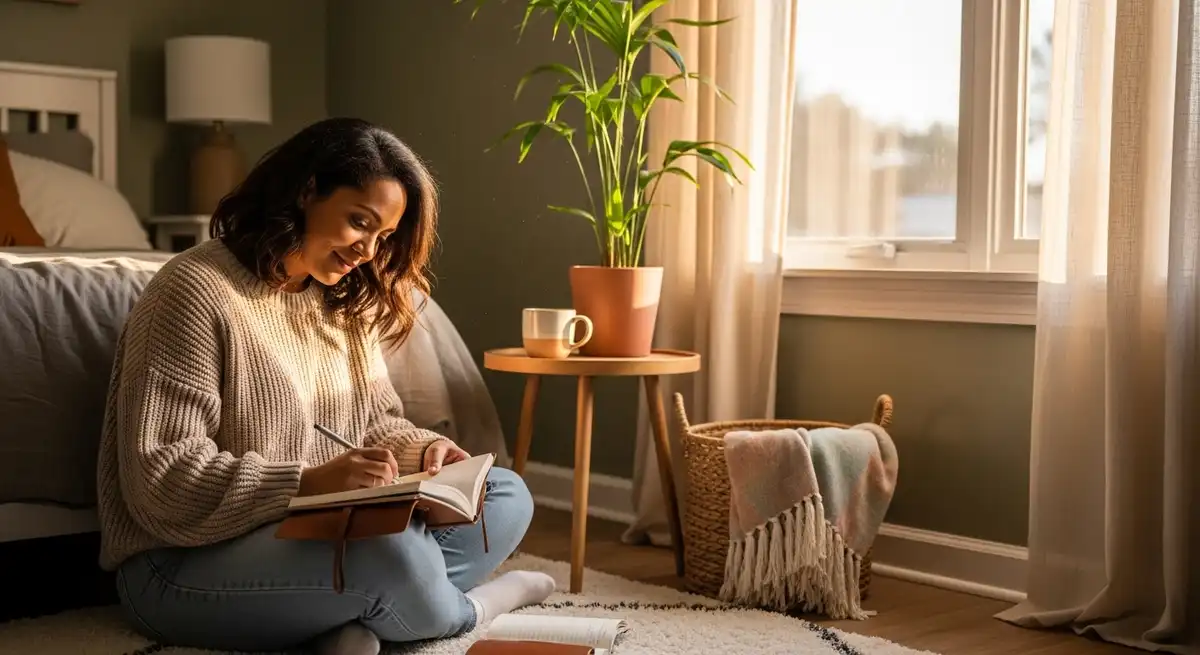
Not every space needs immediate change. Minimalism for moms often starts with one personal area. A clear bedside table or reading corner can influence mood.
Personal sanctuaries provide visual rest. They offer a pause within the home. This supports emotional grounding.
As comfort grows, simplicity often spreads naturally. The practice remains flexible.
Integrating Minimalism With Working Life
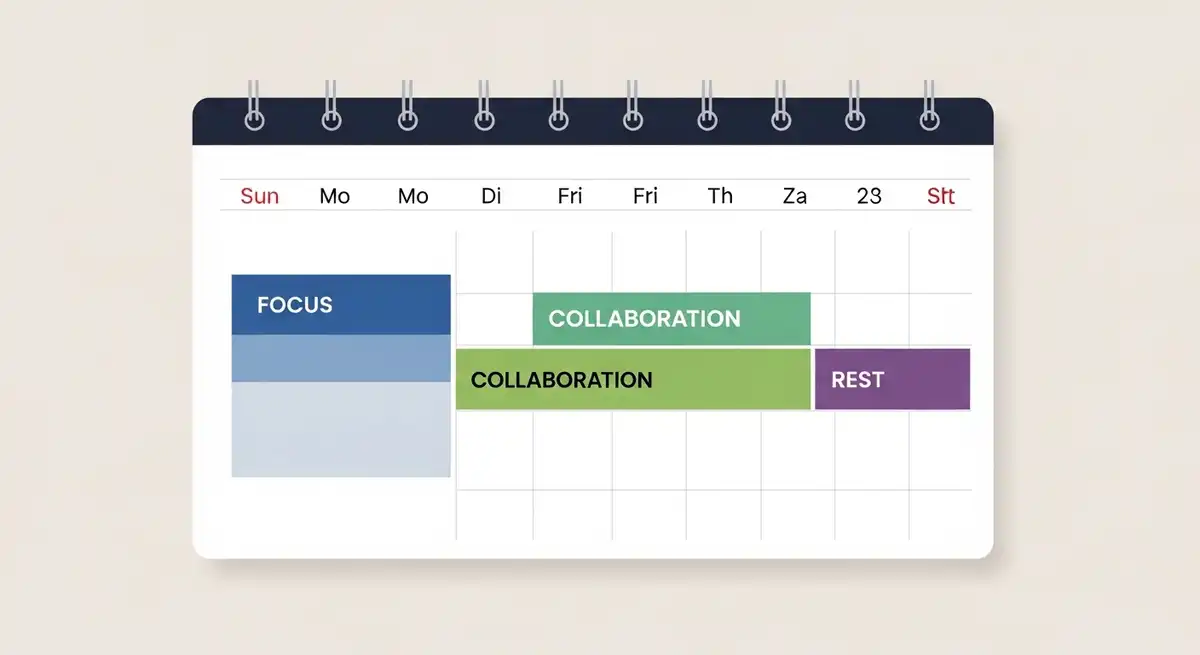
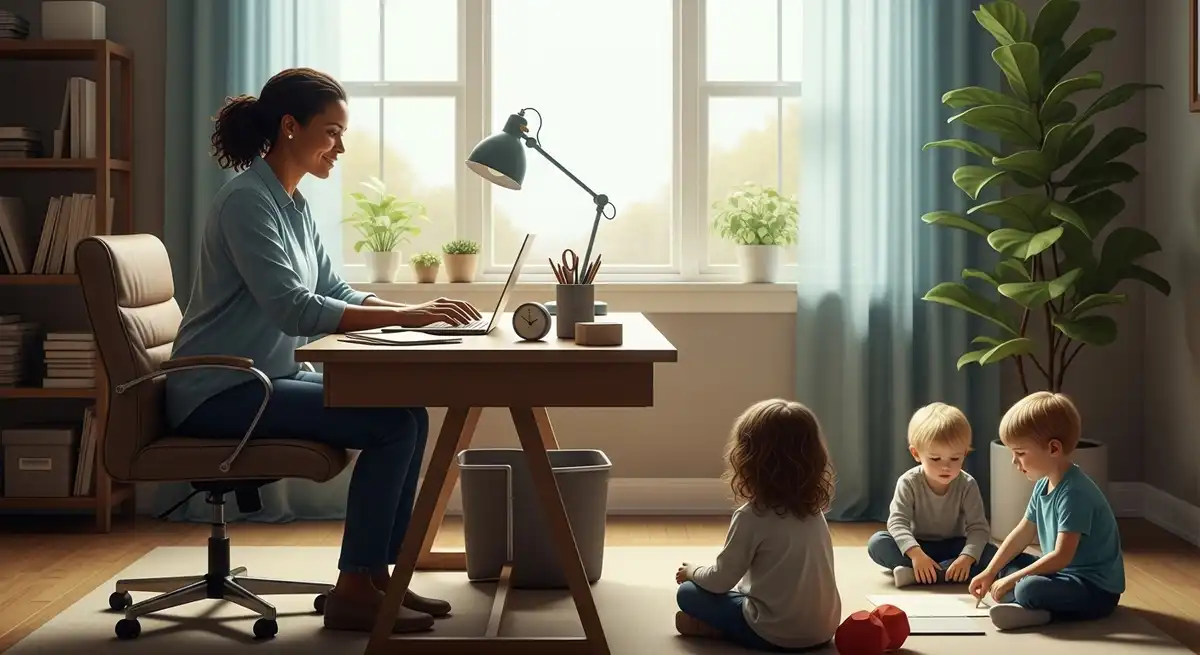
Working mothers face added demands on time and energy. Minimalism supports balance by reducing nonessential tasks. Simplified homes require less effort outside work hours.
Clear routines support smoother role transitions. Less evening clutter supports recovery from work stress. This supports consistency.
Over time, this integration supports sustainable productivity. Energy is preserved for both work and family.
Minimalism and Emotional Responsibility
Minimalism is not a solution for emotional or mental health conditions. It functions as a supportive lifestyle structure. Minimalism for moms does not replace professional care.
It creates environments that support steadiness. Reduced clutter removes one stress layer. Emotional wellbeing depends on many factors.
Responsible use includes realistic expectations. It remains one supportive tool.
Common Misconceptions About Minimalism
One misconception is that minimalism requires constant decluttering. In reality, it reduces ongoing effort once systems are set. Maintenance becomes lighter.
Another misconception is that minimalism lacks warmth. Many minimalist homes feel personal and comfortable. Meaning matters more than volume.
Understanding these points supports flexible use. Minimalism adapts to values.
Cultural and Financial Accessibility
Minimalism does not require buying new products. It often uses existing resources. This makes it accessible across income levels.
Cultural traditions can coexist with simplicity. Minimalism adapts rather than replaces values. Function remains central.
This flexibility supports wider adoption. It is a mindset.
Long Term Benefits of Living With Less
Over time, minimalism for moms supports steadier routines and clearer priorities. Homes become easier to manage during life changes. This resilience matters.
Children learn organization and decision making. These skills transfer beyond the home. Benefits extend outward.
Long term impact builds quietly. Consistency matters.
Frequently Asked Questions
How do I start minimalism as a mom?
Minimalism can begin by choosing one small, visible area to simplify. This creates quick feedback without overwhelming effort. Gradual changes support confidence and long term sustainability.
Why does clutter feel mentally exhausting?
Clutter increases visual input and ongoing decisions. This can contribute to cognitive fatigue. Simplifying environments reduces background mental processing and supports rest.
Is minimalism suitable for families with young children?
Minimalism adapts well to families with children. Simplified systems support routine and independence. Flexibility allows adjustments as children grow.
How many toys are generally manageable?
Many families find fewer toys support deeper play. Storage capacity often guides quantity better than numbers. Rotation helps maintain interest.
Can minimalism work in small homes?
Small homes often benefit strongly from minimalism. Limited space makes intentional choices helpful. Simplified systems improve function.
Does minimalism reduce stress for everyone?
Responses vary, but many associate less clutter with calmer routines. Minimalism supports order rather than emotional outcomes. Individual experiences differ.
How do I handle sentimental clutter?
Sentimental items can be addressed gradually. Selecting meaningful pieces preserves memories. Compassionate pacing reduces emotional strain.
Is minimalism expensive to maintain?
Minimalism often reduces spending over time. Fewer purchases lower costs. It emphasizes using existing items.
How does minimalism affect family relationships?
Clear systems reduce friction around routines. This supports smoother communication. Relationships may benefit indirectly.
Can minimalism change over time?
Minimalism evolves with life stages. Needs shift as families grow. Flexibility keeps it relevant.
A Calm Conclusion on Living Simply
Minimalism for moms offers a steady, realistic approach to simplifying daily life. It supports clarity by reducing excess rather than adding effort. Intentional choices help homes feel easier to manage and more supportive.
This lifestyle does not promise perfection. It offers adaptable structure. Over time, simplicity becomes a quiet foundation.
Living with less focuses on alignment. It supports family life as it truly is.
Medical Disclaimer
This content is for informational purposes only and does not constitute medical advice. It does not diagnose, treat, cure, or prevent any condition. Always consult a qualified healthcare provider before making changes to health routines, especially with existing medical conditions or concerns.
For wider background on this, see the National Heart, Lung, and Blood Institute on sleep.