
Understanding relationship red flags is an important part of building emotionally safe and respectful connections in everyday life. Many people experience confusion between temporary relationship challenges and deeper behavioral patterns that affect long-term wellbeing. Clear awareness of these patterns helps individuals make grounded, informed decisions without relying only on emotional intensity.
Relationship dynamics often evolve gradually, which makes early warning signs harder to notice clearly. Subtle behaviors may seem harmless at first but can become consistent patterns over time. Recognizing these patterns supports emotional clarity and helps maintain personal boundaries in modern relationships.
Relationship red flags: Understanding Relationship Red Flags and Everyday Emotional Patterns
Relationship red flags refer to repeated behaviors that signal imbalance, lack of respect, or emotional discomfort within a connection. These patterns are often linked with ongoing stress instead of isolated disagreements. In everyday situations, noticing such behaviors early helps individuals protect their emotional stability and respond thoughtfully.
Temporary challenges in relationships usually involve both partners making efforts to improve communication and resolve issues. Healthy interactions include accountability, empathy, and willingness to listen. Observing how problems are handled over time gives a clearer understanding of whether the relationship is supportive or becoming difficult.
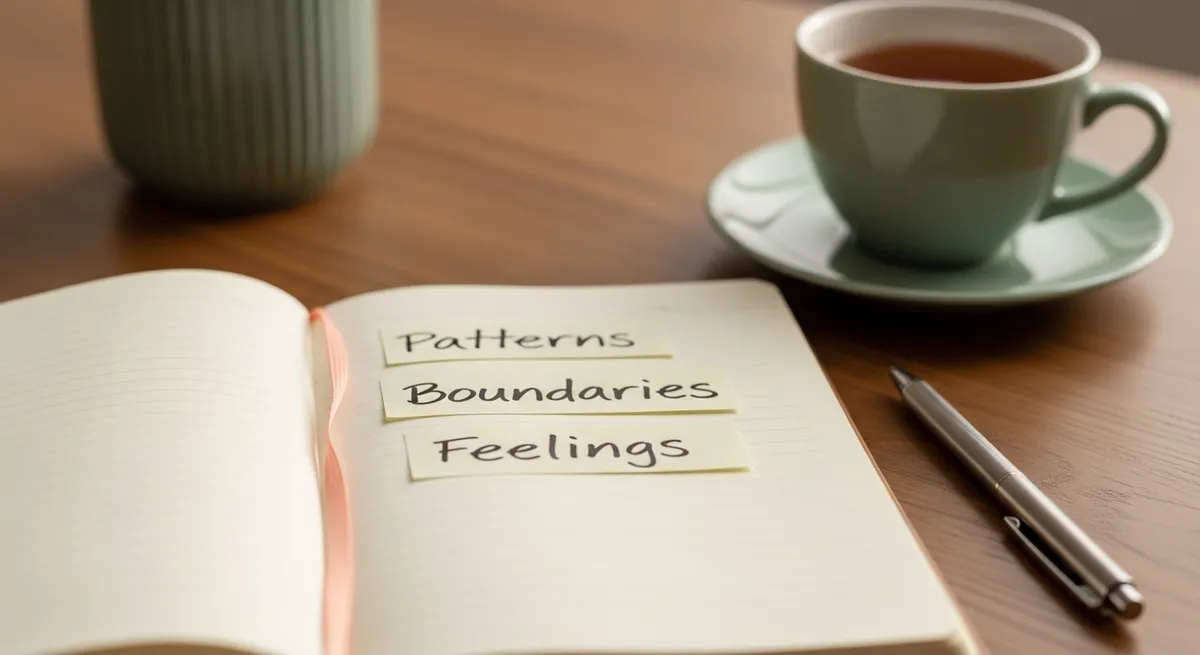
Patterns matter more than single incidents because repeated experiences shape emotional responses and expectations. When discomfort becomes frequent, it may slowly affect confidence and decision-making. Many people find that recognizing patterns early helps them take balanced actions rather than reacting based only on emotions.
Early Relationship Dynamics and Behavioral Indicators
Early stages of relationships often include excitement, attention, and emotional closeness, which can sometimes hide deeper concerns. Strong initial attraction may make it difficult to evaluate behaviors objectively. Taking time to understand patterns helps create a more stable and realistic foundation.
Love bombing is commonly described as intense affection or attention that appears very quickly without enough emotional depth. While it may feel positive in the beginning, it can create pressure or unrealistic expectations. In everyday life, steady and consistent interaction is usually a more reliable sign of genuine connection.
Breadcrumbing refers to inconsistent communication where minimal effort keeps someone interested without real commitment. This pattern may create confusion and emotional uncertainty over time. Many individuals find that consistent communication and clarity support healthier and more balanced relationships.
Communication Patterns and Emotional Awareness
Communication plays a key role in shaping how relationships feel and function over time. Constructive communication focuses on specific concerns rather than attacking personal character. This approach helps maintain respect and encourages better understanding during disagreements.
Contempt, which includes sarcasm, disrespect, or dismissive behavior, is widely recognized as harmful in relationships. It can weaken trust and create emotional distance. Maintaining respectful communication is often linked with stronger and more stable relationships.
Defensiveness and blame shifting can block meaningful conversations and prevent resolution of issues. These behaviors may lead to repeated misunderstandings and frustration. Being aware of such patterns helps individuals respond calmly and maintain clarity during difficult conversations.
Twelve Relationship Red Flags Explained in Daily Context
Controlling Behavior and Loss of Independence
Controlling behavior often involves limiting choices, monitoring actions, or influencing decisions in ways that reduce independence. It may appear as care or concern but can slowly create imbalance in the relationship. Maintaining personal freedom is widely considered an important part of emotional wellbeing.
Over time, reduced independence can affect confidence and decision-making ability. Many people notice increased stress when they feel constantly observed or questioned. Recognizing this pattern early supports healthier boundary setting and helps maintain a sense of self.
Possessive Jealousy and Emotional Pressure
Possessive jealousy is often expressed through suspicion, frequent questioning, or discomfort with social interactions. While some jealousy may feel natural, excessive patterns can create emotional strain. Healthy relationships usually rely on trust rather than constant reassurance.
Emotional pressure connected to jealousy may limit freedom and increase tension over time. Individuals often feel restricted when their actions are regularly questioned. Maintaining balanced independence is commonly seen as essential for long-term relationship stability.
Gaslighting and Reality Confusion
Gaslighting involves denying events, dismissing feelings, or altering facts in ways that create confusion. This behavior may cause individuals to question their own experiences and perceptions. Maintaining awareness of consistent patterns helps preserve emotional clarity.
In daily life, writing down experiences or discussing concerns with trusted people can provide perspective. Many individuals find that external feedback helps maintain confidence. Recognizing gaslighting supports more informed and grounded decision-making.
Financial Secrecy and Trust Concerns
Financial secrecy includes hiding expenses, debts, or accounts that affect shared responsibilities. Transparency is often associated with trust and stability in relationships. Lack of openness may create uncertainty and emotional distance over time.
Open conversations about finances support shared understanding and reduce confusion. Many couples consider financial clarity an important part of long-term partnership. Observing secrecy patterns helps identify areas that may need attention or discussion.
Constant Criticism and Self-Esteem Impact
Frequent criticism or negative comments may gradually affect self-esteem and confidence. These remarks are sometimes presented as humor but can carry deeper emotional impact. Supportive communication is generally linked with healthier relationship experiences.
Over time, repeated criticism can create hesitation in expressing thoughts or feelings. Individuals often feel more secure when feedback is constructive rather than personal. Recognizing this pattern helps protect emotional balance and self-respect.
Rapid Commitment and Emotional Intensity
Rapid commitment involves pressure to move forward quickly without enough time to understand compatibility. This pace may feel exciting but can limit thoughtful decision-making. Gradual development is usually considered more sustainable.
In everyday situations, taking time allows individuals to observe behavior patterns clearly. Many people find that slower progression supports better emotional understanding. Balanced timing often contributes to stronger and more stable connections.
Isolation from Social Support Systems
Isolation may begin subtly through discouragement of friendships or family interactions. Over time, this can reduce access to support and different perspectives. Maintaining social connections is widely considered important for emotional wellbeing.
Balanced relationships include both shared time and independent social interactions. Many individuals benefit from maintaining strong external connections. Recognizing isolation patterns helps preserve independence and emotional stability.
Boundary Disrespect and Emotional Discomfort
Boundary discomfort occurs when personal limits are ignored or repeatedly challenged. Respecting boundaries is a key part of mutual understanding and respect. Consistent disregard may indicate imbalance within the relationship.
Many people find that clear boundaries support emotional safety and confidence. In everyday interactions, respectful acknowledgment of limits is essential. Observing how boundaries are treated provides insight into relationship health.
Unpredictable Mood Changes and Instability
Frequent mood changes can create uncertainty and emotional tension within relationships. Inconsistent behavior may make interactions difficult to manage. Stability is often linked with comfort and trust.
In daily life, predictable communication helps create a sense of safety. Many individuals find that consistency improves relationship quality. Recognizing instability helps guide more thoughtful and balanced responses.
Blame Shifting and Lack of Accountability
Blame shifting occurs when responsibility is consistently placed on others rather than acknowledged personally. This pattern can prevent constructive problem-solving. Accountability is commonly associated with relationship growth.
In everyday situations, shared responsibility supports better conflict resolution. Individuals often feel more respected when accountability is present. Observing blame patterns provides insight into overall communication quality.
Substance Use and Relationship Impact
Substance use becomes a concern when it affects daily functioning or relationship stability. Prioritizing substances over responsibilities may create imbalance. Awareness of these patterns supports informed decisions.
Consistent behavior and reliability are important for building trust. Many people value stability in long-term relationships. Recognizing how substance use affects daily life helps maintain clarity.
Lack of Empathy Toward Vulnerable Individuals
Lack of empathy toward children or animals may reflect limited emotional awareness. Compassion is widely considered a key part of healthy relationships. Observing such behavior provides important insight.
In everyday life, empathy supports connection and understanding. Many individuals value kindness as a foundational trait. Recognizing absence of empathy helps evaluate compatibility and emotional safety.
Psychological Patterns and Emotional Conditioning
Attachment styles are often discussed when understanding relationship behaviors and emotional responses. Early life experiences may influence how individuals approach closeness and independence. Awareness of these patterns helps improve self-understanding.
Trauma bonding refers to strong emotional attachment formed through cycles of positive and negative interactions. This pattern can create confusion about stability. Recognizing such cycles helps individuals maintain perspective and emotional clarity.
Intermittent reinforcement, where positive experiences occur unpredictably, is known to strengthen attachment. This pattern may make unstable relationships feel intense. Awareness of this dynamic supports more balanced decision-making.
Practical Lifestyle Awareness and Emotional Balance
Developing awareness of relationship patterns is commonly seen as part of emotional wellbeing. Observing behaviors without immediate judgment helps maintain clarity. Many people find reflective practices useful in understanding their experiences.
Maintaining personal routines, hobbies, and social connections supports overall balance. These elements contribute to stability within relationships. Everyday habits often influence emotional resilience and perspective.
Seeking support from trusted individuals or professionals can provide helpful insights. This approach is often used to manage complex emotional situations. Support systems play an important role in maintaining wellbeing.
Parenting, Work-Life Balance, and Relationship Awareness
For parents and working individuals, relationship patterns can influence daily stress and family environments. Balanced relationships often support stable routines and communication. Awareness of emotional dynamics helps maintain harmony at home.
Children often observe relationship behaviors and learn from them over time. Consistent respect and communication provide positive examples. Many families benefit from maintaining calm and structured interactions.
Work-life balance may also be affected by relationship stress or instability. Managing emotional wellbeing supports better focus and productivity. Everyday awareness helps maintain balance across different areas of life.
Frequently Asked Questions

What are relationship red flags in simple terms?
Relationship red flags are repeated behaviors that create discomfort, confusion, or imbalance in a connection. These patterns usually appear over time rather than as isolated incidents. Recognizing them early helps individuals maintain emotional clarity and make informed decisions about their relationships.
Can a relationship improve after noticing red flags?
A relationship may improve if both individuals acknowledge the issues and actively work toward change. Consistent effort, accountability, and respectful communication are often necessary. If patterns continue without change, many people consider reassessing the relationship for emotional wellbeing.
How early can red flags appear in a relationship?
Relationship red flags can appear in the early stages, often within the first few interactions or conflicts. These signs may become clearer as patterns develop over time. Observing consistent behavior helps provide a more accurate understanding than relying only on first impressions.
Is jealousy always a red flag in relationships?
Jealousy is not always a red flag, as mild feelings can occur naturally in relationships. However, when jealousy leads to control, restriction, or emotional pressure, it may indicate deeper concerns. Healthy relationships typically rely on trust and mutual respect.
What is gaslighting in simple terms?
Gaslighting is a behavior where someone denies events or dismisses feelings to create confusion. This can make individuals question their own memory or perception. Recognizing consistent patterns helps maintain clarity and confidence in personal experiences.
What is the difference between love bombing and genuine care?
Love bombing involves intense attention or affection early in a relationship without strong emotional foundation. Genuine care develops gradually and consistently over time. Observing long-term behavior helps distinguish between temporary intensity and stable connection.
What are subtle red flags that people often miss?
Subtle red flags include inconsistent communication, dismissive responses, and lack of accountability. These behaviors may seem minor at first but can become patterns. Paying attention to repeated experiences helps identify these early warning signs.
Why do some people ignore relationship red flags?
Some individuals may overlook red flags due to emotional attachment or hope for change. Familiar patterns or strong initial attraction can also influence perception. Awareness of these tendencies helps support more balanced decision-making.
Is moving too fast in a relationship a concern?
Moving too quickly can limit the ability to understand compatibility and observe behavior patterns. Gradual development allows for better emotional clarity. Many people find that balanced pacing supports stronger relationships.
How can someone respond to red flags in a calm way?
Responding calmly involves observing patterns, communicating clearly, and maintaining personal boundaries. Seeking support from trusted individuals can also provide perspective. Consistent awareness helps guide thoughtful and balanced actions.
Conclusion
Relationship red flags highlight important patterns that influence emotional wellbeing and connection quality. Recognizing these signs helps individuals maintain clarity, set boundaries, and make thoughtful decisions. With consistent awareness and balanced understanding, relationships can be approached with greater confidence, stability, and mutual respect.
Medical Disclaimer
This content is for informational purposes only and does not constitute medical advice. Consult a qualified healthcare provider before starting any new health program or addressing emotional concerns, especially if you have existing mental health or medical conditions.
Image Generation Prompts
For wider background on this, see the American Psychological Association on healthy relationships.