
A daily commute can quietly shape how the rest of the day unfolds, especially when it involves time pressure, noise, or crowded conditions. Many people notice that a rushed journey often carries tension into work or home life. A stress-free commute routine offers a simple way to create steadiness, helping daily transitions feel more manageable and less mentally draining.
A stress-free commute routine refers to a set of small, repeatable habits that make travel time feel more predictable and easier to handle. It usually combines preparation, posture awareness, and light mindfulness techniques that do not interfere with safety. Over time, many people find these routines support better focus, calmer thinking, and smoother daily transitions.
How to Create a Stress-Free Commute Routine: Understanding How to Create a Stress-Free Commute Routine in Everyday Life
Creating a stress-free commute routine starts with seeing travel time as part of daily wellbeing, not just a task to complete. This shift in perspective helps reduce frustration and encourages more intentional habits. Many wellness educators note that structured routines can lower mental overload and support emotional steadiness throughout the day.
Consistency plays a key role in making this approach practical for busy schedules. Small habits such as leaving on time, organizing essentials, and setting a calm tone can reduce unnecessary pressure. Over time, these actions help build a sense of control, which many people find useful for maintaining balance in both work and personal life.
Preparing the Night Before to Reduce Morning Pressure
Getting ready the night before is a simple way to reduce stress during busy mornings. Placing keys, work items, and personal belongings in one spot avoids last-minute searching. This small habit can make mornings feel more predictable, especially for people managing tight schedules or family responsibilities.
Planning a quick breakfast ahead of time can also support a smoother start. Preparing items like fruit, nuts, or simple meals reduces decision-making early in the day. Stable energy levels during the commute often help maintain focus and prevent irritability, especially during longer travel times.
Checking travel details in advance helps avoid unexpected disruptions. This may include confirming fuel levels, checking public transport timings, or reviewing routes. When these basics are handled early, many people feel more prepared and less anxious before stepping out of the house.
Ergonomic Awareness and Physical Comfort During Travel
Physical comfort during commuting has a direct impact on how the mind feels. Sitting with proper support for the back and maintaining a balanced posture helps reduce muscle strain. Over time, this can prevent the buildup of discomfort that often leads to irritability or fatigue.
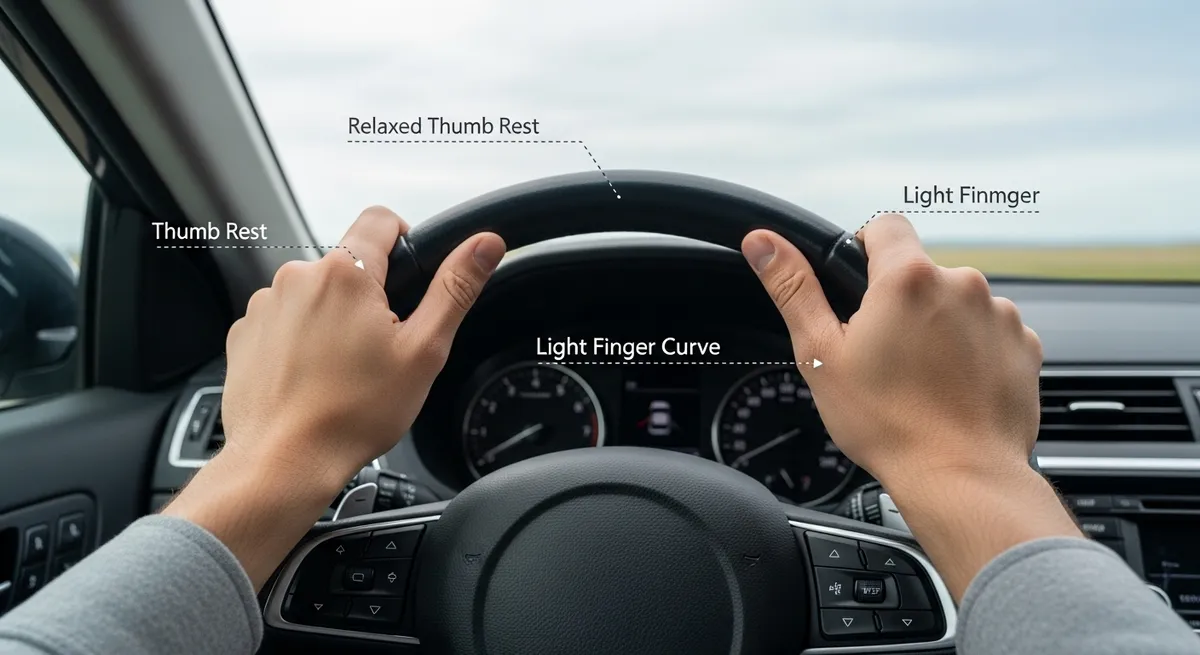
Adjusting the seat and steering wheel to suit your body can make a noticeable difference. Arms should stay relaxed, and shoulders should not feel tight while driving. These small changes support better circulation and reduce unnecessary tension during long or repeated commutes.
Mirror positioning can act as a subtle reminder to maintain posture. When mirrors are set while sitting upright, any slouching becomes noticeable through reduced visibility. This gentle feedback helps maintain alignment without needing constant attention, making it a practical habit for everyday travel.
Building Calm Through Habit Stacking
Habit stacking means linking a new behavior to something you already do regularly. For example, taking a slow breath right after fastening a seatbelt can become part of your routine. This method reduces effort because it builds on actions that already happen automatically.
Over time, these small additions become natural and require little thought. Repeating the same calming action at specific moments creates a predictable rhythm. Many people find this helpful because it brings a sense of stability without adding extra tasks to an already busy routine.
Behavioral research suggests that repeating small habits daily can make them feel automatic within a few weeks. In commuting, this means simple actions like breathing or posture checks can become part of the journey. This consistency helps make travel time feel more controlled and less overwhelming.
Mindful Breathing as a Supportive Commuting Practice
Breathing techniques are often used as simple tools to manage everyday tension. One common method involves inhaling, holding, and exhaling slowly in a steady pattern. This type of breathing is linked with a calmer body response, especially during waiting periods or slow-moving traffic.
These techniques are usually practiced during safe, non-distracting moments, such as sitting in a parked vehicle or on public transport. They do not require special equipment or extra time. Many people use them quietly, making them easy to include in daily routines without drawing attention.
Another structured approach is box breathing, where each phase of breathing follows equal counts. This method is often used to maintain composure during stressful situations. When practiced regularly, it can help reduce quick reactions and support a more measured response to delays or unexpected events.
Sensory Awareness and Present-Moment Focus
Sensory awareness helps shift attention from stressful thoughts to what is happening right now. This involves noticing simple details such as sounds, sights, or physical sensations. Many people find this reduces mental clutter, especially in busy or noisy commuting environments.
A common approach is to observe a few things you can see, feel, and hear without judging them. This structured awareness can help bring attention back to the present moment. It works quietly in the background and does not interrupt normal commuting activities.
Over time, practicing sensory awareness can improve focus and emotional balance. It encourages the mind to stay engaged with the current environment instead of worrying about delays or tasks ahead. This makes the commute feel less overwhelming and more manageable.
Using Commute Time for Light Learning and Engagement
Many people use commuting time to listen to audio content such as podcasts or audiobooks. This turns travel into an opportunity for learning without adding extra time to the day. It can also make long or repetitive commutes feel more engaging and purposeful.
Short journeys are often suited for brief updates like news summaries or short discussions. Longer commutes allow for deeper topics or extended listening sessions. This flexibility makes it easy to adapt the habit based on available time and personal interest.
Audio learning is linked with better information retention when paired with routine activities. Since commuting is already a fixed part of the day, it becomes a convenient time for this practice. Over time, it can contribute to personal growth while keeping the journey relaxed.
Transitioning Smoothly Between Work and Home
A clear transition between commuting and work helps reduce mental carryover. Taking a short pause before entering the workplace allows the mind to shift focus gradually. This simple step can improve concentration and reduce the feeling of being rushed.
The return journey also plays an important role in daily balance. Using this time to relax or listen to calming audio helps create separation from work tasks. Many people find this prevents stress from affecting their time at home.
Small physical actions after arriving home can reinforce this transition. Changing clothes or washing the face signals the end of work-related responsibilities. These cues help the body and mind settle into a more relaxed state for the evening.
Supporting Working Parents and Busy Lifestyles
For working parents, commuting often includes additional responsibilities such as coordinating school schedules or managing time closely. A flexible routine that focuses on preparation can make mornings smoother. Keeping shared items organized and planning ahead reduces confusion during busy times.
Children often respond well to predictable patterns, which can make daily routines easier to manage. Setting consistent departure times and organizing spaces helps create structure. This reduces last-minute stress and supports a calmer environment for everyone involved.
Balancing work and home life requires realistic and adaptable habits. A stress-free commute routine should fit changing schedules rather than feel rigid. This flexibility helps maintain consistency over time, even when daily demands shift.
Frequently Asked Questions
How can I make my morning commute less stressful
Making a morning commute less stressful usually involves simple preparation and time management. Organizing essentials the night before and allowing extra travel time can reduce pressure. Many people also find that calm audio or slow breathing techniques help create a more relaxed start to the day.
Is it safe to practice mindfulness while driving
Mindfulness while driving should always support full attention to the road. Simple awareness of breathing or surroundings can be practiced without distraction. Techniques that require closing the eyes or deep focus are not suitable during active driving situations.
How do I manage frustration during traffic delays
Managing frustration during delays often involves shifting attention away from what cannot be controlled. Slow breathing or listening to audio content can help maintain calm. Over time, these habits support more balanced reactions to common commuting challenges.
What types of audio content are suitable for commuting
Audio content such as podcasts, audiobooks, or calm music is commonly used during commuting. These options do not require visual attention and can match different moods or energy levels. Rotating content helps keep the experience engaging and prevents routine fatigue.

Why does commuting sometimes feel mentally exhausting
Commuting can feel exhausting due to constant attention, environmental noise, and limited movement. These factors increase mental load over time. Improving posture, taking breaks when possible, and using calming techniques can help reduce this sense of fatigue.
How long does it take to build a stress-free commute routine
Building a stress-free commute routine usually takes a few weeks of consistent practice. Small habits become easier with repetition and start to feel automatic. Most people notice gradual improvements rather than immediate changes.
Can short commutes also benefit from structured routines
Even short commutes can benefit from simple routines. A brief moment of deep breathing or awareness can set a calm tone for the day. These small actions support consistency and help create a steady mindset regardless of travel time.
Is posture really important during commuting
Posture plays a key role in physical comfort and mental focus during commuting. Poor alignment can lead to discomfort and distraction over time. Maintaining a balanced position helps reduce strain and supports a more relaxed experience.
What is habit stacking in simple terms
Habit stacking means linking a new habit to something you already do regularly. For example, taking a deep breath after sitting in a car. This approach helps make new habits easier to remember and repeat consistently.
How can I transition from work to home without stress
A smooth transition from work to home often involves creating a clear mental boundary. Using the commute to relax or listen to calming audio can help shift focus. Simple routines after arriving home reinforce this separation and support a more balanced evening.
Conclusion
A stress-free commute routine is built through small, steady habits that support comfort and clarity during daily travel. Preparation, mindful awareness, and simple transitions help reduce unnecessary pressure. With regular practice, commuting can feel more manageable and less draining, supporting a balanced approach to both work and home life.
Medical Disclaimer
This content is for informational purposes only and does not constitute medical advice. Consult a qualified healthcare provider before starting any new health program, supplement, or treatment, especially if you have existing medical conditions.
Image Generation Prompts
For wider background on this, see the National Heart, Lung, and Blood Institute on sleep.