
After a full workday, many people return home physically tired but mentally active. Thoughts about unfinished tasks or conversations often continue quietly in the background. Evening routines that help you unwind after 9–5 are commonly used to create a smoother shift from work responsibilities into personal time.
Modern work patterns, especially with digital devices, make it easy for work to extend beyond office hours. Notifications, emails, and pending tasks can keep attention partially engaged. Without a clear pause, the brain may continue processing work, which can make relaxation feel incomplete.
A structured evening routine offers a simple way to signal closure. It does not remove stress completely, but it creates a predictable transition. Over time, these routines can support better rest, improved focus, and a more balanced daily rhythm.
Evening Routines That Help You Unwind After 9–5: Understanding the “Always-On” Mental State
The “always-on” mental state describes a pattern where work-related thoughts continue after the workday ends. Many people notice this as constant planning, reviewing, or worrying about tasks. This pattern is linked with cognitive overload, where the brain has not received a clear signal to stop.
Daily exposure to deadlines, multitasking, and digital communication can reinforce this state. The brain adapts by staying alert even when the environment becomes quiet. This can make it harder to fully relax during the evening hours.
Recognizing this pattern helps create awareness. Evening routines that help you unwind after 9–5 aim to interrupt this cycle gently. They offer structured ways to shift from active thinking to a calmer state without forcing the mind to stop abruptly.
Psychological Detachment as a Daily Practice
Psychological detachment means stepping away from work-related thoughts during non-working hours. It is often discussed in workplace wellbeing research as a supportive habit. Many people notice improved comfort when they create space between work and personal life.
This approach does not involve ignoring responsibilities. Instead, it focuses on giving the brain permission to pause. When work is mentally “closed,” the mind can settle into other activities more easily.
Simple actions support this shift. Writing down tasks or planning the next day helps reduce mental repetition. Over time, this creates a habit where the brain trusts that work is handled and does not need constant attention.
The Role of Structured Shutdown Rituals
A structured shutdown ritual is a practical way to end the workday with clarity. It usually includes reviewing completed work, listing pending tasks, and preparing for the next day. This process helps create a defined endpoint for professional responsibilities.
In daily life, this ritual can be short and simple. Many people use a notebook or digital planner to capture tasks. This reduces the need to remember everything later.
Repeating the ritual regularly builds familiarity. The brain begins to associate these actions with closure. This makes it easier to move into personal time without carrying ongoing work-related thoughts.
Digital Detox and Evening Environment
Digital devices often extend mental stimulation into the evening. Screens emit blue light, which can affect melatonin, a hormone linked with sleep timing. Continued screen use can keep the brain alert even when the body feels tired.
Limiting screen exposure before bedtime is a common lifestyle adjustment. It does not require complete avoidance but involves setting boundaries. Activities such as reading or listening to calm audio are often used instead.
Creating a softer environment supports this transition. Lower lighting and reduced notifications can make a noticeable difference. These changes help signal that the day is slowing down.
Gentle Physical Practices for Transition
Gentle movement is often included in evening routines to release physical tension. Long hours of sitting can lead to stiffness in the back, neck, and shoulders. Light stretching or simple yoga movements can help ease this discomfort.
These exercises are slow and controlled. They focus on relaxation rather than intensity. Many people find short sessions sufficient to feel more comfortable.
Even a few minutes of movement can support a shift in energy. It helps the body move away from a work posture. This physical change complements the mental transition into rest.
Breathing Practices and Nervous System Support
Breathing exercises are widely used to support relaxation. Slow, controlled breathing can influence the nervous system and reduce mental activity. These techniques are simple and accessible for most people.
Focusing on the breath provides a steady point of attention. This can reduce the tendency to revisit work-related thoughts. Many people use breathing practices as part of their evening routine.
Short sessions are usually enough. Consistency matters more than duration. Over time, the body may begin to associate these practices with winding down.
Low-Energy Activities for Evening Relaxation
Low-energy activities provide gentle engagement without creating additional strain. Examples include reading, drawing, or listening to music. These activities allow the mind to shift focus in a calm way.
Such hobbies are often predictable and familiar. This helps create a sense of stability. Many people find that engaging in simple activities reduces mental noise.
Choosing enjoyable activities is important. The goal is not productivity but relaxation. Over time, these habits can become a comforting part of the evening routine.
Time Blocking for Household Responsibilities
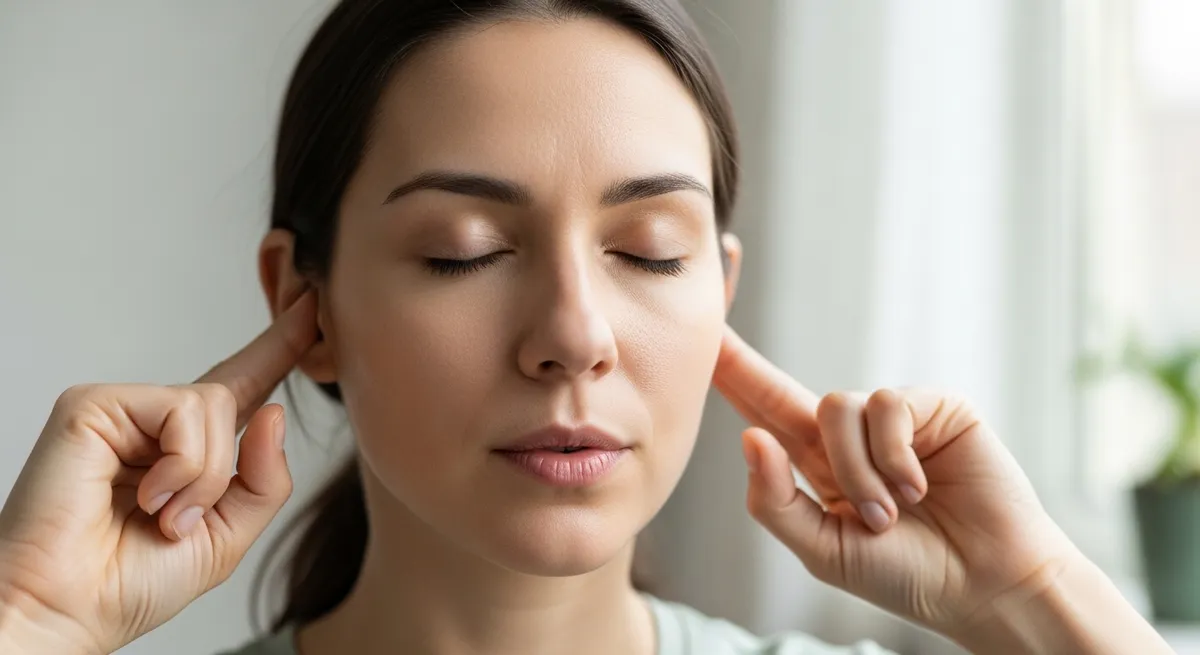
Evenings often include household tasks that need attention. Without structure, these tasks can extend throughout the night. Time blocking offers a way to manage them within a set period.
Setting a specific time for chores helps create boundaries. Many people complete these tasks earlier in the evening. This leaves more time for relaxation later.
This approach reduces the feeling of unfinished work at home. It creates a clearer division between responsibilities and rest. Over time, this can support a more balanced evening experience.
Sleep Environment and Comfort
The bedroom environment plays a key role in rest quality. Factors such as lighting, temperature, and comfort influence how easily the body settles. A calm setting supports the natural sleep cycle.
Simple adjustments can improve this environment. Lowering lights and reducing noise can make the space more restful. Comfortable bedding also contributes to relaxation.
Preparing the sleep space in advance is helpful. It creates a consistent signal for rest. Evening routines that help you unwind after 9–5 often include this step.
Parenting and Working-Life Balance
For parents and working individuals, evenings can feel busy and fragmented. Responsibilities may include family care, meals, and household management. Balancing these demands requires flexibility.
Shared routines can help create structure. Activities like dinner or quiet family time provide a natural transition. These moments support connection and reduce focus on work.
Not every evening will follow the same plan. Adjustments are part of daily life. A flexible routine supports consistency without creating pressure.
Building Consistency Without Pressure
Consistency is often more effective than intensity. Small, repeatable habits are easier to maintain. Many people find that simple routines fit better into daily life.
Evening routines that help you unwind after 9–5 do not need to be complex. A few key practices can be enough. These may include a shutdown ritual, reduced screen time, and a calming activity.
Progress takes time. Missing a day is normal. Returning to the routine gradually supports long-term balance.
Expanded FAQs
How do I stop my brain from thinking about work at night?
Stopping work-related thoughts at night often involves creating mental closure before ending the day. Writing down tasks and planning the next steps helps reduce repetition in the mind. This approach is commonly used to support relaxation without forcing thoughts to stop completely.
What are the best hobbies for someone exhausted after work?
Low-energy hobbies such as reading or listening to audio content are often suitable after work. These activities provide gentle focus without requiring effort. They are commonly used to create a calm environment that supports relaxation in the evening.
Does yoga really help you unwind after a 9–5?
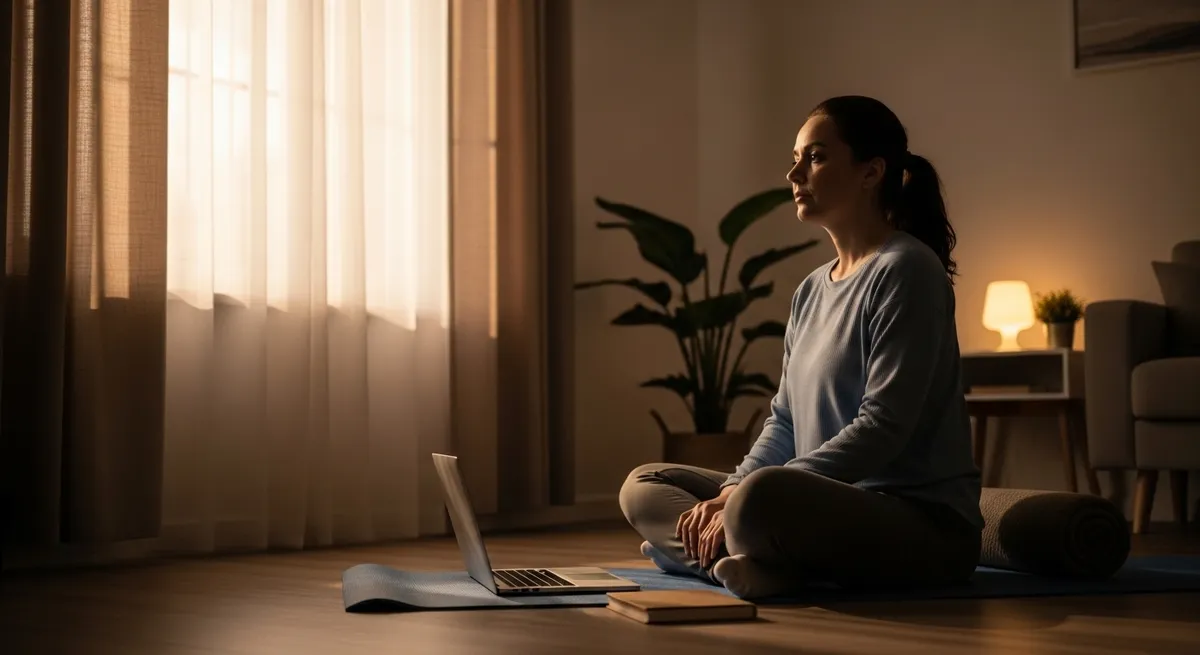
Gentle yoga is often used to release physical tension after long hours of sitting. Slow movements support relaxation without adding strain. Many people include short sessions in their evening routines as a way to transition into rest.
What is a work shutdown ritual?
A work shutdown ritual is a simple process used to end the workday clearly. It includes reviewing tasks and preparing for the next day. This method is commonly used to create a boundary between work and personal time.
How does a digital detox improve my sleep?
Reducing screen use before bedtime helps limit exposure to blue light. This supports the body’s natural sleep signals. Many people use digital detox practices to create a calmer evening environment.
How can I mentally disconnect from work when working from home?
Creating physical and time boundaries helps support mental separation from work. Changing spaces or routines can signal the end of work hours. This approach is commonly used in home-based work settings.
What are the symptoms of work-related stress?
Common signs include fatigue, irritability, and difficulty focusing. These experiences are often linked to ongoing mental activity. Recognizing them helps guide the use of supportive routines.
How long should an evening routine be?
Evening routines often range from thirty to ninety minutes depending on individual schedules. Consistency is more important than duration. Many people adapt routines to fit their daily needs.
Why cannot I relax after my work day is over?
Difficulty relaxing is often linked to continued mental engagement. Without a clear transition, the brain remains active. Structured routines help support a gradual shift toward rest.
Is it better to exercise before or after work for stress relief?
Exercise timing depends on personal preference and schedule. Gentle evening movement is often used to support relaxation. Intense activity late at night may not suit everyone.
Conclusion
Evening routines that help you unwind after 9–5 provide a simple structure for ending the day with clarity. These routines support a gradual shift from activity to rest. Over time, they can contribute to a more balanced and steady daily rhythm.
Consistency and flexibility both matter. Small habits repeated regularly often create the most sustainable results. Evening routines do not need to be perfect to be effective.
Creating a calm ending to the day supports better rest and focus. With time, these routines can become a natural part of daily life. They offer a practical way to maintain balance in a busy schedule.
Medical Disclaimer
This content is for informational purposes only and does not constitute medical advice. Consult a qualified healthcare provider before starting any new health program, supplement, or treatment, especially if you have existing medical conditions.
Image Generation Prompts
For wider background on this, see the American Psychological Association on stress.