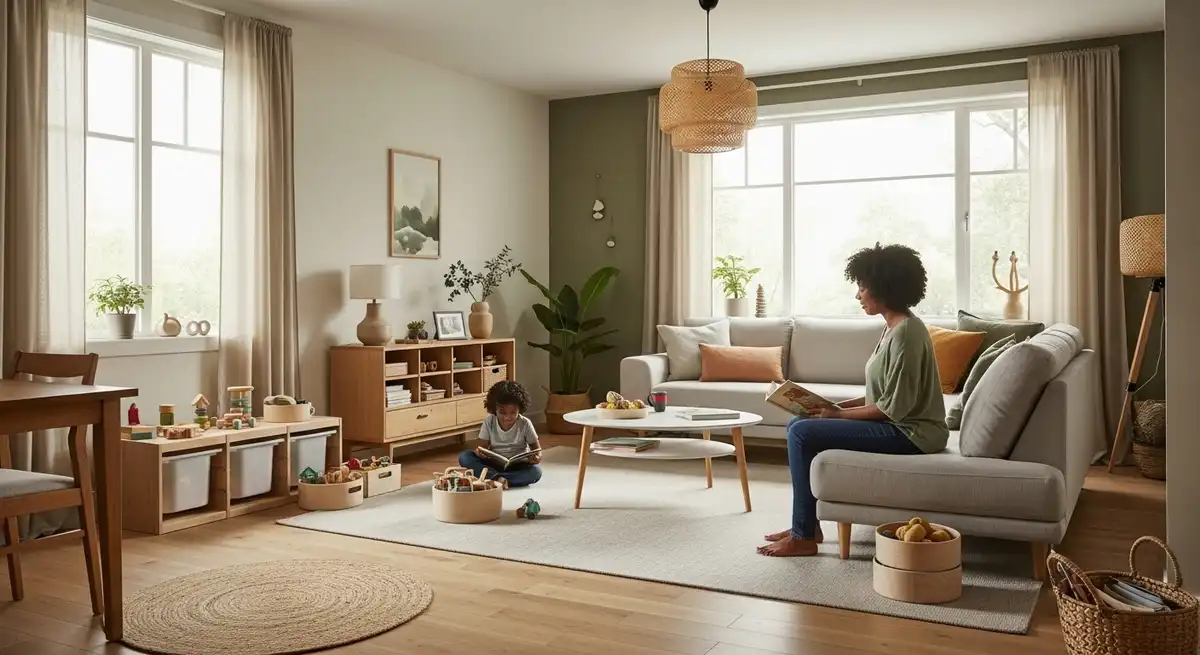
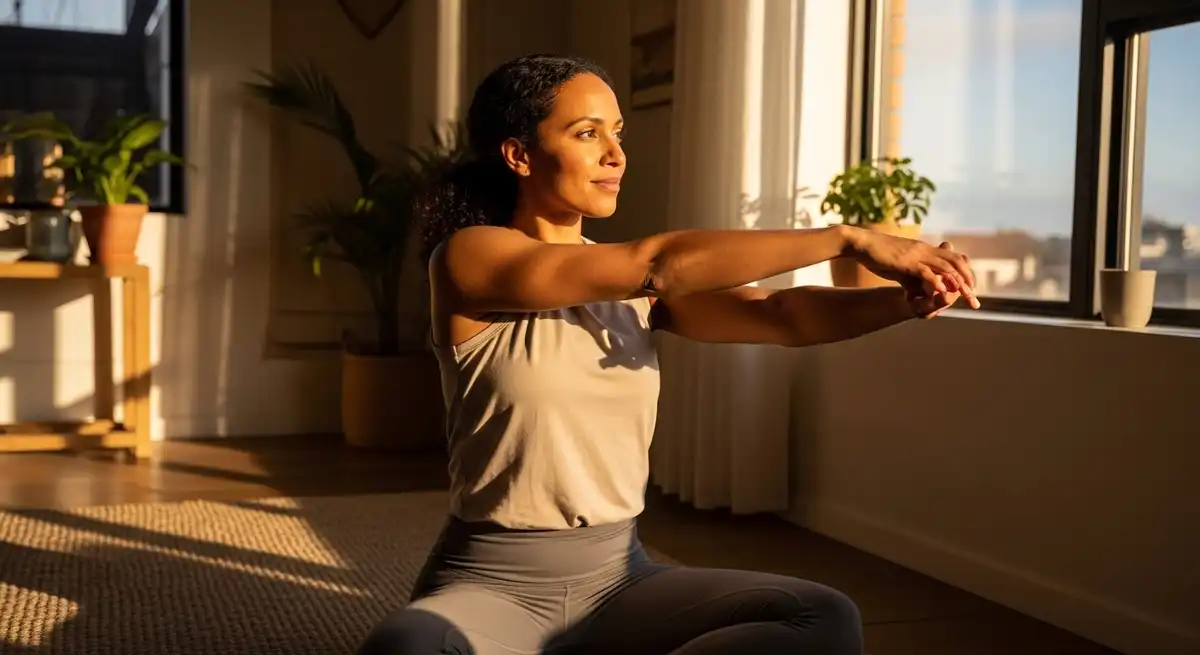
Many mothers begin their mornings carrying physical tightness and mental overload before daily responsibilities fully unfold. Caregiving, household planning, and professional work often compress personal time into small windows. Wellness educators note that brief, repeatable routines can support steadiness and comfort without adding pressure or unrealistic expectations.
A short morning flow focuses on preparation rather than performance. Ten minutes fits naturally into early mornings and aligns with real family schedules that change day to day. Lifestyle guidance suggests that simple, predictable practices are more likely to be maintained than complex plans that demand ideal conditions.
This page presents an expanded editorial explanation of the Stretch and Reset 10-minute morning flow for moms. It explains how gentle movement, breath awareness, and routine consistency are commonly used as lifestyle supports. All information is educational and intended to complement everyday wellbeing without replacing professional care.
Stretch reset: Understanding the Stretch and Reset Morning Flow
The Stretch and Reset morning flow is a brief sequence of gentle movements and breathing practices performed soon after waking. It is commonly used to ease stiffness from sleep and to create a calm transition into the day. Wellness educators describe this flow as preparatory movement rather than exercise or therapy.
This approach prioritizes ease and repetition instead of complexity. Movements remain slow and accessible so the body can warm gradually without strain. Many people find that a familiar structure reduces decision fatigue during busy mornings.
Mothers often choose this routine because it can be done at home with little space or equipment. It is generally viewed as a supportive lifestyle habit that fits around caregiving demands. The emphasis stays on safety, comfort, and consistency rather than intensity.
Why Short Morning Movement Is Commonly Helpful
Morning stiffness is widely reported due to limited movement and slower circulation during sleep. Gentle activity after waking supports gradual blood flow and joint lubrication. Lifestyle guidance often highlights morning mobility as a way to reintroduce movement without sudden stress.
Short routines are often easier to repeat than longer sessions. When time and energy are limited, smaller commitments are more sustainable. Many parents report that consistency matters more than duration for maintaining daily habits.
From a mental standpoint, intentional movement can create a clear transition between rest and responsibility. Wellness educators describe this pause as supportive for focus and emotional steadiness. The effect is linked to routine and awareness rather than specific outcomes.
Daily Routines and Emotional Load in Motherhood
Motherhood often involves continuous multitasking and emotional labor that accumulate over time. These demands commonly show up as muscle tension and mental fatigue. Lifestyle education emphasizes predictable personal routines as one way to support balance within caregiving roles.
A short morning practice can serve as a personal anchor before engaging with others’ needs. This time is not framed as escape but as preparation. Many mothers describe feeling more grounded when they begin the day with a brief, familiar routine.
This practice is not presented as a solution to emotional challenges. It is commonly used alongside rest, social support, and professional care. The focus remains on gentle daily support without promises of change.
Creating a Realistic Morning Practice
A realistic routine fits into existing household rhythms rather than competing with them. Ten minutes is often manageable even in busy homes. Lifestyle guidance suggests building habits around current schedules to reduce friction.
Choosing a consistent place and time supports predictability. Some mothers move before children wake, while others use a quiet moment once the day begins. Flexibility is considered part of sustainability, not a failure.
Keeping the setup simple also matters. A carpet, folded blanket, or firm mattress often works well. Reducing preparation steps lowers barriers to showing up each morning.
Centering the Body Through Awareness
The opening moments of the Stretch and Reset flow usually focus on body awareness. This involves noticing sensations without judgment or correction. Wellness educators describe body scanning as a way to reconnect with physical cues after sleep.
Awareness practices are commonly used to reduce unconscious muscle holding. Many people carry tension in the jaw, shoulders, or hips without noticing. Bringing attention to these areas supports more intentional movement later.
This phase does not require interpretation or analysis. It is simply observation. The goal is familiarity with the body’s current state rather than change.
Breath Awareness as a Lifestyle Tool
Breath awareness is often included because it is accessible and requires no equipment. Slow, intentional breathing is commonly associated with a calmer physiological state. Lifestyle education presents breathing as a supportive habit, not a treatment.
Three-part breathing directs attention to the lower torso, rib area, and upper chest in sequence. This pattern encourages fuller breathing and a slower pace. Many people use it to settle into movement.
Breath practices are typically paired with gentle motion. Coordinating breath with movement supports rhythm and ease. If discomfort appears, returning to natural breathing is advised.
Addressing Neck and Shoulder Tension
Neck and shoulder tightness is common among mothers due to caregiving tasks and screen use. Gentle range-of-motion movements are often included to address this area. Lifestyle guidance emphasizes slow control instead of forceful stretching.
Simple neck tilts and shoulder rolls support circulation and awareness. These movements do not require flexibility or strength. Comfort and ease remain the priority.
Regular gentle movement can increase awareness of posture during the day. Noticing habitual positions may support everyday comfort. This awareness is often cited as a practical benefit.
Supporting Spinal Mobility Safely
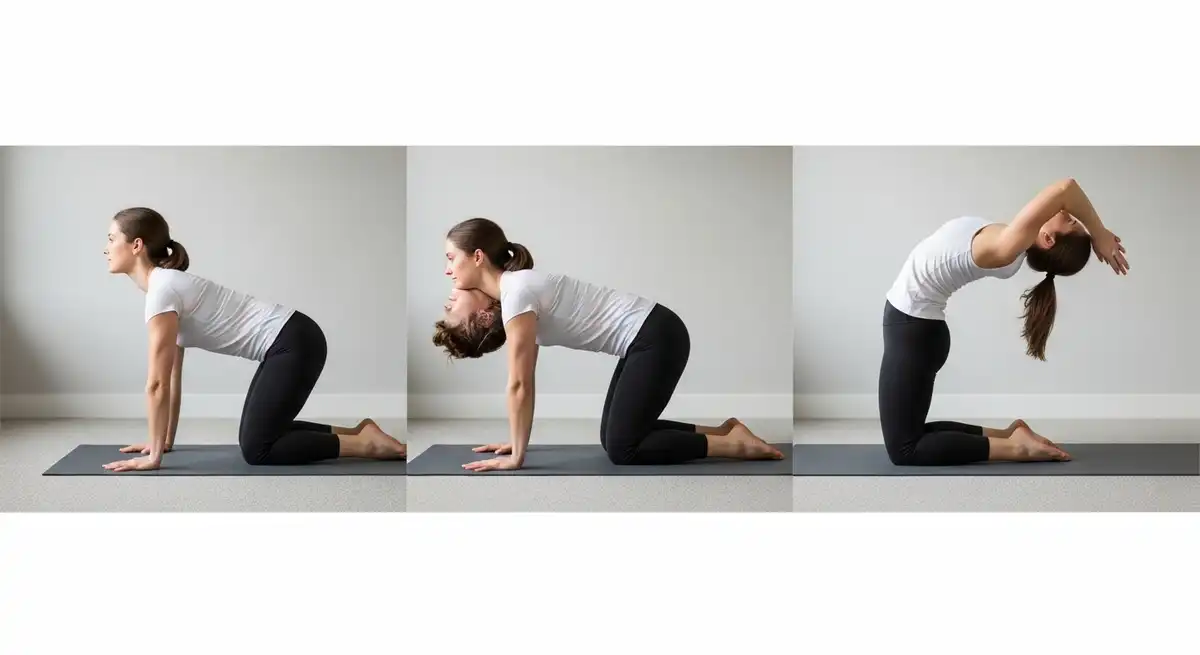
Spinal movement plays a central role in gentle morning routines. Flexion and extension help warm the back gradually. Wellness educators often describe spinal mobility as foundational for daily movement.
Cat and cow style movements guide the spine through controlled ranges. Breath is usually coordinated with motion to keep transitions smooth. The pace stays slow to avoid strain.
These practices are framed as preparation rather than correction. They support comfort during sitting, standing, and lifting. Discomfort signals the need to reduce range or pause.
Hip Awareness and Daily Movement
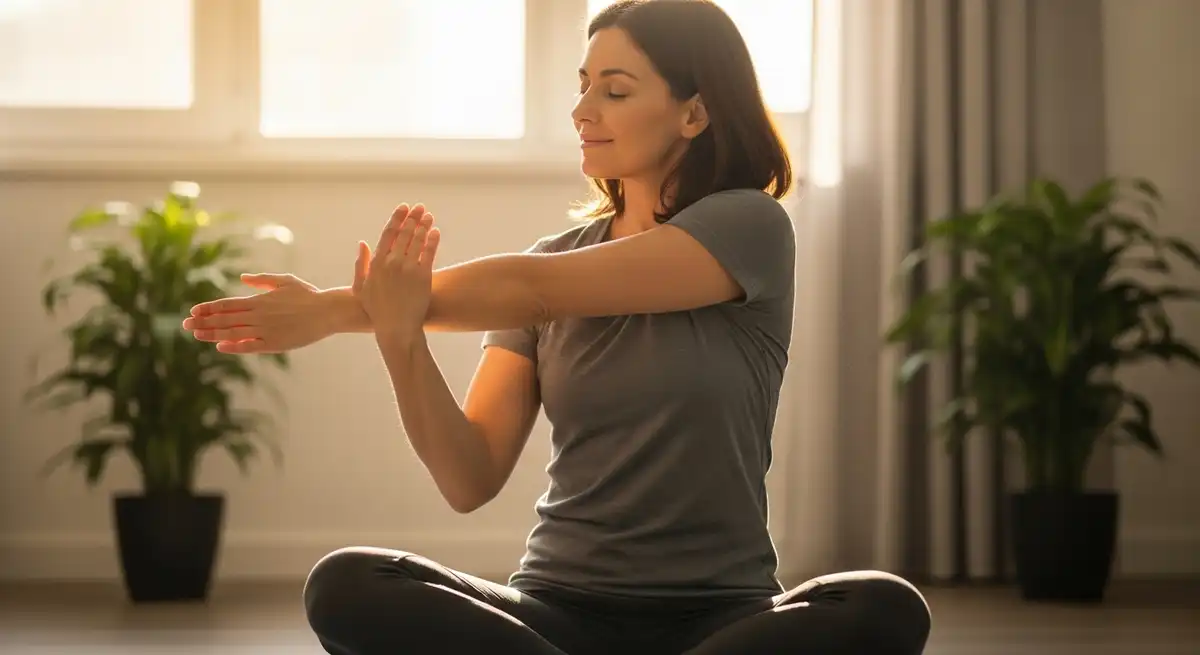
Hip tightness is often linked to prolonged sitting and repetitive caregiving motions. Gentle hip movements are included to support comfort. Lifestyle education favors gradual exposure over deep stretching.
Seated hip openers and supported positions allow greater control. Cushions or folded blankets can reduce joint pressure. Comfort guides depth and duration.
These movements support everyday actions like walking and bending. They are not intended to address medical concerns. Professional guidance is appropriate for ongoing pain.
Lower Body Mobility and Stability
The lower body supports most daily caregiving tasks, including lifting and carrying. Gentle hamstring and glute movements are often used to maintain mobility. Wellness educators view these areas as important for functional movement.
Seated stretches help maintain spinal alignment while moving the legs. This approach encourages awareness without strain. Controlled motion remains the focus.
Lower body mobility practices are described as supportive rather than transformative. Over time, familiarity with movement patterns may support comfort. Expectations stay modest and realistic.
Integrating Full-Body Movement
Short routines often include a brief full-body sequence near the end. This phase connects upper and lower body movement with breath. Wellness education frames this as coordination rather than exertion.
Simplified sun salutation patterns are sometimes used in an adapted form. Movements are slowed and modified to reduce impact. Personal adjustments are encouraged.
This part of the routine is optional and brief. It offers a sense of completion rather than performance. The aim is readiness, not fatigue.
Grounding and Transitioning Forward
The closing moments of a morning flow focus on grounding. Resting positions allow the body to settle after movement. Wellness educators describe this as integration.
Child’s pose or seated rest is commonly used. Breathing stays natural and unforced. Attention remains with physical sensations.
This phase supports a smooth transition into daily activities. It marks the end of intentional movement without abruptness. Many people find it helps maintain calm as the day continues.
Carrying Morning Support Into the Day
Lifestyle routines often influence awareness beyond the practice itself. Gentle morning movement is associated with noticing posture and pacing during the day. This awareness can guide everyday choices.
Hydration and regular meals are often mentioned alongside movement routines. Needs vary widely between individuals. No universal approach applies.
The routine is one supportive element among many. Sleep, social connection, and professional care remain important. The morning flow complements these needs.
Parenting and Working Life Relevance
Balancing parenting with work often limits time for structured practices. Short routines align with these constraints. Wellness education highlights flexibility for working parents.
Practicing at home removes scheduling barriers. Accessibility supports consistency across changing demands. Many mothers adapt the routine based on daily energy.
This practice is not framed as productivity enhancement. It is personal support within complex roles. Wellbeing remains the focus.
Safety and Responsibility in Lifestyle Practices
Movement should always stay within personal comfort limits. Pain, dizziness, or discomfort signal the need to pause. Consulting a healthcare professional is advised for ongoing concerns.
The Stretch and Reset routine is general and educational. It does not address specific conditions or replace professional guidance. Individual responses vary.
Approaching the routine with patience supports safety. Progress is not required. The practice exists to support daily life.
Conclusion
Stretch and Reset is commonly used as a short morning lifestyle routine for mothers seeking gentle daily support. Its value lies in accessibility, consistency, and realistic integration into family life. When practiced without pressure or expectation, this routine can support steadiness and awareness within everyday routines.
Frequently Asked Questions
What are the best morning stretches to do in ten minutes?
Short morning routines usually include gentle spinal movement, light neck mobility, hip awareness, and relaxed breathing. These elements are chosen because they address stiffness after sleep. The goal is preparation and comfort rather than intensity or flexibility gains.
Can a busy mother benefit from a ten-minute routine?
Ten-minute routines are often manageable within busy schedules. Consistency is commonly linked with habit maintenance. Many people use brief routines to support daily structure without added stress.
Why does morning stiffness occur?
Morning stiffness often results from reduced movement and circulation during sleep. Muscles and joints may feel less flexible after stillness. Gentle activity supports gradual rewarming of tissues.
Is stretching before caffeine acceptable?
Many people stretch before caffeine as a gentle way to wake up. Light movement can support alertness. Personal comfort and preference guide timing.
What movements commonly support lower back comfort?
Gentle spinal flexion, extension, and supported resting positions are often used. These movements focus on awareness and circulation. Ongoing discomfort should be discussed with a professional.
How do interruptions affect routine consistency?
Interruptions are common in family settings. Many parents pause and resume when possible. Flexibility supports long-term consistency.
Are simplified sun salutations suitable for beginners?
Simplified versions are often adapted for accessibility. Movements are slowed to reduce strain. Adjustments are encouraged based on comfort.
When are changes typically noticed?
Experiences vary widely. Some people notice increased comfort over time. No specific timeline applies to everyone.
Can this routine replace other physical activity?
This routine is generally used as a complement to other activities. It supports mobility and awareness rather than fitness goals. Broader movement needs depend on individuals.
Is this routine appropriate after childbirth?
Postpartum experiences differ. Gentle movement may feel supportive for some people. Healthcare guidance is recommended before starting.
Medical Disclaimer
“This content is for informational purposes only and does not constitute medical advice. Consult a qualified healthcare provider before starting any new health program or exercise routine, especially if you have existing medical conditions, are pregnant, postpartum, or recovering from injury.”
For wider background on this, see the American Psychological Association on stress.