Weekend meal prep for busy moms is widely used as a practical lifestyle system that helps families manage everyday food routines with less pressure. It centers on preparing meals or meal components ahead of time so weekday evenings feel more predictable and manageable. In many households, this approach supports time balance and emotional steadiness rather than aiming for strict structure or dietary rules.
For working mothers, food planning often becomes a quiet mental task repeated throughout the day. Weekend meal prep shifts much of that effort into a single, intentional window, which many parents find easier to handle. Wellness educators often describe this as reducing background stress rather than creating dramatic lifestyle change.
This practice is not about perfection or constant cooking. It is generally viewed as a flexible support habit that adapts to energy levels, schedules, and family needs. When used realistically, it supports routine stability while leaving space for rest, social time, and unexpected changes.
Weekend meal prep busy: Understanding the Role of Planning Before Cooking
Planning is one of the most influential parts of weekend meal prep for busy moms, yet it is often overlooked. Thinking through meals before stepping into the kitchen helps prevent rushed decisions and wasted effort later. In daily life, this planning step allows parents to align food preparation with real schedules, available ingredients, and family preferences.
Wellness educators frequently note that decision fatigue increases when meals are chosen under time pressure. Planning ahead reduces the number of choices required during busy evenings. This often makes weeknights feel calmer and more organized without adding emotional weight.
Planning does not need to be complicated. Many families rely on simple written lists or brief notes outlining meals for several days. This low effort approach is commonly used because it provides clarity without becoming another demanding task.
Creating a Familiar Meal Index
A meal index is a personal list of familiar meals that a family already enjoys and knows how to prepare. This list reduces the need to search for new ideas every week, which can feel mentally exhausting. In everyday use, it acts as a reference point that simplifies planning decisions.
Busy parents often notice that rotating familiar meals creates predictability for both adults and children. Familiar foods tend to reduce resistance at mealtimes and shorten preparation time. Over time, the meal index becomes a dependable tool that supports consistency without monotony.
This system also allows flexibility. Meals can be swapped or repeated depending on energy levels or ingredient availability. Lifestyle guidance often highlights familiarity as a foundation for sustainable routines rather than constant novelty.
Using Theme Nights to Reduce Mental Load
Theme nights involve assigning a general food category to certain days, such as pasta night or bowl night. This approach reduces the number of decisions required without limiting creativity. In everyday routines, it offers structure while still allowing variation within each theme.
Parents frequently use theme nights because children respond well to predictability. Knowing what type of meal to expect can ease tension around food. This predictability also supports smoother evening routines during busy school or work weeks.
From a wellness perspective, theme nights are considered a cognitive support tool. They reduce planning fatigue while keeping meals flexible. Many families find this balance helpful for maintaining meal prep habits over time.
Sharing the Mental Load Within the Household
Meal prep includes planning, remembering, and anticipating needs, not just cooking. When one person carries all of this responsibility, fatigue often builds quietly. Sharing the mental load helps distribute responsibility more evenly across the household.
In everyday family systems, shared planning may involve one person choosing meals while another handles shopping or preparation. This division allows each person to contribute without feeling overwhelmed. Wellness educators often note that shared responsibility supports emotional balance at home.
Children can also be involved in age appropriate ways. Simple tasks like washing vegetables or choosing a meal option encourage participation. Over time, this shared approach can reduce mealtime tension and build cooperation.
Batch Cooking as a Time Management Tool
Batch cooking involves preparing larger quantities of a single dish at one time. This method is commonly used to save time during busy weeks. In practical settings, it allows families to rely on ready meals when energy or time is limited.
Many parents choose batch cooking for soups, stews, or casseroles because these foods store well. Preparing them in advance reduces the need for daily cooking. This can be especially helpful during weeks with long work hours or multiple commitments.
Batch cooking is generally viewed as an efficiency strategy rather than a dietary rule. When used occasionally, it supports routine stability without forcing repetition. Freezing portions helps maintain variety and flexibility.
Component Prepping for Flexibility
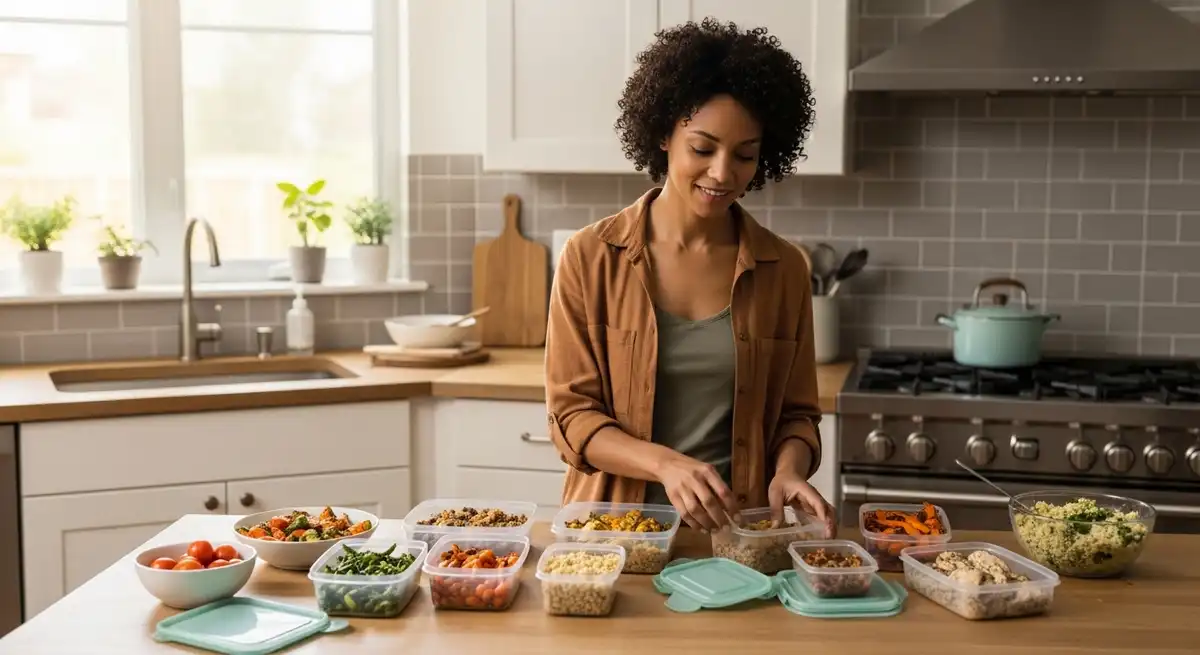
Component prepping focuses on preparing individual elements such as proteins, grains, and vegetables separately. This method allows meals to be assembled in different combinations throughout the week. In daily life, it supports flexibility for families with varied preferences.
Parents often find component prepping helpful because it allows customization without additional cooking. A single protein can be paired with different sides or sauces. This adaptability is commonly used to support picky eaters or changing schedules.
Lifestyle guidance often supports component prepping as a balanced approach. It offers structure while respecting individual needs. Over time, this method can also reduce food waste and mealtime conflict.
Combining Batch Cooking and Component Prepping
Many families combine batch cooking and component prepping rather than relying on one method alone. This hybrid approach offers both convenience and flexibility. In everyday routines, it provides backup options for different energy levels.
For example, a batch cooked soup may be available for low energy evenings, while prepped components allow quick assembly on other days. This layered system reduces pressure to cook nightly. Wellness educators often recommend hybrid approaches for long term sustainability.
This combination also supports realistic expectations. It recognizes that some days require minimal effort while others allow more involvement. Flexibility remains a key factor in maintaining supportive lifestyle habits.
Selecting Meal Prep Containers Thoughtfully
Meal prep containers play an important role in food safety and organization. Choosing containers that seal well helps prevent leaks and spoilage. In everyday use, reliable containers reduce frustration during storage and transport.
Glass containers are often chosen for durability and ease of reheating. Plastic containers are commonly used for portability and lighter weight. Both options can support meal prep routines when selected carefully and used appropriately.
Visibility also matters. Clear containers make it easier to see what is available, which encourages use and reduces waste. Organization supports consistency and confidence in prepared meals.
Essential Cookware for Efficient Preparation
Efficient meal prep often relies on a small set of versatile cookware. Sheet pans, large skillets, and sturdy pots allow multiple items to be prepared at once. In everyday kitchens, these tools support time efficient workflows.
Using fewer tools also reduces cleanup time. This matters for busy parents with limited energy after cooking. Simplified equipment use supports consistency without adding extra burden.
Lifestyle educators often emphasize practicality over specialized tools. A few reliable items used well can support meal prep routines effectively. This approach keeps cooking manageable and accessible.
Using Kitchen Appliances to Support Routine
Kitchen appliances such as slow cookers and pressure cookers are often used to support meal prep routines. Slow cookers allow food to cook gradually with minimal supervision. Pressure cookers reduce cooking time for certain foods.
These appliances fit well into busy schedules. Meals can cook while parents handle other responsibilities. This hands off approach supports time balance without compromising food preparation.
Preparing freezer ready ingredients for these appliances increases convenience further. This method is often used to maintain routine consistency during unpredictable weeks.
Building a Supportive Freezer System
Freezers play an important role in weekend meal prep for busy moms. Storing meals or components allows families to extend preparation benefits over longer periods. In everyday use, freezer meals act as a safety net.
Proper cooling and labeling support food safety and organization. Clear labeling helps families track storage time and rotation. This reduces waste and supports safe consumption practices.
Freezer use is generally seen as a practical extension of meal prep. It supports flexibility and reduces reliance on last minute food decisions.
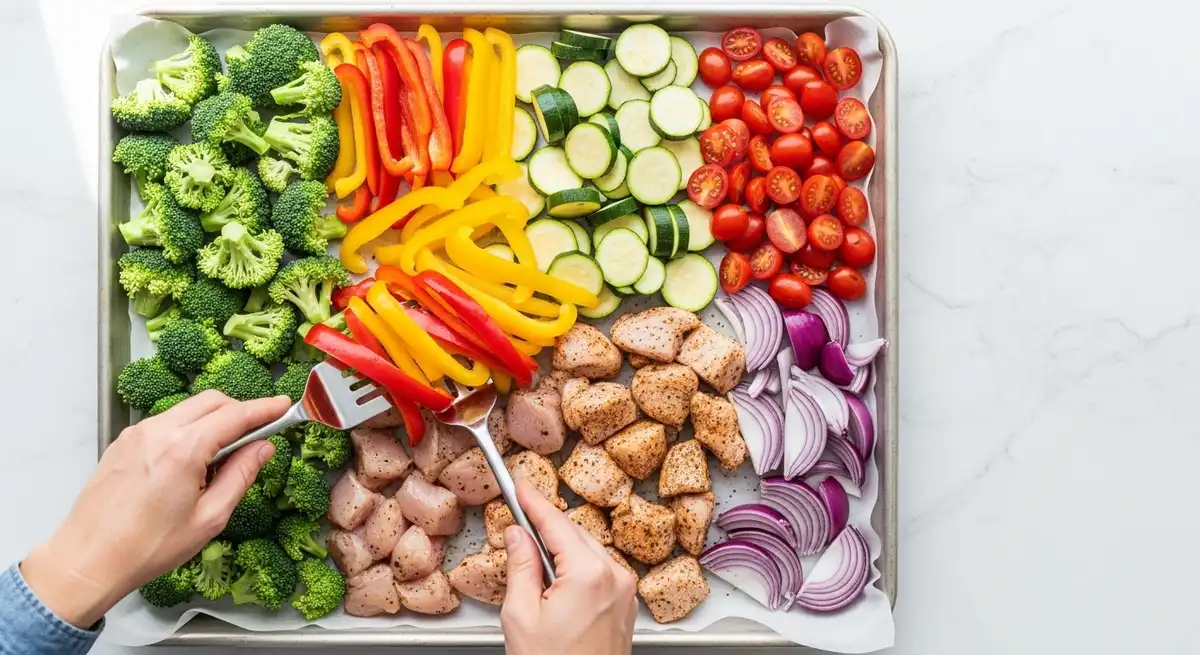
Understanding Food Safety in Meal Prep
Food safety is a key consideration in any meal preparation routine. Storing food at appropriate temperatures and within recommended time frames helps prevent spoilage. These practices support household health in a practical, everyday way.
Separating raw and cooked foods reduces cross contamination risk. Hand washing and surface cleaning remain simple but important steps. These habits are widely recommended as part of general food hygiene education.
Meal prep routines that prioritize safety tend to feel more sustainable. Clear guidelines reduce uncertainty and support confidence in prepared meals.
Budget Awareness Through Planned Cooking
Meal prep often supports budget awareness by encouraging intentional shopping. Checking pantry items before shopping reduces unnecessary purchases. In daily life, this practice supports cost control without strict restrictions.
Using affordable ingredients such as lentils or beans to supplement meals is commonly recommended. These foods add volume and nutrition at lower cost. Many families use this strategy to stretch meals.
Buying staples in bulk can also support long term savings. When paired with planning, bulk buying reduces impulse spending and food waste.
Understanding Picky Eating in Families
Picky eating is often linked to preference, familiarity, or sensory sensitivity rather than behavior alone. Many children prefer predictable textures and flavors. Recognizing this helps reduce pressure at mealtimes.
Providing familiar options alongside new foods supports gradual exposure. This approach is commonly recommended by feeding educators. It encourages exploration without forcing participation.
Meal prep routines that include choice and predictability often reduce conflict. Over time, consistent exposure supports broader acceptance of foods.
Supporting Neurodiverse Food Needs
Some children experience heightened sensitivity to texture, temperature, or appearance. Meal prep can support these needs by offering consistent preparation methods. Predictability helps create a calmer eating environment.
Separating components allows children to choose combinations that feel comfortable. This approach respects individual needs while maintaining shared meals. It is commonly used in families seeking to reduce mealtime stress.
Involving children in preparation can also support comfort and familiarity. Participation often increases willingness to engage with food.
Encouraging Family Participation in Meal Prep
Family involvement in meal prep supports cooperation and shared responsibility. Simple tasks help children feel included without overwhelming them. This participation is often linked with increased interest in meals.
Parents frequently notice improved cooperation when children have some ownership over food choices. Allowing limited choice supports autonomy within structure. This balance is commonly recommended in family wellness guidance.
Over time, shared meal prep can strengthen routines and relationships. It turns preparation into a collaborative activity rather than a burden.
Managing Expectations Around Meal Prep
Weekend meal prep is not meant to remove all cooking or stress. It is generally considered a supportive tool rather than a complete solution. Realistic expectations support long term consistency.
Some weeks may involve full preparation, while others include partial effort. Both approaches remain useful. Lifestyle guidance often emphasizes adaptability over rigid standards.
Progress is often measured by reduced pressure rather than perfect execution. This perspective supports emotional sustainability.
Integrating Meal Prep Into Busy Workweeks
Meal prep supports busy workweeks by reducing daily decision making. Prepared meals or components shorten evening routines. This allows families to move more smoothly from work to home time.
In everyday routines, saved time often supports rest or connection rather than additional tasks. Many parents value sitting down sooner after long days.
Consistency in small habits often leads to noticeable relief over time. Meal prep becomes part of routine maintenance rather than an added responsibility.
The Emotional Impact of Reduced Food Stress
Food related stress often runs quietly in the background of daily life. Reducing this stress can create noticeable emotional relief. Many parents report feeling calmer when meals are planned.
This sense of calm is often linked with predictability and preparedness. Knowing food is available reduces urgency and tension. Wellness educators often frame this as emotional load reduction.
Meal prep supports emotional balance without requiring emotional labor. It is a practical strategy that indirectly supports wellbeing.
Weekend Meal Prep and Self Care Framing
Meal prep is sometimes framed as self care because it supports future ease. This framing views preparation as an act of care rather than obligation. It shifts perspective from effort to support.
Self care in this context remains practical and grounded. It does not promise relief from deeper challenges. Instead, it supports daily functioning.
This realistic framing aligns with wellness education standards. It emphasizes support rather than outcomes.
Long Term Habit Sustainability
Sustainable habits are flexible and forgiving. Weekend meal prep works best when it evolves over time. Families adjust routines based on seasons, schedules, and energy.
Allowing routines to change supports long term use. Rigid systems often fail under pressure. Adaptability supports continuity.
Lifestyle guidance consistently highlights small, repeatable actions. Meal prep fits this model when practiced with flexibility.
Cultural and Household Differences
Meal prep routines vary across cultures and households. Ingredients, cooking styles, and family structures shape how preparation looks. Respecting these differences supports inclusivity.
There is no single correct method. Families adapt principles to fit cultural foods and traditions. This adaptability supports broader acceptance.
Wellness education values context over uniformity. Meal prep principles are applied, not imposed.
Weekend Meal Prep for Single Parents and Caregivers
Single parents and caregivers often face additional time constraints. Meal prep can support them by reducing daily demands. Even partial preparation can offer relief.
Using ready cut ingredients or simple meals supports accessibility. These choices align with realistic constraints. Supportive routines adjust to available resources.
Meal prep in these settings focuses on feasibility rather than ideal systems. This perspective supports dignity and practicality.
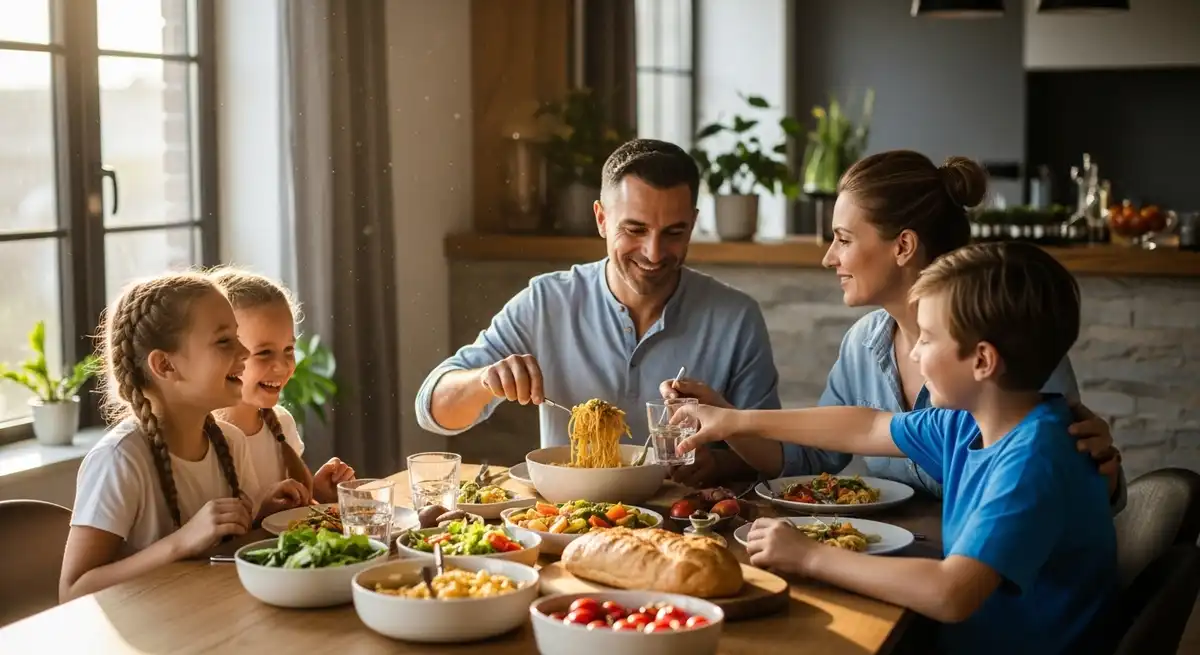
Reframing Success in Meal Prep
Success in meal prep is often defined by reduced stress rather than completed plans. Preparing even one or two components can be helpful. This reframing supports emotional balance.
Wellness educators often encourage recognizing partial success. This prevents discouragement and supports continued effort. Progress builds gradually.
Viewing meal prep as support rather than obligation reduces resistance. This mindset helps maintain consistency.
Frequently Asked Questions
How long meal prepped food typically stays safe in the refrigerator
Meal prepped food is generally considered safe for three to four days when stored at proper refrigeration temperatures. This timeframe supports freshness and food safety for most cooked meals. Freezing meals extends storage time and provides additional flexibility for later use.
Whether glass or plastic containers are more suitable for meal prep
Both glass and plastic containers are commonly used for meal prep. Glass supports reheating and durability, while plastic offers portability and lighter weight. The best choice depends on household routines, storage space, and daily transport needs.
How families commonly manage meal prep within two hours
Many families manage meal prep within two hours by cooking items at the same time and limiting recipes. Using sheet pans and simple ingredients supports efficiency. Planning ahead reduces delays and helps maintain realistic timelines.
Which foods are commonly suitable for freezing
Soups, stews, casseroles, cooked grains, and many proteins freeze well when cooled properly. Airtight storage helps maintain quality and safety. Labeling containers supports safe rotation and timely use.
How meal prep can support picky eaters
Meal prep supports picky eaters by offering familiar foods alongside new options. Component prepping allows choice without extra cooking. This approach reduces pressure and supports gradual exposure.
Whether meal prep typically reduces grocery costs
Meal prep often supports cost awareness by reducing impulse purchases and food waste. Planned shopping and ingredient use contribute to budget consistency. Savings vary based on household habits and preferences.
Whether cooked rice and pasta can be frozen safely
Cooked rice and pasta can be frozen when cooled properly and stored airtight. Reheating until thoroughly hot supports food safety. This practice supports quick meal assembly.
How families prevent vegetables from becoming soggy
Preventing sogginess often involves storing vegetables separately from sauces. Slight undercooking helps maintain texture. Reheating methods also influence results.
The difference between batch cooking and meal prepping
Batch cooking focuses on large quantities of one dish, while meal prepping often involves portioned meals or components. Many families use both methods together. This combination supports flexibility.
How many days weekend meal prep usually covers
Weekend meal prep typically covers three to four days when refrigerated. Freezing extends availability. Planning around this timeframe supports safety and freshness.
Editorial Conclusion
Weekend meal prep for busy moms works best as a practical lifestyle support rather than a rigid system. It reduces daily decision making, supports routine stability, and eases emotional pressure through preparation. When practiced flexibly and safely, it becomes a sustainable habit that fits real family life without unrealistic expectations.
Medical Disclaimer
This content is for informational purposes only and does not constitute medical, nutritional, or health advice. Always consult a qualified healthcare provider before making changes to diet, food handling practices, or lifestyle routines, especially if you have medical conditions or specific dietary needs.
For wider background on this, see the National Heart, Lung, and Blood Institute on sleep.