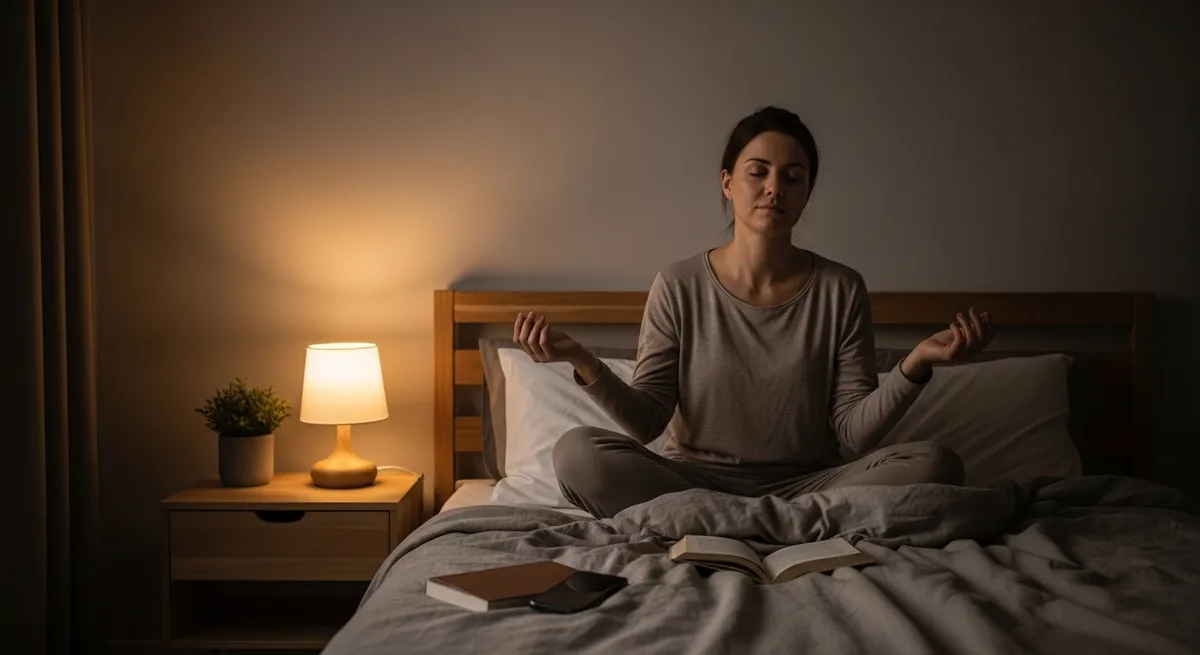
The value of 18 Affirmations for Sleep Energy Recovery is repetition in ordinary moments, not intensity in rare ones. Many people end the day feeling physically tired but mentally alert, which can make falling asleep feel difficult and frustrating. This pattern often develops when daily stress, constant screen exposure, and unfinished thoughts continue into the night. Sleep energy recovery focuses not only on hours slept, but also on the mental state carried into rest.
Affirmations are commonly used as a gentle mental practice to support relaxation and shift attention away from repetitive or stressful thinking. When used regularly, they can help create a calmer pre-sleep routine that supports emotional balance. This approach is considered a supportive lifestyle tool, not a replacement for medical care or sleep treatment.
Understanding Sleep Energy Recovery in Daily Life
Sleep energy recovery refers to how refreshed and mentally clear a person feels after sleep, not just the number of hours spent in bed. Many wellness educators note that emotional state, daily habits, and bedtime routines influence this experience. A calm and settled mind before sleep is often linked with better next-day focus and energy.
Busy routines can blur the line between work and rest, especially for parents and working professionals managing multiple responsibilities. This overlap keeps the mind active even when the body is ready to rest, creating a gap between fatigue and actual relaxation. Simple practices like affirmations are often introduced to ease this transition naturally.
Sleep energy recovery is also influenced by circadian rhythm, which is the body’s internal clock regulating sleep and wake cycles. Consistent sleep timing, reduced evening stimulation, and calming routines help support this rhythm. Affirmations can be easily added to these routines without requiring major lifestyle changes.
The Role of Mindset in Restorative Sleep
Behavioral research shows that beliefs and expectations can influence how people experience rest and alertness. This idea is sometimes described as the placebo sleep effect, where perceived rest quality impacts mental performance. People often feel more energized when they believe they slept well, even if sleep duration was not ideal.
Mindset does not replace sleep, but it shapes how the body responds to rest. When sleep is approached with anxiety or pressure, the body may stay in a heightened alert state. Affirmations are used to gently shift this internal dialogue toward calmness, making it easier for the body to relax naturally.
Repeated thoughts can influence mental patterns over time through a process known as neuroplasticity, which means the brain adapts based on experience. When calming affirmations are practiced regularly before sleep, they may help reinforce a sense of safety. This gradual shift supports a more relaxed and consistent sleep experience.
18 Affirmations for Sleep Energy Recovery Explained
1. I release today’s worries and welcome restorative rest
This affirmation supports mental closure by helping the mind step away from unfinished tasks and concerns. Many people carry lingering thoughts into the night, which can keep the brain active longer than needed. Repeating this statement slowly signals that the day has ended and rest can begin.
2. My body restores energy naturally during sleep
This statement encourages trust in the body’s natural ability to recover during sleep. Biological processes such as tissue repair and energy restoration continue without conscious effort. Using this affirmation helps reduce pressure to control sleep and supports a more relaxed approach to bedtime.
3. I give myself permission to fully relax and recharge
This affirmation addresses the common belief that rest must be earned through productivity. Many individuals feel uneasy slowing down, even when tired. Repeating this statement helps create acceptance around rest and allows the body to shift into a calmer state before sleep.
4. My worth is not defined by productivity
This statement separates personal value from daily achievements, which can reduce mental pressure at night. Work and responsibilities often extend into thoughts during bedtime. Using this affirmation helps ease performance-related stress and supports a more balanced mindset around rest.
5. Every breath calms my mind and body
This affirmation is often paired with slow breathing to support relaxation. Breathing at a steady pace is associated with reduced physical tension and a calmer heart rate. Repeating this statement while focusing on breath helps create a steady rhythm that prepares the body for sleep.
6. I trust my body’s ability to heal and renew
This statement promotes confidence in natural recovery processes that occur during sleep. Many people experience less anxiety when they stop trying to control sleep. This affirmation supports a passive approach, allowing the body to follow its natural rhythm.
7. I am safe, calm, and ready for deep sleep
A sense of safety plays an important role in how easily the body relaxes before sleep. When the mind perceives safety, the body is more likely to settle into rest. Repeating this affirmation helps create a calm internal environment that supports deeper sleep.
8. I release perfection and embrace peace
Perfectionism often leads to overthinking and mental restlessness during bedtime. Letting go of strict expectations can help quiet the mind. This affirmation encourages acceptance and reduces internal pressure, making it easier to transition into sleep.

9. I wake refreshed and energized each morning
This forward-focused affirmation supports a positive expectation around waking. Many people notice that how they think about sleep influences how they feel the next day. Repeating this statement helps build a balanced outlook toward rest and energy.
10. My mind supports rest, not stress
This statement reframes the role of thoughts from a source of worry to a supportive function. Many individuals benefit from this shift in perspective. Using this affirmation regularly can help reduce mental resistance and support relaxation.
11. I am exactly where I need to recover
This affirmation supports acceptance of the present moment without comparison or pressure. Feeling behind or unproductive can create stress that affects sleep. Repeating this statement helps reduce that tension and encourages a calmer mindset.
12. I forgive today and welcome tomorrow
Emotional carryover from the day can influence how easily the mind settles at night. Practicing forgiveness is often associated with reduced mental tension. This affirmation helps create closure and prepares the mind for rest.
13. My energy is protected through rest
This statement reframes sleep as an essential part of maintaining energy. Many people benefit from seeing rest as valuable rather than optional. Using this affirmation helps reinforce the importance of consistent sleep habits.
14. I choose peace over pressure tonight
This affirmation emphasizes personal choice in responding to stress. Instead of reacting automatically, it supports a calmer approach. Repeating this statement helps guide the mind toward relaxation before sleep.
15. Every moment of sleep restores my reserves
This statement highlights that even short periods of sleep contribute to recovery. It reduces pressure to achieve perfect sleep conditions. This affirmation supports a more flexible and accepting mindset.
16. I observe thoughts without judgment
Mindfulness practices often involve observing thoughts without reacting to them. This approach helps reduce mental engagement with stress. Using this affirmation supports a neutral and calm mental state before sleep.
17. My dreams support healing and clarity
Dreaming is commonly linked to emotional processing during sleep. Viewing dreams as helpful can reduce concern about nighttime mental activity. This affirmation supports a positive relationship with subconscious processes.
18. I am grateful for rest and renewal tonight
Gratitude practices are associated with improved emotional balance and calmness. Ending the day with appreciation can create a peaceful mindset. This affirmation helps prepare the mind for a restful night.
Mindfulness and Lifestyle Integration
Affirmations are often most helpful when combined with simple bedtime routines that support relaxation. This may include lowering lights, reducing screen exposure, and engaging in calming activities such as reading. Consistency in these habits helps signal to the body that it is time to rest.
Mindfulness practices like observing breath or noticing body sensations can complement affirmations effectively. These methods shift attention away from stress and toward present-moment awareness. Many people find that combining these practices creates a more stable pre-sleep routine.
Short and practical routines work best for busy lifestyles, especially for working professionals and parents. Even a few minutes of quiet time can support mental transition into rest. Simple and repeatable habits are often easier to maintain over time.

Everyday Relevance for Busy Lives
Balancing work, family, and personal responsibilities can make it difficult to disconnect at night. Many individuals continue thinking about tasks or concerns even after lying down. Affirmations offer a structured way to shift attention away from these thoughts.
Parents often experience irregular sleep patterns due to caregiving responsibilities. Flexible practices like affirmations can be used in short moments without needing a fixed schedule. This makes them accessible and practical for different lifestyles.
Work-related mental fatigue can build gradually throughout the day and carry into bedtime. Creating a clear boundary between work and rest is widely recommended for wellbeing. Affirmations can support this transition by encouraging a calm mental shift.
Frequently Asked Questions
Do sleep affirmations really work for energy recovery?
Sleep affirmations are commonly used as a supportive practice to improve perceived rest and reduce stress before bedtime. They do not replace sleep, but they may help create a calmer mindset that supports relaxation. Many people find them useful when practiced consistently as part of a bedtime routine.
How long does it take for affirmations to improve sleep?
Affirmations are usually practiced over several weeks to notice gradual changes in mindset and relaxation. The effects depend on consistency and overall lifestyle habits. Some people observe small improvements in how they approach sleep rather than immediate results.
Can affirmations replace a lack of sleep?
Affirmations do not replace the body’s need for physical sleep and recovery. They are considered a complementary practice that supports relaxation and perception of rest. Adequate sleep remains essential for overall health and daily functioning.
What are the best affirmations for burnout recovery?
Affirmations that focus on rest, calmness, and self-worth are often used for burnout recovery. These statements aim to reduce pressure and support emotional balance. They are typically practiced alongside lifestyle changes such as improved rest habits.
How can I reprogram my mind for better sleep?
Reprogramming the mind involves consistent repetition of calming thoughts and supportive routines. Affirmations are one method used to gradually shift mental patterns. This process is generally gradual and influenced by daily habits.
Is it better to listen to affirmations or say them?
Both listening and speaking affirmations are commonly used approaches depending on personal comfort. Listening supports passive relaxation, while speaking encourages active engagement. Many people use a combination of both methods.
What is the placebo sleep effect?
The placebo sleep effect refers to improved alertness when individuals believe they slept well. This concept highlights how perception influences energy and performance. It is often discussed in relation to mindset and sleep experience.
How do I stop negative thoughts before sleeping?
Negative thoughts are often managed by redirecting attention rather than suppressing them. Techniques like affirmations and breathing exercises are commonly used. These practices help reduce mental engagement with stress.
Does your subconscious listen while you sleep?
The subconscious remains active during sleep and processes emotions and memories. Affirmations practiced before sleep may influence these processes. This is generally considered a supportive concept rather than a guaranteed effect.
What are the most powerful affirmations for healing and rest?
Affirmations that emphasize calmness, safety, and trust are commonly used for rest. These statements aim to reduce tension and support relaxation. Their effectiveness depends on consistent and mindful practice.
Conclusion
Sleep energy recovery depends on both physical rest and mental readiness, making bedtime mindset an important part of daily wellbeing. Affirmations offer a simple and accessible way to support relaxation and reduce internal tension. With consistent use, they can help create a calmer approach to sleep and improve how rested you feel each day.
Medical Disclaimer
This content is for informational purposes only and does not constitute medical advice. Consult a qualified healthcare provider before starting any new health program, supplement, or treatment, especially if you have existing medical conditions.
Image Generation Prompts
For wider background on this, see the Greater Good Science Center at UC Berkeley.