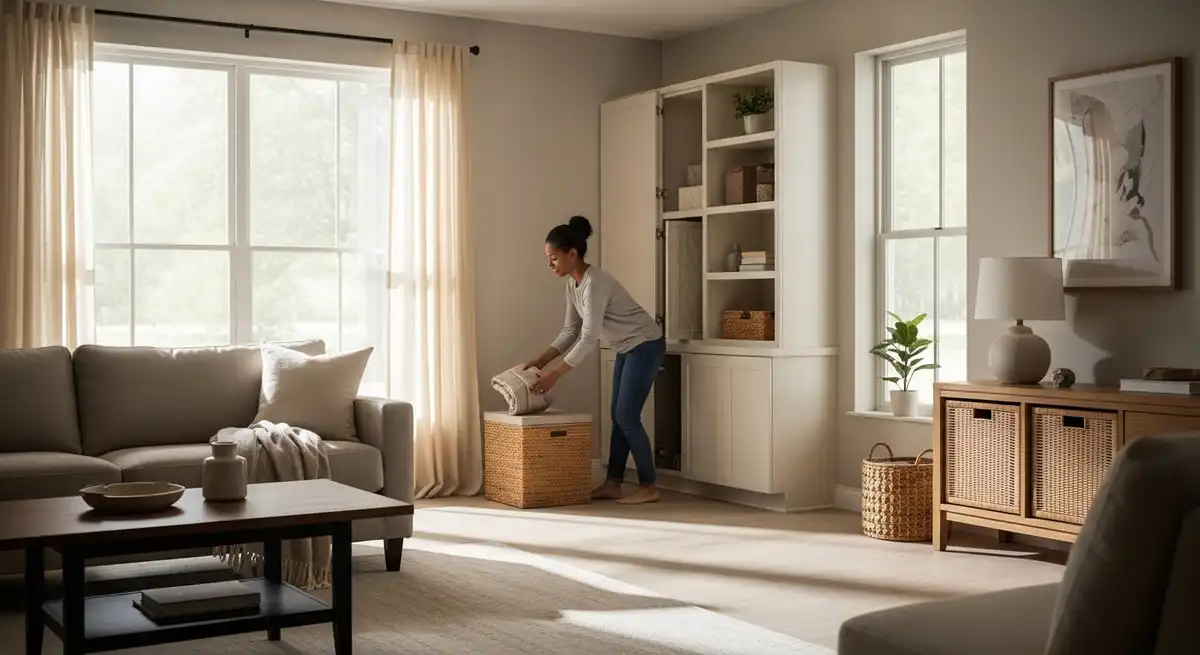
Keeping a home tidy often gets framed as a personal habit problem, but in real households it is more closely tied to energy, structure, and realistic routines. Work schedules, caregiving, and mental fatigue all affect how much attention people can give to their surroundings. A supportive home usually comes from simple systems that fit into everyday life rather than strict standards or constant effort.
Many wellness educators point out that living spaces quietly influence daily stress levels, focus, and emotional steadiness. A home does not need to look perfect to feel supportive, but constant visual clutter can create background tension that adds up over time. Learning how to keep your home tidy with less effort focuses on reducing friction and pressure, not on chasing an ideal image.
This approach emphasizes sustainability and emotional balance instead of intensity. Rather than promoting long cleaning sessions, it encourages small habits, clear placement, and flexible routines that still work during busy or low energy periods. The aim is a home that supports daily life without becoming another responsibility to manage.
Keep home tidy less: Understanding the difference between tidying and cleaning
Tidying and cleaning are often treated as the same task, but they serve different roles in everyday home care. Cleaning focuses on removing dirt, residue, and germs, while tidying restores order by returning items to their intended places. Many homes feel overwhelming not because they are dirty, but because objects have no clear location.
Visual clutter requires constant mental processing, which can quietly increase fatigue during already demanding days. Environmental psychology research has shown that cluttered surroundings are commonly linked with reduced focus and higher perceived stress. Tidying addresses this visual load directly and usually takes far less time than deep cleaning.
Separating tidying from cleaning allows households to manage both without burnout. Daily tidying maintains a functional baseline, while cleaning can happen less often and with intention. This separation helps reduce guilt, supports consistency, and creates a more neutral relationship with home care.
Why a tidy home supports daily wellbeing
A tidy home is often associated with calm, but the effect is practical rather than emotional magic. Fewer visible items mean fewer distractions competing for attention throughout the day. This can make it easier to move between tasks and recover mentally after busy periods.
Research in environmental psychology suggests that spaces with lower visual complexity are easier for the brain to process. This supports clearer thinking, smoother transitions, and a sense of control over daily routines. These effects tend to build gradually rather than appear instantly.
In daily life, a tidy home also makes practical tasks easier. Finding items quickly and using surfaces without obstruction reduces frustration. Over time, these small improvements can meaningfully lower day to day stress without requiring extra effort.
Shifting from reactive cleaning to proactive maintenance
Many households rely on reactive cleaning, addressing mess only once it feels overwhelming. This often leads to long cleaning sessions driven by urgency rather than planning. Such cycles are difficult to maintain and commonly end in exhaustion or avoidance.
Proactive maintenance focuses on preventing mess from reaching an unmanageable stage. Short, regular tidying actions stop buildup before it becomes emotionally heavy. Habit research shows that small, repeatable actions are easier to maintain than infrequent, intense efforts.
This shift changes how people relate to their homes. Tidiness becomes ongoing care rather than crisis response. The result is a more forgiving system that adapts to busy schedules instead of breaking under them.
The one touch rule as a low effort habit
The one touch rule means handling an item once and placing it directly where it belongs. Instead of setting objects down temporarily, they are completed in a single action. This reduces repeated decisions and prevents small messes from multiplying.
In daily routines, the rule applies to actions like hanging a jacket right away or sorting mail as it enters the home. Productivity studies suggest that repeated handling increases mental fatigue and procrastination. Completing small tasks immediately often saves energy overall.
This habit works best when items have clear, convenient homes. Once placement is obvious, the rule becomes automatic rather than forced. Over time, it significantly reduces clutter without adding time to daily routines.
The five minute threshold for daily tasks
The five minute threshold is a simple guideline used in many productivity systems. It suggests that if a task can be completed in five minutes or less, doing it immediately usually requires less effort than postponing it. This principle fits naturally into home tidying.
Tasks like wiping a surface, loading dishes, or returning items are rarely difficult when done right away. Delaying them often turns small actions into larger chores later. The threshold reduces decision making by offering a clear rule.
In everyday life, this approach supports momentum rather than interruption. It prevents unfinished tasks from piling up mentally. Over time, it contributes to a sense of order without increasing workload.
Daily mantras that support effortless tidying
Simple reminders can reinforce habits without requiring detailed planning. One common mantra encourages placing items where they belong instead of setting them down temporarily. This supports awareness without demanding perfection.
Another supportive habit involves scanning a room briefly before leaving it. This quick check helps identify items that belong elsewhere and allows them to move closer to their destination. The action is small but prevents clutter from spreading.
A third approach focuses on moving items one step closer to where they belong. Even partial progress reduces buildup and supports flow. These mantras work because they lower cognitive load and create gentle structure.
The ten minute house reset explained
The ten minute house reset is a short routine designed to restore basic order. It does not aim for deep cleaning or detailed organization. Instead, it focuses on clearing surfaces and maintaining flow.
Breaking the reset into zones helps keep attention focused. Common zones include kitchen counters, dish flow, bathroom sinks, living areas, and laundry progress. Spending about two minutes per zone keeps the routine manageable.
Behavioral research shows that time limited tasks increase follow through. The reset supports consistency, which matters more for long term tidiness than intensity. Over time, it becomes a stabilizing daily habit.
Why short resets are more sustainable than deep cleaning
Deep cleaning sessions often require high energy and extended time. For many households, this makes them hard to schedule and easy to avoid. When skipped, they can trigger guilt rather than motivation.
Short resets maintain order gradually. They prevent mess from becoming emotionally overwhelming, which lowers resistance to starting. Habit research consistently shows that consistency is easier when actions are brief and predictable.
Ten minutes a day adds up without draining energy. More importantly, it supports a neutral relationship with home care rather than one based on pressure or self judgment.
Using doom boxes as an adaptive strategy
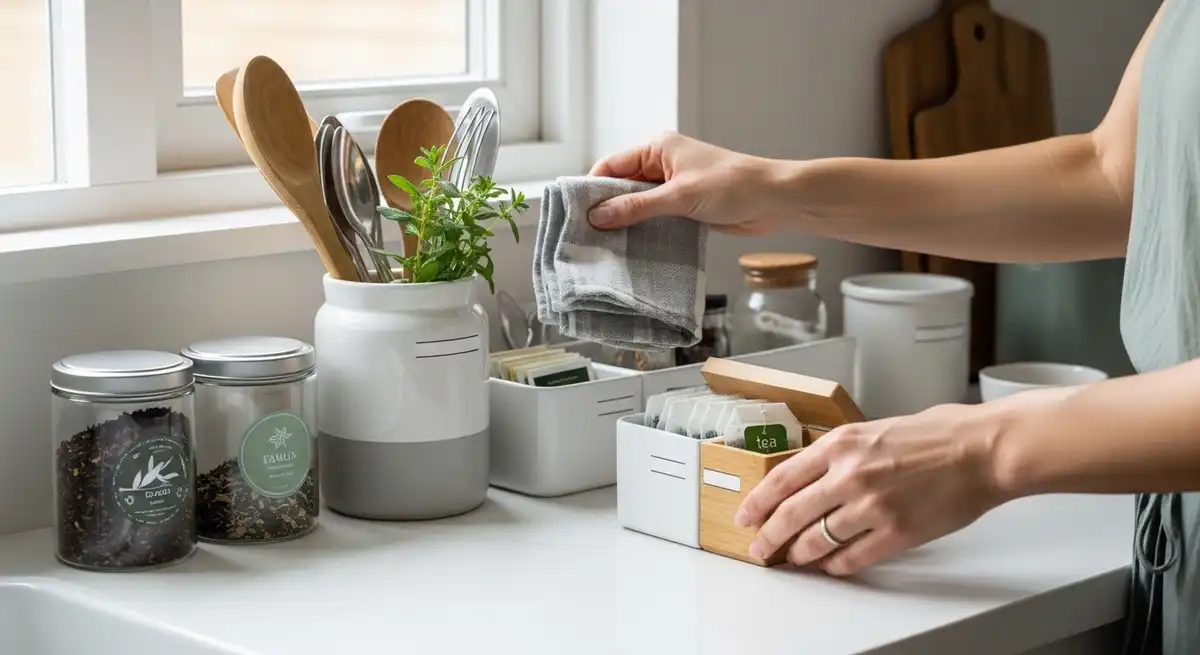
Doom boxes, meaning did not organize, only moved, are containers used to quickly gather clutter. They are a temporary support tool rather than a failure of organization. Their purpose is containment, not completion.
For people dealing with high cognitive load or executive functioning challenges, immediate sorting can feel overwhelming. Doom boxes allow surfaces to clear quickly without forcing decisions that exceed current capacity. This aligns with common adaptive strategies.
When used intentionally, doom boxes are sorted later during calmer moments. Broad categories keep the process manageable. This approach prioritizes function and emotional safety over appearance.
Categorization instead of detailed organization
Detailed organization systems often fail because they demand constant attention and precise decisions. Broad categorization reduces mental load by limiting choices. Grouping items into simple categories supports faster tidying.
Examples include categories such as children’s items, bathroom supplies, or items needed tomorrow. These groupings are intuitive and flexible. They allow items to be stored without perfect placement during busy days.
Over time, categorization supports consistency rather than abandonment. Order remains possible even when energy is low. This approach suits households with changing schedules and demands.
The Flylady approach to low effort maintenance
The Flylady system emphasizes short, timed tasks instead of long cleaning sessions. It encourages daily attention to clutter hot spots and brief cleaning intervals. The system is designed to prevent overwhelm.
Hot spots are areas where clutter naturally gathers, such as entry tables or counters. Spending two minutes daily clearing these areas prevents buildup. This aligns with research on task initiation and habit formation.
Zone cleaning limits deeper cleaning to short sessions focused on one area. This prevents exhaustion and keeps maintenance realistic. The system values progress over perfection.
Laundry systems that reduce mental load
Laundry often feels time consuming because of folding and sorting. Simplifying laundry systems can reduce effort without reducing function. One common approach eliminates folding for low visibility items.
Using bins for socks, undergarments, and casual clothes reduces handling time. Household efficiency studies suggest fewer steps increase completion rates. This method focuses on accessibility rather than appearance.
Completing smaller loads regularly also helps. Daily progress prevents backlog and reduces resistance. Together, these strategies make laundry manageable rather than overwhelming.
The role of automation and smart tools
Automation supports tidiness by handling repetitive tasks. Robot vacuums and similar tools maintain floors with minimal input. Research on domestic automation suggests it can increase routine consistency.
Tool placement matters just as much. Keeping supplies where they are used reduces friction and increases follow through. Convenience often matters more than motivation.
Limiting cleaning products also simplifies decisions. Fewer tools mean less mental effort. Technology works best when paired with thoughtful systems.
Pairing habits to build momentum
Habit pairing involves attaching a small task to an existing routine. A ten minute reset might follow morning coffee or evening wind down time. This creates a natural trigger.
Behavioral science shows that anchored habits are easier to maintain. The brain recognizes patterns and reduces resistance. This supports consistency even during busy periods.
Pairing chores with neutral or pleasant activities can also help. Listening to music or an audiobook makes tidying feel lighter. This supports emotional sustainability.
Parenting and shared responsibility in tidy homes
Tidiness becomes easier when responsibility is shared. Age appropriate tasks help children participate without pressure. Developmental guidance shows simple contributions build routine awareness.
Tasks like toy pickup or placing laundry in baskets support participation. The focus is involvement rather than precision. This reduces parental load while teaching skills.
Shared responsibility also normalizes imperfection. Tidiness becomes a collective effort. Over time, this supports healthier household dynamics.
Progress over perfection as a guiding principle
Perfectionism often interferes with consistency. When standards are too high, starting becomes difficult. Psychological research links flexible standards with better follow through.
A progress focused mindset allows homes to remain functional during demanding periods. Some days require containment rather than organization. This supports emotional balance.
Effortless tidiness grows from acceptance rather than pressure. Systems last longer when they adapt to real life rather than ideal conditions.
Frequently Asked Questions
How can I keep my house tidy when I feel constantly tired
Keeping a house tidy while feeling tired usually involves reducing decisions rather than increasing effort. Short routines, containment tools, and clear item placement help maintain order with limited energy. These strategies support consistency without relying on motivation or long cleaning sessions.
What is the ten minute tidy rule
The ten minute tidy rule involves spending a short, focused period restoring basic order. It prioritizes surfaces and flow rather than deep cleaning. This approach helps prevent clutter buildup and supports daily maintenance without overwhelm.
How do people start decluttering without feeling overwhelmed
Decluttering often starts by limiting scope and time. Many people choose one small area and use broad categories instead of detailed sorting. This reduces mental load and supports progress without exhaustion.
Is there a difference between tidying and cleaning
Tidying restores order by placing items where they belong, while cleaning removes dirt and residue. Both matter, but tidying usually takes less time and supports daily function. Separating them helps maintain consistency without burnout.
How does the Flylady system work for beginners
The Flylady system uses short, timed tasks to maintain order. Beginners often focus on clearing clutter hot spots and brief zone cleaning sessions. The system emphasizes consistency and flexibility rather than perfection.
How can laundry take less time overall
Laundry often takes less time when systems are simplified. Using bins instead of folding and completing smaller loads regularly reduces handling and backlog. These approaches make laundry more manageable in busy homes.
What are doom boxes and how are they used
Doom boxes are containers used to temporarily collect clutter. They help clear surfaces during busy or low energy periods. Items are sorted later when capacity allows.
How do families keep homes tidy with children
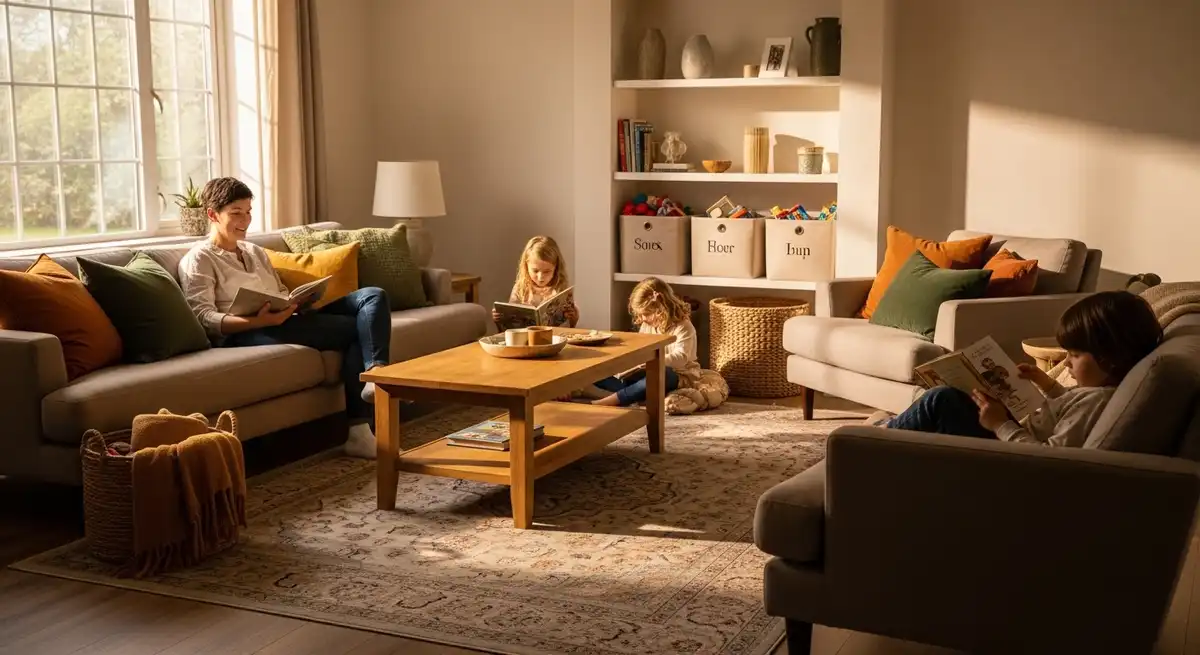
Families often rely on simple systems and shared responsibility. Large bins, limited toy quantities, and age appropriate tasks support participation without pressure. This approach prioritizes function over appearance.
Does a tidy home support emotional wellbeing
A tidy home is commonly linked with reduced visual stress and smoother daily routines. While it does not replace professional care, many people find that order supports focus and emotional steadiness over time.
What is the easiest way to organize a messy room
The easiest way to organize a messy room often begins with clearing surfaces. Broad categories reduce visual clutter quickly and create space for later organization. This supports momentum without detailed planning.
Editorial conclusion
Learning how to keep your home tidy with less effort is less about discipline and more about structure. Small habits, clear systems, and realistic expectations allow order to support daily life instead of competing with it. A flexible approach creates a home that adapts to real needs rather than ideal standards.
Medical Disclaimer
This content is for informational purposes only and does not constitute medical or mental health advice. It is not intended to diagnose, treat, cure, or prevent any condition. Always consult a qualified healthcare professional regarding personal health concerns or conditions.
For wider background on this, see the American Psychological Association on stress.