

Healthy Foods for Plant Based Beginners Eating patterns often shift when people want steadier energy, easier digestion, or a more intentional approach to meals. Many beginners feel unsure about protein, nutrients, and cost, especially when changing long-standing habits. The idea of 21 healthy foods for plant based beginners offers a clear starting point that supports balanced eating without complicated rules.
Plant based eating centers on whole grains, legumes, vegetables, fruits, nuts, and seeds as the foundation of daily meals. Research from the Academy of Nutrition and Dietetics shows that well-planned plant based diets can meet nutrient needs at every stage of life. Success usually depends on variety, consistency, and thoughtful planning rather than perfection.
This framework is about simplicity, not restriction. Keeping a focused list of staple foods reduces decision fatigue and helps families shop with confidence. In real life, that clarity makes weeknight meals easier and lowers stress around food choices.
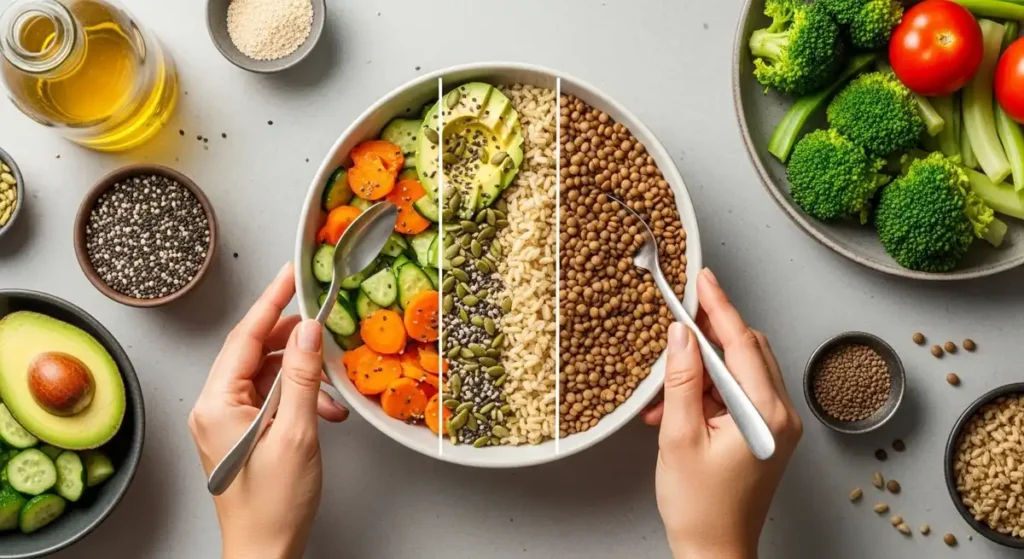
1. Brown Rice
Brown rice is a whole grain that keeps its bran layer, which contains fiber and important minerals. Fiber supports digestive regularity and helps maintain steady blood sugar levels compared to refined grains. Many households cook brown rice in batches and use it as a base for vegetable bowls, lentil stews, and simple curries.
Unlike white rice, brown rice retains more B vitamins and magnesium. These nutrients support energy production and muscle function. It stores well and reheats easily, which makes it practical for busy schedules.
2. Rolled Oats
Rolled oats are a reliable breakfast staple for plant based beginners. Oats contain beta glucan, a type of soluble fiber that research links with improved cholesterol levels and heart health. Preparing oats as porridge or overnight oats provides slow-releasing carbohydrates that help maintain energy through the morning.
Oats are affordable and adaptable. They can be blended into smoothies or baked into simple snacks. Many families rely on oats as a quick meal that still supports nutrient intake.
3. Quinoa
Quinoa is often described as a complete protein because it provides all essential amino acids. This quality reassures beginners who worry about protein intake when reducing animal products. Quinoa also contains iron, magnesium, and fiber, making it a nutrient-dense grain option.
It cooks faster than many other whole grains. Quinoa works well in salads, stuffed vegetables, and warm grain bowls. Preparing a larger batch at the start of the week saves time later.
4. Lentils
Lentils are among the most practical legumes for new plant based eaters. They provide protein, fiber, and plant-based iron in a single serving. Research in nutrition journals shows regular legume intake is linked with improved heart health markers.
Red lentils cook quickly and break down into creamy soups. Green and brown lentils hold their shape for stews and salads. Their low cost makes them accessible for families managing a food budget.
5. Chickpeas
Chickpeas offer plant protein, fiber, and zinc. Fiber supports fullness, which can help with balanced portion control. Many people use chickpeas in homemade hummus or roast them for a crunchy snack.
They also blend easily into salads and grain bowls. Their mild flavor pairs well with herbs and spices. Keeping canned or cooked chickpeas on hand simplifies meal prep.
6. Black Beans
Black beans are rich in fiber and plant compounds that support digestive health. Fiber feeds beneficial gut bacteria, which contribute to overall gut balance. Combining black beans with rice creates a meal that provides complementary amino acids.
Black beans are commonly used in tacos, soups, and mixed bowls. Cooking dried beans in bulk lowers cost and allows better control over sodium levels.
7. Tofu
Tofu is made from soybeans and provides complete protein. Many varieties are fortified with calcium, which supports bone health. Research from heart health organizations suggests soy protein can help lower LDL cholesterol when used in place of saturated fats.
Tofu absorbs marinades well. It can be baked, sautéed, or crumbled into scrambles. Pressing tofu before cooking improves texture and flavor absorption.
8. Tempeh
Tempeh is a fermented soy product with a firm texture. Fermentation may improve mineral absorption and make soy easier to digest for some people. Tempeh provides protein along with fiber, which is less common in animal-based protein sources.
It slices well for sandwiches and stir fries. Its nutty flavor works in savory dishes. Including tempeh adds variety to weekly meal plans.
9. Seitan
Seitan is produced from wheat gluten and contains a high concentration of protein. Its chewy texture makes it appealing for people transitioning from meat-based dishes. However, individuals with gluten intolerance or celiac disease should avoid it.
Seitan works well in stir fries and wraps. It provides protein with minimal fat. As with all foods, balance and individual tolerance matter.
10. Nutritional Yeast
Nutritional yeast is a deactivated yeast often fortified with vitamin B12. Vitamin B12 supports nerve function and red blood cell production, and it is not naturally present in unfortified plant foods. Many plant based eaters rely on fortified foods or supplements for adequate intake.
It adds a savory flavor to meals. Sprinkling it over pasta or popcorn is common. Checking labels confirms B12 content.
11. Kale
Kale is a leafy green known for its high nutrient density. It contains vitamins A, C, and K along with plant compounds linked to antioxidant activity. Massaging kale with lemon juice softens its texture for salads.
Light cooking can make it easier to digest. Kale fits into soups, stir fries, and grain bowls. Including leafy greens regularly supports dietary variety.
12. Spinach
Spinach provides iron and folate. Iron supports oxygen transport in the blood, while folate is important for cell growth. Plant-based iron absorbs less efficiently than iron from meat, so pairing spinach with vitamin C rich foods may support absorption.
Spinach cooks quickly. It blends easily into smoothies or folds into curries. Rotating greens prevents monotony in weekly menus.
13. Broccoli
Broccoli is part of the cruciferous vegetable family. It offers fiber and vitamin C, both linked with immune and digestive support. Steaming broccoli lightly preserves texture and nutrient content.
Roasting enhances flavor without heavy sauces. Broccoli pairs well with grains and legumes. Keeping frozen broccoli available supports convenience.
14. Sweet Potatoes
Sweet potatoes provide complex carbohydrates and beta carotene. The body converts beta carotene into vitamin A, which supports vision and immune function. Their natural sweetness makes them versatile for savory and mild dishes.
Roasting sweet potatoes in batches supports meal planning. They store well and reheat easily. Including colorful vegetables improves visual appeal and nutrient range.
15. Blueberries
Blueberries contain plant compounds often associated with antioxidant support. Studies in nutrition science suggest regular berry intake may support cardiovascular health. Their portability makes them convenient for snacks.
Adding blueberries to oatmeal increases fiber and flavor. Frozen berries retain much of their nutrient value. Variety in fruit choices supports balanced nutrition.
16. Apples
Apples offer soluble fiber, which is linked with heart health. Soluble fiber may help manage cholesterol levels when included consistently. Apples are widely available and require no preparation.
Pairing apples with nuts or seeds adds healthy fats. This combination supports balanced energy. Simple snacks reduce reliance on processed options.
17. Walnuts
Walnuts are a plant source of alpha linolenic acid, a type of omega three fat. Omega three fats are associated with heart and brain health. A small handful of walnuts adds healthy fats without excessive saturated fat.
Walnuts can be chopped into salads or oatmeal. Storing them in the refrigerator preserves freshness. Moderation remains key due to calorie density.
18. Chia Seeds
Chia seeds contain fiber and plant-based omega three fats. When soaked in liquid, they form a gel that supports fullness and digestive comfort. Many people mix chia seeds into smoothies or prepare simple puddings.
Their mild flavor allows easy addition to meals. Measuring portions prevents overconsumption. Small amounts provide meaningful nutrient value.
19. Flax Meal
Flax meal refers to ground flaxseeds. Grinding improves absorption of omega three fats and fiber. Research links flax intake with heart supportive dietary patterns.
Flax meal blends well into porridge and baked goods. It should be stored in a cool place to prevent spoilage. Regular use contributes to fiber intake goals.
20. Avocado
Avocado contains monounsaturated fats, which are associated with heart health. Healthy fats also support absorption of fat-soluble vitamins from vegetables. Including avocado can increase satiety in meals.
Sliced avocado enhances salads and whole grain toast. Portion awareness is important because avocados are calorie dense. Balance remains the guiding principle.
21. Hummus
Hummus combines chickpeas and tahini into a smooth spread. It provides fiber, protein, and healthy fats. Preparing hummus at home allows better control over oil and salt levels.
Using hummus as a dip encourages vegetable intake. It also works as a sandwich spread. Familiar flavors ease dietary transitions.
Healthy Foods for Plant Based Beginners. Understanding Nutritional Needs on a Plant-Based Diet

Protein adequacy is often a primary concern. Well established research confirms that varied intake of legumes, soy products, whole grains, nuts, and seeds can meet protein needs. Total intake across the day matters more than combining specific foods at each meal.
Vitamin B12 requires special attention. Since it is not reliably present in plant foods, fortified products or supplements are commonly recommended. Blood testing under medical supervision helps monitor levels.
Iron and zinc absorption can differ from animal sources. Strategies such as soaking beans and pairing foods with vitamin C support nutrient uptake. Routine medical checkups provide additional reassurance during dietary shifts.
Omega three intake often comes from walnuts, flax, and chia. Some individuals choose algae-based supplements for DHA, but this decision should be discussed with a healthcare provider. Personal health history influences supplement choices.
Practical Lifestyle Considerations
Budget remains a key factor for families. Buying dry grains and legumes in bulk lowers grocery costs while supporting meal planning. Frozen vegetables offer similar nutrient value and reduce waste.
Processed vegan substitutes vary in sodium and fat content. They can support transition but are best used occasionally. Whole foods form the foundation of balanced plant based eating.
Parents and working adults benefit from repeatable meal structures. Preparing grains and legumes in advance simplifies weekday lunches. Consistent systems reduce stress and improve adherence.
Emotional wellbeing connects with food habits. Shifting gradually often feels more sustainable than abrupt changes. Consistency, not perfection, supports long term success.
Frequently Asked Questions
What are the best plant-based foods for beginners
The best plant-based foods for beginners include whole grains, legumes, leafy greens, fruits, nuts, and seeds. These foods provide fiber, plant protein, and essential nutrients when combined in balanced meals. Starting with simple dishes such as rice and lentils helps build confidence.
Can someone get enough protein on a plant-based diet
Yes, most people can meet protein needs through varied intake of legumes, soy products, whole grains, nuts, and seeds. Total daily protein matters more than individual meals. Balanced calorie intake supports adequate protein consumption.
What is the difference between vegan and whole food plant based
A vegan diet removes animal products but may include processed foods. A whole food plant based approach emphasizes minimally processed grains, legumes, vegetables, fruits, nuts, and seeds. The focus remains on nutrient density and food quality.
Do plant-based diets require supplements
Vitamin B12 supplementation is commonly recommended because plant foods do not reliably provide it. Some individuals may consider vitamin D or omega three supplements depending on lifestyle and diet. Professional guidance ensures appropriate dosing.
Is plant-based eating suitable for families
Plant-based eating can support families when meals are thoughtfully balanced. Including familiar cultural dishes eases adaptation for children and adults. Consultation with a healthcare professional supports growing children during dietary transitions.
How can plant-based eating fit into a busy schedule
Batch cooking grains and legumes supports efficient weekday meals. Keeping staples such as hummus and chopped vegetables ready reduces preparation time. Structured planning minimizes last minute stress.
Are plant-based diets expensive
Plant-based diets can remain affordable when centered on beans, rice, lentils, oats, and seasonal produce. Specialty packaged products often increase cost unnecessarily. Planning grocery lists helps control spending.
How can iron intake be supported without meat
Iron intake can be supported through lentils, spinach, tofu, and fortified cereals. Pairing iron rich foods with vitamin C sources may improve absorption. Periodic medical testing ensures levels remain within healthy ranges.
What role does fiber play in plant-based eating
Fiber supports digestive regularity and gut microbiome balance. Whole grains, legumes, fruits, and vegetables provide natural fiber sources. Gradual increases help avoid discomfort.
Is it necessary to eat all 21 foods regularly
It is not necessary to consume all 21 foods daily. The list serves as a flexible framework for variety across the week. Balanced rotation supports nutrient diversity.
Conclusion
The structure of 21 healthy foods for plant based beginners provides clarity during dietary change. Focusing on whole grains, legumes, vegetables, fruits, nuts, and seeds supports balanced nutrition without rigid rules. Sustainable habits develop through planning, flexibility, and realistic expectations.
Medical/Nutrition Disclaimer
This nutritional information is for educational purposes only. Individual dietary needs vary. Speak with a registered dietitian or qualified healthcare provider before making significant changes to your diet, especially if you have existing medical conditions or nutrient deficiencies.