
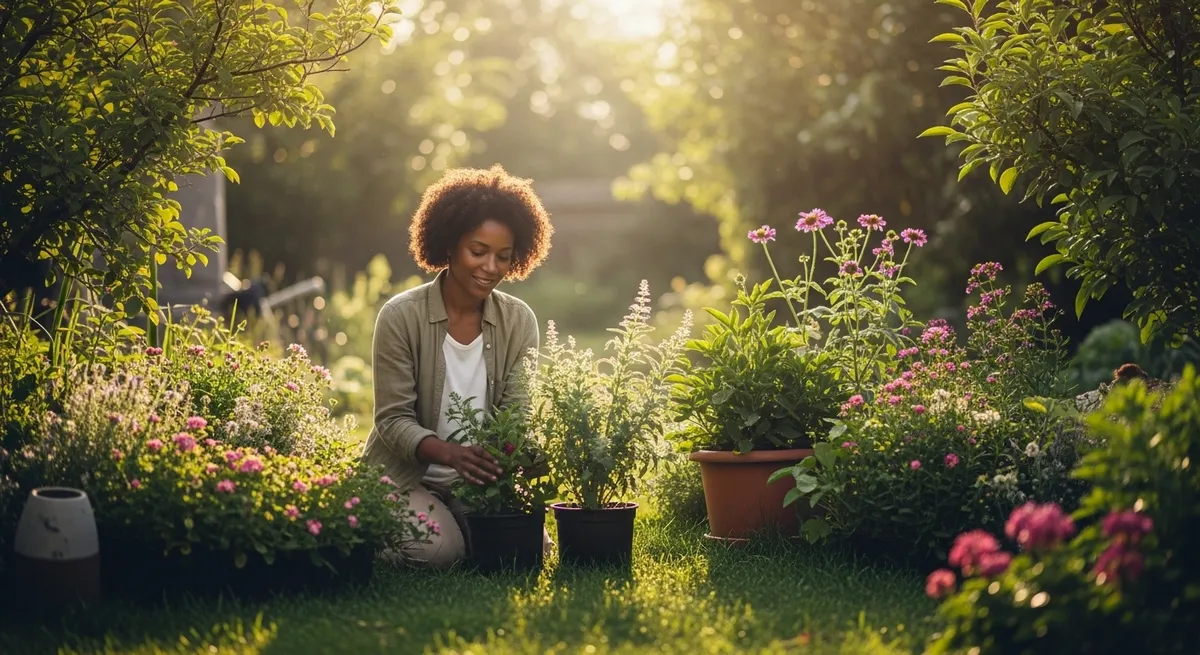
Modern routines often keep people indoors for long hours, reducing regular contact with natural surroundings and sensory experiences. This shift is commonly linked with mental fatigue, lower attention span, and emotional imbalance in everyday life. Gardening is widely seen as a simple lifestyle practice that helps restore this connection in a calm and steady way.
Urban environments have reduced daily interaction with soil, plants, and seasonal rhythms that once shaped human routines. Wellness educators often explain that this disconnect may contribute to restlessness and constant overstimulation from digital exposure. Gardening offers a grounded activity that reintroduces natural cycles and supports slower, more intentional engagement with the environment.
The idea of biophilia suggests humans naturally feel drawn to nature and living systems. This concept is often discussed in environmental psychology and linked with improved emotional balance and clearer thinking. Gardening gives a practical way to experience this connection through simple actions like planting, watering, and observing gradual growth.
Many people share that caring for plants during difficult phases brings a sense of continuity and gentle purpose. While it does not replace professional care, gardening is often used as a supportive daily activity during recovery or life transitions. Watching plants grow over time can reflect patience, consistency, and gradual progress in everyday life.
Gardening as a Self-Care Therapy! Understand the Scientific Foundations of Nature-Based Healing
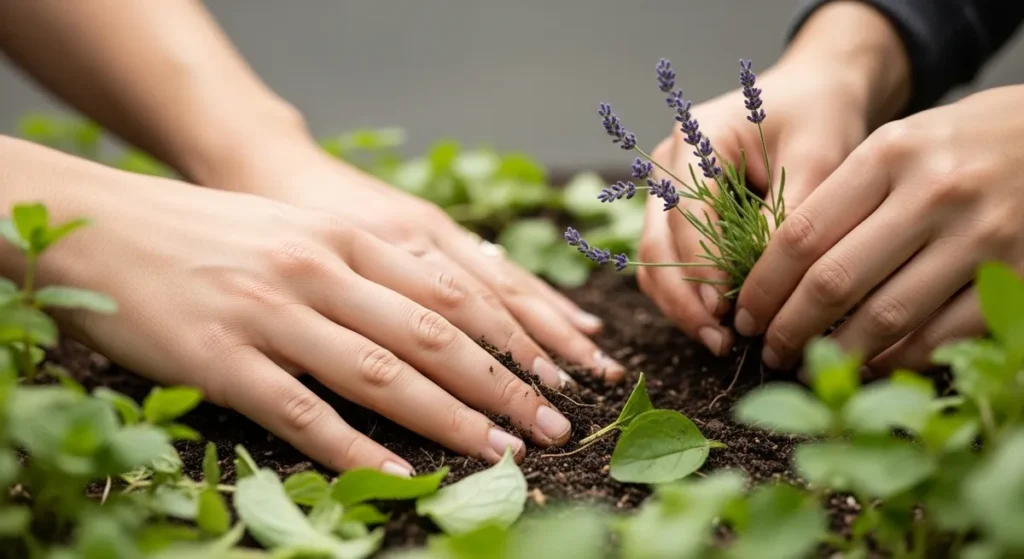
Attention Restoration Theory explains how natural settings help the mind recover from mental fatigue caused by constant focus. Daily exposure to screens and information demands sustained attention, which can feel exhausting over time. Spending time in a garden allows the brain to relax gently without losing awareness, supporting better clarity and concentration.
Soft fascination refers to the effortless attention drawn by natural elements like moving leaves or shifting light patterns. This type of focus does not strain the brain and allows mental systems to recover naturally. Gardening includes these subtle experiences, which help restore calm attention without requiring structured relaxation methods.
Stress Reduction Theory focuses on how the body responds to safe and natural environments. Research shows that such spaces are linked with lower heart rate and reduced stress hormone levels. Gardening creates a calm setting where simple activities like watering or pruning can support emotional balance in a steady, natural way.
Restorative environments are described using four features, being away, extent, fascination, and compatibility. Gardens often provide these qualities by offering a space that feels separate from daily pressures yet remains easy to access. This balance supports mental recovery without needing long breaks or travel to distant natural locations.
Horticultural Therapy and Everyday Therapeutic Gardening
Horticultural therapy is a structured practice guided by trained professionals within clinical or rehabilitation settings. It is used in hospitals, care centers, and community programs to support specific physical or emotional goals. Activities are planned carefully to match individual needs and are part of broader health or recovery plans.
Therapeutic horticulture refers to informal gardening done for general wellbeing and personal satisfaction. This approach does not require professional supervision and can be practiced at home or in shared spaces. Many people include gardening in their daily routines to create calm moments and maintain a sense of balance.
Vocational horticulture programs focus on developing practical gardening skills that may support employment opportunities. These programs are often part of rehabilitation efforts and include structured tasks that build responsibility and routine. Participants may experience improved confidence and a sense of purpose through consistent engagement.
Therapeutic horticulture programs aim to support recovery and emotional wellbeing through guided plant-based activities. These programs are commonly used in healthcare or community settings where individuals take part in planting and maintenance. The flexible structure allows people with different abilities to participate comfortably.
Social horticulture programs encourage community interaction through shared gardening spaces. Community gardens bring together people from different backgrounds and create opportunities for cooperation and communication. This shared activity is often linked with stronger social connections and a greater sense of belonging.
Core Psychological Benefits of Gardening in Daily Life
Gardening introduces natural unpredictability, which helps reduce rigid expectations often linked with perfectionism. Plants grow based on environmental conditions, encouraging flexibility rather than control. This experience supports a more balanced approach to daily challenges and reduces pressure to achieve perfect outcomes.
Preparing soil, planting seeds, and observing growth highlight the limits of personal control. Gardening focuses more on process than guaranteed results, which can shift attention away from constant outcome tracking. This mindset is commonly linked with a calmer response to uncertainty in everyday situations.
A growth mindset often develops through gardening as people learn from trial and adjustment. When a plant does not thrive, attention shifts to understanding factors like sunlight or water. This approach builds problem solving skills and encourages steady improvement rather than fixed expectations.
Gardening supports mindful awareness through attention to sensory details such as textures, colors, and scents. These experiences help anchor attention in the present moment without formal meditation practice. Regular engagement with these details can support emotional balance and reduce constant mental distraction.
Forest bathing, a concept linked with time spent in green environments, is often associated with improved emotional steadiness. Gardening brings this experience into everyday settings, even in small spaces like balconies. Spending time among plants can offer similar calming effects without needing access to large natural areas.
Plants often adapt to changing conditions, showing resilience in response to stress. Observing this process can encourage a similar perspective toward personal challenges. This quiet learning experience is often described as a gentle reminder of adaptability rather than a direct teaching method.
Caring for plants involves noticing their needs for water, light, and space. This process can reflect the importance of self awareness in daily life. Many people find that meeting the needs of plants encourages them to recognize and respond to their own routines more thoughtfully.
Sensory Grounding and Mindful Awareness in Gardening
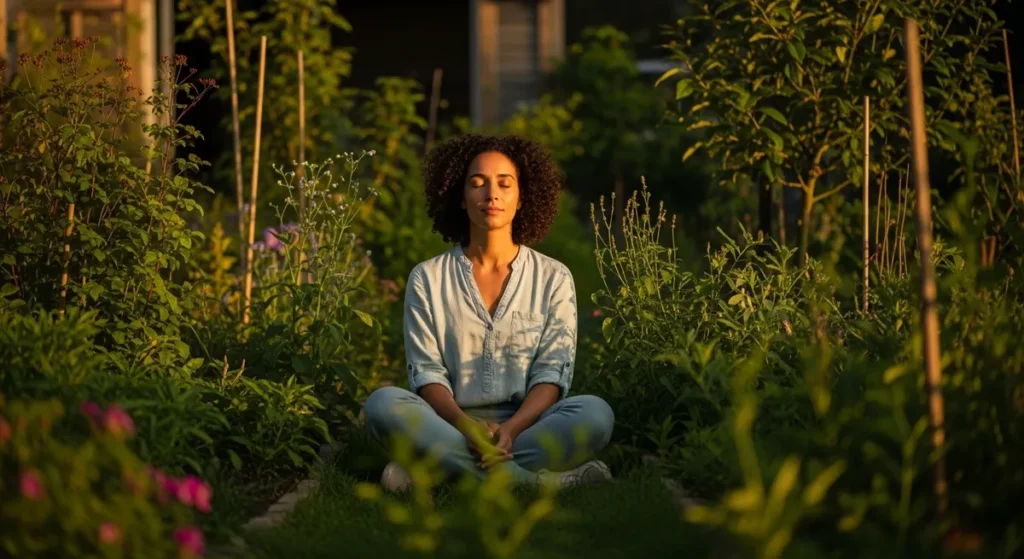
The 5-4-3-2-1 grounding technique is a simple method used to bring attention back to the present moment through sensory awareness. In a garden, this technique becomes easier because of the variety of sights, sounds, and textures. Focusing on these details helps shift attention away from internal stress.
Visual elements like leaves, flowers, and soil patterns provide clear points of focus. Touch experiences such as holding soil or feeling plant surfaces add another level of engagement. These combined sensory inputs support steady attention and are often used as grounding practices in daily life.
Natural scents from herbs and flowers contribute to a calming sensory experience without overwhelming the senses. Sounds like wind through plants or distant birds create a gentle background that supports relaxation. Together, these elements form a balanced environment that encourages calm observation.
Taste can be included by growing edible plants like herbs or vegetables. This adds a direct connection between effort and outcome, making the experience more meaningful. Engaging multiple senses in this way is commonly linked with improved focus and a reduced sense of distraction.
Physical and Routine-Based Benefits of Gardening
Gardening includes a range of physical movements that support general activity levels without structured exercise routines. Tasks such as digging, planting, and watering involve coordination and light strength. These movements are considered moderate physical activity and can be adjusted based on individual ability.
Spending time outdoors during gardening increases exposure to natural sunlight, which helps regulate circadian rhythms. These rhythms control sleep and energy patterns throughout the day. Regular morning exposure to light is often linked with better sleep quality and more stable daily energy levels.
Gardening also supports routine by requiring regular care and observation of plants. This consistency helps build habits and encourages better time management. A simple daily or weekly gardening schedule can create structure that supports other responsibilities.
The combination of physical activity and outdoor exposure creates a balanced approach to general wellbeing. Gardening allows gradual movement without high intensity effort, making it accessible to many people. This gentle activity supports consistency, which is often more important than intensity in long term routines.
Starting a Gardening Practice for Self-Care
Beginning a gardening routine does not require large spaces or advanced knowledge, making it suitable for beginners. Starting with small pots or indoor plants allows gradual learning of basic care techniques. This approach reduces overwhelm and builds confidence over time.
Choosing plants based on personal interest helps maintain motivation and consistency. Understanding simple needs like light and water supports plant health and reduces frustration. Observing plants daily helps build familiarity and encourages a steady connection with the process.
Soil quality plays an important role in plant growth, and using natural soil is often recommended for beginners. Avoiding heavy use of synthetic chemicals keeps the process simple and manageable. This approach also supports environmentally balanced gardening practices.
Consistency matters more than perfection when building a gardening routine. Small, regular efforts lead to gradual improvement and stronger engagement. Over time, this steady practice becomes part of a broader self care approach that fits naturally into daily life.
Designing a garden with accessibility in mind helps ensure it remains practical and comfortable. Features like raised beds or easy to use tools support different physical needs. These adjustments make gardening more inclusive and encourage long term participation.
Adding sensory plants such as herbs or textured leaves enhances the overall experience. These elements create a more engaging environment that encourages regular interaction. A thoughtfully designed garden can become a calming space for daily use.
Conclusion
Gardening as a form of self-care and therapy is widely recognized as a supportive lifestyle practice that encourages balance and connection with nature. It combines gentle activity, sensory awareness, and routine in a way that fits daily life. With consistency, gardening can support a steady sense of calm and grounded living.
Frequently Asked Questions
Is gardening considered a form of therapy
Gardening is often viewed as a supportive activity that promotes relaxation and routine through interaction with nature. It is commonly linked with improved mood and reduced stress in everyday settings. In structured environments, it may be included in horticultural therapy programs guided by trained professionals.
How does gardening improve mental health
Gardening is commonly associated with lower stress levels and improved emotional balance through natural exposure and repetitive tasks. The activity encourages focus on present actions, which may reduce mental overload. Many people use gardening as part of a broader lifestyle approach to maintain overall wellbeing.
What is the 5-4-3-2-1 grounding technique
The 5-4-3-2-1 grounding technique is a structured method that focuses attention on sensory details to support present moment awareness. It involves identifying sights, sounds, textures, smells, and tastes in sequence. This approach is often used in daily routines to encourage calm focus and reduce distraction.
What are the four properties of a restorative environment
The four properties include being away, extent, fascination, and compatibility with personal needs. These elements describe environments that support mental recovery from fatigue. Gardens often include these features naturally, making them suitable spaces for rest and steady attention.
How do plants reduce stress and anxiety
Plants are commonly associated with calming surroundings that support relaxation and steady focus. Visual greenery and gentle interaction can reduce overstimulation from busy environments. Regular time spent with plants is often used as a simple way to support emotional balance.
Can gardening help with ADHD symptoms
Gardening is sometimes used as a supportive activity that encourages focus through structured and repetitive tasks. The combination of movement and sensory engagement may help maintain attention. It is generally considered a complementary lifestyle practice rather than a clinical treatment.
What is the difference between gardening and horticultural therapy
Gardening is a general activity done for enjoyment or routine, while horticultural therapy is guided by trained professionals for specific goals. The structured approach is often used in healthcare or rehabilitation settings. Both involve plant care but differ in purpose and level of supervision.
Why is nature important for self-care
Nature is often linked with improved emotional balance and reduced mental fatigue through calming environments. Spending time outdoors supports sensory engagement and a break from indoor routines. This interaction is commonly included in lifestyle practices that support general wellbeing.
What plants are best for a therapeutic garden
Plants with calming scents, varied textures, and visual appeal are often chosen for therapeutic gardens. Herbs, flowering plants, and soft leaf varieties are commonly used. Selecting easy to maintain plants helps ensure consistency and reduces frustration for beginners.
How much time in nature is needed for benefits
Spending about twenty to thirty minutes in natural settings several times a week is commonly linked with general wellbeing benefits. Short daily interactions can also support focus and relaxation. Consistency is usually more important than longer occasional sessions.
Medical Disclaimer
This content is for informational purposes only and does not constitute medical advice. Consult a qualified healthcare provider before starting any new health practice, especially if you have existing medical conditions or concerns related to physical or mental health.
For wider background on this, see the American Psychological Association on stress.