
Motherhood reshapes daily life, personal identity, and physical experience in ways that often receive little patience or context. Many mothers notice body changes arriving alongside sleep disruption, emotional load, and constant responsibility, which can quietly intensify self judgment. Body positivity for moms offers an educational, grounded way to understand these changes without pressure to fix, rush, or compare.
Body image concerns after childbirth appear across cultures, income levels, and age groups, including among women who felt confident before pregnancy. Wellness educators frequently observe that dissatisfaction increases when recovery is framed as a deadline rather than a biological process. Understanding body positivity as a lifestyle support concept creates room for acceptance, dignity, and steadier emotional wellbeing.
This page explains body positivity for moms as a non clinical, informational framework. The focus remains on awareness, daily habits, and realistic lifestyle alignment. The intention is clarity and reassurance, not motivation hype or promises of change.
Body positivity moms: Understanding Body Positivity for Moms
Body positivity for moms refers to developing a respectful and accepting relationship with the postpartum body as it exists today. It is commonly associated with reducing shame, easing comparison, and supporting emotional steadiness during a major life transition. This concept is used as a lifestyle mindset, not as a demand to feel confident or grateful every day.
Wellness guidance generally presents body positivity as flexible rather than idealistic. Many mothers experience neutral or frustrated feelings toward their bodies, which still fit within a body positive framework. Acceptance focuses on safety, function, and respect rather than appearance satisfaction.
This perspective is especially relevant during the fourth trimester and early parenting years. Physical recovery, hormonal changes, and caregiving demands intersect during this time. A supportive body image approach helps reduce unnecessary emotional strain while allowing healing to progress naturally.
Challenging Bounce Back Culture
Bounce back culture promotes the idea that bodies should return quickly to pre pregnancy appearance. This message is reinforced through celebrity coverage, fitness marketing, and social media trends. Wellness educators note that this framing ignores recovery timelines, individual health factors, and the physical work of caregiving.
When bounce back expectations are internalized, comparison often replaces self observation. This pattern can increase dissatisfaction and emotional fatigue during recovery. Identifying these messages as cultural pressure helps separate personal worth from unrealistic standards.
Replacing bounce back language with recovery centered language supports healthier expectations. Recovery emphasizes rest, nourishment, gradual strength, and medical guidance when needed. This shift aligns body image with care rather than correction.
Physical Realities of the Postpartum Body
After childbirth, the body undergoes ongoing physiological adjustments that continue for many months. Hormonal regulation, uterine changes, connective tissue recovery, and muscle rebalancing happen gradually. These processes are influenced by sleep quality, nutrition, feeding methods, and stress levels.
Weight distribution changes are a common part of postpartum adaptation. Abdominal softness, breast changes, and posture shifts reflect functional responses rather than problems. Educational understanding helps normalize these experiences without dismissing personal discomfort.
Medical guidance often notes that recovery timelines vary widely. Comparing one body to another overlooks genetics, birth experience, and health history. A body positive approach supports observation without constant evaluation.
Body Positivity and Emotional Wellbeing
Body image and emotional wellbeing are closely linked during early motherhood. Research consistently shows associations between body dissatisfaction and lower mood stability in postpartum populations. This relationship highlights body image as a lifestyle consideration rather than a cosmetic concern.
Negative body appraisal can intensify feelings of inadequacy during already demanding routines. When energy is limited, harsh self talk often feels louder and harder to interrupt. A supportive mindset helps reduce this mental load.
Body positivity does not replace mental health care or professional support. It is commonly used alongside other wellbeing practices to support emotional balance. Clear boundaries between lifestyle education and medical care remain essential.
Postpartum Depression and Body Image Awareness
Postpartum depression is influenced by biological, psychological, and social factors. Body dissatisfaction is commonly associated with increased vulnerability, though it is not a cause or diagnostic indicator. Awareness of this association encourages earlier emotional support.
Many mothers hesitate to share emotional struggles because of fear of judgment. Concerns about appearance and perceived competence may add to this silence. Educational framing helps reduce stigma by acknowledging emotional complexity.
Lifestyle guidance encourages seeking professional support when emotional distress persists. Body positivity practices may reduce self blame while professional care addresses clinical needs. This balanced approach prioritizes safety and responsibility.
Body Positivity and Body Neutrality Explained
Body positivity emphasizes appreciation and respect regardless of appearance. Some mothers find this approach supportive during periods of emotional stability. Affirming language may counter internalized criticism over time.
Body neutrality focuses on what the body does rather than how it looks. This approach is often more accessible during exhaustion or emotional overload. Valuing function allows acceptance without pressure to feel positive.
Many wellness educators suggest using both approaches interchangeably. Flexibility prevents emotional strain and supports sustainability. Each mindset serves different needs without hierarchy.
Language Shifts That Support Acceptance
Language strongly shapes body perception. Repeated self critical statements reinforce negative evaluation patterns through familiarity. Neutral or respectful language reduces emotional reactivity over time.
Shifting from fixing language to honoring language supports emotional regulation. Phrases acknowledging effort, healing, or capability encourage respect without exaggeration. These statements are often practiced privately through writing or reflection.
Consistency matters more than intensity. Regular exposure to respectful language builds familiarity and softens automatic criticism. This gradual process aligns with sustainable lifestyle change.
Functional Strength in Motherhood
Daily caregiving requires physical effort that often goes unnoticed. Lifting children, carrying supplies, and frequent floor movements build functional strength. These tasks reflect endurance and coordination rather than visual fitness.
Recognizing functional strength reframes daily effort as meaningful. This perspective values capability over appearance. It aligns body image with lived experience instead of visual ideals.
Functional awareness also supports safer movement choices. Appreciating everyday strength encourages realistic expectations around exercise. This balance supports physical wellbeing.
Mindful Movement as Lifestyle Support
Mindful movement refers to physical activity approached with awareness and respect for recovery. It is commonly associated with improved comfort and mood regulation. Examples include walking, stretching, and gentle strength work.
Wellness guidance frames movement as nourishment rather than punishment. This reduces pressure and supports consistency. Medical clearance remains important before starting structured activity.
Movement choices should reflect energy levels and healing stage. Listening to physical signals helps prevent strain. This approach supports long term engagement.

Celebrating Daily Physical Milestones
Small physical milestones often reflect meaningful recovery progress. Improved balance, reduced discomfort, or easier movement signal adaptation. These changes deserve recognition even when subtle.
Tracking functional improvements encourages patience. It shifts focus from appearance timelines to lived experience. This perspective reduces frustration and comparison.
Celebrating capability supports confidence without exaggeration. It aligns achievement with safety and realism. This mindset supports emotional steadiness.
Affirmations as Emotional Support Tools
Affirmations are short statements used to reinforce supportive beliefs. They are commonly associated with stress awareness and emotional grounding. Their impact depends on realism and repetition.
Postpartum affirmations often acknowledge effort rather than perfection. Statements recognizing recovery and adaptability feel more credible during vulnerability. This realism supports emotional safety.
Affirmations are usually practiced through reading or writing. They function as lifestyle tools rather than therapeutic interventions. Consistent use may support emotional balance over time.
Mindful Self Compassion in Daily Life
Self compassion involves responding to difficulty with kindness rather than criticism. Psychological research associates self compassion with improved emotional regulation. It emphasizes shared human experience.
In daily routines, self compassion may involve adjusting expectations. Allowing rest, noticing limits, and reducing comparison support wellbeing. This approach does not require constant positivity.
Practicing self compassion supports resilience without denying challenge. It creates emotional space for recovery. This balance aligns with responsible wellness education.
Clothing Choices and Body Respect
Clothing directly affects comfort and self perception. Postpartum bodies often benefit from flexible, breathable fabrics that support movement. Comfort reduces sensory stress during caregiving.
Dressing for the current body supports emotional ease. Waiting for future changes often increases discomfort. Well fitting clothes help restore a sense of agency.
Style choices remain personal and expressive. Body positivity does not require specific aesthetics. The goal is physical ease and self respect.
Supportive Home Environments
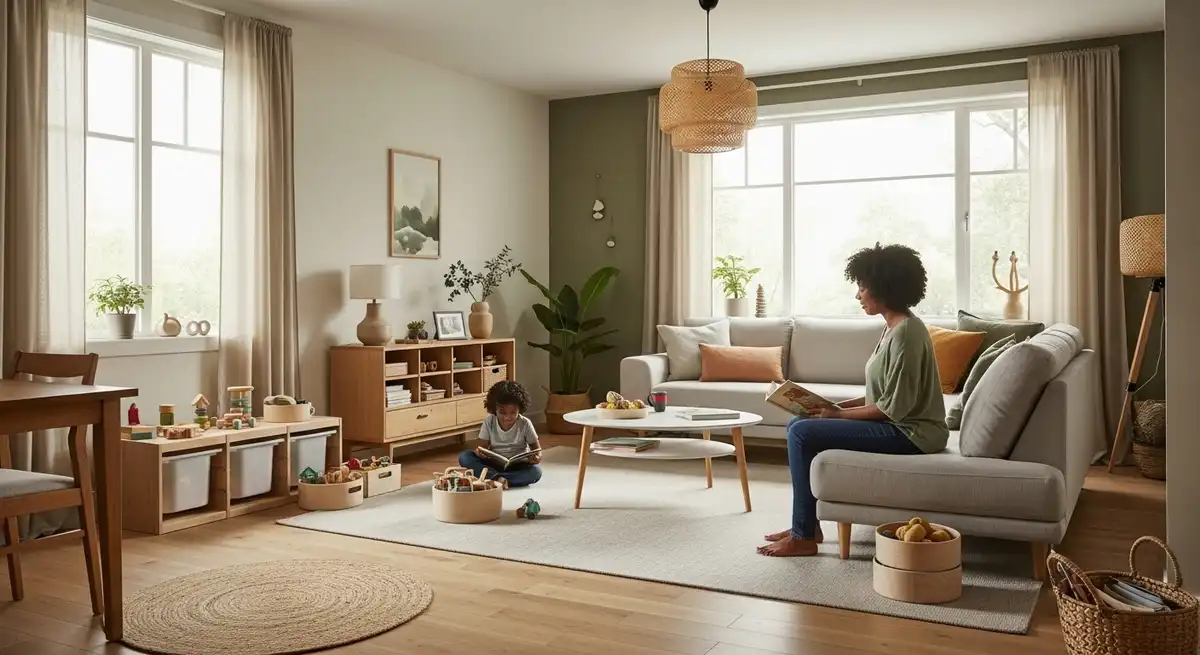
Environmental support influences body image experiences. Emotional validation from partners or family members reduces isolation. Shared caregiving supports recovery and rest.
Open communication about needs helps reduce pressure. Wellness educators often note that support systems influence emotional wellbeing. Collaborative routines benefit households.
Reducing exposure to triggering media also supports body image. Curating content protects mental space. This boundary supports emotional steadiness.
Role Modeling Body Respect for Children
Children learn body attitudes through observation. Parental language shapes early perception. Neutral, respectful statements encourage acceptance.
Avoiding negative self commentary supports healthier modeling. Emphasizing function and diversity builds inclusive understanding. These habits influence long term attitudes.
Body respect education does not require perfection. Intentional language and awareness are enough. This approach supports generational wellbeing.
Parenting and Work Life Balance
Working mothers often manage overlapping responsibilities. Limited time and energy can amplify body image concerns. Lifestyle guidance emphasizes realistic expectations.
Balancing work and caregiving requires flexibility. Body positivity supports acceptance of changing capacity. This mindset reduces self judgment.
Acknowledging effort supports emotional sustainability. Balance remains dynamic. This perspective reflects lived experience.
Body Positivity in Cultural Context
Cultural expectations influence body perception. Different societies place varying emphasis on postpartum appearance. Awareness helps contextualize pressure.
Media representation often lacks diversity. Recognizing this limitation reduces internalization. Educational framing supports critical engagement.
Cultural sensitivity remains essential. Body positivity adapts across contexts. Respect for individual experience stays central.
Long Term Relationship With the Body
Body relationships change across life stages. Postpartum changes represent one phase. Long term wellbeing benefits from adaptability.
Rigid expectations often increase frustration. Flexible acceptance supports resilience. This mindset aligns with sustainable health.
Body positivity is ongoing rather than completed. It shifts with circumstances. This realism supports emotional balance.
Frequently Asked Questions

Feeling disconnected from the body after childbirth
Disconnection from the body after childbirth is common and reflects rapid physical and emotional change. Hormonal shifts, healing processes, and identity adjustment contribute to unfamiliar sensations. Lifestyle support approaches emphasize patience, education, and gentle awareness rather than forcing reconnection.
Managing comparison with others after birth
Comparison often increases with frequent exposure to curated images. Many people find that limiting comparison reduces emotional strain. Body positivity approaches focus attention on personal experience rather than external benchmarks.
Appearance changes months after delivery
Ongoing physical changes months after delivery are widely reported. Recovery timelines vary due to multiple factors. Educational awareness helps normalize gradual adaptation.
Benefits of body neutrality for mothers
Body neutrality emphasizes function rather than appearance. This approach is often helpful during low energy periods. It supports acceptance without emotional pressure.
Responding to unsolicited body comments
Unsolicited comments reflect societal norms rather than individual worth. Setting boundaries protects emotional wellbeing. Internal reframing reduces lasting impact.
Body image and postpartum mood
Body dissatisfaction is commonly associated with lower mood stability. It is one of many contributing factors. Supportive lifestyle practices may help alongside professional care.
Affirmations for postpartum support
Affirmations reinforce supportive language patterns. They are most effective when realistic. Consistent use supports emotional steadiness.
Teaching children healthy body attitudes
Children absorb attitudes through observation. Respectful language models acceptance. This approach influences long term perception.
Resuming movement after childbirth
Movement timing varies based on individual recovery. Medical guidance is essential. Gentle activity supports wellbeing when appropriate.
Building a postpartum wardrobe
Choosing comfortable clothing supports daily function. Proper fit reduces stress. This choice aligns with body respect.
Conclusion
Body positivity for moms provides a calm, realistic framework for understanding postpartum change. It emphasizes respect, patience, and everyday function rather than appearance outcomes. Approaching body image as a lifestyle consideration supports emotional wellbeing while allowing recovery to progress naturally.
Medical Disclaimer
This content is for informational purposes only and does not constitute medical advice. It does not diagnose, treat, cure, or prevent any condition. Consult a qualified healthcare provider before making changes related to health, mental wellbeing, physical activity, or postpartum recovery.
For wider background on this, see the American Psychological Association on stress.