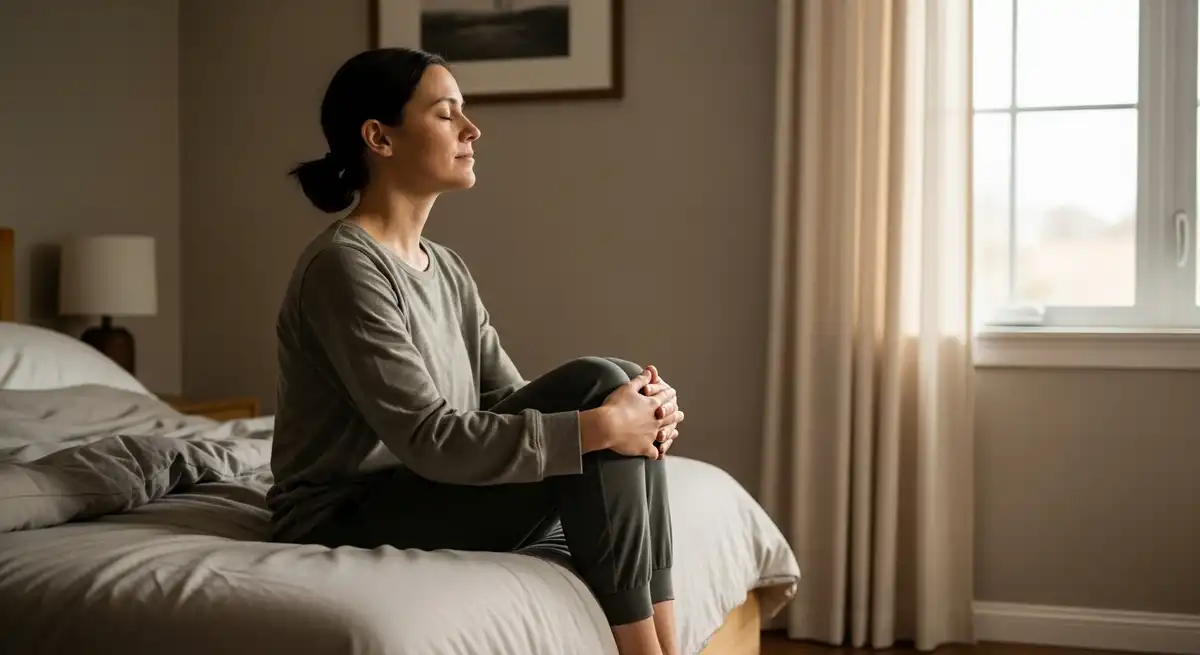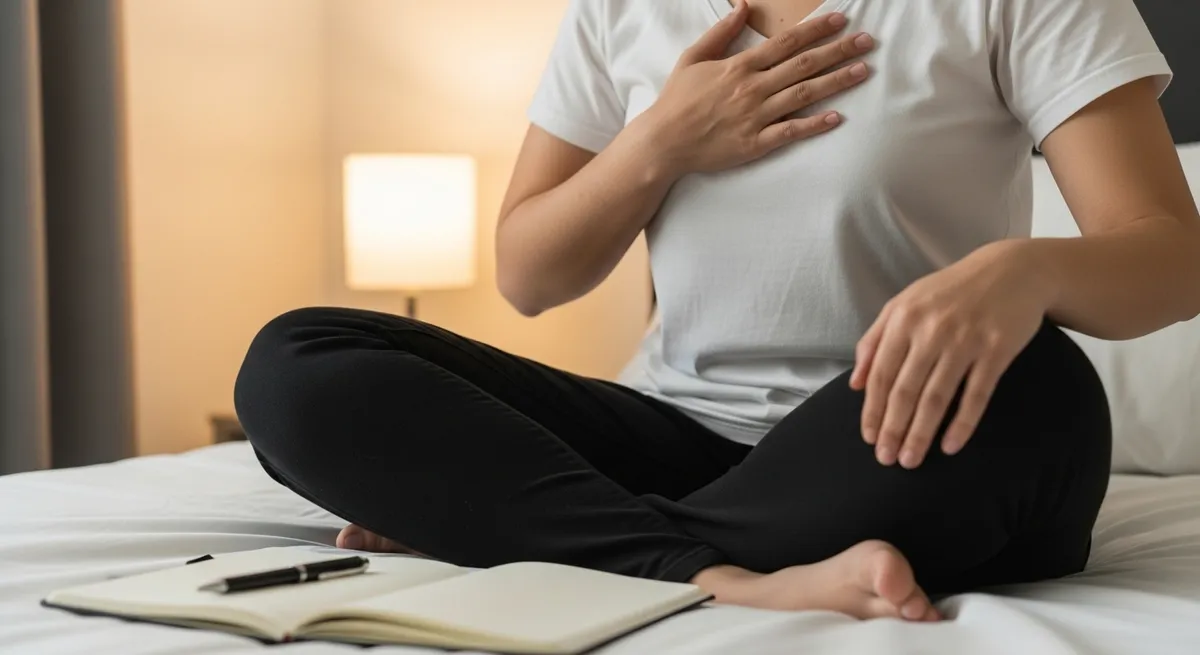
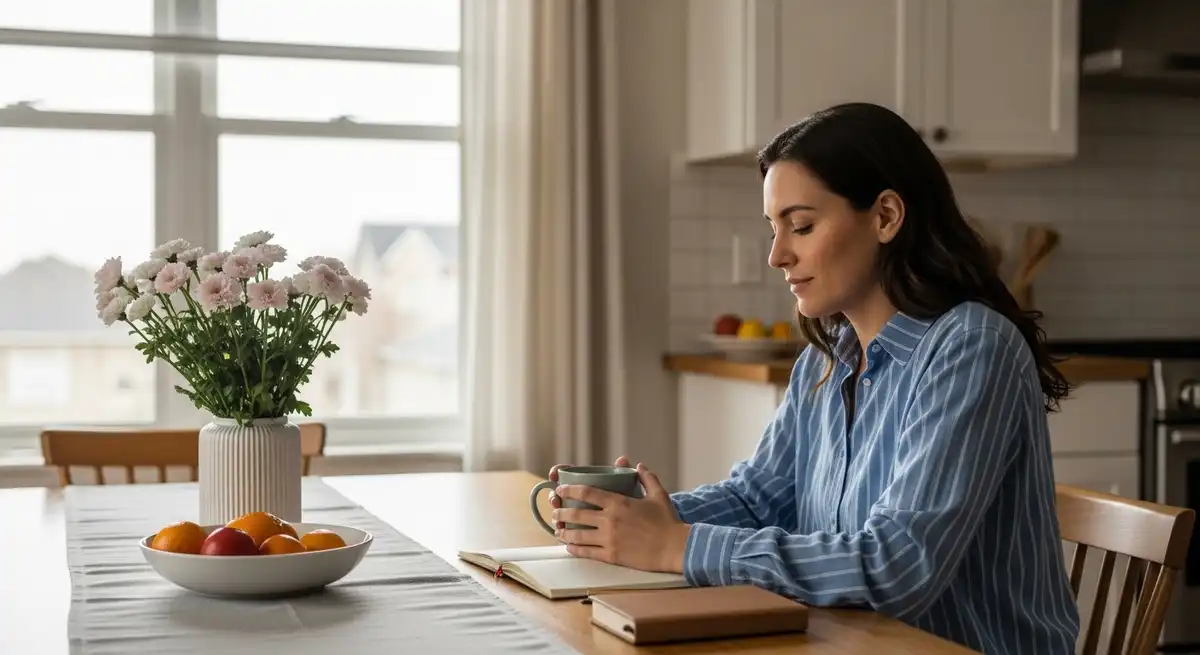
Being a single mother often means managing work, caregiving, and household responsibilities with very little margin for rest. Over time, this constant effort can quietly reduce energy, patience, and emotional steadiness. Budget-friendly self-care for single moms focuses on realistic lifestyle supports that fit limited time and finances while respecting everyday responsibilities and emotional demands.
Many popular self-care messages highlight costly products or long stretches of uninterrupted time. For single mothers, this framing can feel disconnected from daily reality and increase feelings of guilt. A grounded approach to budget-friendly self-care for single moms emphasizes small, repeatable practices that work within real schedules and real budgets, without pressure or idealized standards.
Self-care in this setting is not about escape or indulgence. It is about maintaining enough physical and emotional capacity to meet daily needs with steadiness. Wellness educators often describe this as basic maintenance that supports long-term balance rather than a reward that must be earned.
Budget friendly self care: Understanding Budget-Friendly Self-Care for Single Moms
Budget-friendly self-care for single moms refers to everyday habits that support wellbeing without requiring spending or specialized resources. These practices commonly relate to emotional regulation, physical maintenance, and mental clarity. They are designed to fit naturally into existing routines rather than adding more tasks to an already full schedule.
This approach places more value on consistency than intensity. Many people find that small actions practiced regularly offer more stability than occasional large efforts. When self-care feels manageable, it is more likely to continue even during demanding periods.
Lifestyle guidance frames budget-friendly self-care as supportive rather than corrective. It does not claim to fix personal challenges or replace professional care. Instead, it offers structure and balance that help individuals stay steady while managing ongoing responsibilities.
Emotional Load and Single Motherhood
Single mothers often carry an ongoing emotional load linked to planning, decision-making, and caregiving. This invisible effort can lead to mental fatigue even when tasks appear manageable on the surface. Wellness educators note that recognizing this load helps reduce self-blame and supports more realistic expectations.
Emotional fatigue may show up as irritability, reduced patience, or difficulty relaxing. These responses are commonly associated with prolonged responsibility rather than personal weakness. Understanding this context allows self-care to feel appropriate rather than indulgent.
Budget-friendly self-care for single moms includes practices that gradually release emotional tension. These supports do not remove responsibilities but can soften their impact. Over time, this approach helps maintain emotional steadiness in daily life.
Stress Awareness as a Lifestyle Skill
Stress awareness involves noticing early signs of overload before they build into exhaustion. In wellness education, this is presented as self-observation rather than self-judgment. Physical cues such as shallow breathing, muscle tension, or mental restlessness often signal the need for adjustment.
Single-parent households may have fewer chances to pause between demands. Stress awareness helps identify moments when brief recovery is needed. Even short pauses can reduce accumulated strain.
Budget-friendly self-care for single moms often includes simple daily check-ins. These moments help prevent stress from quietly building throughout the day. With time, this practice supports more even emotional responses.
Mindfulness as Everyday Awareness
Mindfulness in lifestyle contexts is defined as paying attention to the present moment without evaluation. It is commonly used as a supportive practice for noticing thoughts, sensations, and surroundings clearly. This approach does not require formal meditation sessions or special environments.
For single mothers, mindfulness is often practiced during routine activities. Washing dishes, walking, or preparing meals can become moments of focused awareness. This integration removes the need for additional time.
Budget-friendly self-care for single moms includes mindfulness because it is accessible and flexible. Many people find it helpful for slowing mental pace and improving clarity. Its simplicity allows it to fit into busy schedules.
Breathing Practices for Daily Regulation
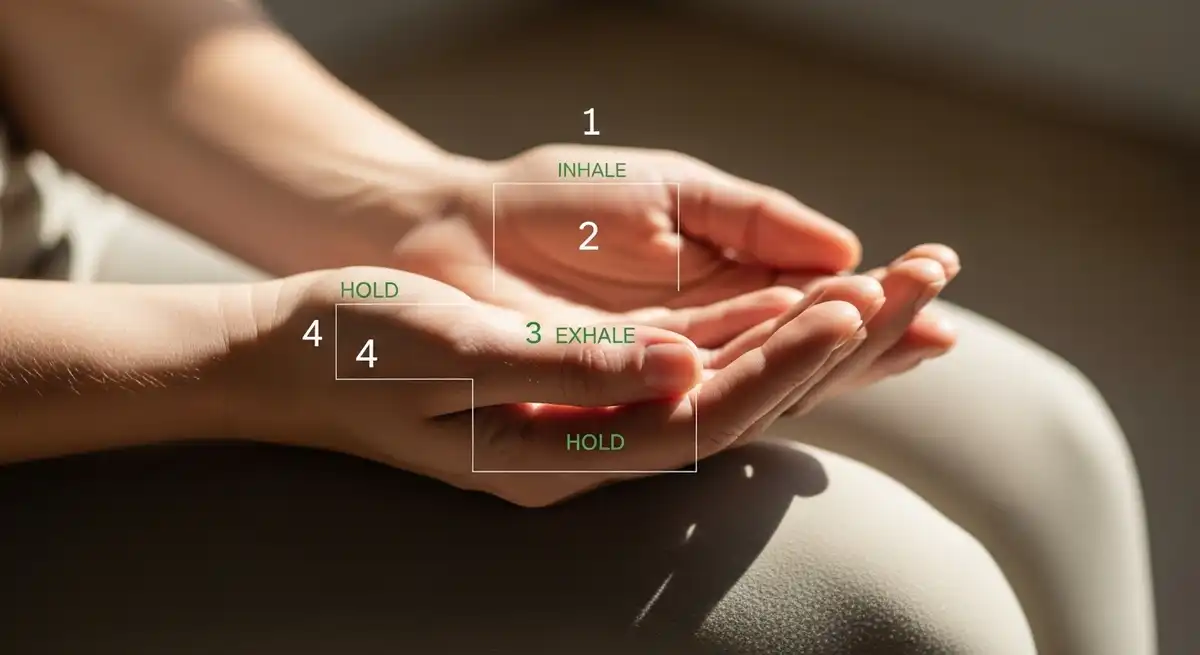
Breathing practices are frequently included in wellness guidance as tools for calming the nervous system. Slow, intentional breathing is commonly linked with a sense of physical grounding. These practices can be completed in a few minutes without privacy or equipment.
Single mothers often use breathing techniques during transitions or stressful moments. These brief pauses can steady emotional responses during everyday challenges. With regular use, they may support calmer reactions over time.
Budget-friendly self-care for single moms benefits from breathing practices because they are discreet and adaptable. They can be used at home, at work, or while caregiving. This flexibility supports consistent use.
Gratitude and Perspective Practices
Gratitude practices in lifestyle education focus on noticing neutral or positive moments without forcing optimism. Writing or mentally acknowledging small points of appreciation is commonly used to support emotional balance. This approach emphasizes awareness rather than comparison.
Single mothers may use gratitude practices to create balance during stressful periods. These practices do not deny difficulty but add perspective alongside challenges. Over time, they can support a steadier emotional outlook.
Budget-friendly self-care for single moms often includes gratitude because it requires no tools or spending. It fits easily into evenings or quiet moments. Regular practice is emphasized over depth.
Physical Movement Without Financial Cost
Physical movement is widely recognized as a foundation of lifestyle wellbeing. Gentle activity is commonly associated with improved energy and physical comfort. Movement does not need to follow structured exercise programs to be supportive.
Single mothers often integrate movement through walking, stretching, or daily household activity. These forms of movement blend naturally into responsibilities. This reduces pressure to schedule separate workouts.
Budget-friendly self-care for single moms includes movement because it adapts to different energy levels. Many people find short, regular activity easier to maintain than longer sessions. This approach supports physical health while respecting time limits.
Rest and Sleep as Maintenance
Rest is often described in wellness education as essential maintenance rather than a reward. Adequate sleep supports emotional regulation, focus, and physical recovery. Single-parent schedules can make rest inconsistent, which increases the importance of simple sleep routines.
Lifestyle guidance suggests protecting sleep cues where possible, even if total hours vary. Consistent wind-down habits help signal rest readiness. These cues do not require products or spending.
Budget-friendly self-care for single moms includes rest because it offers strong benefits with minimal cost. Small improvements in sleep consistency can support daily functioning. This makes rest a practical focus.
Time Structure and Predictability
Predictable routines are commonly linked with reduced mental strain. Knowing what comes next limits decision fatigue and emotional overload. Simple structures help manage complex days without rigidity.
Single mothers often benefit from flexible routines that allow change. These routines focus on anchor habits rather than strict schedules. This balance supports stability without added pressure.
Budget-friendly self-care for single moms uses time structure as emotional support. Visual planning or mental sequencing can reduce chaos. Over time, predictability supports calmer daily flow.
Boundary Setting Within the Household
Boundaries in lifestyle guidance refer to clear expectations rather than control. They help define work time, rest time, and caregiving time. Clear boundaries support emotional sustainability.
Single mothers may find boundary setting difficult due to constant availability. Small boundaries such as quiet periods or personal breaks can still help. These boundaries also model balance for children.
Budget-friendly self-care for single moms includes boundary awareness because it protects energy. Boundaries do not require explanation or justification. They support long-term caregiving capacity.
Financial Organization as Emotional Support
Financial organization is often overlooked as a form of self-care. Predictable money management reduces background stress. Simple tracking or planning offers clarity without focusing on restriction.
Single mothers frequently experience financial pressure alongside caregiving demands. Having a basic overview reduces uncertainty. This clarity supports emotional steadiness.
Budget-friendly self-care for single moms includes financial organization because it supports mental calm. Lists or reminders are often enough. Over time, reduced uncertainty lowers stress.
Community and Social Connection
Social connection is widely recognized as an important wellbeing factor. Supportive interaction does not require large networks or frequent gatherings. Small, consistent connections often provide meaningful support.
Single mothers may experience isolation due to limited time. Online groups, brief conversations, or community spaces can provide accessible connection. These interactions offer emotional validation.
Budget-friendly self-care for single moms includes social connection because it is essential. Shared experience reduces emotional burden. Even limited contact supports resilience.
Nature Exposure and Sensory Relief
Exposure to natural environments is commonly associated with mental refreshment. Simple sensory experiences such as sunlight or fresh air support mood stability. These experiences are accessible in many settings.
Single mothers often use brief outdoor moments to reset during busy days. Nature exposure does not require travel or extended time. Small interactions can still be supportive.
Budget-friendly self-care for single moms includes nature exposure because it is low effort. Sensory variety supports balance. This makes it a practical daily tool.
Consistency Over Intensity
Wellness educators often emphasize consistency as key to habit sustainability. Small, repeated actions are more manageable than infrequent large efforts. This principle supports long-term balance.
Single mothers benefit from approaches that respect changing energy. Consistency allows flexibility without abandonment. This supports progress without pressure.
Budget-friendly self-care for single moms prioritizes consistency to reduce overwhelm. This builds trust in routines. Over time, stability replaces exhaustion.
Realistic Expectations in Self-Care
Unrealistic expectations can undermine self-care efforts. Wellness guidance encourages goals that match current circumstances. This reduces frustration.
Single mothers often face unpredictable demands. Accepting variation supports emotional balance. Self-care remains supportive rather than burdensome.
Budget-friendly self-care for single moms works best with flexible expectations. Progress is gradual and uneven. This framing supports sustainability.
Self-Care as Family Support
Self-care in single-parent households affects more than one person. Emotional steadiness supports household harmony. Children often benefit indirectly from caregiver wellbeing.
Wellness educators note that calm environments support child regulation. This connection reinforces the value of self-care. It reframes self-care as shared benefit.
Budget-friendly self-care for single moms supports family stability. Small habits create ripple effects. This reinforces their importance.
Long-Term Sustainability
Sustainable self-care focuses on habits that endure. Short-term solutions may feel appealing but are harder to maintain. Long-term approaches emphasize simplicity.
Single mothers benefit from habits that adapt to changing schedules. Sustainability reduces the need to restart repeatedly. This supports confidence.
Budget-friendly self-care for single moms emphasizes long-term support. It grows alongside life changes. This adaptability makes it reliable.
Expanded FAQs

Budget-friendly self-care with no financial spending
Budget-friendly self-care without spending money focuses on daily habits that support emotional and physical steadiness. Common examples include breathing awareness, walking, journaling, and simple routines. These practices are generally used as lifestyle supports and fit naturally into everyday life without added cost.
Short self-care practices for busy schedules
Short self-care practices are brief actions that support regulation and energy. These include stretching, quiet breathing, or stepping outside briefly. Many people use these practices during transitions because they are easier to maintain consistently than longer sessions.
Self-care guilt among single mothers
Self-care guilt often develops from expectations around constant caregiving. Many single mothers internalize the idea that rest is secondary. Lifestyle education reframes self-care as maintenance that supports caregiving capacity rather than detracting from responsibilities.
Benefits of self-care for children
Children often experience indirect benefits from caregiver wellbeing. Calm emotional environments support stability and routine. When caregivers maintain balance, households often feel more predictable and supportive.
Professional support considerations
Professional support is commonly considered when emotional strain feels persistent. Lifestyle practices do not replace professional care. They are often used alongside other forms of support when appropriate.
Exercise and emotional balance
Movement is commonly associated with improved energy and physical comfort. Gentle activity supports daily functioning. It does not require intensity to be supportive.
Mindfulness during parenting stress
Mindfulness practices support awareness during challenging moments. They help notice reactions without escalation. This awareness often supports calmer responses.
Timing of self-care practices
Self-care timing depends on individual routines. Many people choose moments that already exist. Flexibility supports consistency.
Free support resources
Community and online resources often provide accessible support. These resources complement daily habits. They are commonly used for connection and information.
Timeframe for noticing benefits
Lifestyle supports often bring gradual changes. Some people notice immediate calm, while others observe changes over weeks. Individual experience varies.
Conclusion
Budget-friendly self-care for single moms is grounded in realistic, everyday support rather than idealized wellness standards. It focuses on maintaining emotional steadiness, physical energy, and routine stability through small, consistent habits. This approach respects real-life constraints and supports long-term wellbeing without pressure, expense, or unrealistic expectations.
Medical Disclaimer
This content is for informational purposes only and does not constitute medical or mental health advice. It does not diagnose, treat, cure, or prevent disease. Consult a qualified healthcare or mental health professional before starting any new wellness, fitness, or lifestyle practice.
For wider background on this, see the National Heart, Lung, and Blood Institute on sleep.