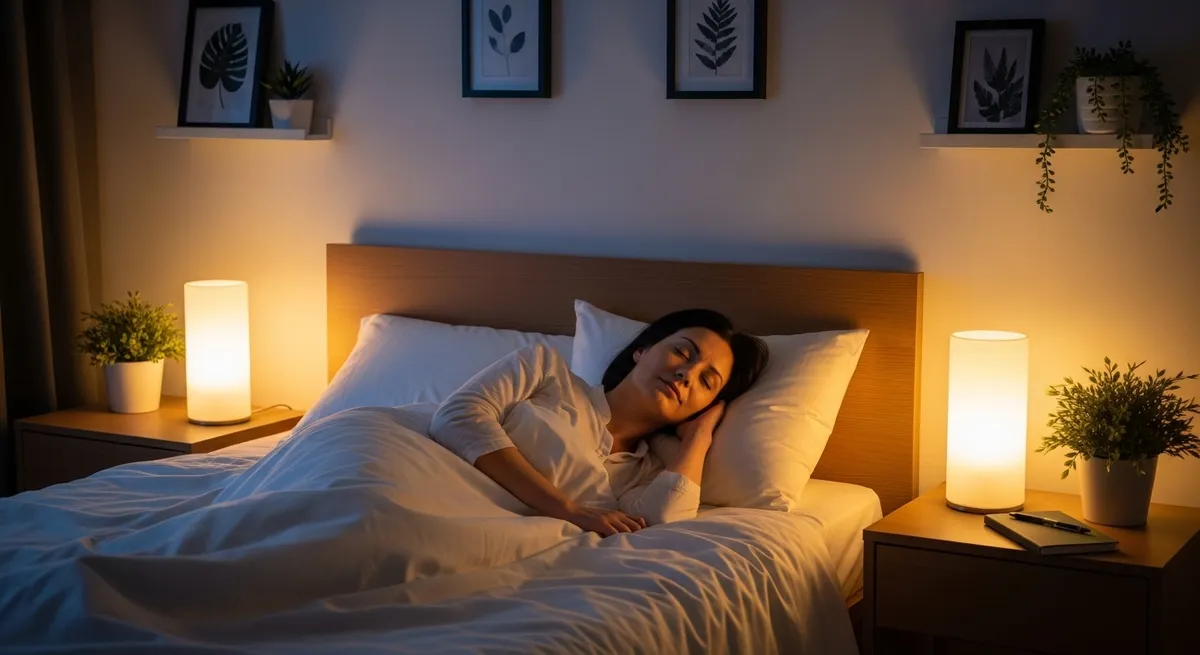
Used well, 16 Affirmations for Deep Sleep are a rehearsal for what you say to yourself under pressure. Sleep often feels difficult when the body is tired but the mind stays active with thoughts from the day. Many people notice that quiet nighttime hours can make worries feel louder and harder to ignore. Affirmations are commonly used as a gentle way to guide attention toward calm thinking and support a smoother transition into rest.
Affirmations are short, clear statements that help shift attention from stressful thinking to more balanced thoughts. Wellness educators describe them as simple tools that support a sense of safety and ease before sleep. With regular use, they are often linked with improved relaxation and a more stable bedtime routine.
Cognitive restructuring is a concept often used in behavioral wellness to explain how thought patterns can be gradually reshaped. This approach focuses on recognizing unhelpful thinking and replacing it with more supportive ideas. In daily life, this method is commonly used to reduce mental overactivity and create a calmer mindset at night.
Neuroplasticity refers to the brain’s ability to adapt based on repeated thoughts and behaviors. When affirmations are practiced regularly, they contribute to forming new mental habits that support relaxation. This change usually happens gradually and becomes more noticeable with consistency over time.
Sleep pressure often increases when people believe they must get exactly eight hours every night. Research in sleep science shows that many adults function well with six to seven hours of consistent sleep. This understanding helps reduce unnecessary stress and encourages a more flexible approach to rest.
Core sleep includes the most important stages of deep and REM sleep that support physical and mental recovery. Many individuals experience these stages within shorter sleep durations depending on their routine. Focusing on quality rather than strict timing often leads to a more relaxed and sustainable sleep pattern.
The period just before sleep is known as a drowsy state, where the mind becomes more open to suggestion. During this time, affirmations are often used to gently guide thoughts toward calmness. This practice supports the natural shift from active thinking to restful awareness.
A calm sleep environment supports the effectiveness of affirmations by reducing external distractions. A quiet room with comfortable bedding and soft lighting helps the brain associate the space with rest. Over time, this connection makes it easier to relax as soon as you enter the bedroom.
Exposure to screens before bed can delay sleep because of light and constant stimulation. Reducing digital use allows the mind to slow down and become more receptive to calming practices. Many people replace screen time with simple activities like reading or quiet reflection.
Affirmations are usually practiced while lying comfortably and focusing on slow breathing. Repeating simple phrases helps anchor attention and reduce drifting thoughts. This approach is commonly included in nighttime routines as a practical and easy-to-follow habit.
16 Affirmations for Deep Sleep: 16 Powerful Affirmations for Deep Sleep Explained
1. My bedroom is an ideal sanctuary for deep, healing sleep
This affirmation helps your mind recognize the bedroom as a place meant only for rest and comfort. When used regularly, it strengthens the mental link between your environment and relaxation. Over time, this connection supports a quicker shift into a calm state when you lie down.
2. My body is relaxing into a comfortable night’s sleep
Focusing on the body helps reduce attention on racing thoughts and mental noise. This affirmation encourages physical relaxation by bringing awareness to comfort and stillness. Many people use this approach to ease tension and support a smoother transition into sleep.
3. I release the fears and worries of today to welcome peace
Letting go of daily concerns is often helpful in reducing nighttime overthinking. This affirmation supports emotional release by acknowledging that the day has ended. It helps create a mental boundary between daytime responsibilities and nighttime rest.
4. My mind is slowing down and becoming quiet
This statement encourages a gentle reduction in mental activity without forcing silence. Repeating it creates a rhythm that helps thoughts become less intense over time. It is often used as a calming technique to support mental stillness before sleep.
5. I am feeling safe, secure, and fully protected
A sense of safety is closely linked with the body’s ability to relax. This affirmation reinforces a feeling of security that supports restful sleep. When repeated consistently, it helps reduce subtle tension that may keep the mind alert.
6. My breathing is slowing down, preparing me for deep rest
Breathing awareness is commonly used in relaxation practices because of its calming effect. This affirmation brings attention to slow and steady breathing patterns. As breathing becomes more relaxed, the body often follows with reduced tension.
7. Today is already over, its tasks are complete
This affirmation helps create closure for the day and reduces thoughts about unfinished tasks. Accepting that the day has ended allows the mind to disengage from productivity. It supports a smoother transition into rest without carrying mental pressure forward.
8. As I drift off, my body will rest and rejuvenate all night
Trusting the body’s natural processes can reduce anxiety around sleep. This affirmation supports a positive expectation of rest without focusing on control. It is commonly used to create a relaxed mindset about sleep quality.

9. I am now entering a place of deep, restorative slumber
Using present-focused language helps anchor attention in the current moment. This affirmation removes the need to wait or force sleep. It supports a natural shift into rest by reinforcing the idea that sleep is already beginning.
10. I am grateful for this comfort and the support of my bed
Gratitude is often included in bedtime routines to promote calm thinking. This affirmation shifts focus toward comfort and support rather than stress. It helps create a peaceful mental state that encourages relaxation.
11. I did my very best today, regardless of what my inner critic says
Self-criticism can become more noticeable during quiet moments at night. This affirmation encourages acceptance of your efforts without judgment. It helps reduce mental pressure and supports a calmer state before sleep.
12. Even the flowers and the earth rest at night, and so will I
This affirmation connects sleep with natural rhythms that occur daily. Recognizing that rest is part of life helps remove resistance or guilt around sleeping. It supports a more accepting and relaxed approach to rest.
13. I am worthy of rest, no matter how much I accomplished today
Separating self-worth from productivity can reduce pressure before sleep. This affirmation reminds you that rest is not something to earn. It supports a balanced mindset that allows the mind to relax without conditions.
14. I enjoy deep, restorative sleep that heals my mind and body
Positive expectations about sleep can influence how you approach bedtime. This affirmation encourages a supportive outlook on rest and recovery. It is often used to reinforce a calm and trusting relationship with sleep.
15. In this room, my thoughts naturally detach and float away
This affirmation introduces a gentle way to observe thoughts without holding onto them. Allowing thoughts to pass helps reduce mental effort and resistance. It supports a more relaxed and detached state that is helpful for sleep.
16. I fully and freely forgive everyone, including myself
Holding onto unresolved emotions can keep the mind active at night. This affirmation supports emotional release through forgiveness. Letting go of tension creates a calmer internal state that supports restful sleep.
Understanding Mindfulness and Lifestyle Support for Sleep
Mindfulness involves paying attention to the present moment without judgment. In everyday routines, it helps reduce distractions and supports emotional balance. When used before sleep, mindfulness practices create a calm mental space that encourages relaxation.
Daily habits play a key role in shaping sleep patterns over time. Consistent routines, reduced stimulation, and calming activities support a stable rhythm. These lifestyle practices are commonly recommended to improve overall wellbeing.
Stress awareness means noticing how daily experiences affect your thoughts and body. Recognizing patterns helps you make small changes that support relaxation. This awareness is often used as a foundation for improving sleep habits.
Parenting and Working Life Considerations
Parents and working professionals often manage multiple responsibilities that affect their sleep schedules. Irregular routines and mental workload can make it harder to relax at night. Simple practices like affirmations provide an easy way to support calmness without adding extra effort.
Working mothers may experience ongoing mental engagement due to balancing home and work responsibilities. Transitioning into rest requires intentional habits that signal the end of the day. Affirmations are commonly used as a gentle way to create this shift.
Physical tiredness does not always lead to immediate sleep if the mind remains active. Many people notice that thoughts continue even when the body is ready to rest. Structured practices help guide attention toward relaxation and support better sleep routines.
Frequently Asked Questions

Do affirmations really help you fall asleep
Affirmations are commonly used as a supportive way to calm the mind before sleep. They help shift attention away from repetitive thoughts and toward steady thinking patterns. Many people include them in nighttime routines to support relaxation and consistency.
What are the best affirmations for deep sleep
The most helpful affirmations are simple, present-focused, and easy to repeat. Statements that emphasize calmness, safety, and release are widely used in daily practice. Choosing phrases that feel natural often improves comfort and consistency.
How can I stop my mind from racing at night
Reducing mental activity usually involves redirecting attention instead of forcing silence. Techniques like affirmations and slow breathing are commonly used for this purpose. With regular use, these methods support a calmer mental state over time.
How long does it take for sleep affirmations to work
The effects of affirmations vary depending on consistency and individual habits. Some people notice relaxation quickly, while others experience gradual changes over weeks. Regular practice is generally more important than immediate results.
Can I listen to sleep affirmations while I sleep
Listening to affirmations can support relaxation during early sleep stages. However, repeating them consciously before sleep is often considered more effective. Audio affirmations may complement a routine but do not replace active practice.
How do I reprogram my subconscious mind for better sleep
Repetition of calming thoughts during relaxed states is commonly used to influence subconscious patterns. Affirmations support this process when practiced consistently over time. Combining them with stable routines improves overall effectiveness.
What is the 3 P rule for affirmations
The 3 P rule stands for Personal, Present, and Positive. This structure helps affirmations feel relevant and easy to apply. It supports clearer communication with the mind and improves consistency in daily practice.
Why do I feel anxious when I try to fall asleep
Sleep-related anxiety often comes from overthinking and pressure around rest. This can increase alertness instead of relaxation. Supportive practices like affirmations help guide attention toward calm thinking patterns.
Is 6 hours of sleep enough for an adult
Sleep needs vary depending on individual lifestyle and health factors. Some adults function well with six to seven hours of consistent sleep. Quality and regularity are often more important than exact duration.
How do you practice cognitive restructuring for insomnia
Cognitive restructuring involves identifying unhelpful thoughts and replacing them with balanced alternatives. Affirmations are commonly used as a simple way to support this process. Regular practice helps reinforce more stable thinking patterns.
Conclusion
Affirmations for deep sleep are widely used as a simple way to guide the mind toward calmness at night. When combined with supportive routines and a comfortable environment, they help create a more relaxed bedtime experience. With consistency, this approach supports a balanced and steady relationship with sleep.
Medical Disclaimer
This content is for informational purposes only and does not constitute medical advice. Consult a qualified healthcare provider before starting any new health practice, especially if you have sleep disorders, anxiety concerns, or other underlying medical conditions.
Image Generation Prompts
For wider background on this, see the Greater Good Science Center at UC Berkeley.