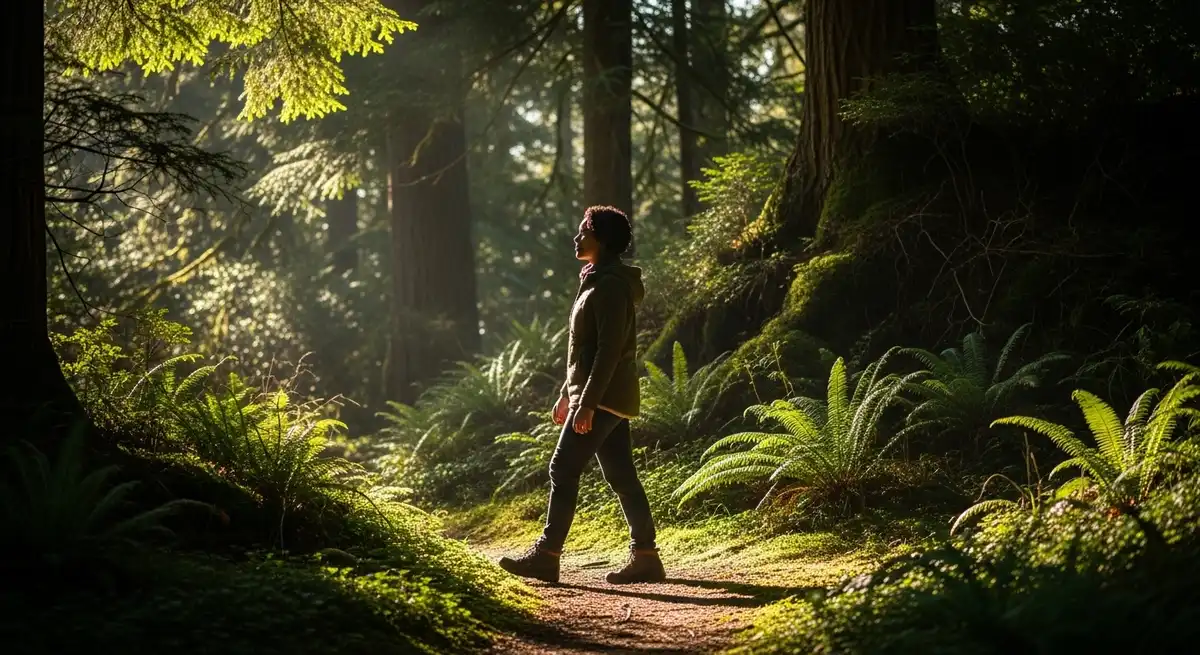
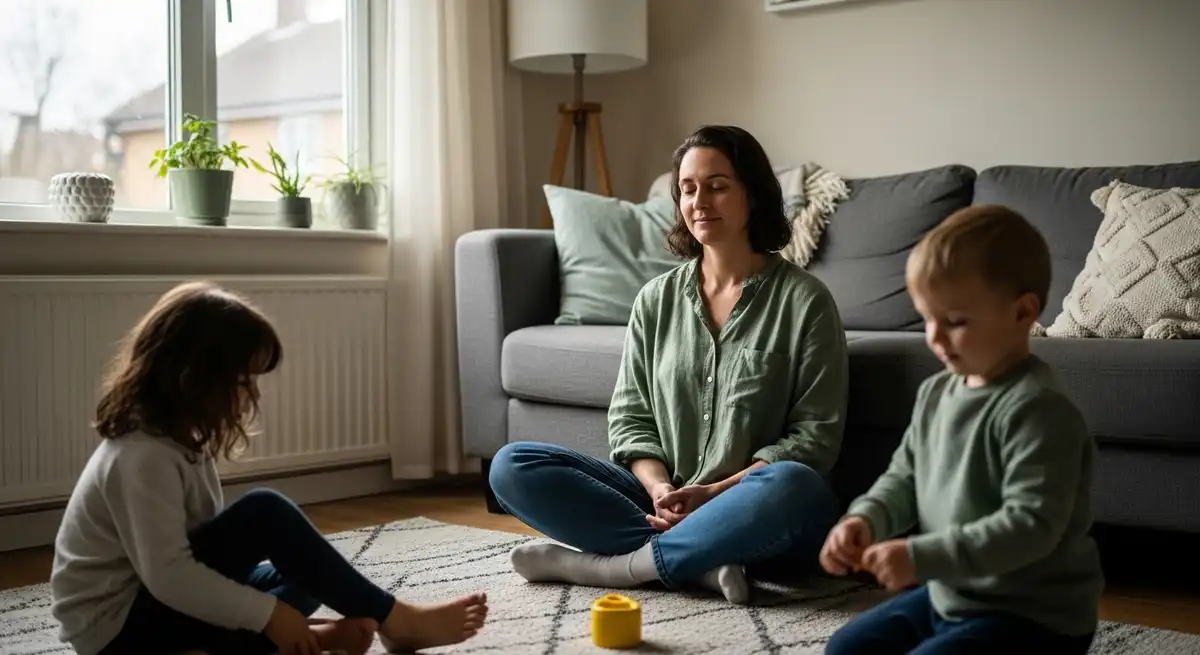
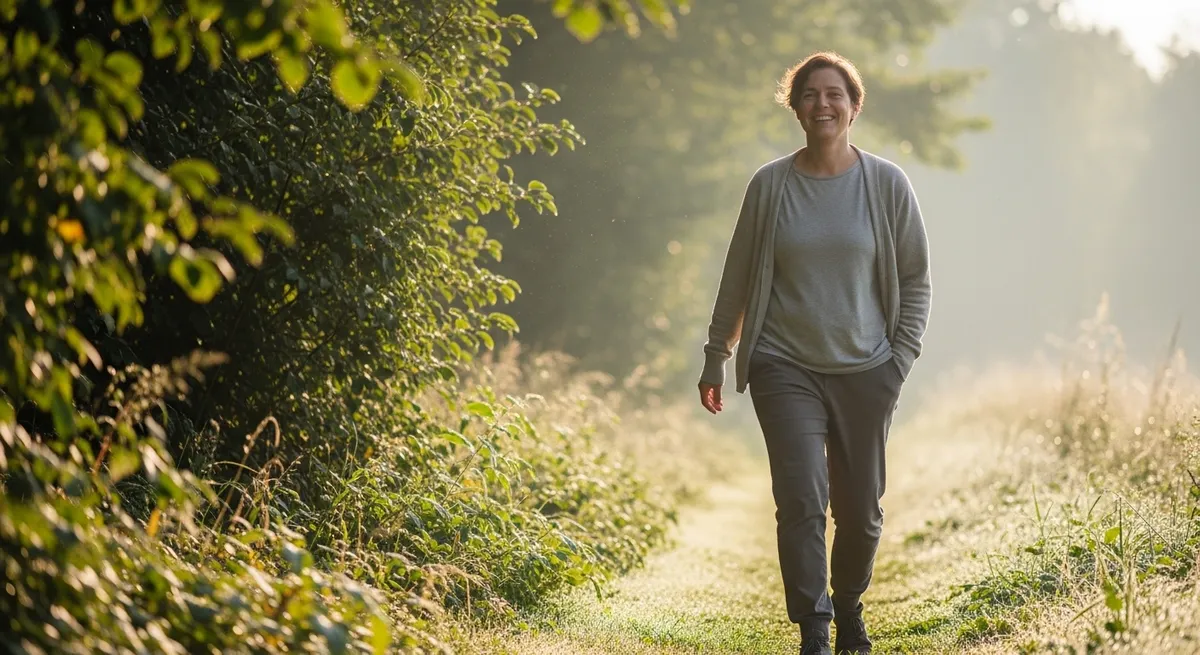
Urban routines often revolve around screens, traffic, and constant decision-making, which can quietly drain mental energy over time. Many people notice restlessness, reduced focus, or emotional fatigue without linking these feelings to daily environments. Growing wellness research now highlights brief, regular contact with natural settings as a realistic lifestyle support for mental balance.
Understanding the Core Idea of Brief Nature Exposure
Spending short, intentional time outdoors is widely described as brief nature exposure within wellness education. This idea focuses on being present in green or natural surroundings rather than exercising hard or achieving fitness targets. Many people use it as a calm pause that supports mental clarity during otherwise demanding days.
Nature exposure in this sense does not require wilderness travel or special planning. Local parks, gardens, tree-lined streets, or quiet outdoor corners are commonly considered enough. What matters most is a slower pace and reduced sensory overload, allowing attention to settle naturally instead of reacting constantly.
This concept fits modern lifestyles because it values consistency over intensity. Short sessions are easier to repeat for working adults, parents, and caregivers with limited free time. Over weeks, repeated exposure is often associated with steadier mood and improved mental ease in daily life.
How 20 Minutes in Nature Improves Mental Health Through Stress Awareness
How 20 minutes in nature improves mental health is usually explained through stress awareness rather than medical change. Stress responses are normal, but constant activation can feel exhausting when recovery time is limited. Brief outdoor exposure is often used as a supportive way to help the body return toward a calmer baseline.
Research in environmental psychology shows measurable shifts in stress-related markers after short periods outdoors. These findings are framed as regulation, not removal, of stress. The experience helps people notice tension and gradually settle without forcing emotional change.
This approach aligns with responsible wellness guidance because it avoids promises. It explains how surroundings influence mental states in practical terms. Many people notice subtle changes, such as easier breathing or reduced mental pressure, after regular practice.
Cortisol and Everyday Stress Responses
Cortisol is a hormone involved in alertness and energy use, not something the body should eliminate. Challenges appear when cortisol stays elevated due to constant demands without enough recovery. Short nature exposure is commonly associated with supporting the body’s natural stress rhythm.
Field studies measuring salivary cortisol show lower levels after calm outdoor exposure. Researchers interpret this as the body recognizing a lower-demand setting. These changes are temporary but meaningful when repeated as part of everyday routines.
In daily life, this means nature time supports recovery rather than replacing sleep or rest. People often use it between work tasks or family responsibilities. This framing keeps expectations realistic and focused on balance, not performance.
Efficiency of the Twenty Minute Window
The emphasis on twenty minutes comes from research on time efficiency. Studies suggest noticeable physiological shifts can occur within this period, making it practical for busy schedules. Longer exposure remains helpful, but the initial window offers an accessible entry point.
This timeframe fits lunch breaks, school drop-offs, or early mornings. It avoids the pressure of long commitments that often stop habits from forming. Wellness educators highlight this efficiency to lower barriers, not to promote minimal effort.
Using this window encourages regular practice instead of occasional intensity. Many people find consistency easier when the time feels manageable. Over time, these short sessions contribute to steady lifestyle support.
Emotional Overload and Modern Cognitive Fatigue
Cognitive fatigue is common in environments filled with notifications, noise, and constant switching of attention. Sustained mental effort can reduce patience and clarity. Many people feel mentally crowded rather than physically tired.
Natural settings offer contrast by providing stimuli that need little interpretation. Patterns like leaves moving or light shifting engage attention gently. This allows mental systems to rest without disengaging completely.
As a result, people often return to tasks feeling clearer. Thoughts continue, but with less pressure. This effect supports daily functioning without suggesting emotional change or treatment.
Rumination and Repetitive Thought Patterns
Rumination refers to repetitive, self-focused thinking that circles without resolution. Wellness educators describe it as a common mental habit, not a diagnosis. Many people experience it during stress or uncertainty.
Environmental context influences how strongly these loops persist. Urban noise and clutter can reinforce inner tension. Natural settings provide external focus points that gently interrupt repetitive thinking.
This interruption does not remove concerns or emotions. It creates mental space between thoughts. That space is often experienced as supportive for perspective and emotional steadiness.
Brain Activity and Nature Exposure
Neuroscience research suggests some brain regions become less active during calm nature exposure. These areas are linked with self-monitoring and emotional evaluation. Reduced activity is understood as temporary relief from constant internal checking.
Such changes are subtle and not permanent. They reflect the brain responding to a less demanding environment. This interpretation avoids overstating effects and keeps explanations grounded.
In everyday terms, people often feel less mentally crowded. Thoughts still arise but feel easier to manage. This supports daily balance without implying therapeutic change.
Attention Restoration in Daily Life
Attention Restoration Theory explains how focus recovers in low-demand settings. Directed attention used for work and caregiving requires effort and becomes fatigued. Natural environments allow attention to rest while staying engaged.
A key idea is soft fascination, which describes stimuli that hold interest without effort. Examples include clouds, birds, or flowing water. These experiences give attention a break from control.
This process supports clearer thinking later in the day. Many people schedule outdoor time before mentally demanding tasks. This use supports daily effectiveness without pressure.
Cognitive Performance and Everyday Functioning
Short nature exposure is often associated with improved working memory and creative thinking. Experimental studies comparing indoor and outdoor settings show modest but consistent differences. These effects support everyday functioning rather than enhancement.
In practical terms, people report fewer mental blocks and easier planning. This can help with communication, decision-making, and caregiving tasks. It does not imply lasting cognitive change.
Using nature exposure strategically supports demanding roles. Parents, professionals, and students often use it before tasks requiring patience. This application keeps the practice practical and grounded.
Evolutionary Context and Environmental Comfort
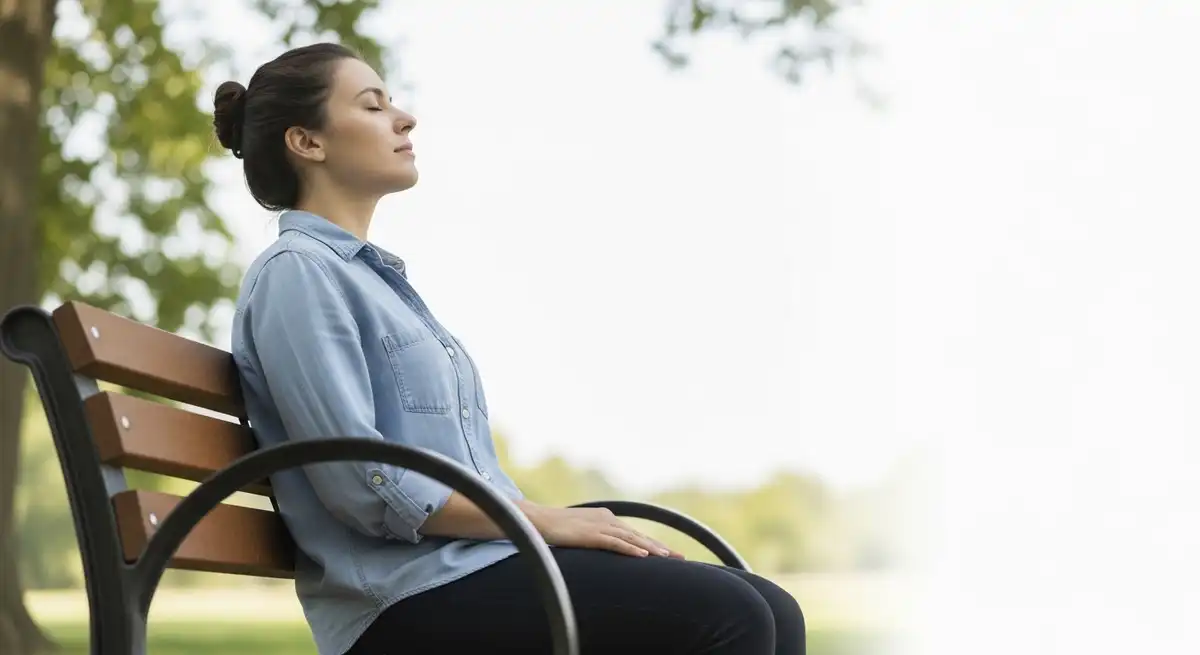
Stress Recovery Theory suggests humans respond positively to environments associated with safety. Open spaces, vegetation, and water historically signaled resources and lower risk. Modern nervous systems still react to these cues.
This response happens without conscious thought. It explains why green views feel calming even without awareness of theory. The effect is shared across cultures.
Understanding this context normalizes the experience. Feeling calmer outdoors reflects human biology, not personal preference. This framing supports inclusive wellness education.
The Role of Green Visuals
Green dominates natural environments and has distinct psychological effects. Research links green exposure with relaxed alertness and reduced visual strain. Designers often use green for this reason.
Outdoor green exposure combines color with depth, light, and movement. This complexity increases its supportive effect. Indoor plants offer partial benefit but not the full experience.
For those with limited access, even brief visual contact helps. Parks, gardens, and green corridors play an important public health role. This highlights the value of accessible green space.
Natural Sounds and Sensory Balance
Sound strongly shapes stress perception. Urban noise often signals urgency to the nervous system. Natural sounds tend to signal stability.
Studies show natural soundscapes are linked with lower perceived stress. Birdsong and water sounds support slower breathing. This contributes to calm without conscious effort.
Many people notice this quickly. Sitting quietly outdoors lets sound become the main input. This sensory shift supports emotional balance.
Plant Scents and Environmental Chemistry
Plants release organic compounds as part of normal growth. These compounds are present in forests and gardens. Research suggests they may support stress and immune responses indirectly.
This evidence is considered emerging, not conclusive. Exposure occurs naturally without effort. It reinforces the value of outdoor spaces as multi-sensory environments.
People do not need special locations. Any vegetated area offers exposure. This keeps guidance realistic.
The 20-5-3 Framework for Sustainable Practice
The 20-5-3 framework organizes nature exposure across different time scales. It suggests short weekly exposure, moderate monthly immersion, and occasional extended time outdoors. The aim is balance, not strict rules.
Twenty-minute sessions support regular stress awareness. Five hours monthly allow deeper mental rest. Three days yearly offer broader perspective away from routine demands.
The framework is flexible. People adapt it to climate, access, and responsibilities. Its value lies in encouraging variety without pressure.
Urban Access and Realistic Settings
Many people live in dense cities with limited green space. Research shows even small parks offer benefits compared with built environments. This supports equitable access to wellbeing.
Managed green spaces still provide visual relief and quieter soundscapes. They are commonly used for short walks or sitting breaks. This aligns with public health guidance.
Backyards, balconies, and community gardens also help. The key factor is reduced artificial stimulation. This perspective avoids idealizing wilderness.
Morning Light and Daily Rhythms
Morning outdoor exposure offers added support through light regulation. Natural light influences circadian rhythms that guide sleep and alertness. This supports daily energy stability.
Early exposure is associated with better sleep timing over time. This effect is indirect and gradual. It does not replace sleep hygiene or medical care.
Combining nature time with morning routines increases practicality. Walking children to school or stepping outside before work integrates easily. This supports habit formation.
Gardening and Active Nature Engagement
Gardening is an active form of nature engagement. It combines movement, attention, and sensory input. Many people find it grounding at home.
This activity is used in community and elder programs. It supports routine, purpose, and social connection. These factors contribute to emotional wellbeing.
For families, gardening offers shared activity across ages. Children engage with visible outcomes. This supports learning and environmental awareness.
Parenting and Working Life Relevance
Parents and caregivers often experience fragmented attention and limited personal time. Nature exposure offers a shared or individual pause without leaving responsibilities. This makes it practical.
Outdoor time with children often supports calmer interactions. Reduced sensory overload can lower tension. This effect is contextual rather than disciplinary.
Working adults use nature breaks to transition between roles. Leaving work stress outdoors supports emotional boundaries. This practice supports balance.
Emotional Responsibility and Expectation Management
Wellness education emphasizes realistic expectations. Nature exposure supports awareness, not emotional control. It creates space rather than solutions.
Responses vary based on mood, weather, and access. This variability is normal. Consistency matters more than immediate feeling.
Framing nature as support avoids disappointment. It respects individual differences. This aligns with responsible wellness standards.

Safety and Accessibility Considerations
Nature exposure should feel safe and comfortable. People choose environments suited to mobility and climate. There is no requirement for solitude or intensity.
Weather and pollution affect choices. Adjustments such as shade or shorter duration help maintain safety. These considerations support inclusion.
This practice complements professional support. People with persistent distress should seek qualified care. Nature time remains a lifestyle support.
Frequently Asked Questions
Does spending twenty minutes in nature reduce everyday stress?
Spending twenty minutes in nature is commonly associated with lower perceived stress. Research shows stress-related markers often shift toward calmer states during this time. The effect is temporary but meaningful when repeated regularly as part of daily routines.
How often is brief nature exposure typically recommended?
Lifestyle guidance often suggests short nature exposure several times each week. Consistency supports cumulative benefit without overwhelming schedules. Many people adjust frequency based on access, weather, and personal energy levels.
What does the 20-5-3 nature framework describe?
The 20-5-3 framework organizes nature exposure across weekly, monthly, and yearly intervals. It encourages brief regular contact, occasional longer immersion, and rare extended time outdoors. This structure supports balance rather than rigid adherence.
Can urban parks provide similar benefits to forests?
Urban parks generally provide meaningful benefits compared with built environments. Forests offer richer sensory input, but managed green spaces still support stress awareness. Accessibility often makes parks more sustainable for regular use.
Why do natural environments feel mentally calming?
Natural environments reduce sensory overload and signal safety to the nervous system. Visual patterns and sounds require less interpretation. This supports mental rest without disengaging from awareness.
Is outdoor time helpful for working parents?
Outdoor time is commonly used by working parents as a shared or individual pause. Calm environments support emotional regulation during transitions. This makes nature exposure practical within family routines.
Does nature exposure improve focus during workdays?
Brief nature exposure is often associated with clearer attention. These effects support task engagement rather than performance enhancement. Many people use nature breaks before demanding work periods.
Is gardening considered a form of nature exposure?
Gardening is considered an active form of nature engagement. It combines movement, sensory input, and routine. This makes it accessible within home and community spaces.
Can children benefit from short outdoor breaks?
Children commonly respond positively to calm outdoor environments. Reduced sensory overload supports emotional regulation. Short outdoor breaks fit well into school and family schedules.
Is nature exposure a replacement for professional care?
Nature exposure is not a replacement for professional mental health care. It is generally used as a supportive lifestyle practice. Individuals with ongoing concerns are encouraged to seek qualified support alongside wellness habits.
Conclusion
Regular contact with natural environments supports mental balance through stress awareness, attention restoration, and emotional steadiness. How 20 minutes in nature improves mental health is best understood as supportive lifestyle guidance rather than a solution. When integrated gently into daily routines, nature exposure offers accessible support across work, parenting, and everyday life.
Medical Disclaimer
This content is for informational purposes only and does not constitute medical or mental health advice. It does not diagnose, treat, cure, or prevent any condition. Always consult a qualified healthcare or mental health professional for personal guidance or concerns.
For wider background on this, see the American Psychological Association on stress.