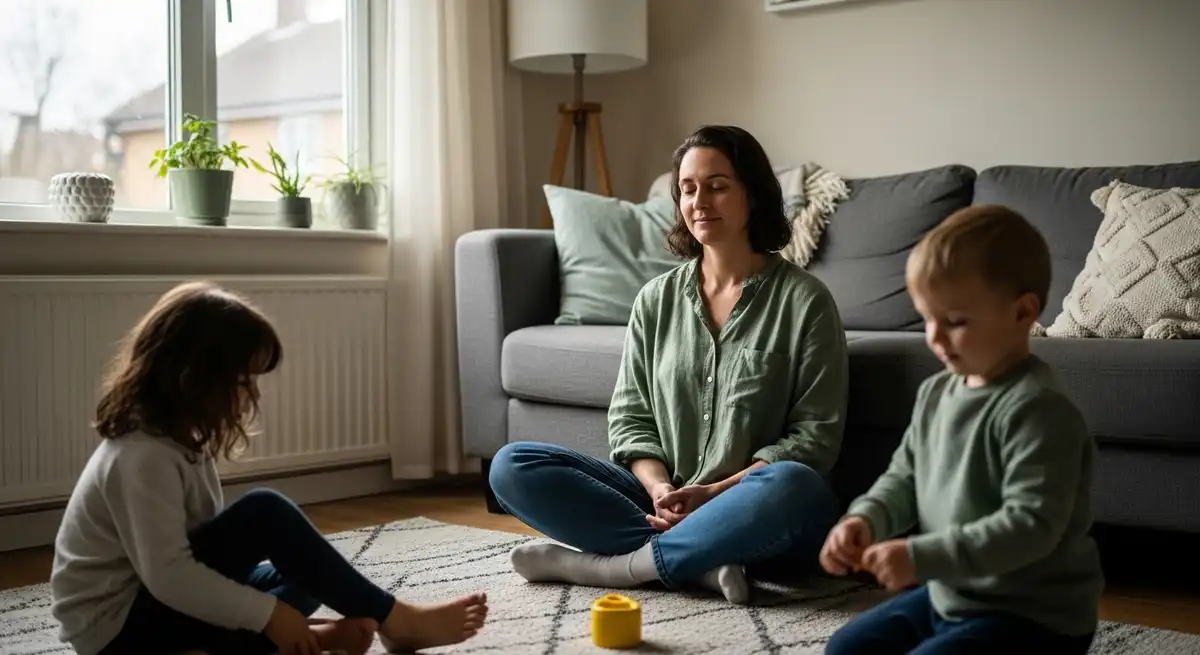
Quick mindfulness hacks to use anywhere, even at work, have become relevant as daily life feels mentally crowded for many adults. Work demands, digital noise, and family responsibilities often overlap, leaving little space to pause. This page explains mindfulness as a practical lifestyle skill that fits real routines without promising emotional fixes or clinical outcomes.
Mindfulness in everyday life is commonly described as steady attention to what is happening right now, without judging or correcting the experience. Lifestyle educators frame it as noticing thoughts, body sensations, and surroundings as they appear. This approach supports awareness rather than emotional control, making it suitable for varied work and home settings.
For professionals, parents, and caregivers, mindfulness is useful because it adapts to ordinary moments. It does not depend on quiet rooms, extended time, or special tools. Small, repeated practices are often used as gentle pauses that support clearer responses during daily demands.
Quick Mindfulness Hacks Anywhere: Understanding Mindfulness as a Lifestyle Practice
Mindfulness is widely understood as a way of paying attention on purpose, rather than reacting automatically. Wellness educators often describe it as a mental habit that supports awareness of internal and external experiences. It is not designed to change emotions, but to help people notice what is present without adding pressure.
In daily routines, mindfulness is usually practiced in short bursts. People often apply it while sitting at a desk, walking between rooms, or handling routine tasks. These brief moments of attention are commonly linked to better recognition of stress signals before they intensify.
Mindfulness is not inherently spiritual, medical, or performance driven. It can be used across cultures, belief systems, and family structures. When presented carefully, it remains a neutral attentional skill that respects personal comfort and boundaries.
Why Modern Workdays Feel Mentally Overloaded
Many workdays involve constant switching between tasks, screens, and conversations. Notifications and messages interrupt focus repeatedly, which can drain mental energy over time. Occupational health research often links this pattern to fatigue rather than improved productivity.
Working adults also face blurred boundaries between professional and personal life. Messages often continue after office hours, reducing mental recovery time. Over time, this can contribute to irritability, distraction, and a sense of always being mentally “on.”
For parents and caregivers, mental overload is layered with emotional responsibility. Managing work alongside family needs leaves little uninterrupted mental space. Mindfulness is often introduced as a way to acknowledge this load without adding more tasks.
The Role of Micro Moments in Mindfulness
Micro moments are very short pauses of intentional attention, usually lasting seconds or minutes. Wellness educators often recommend these moments because they fit into realistic schedules. Their value comes from frequency rather than length.
These pauses commonly occur during routine actions such as opening a laptop, standing up, or waiting for a call. They interrupt automatic rushing and bring awareness back to the present. Over time, repetition helps make pausing feel familiar rather than forced.
Micro moments are not meant to remove stress or emotion. They create a brief gap between experience and reaction. That gap is often described as supportive for thoughtful choices during busy days.
Mindfulness and Attention Regulation
Attention regulation refers to noticing where focus is and gently redirecting it when needed. Mindfulness practices are often linked with improved awareness of distraction. This awareness allows redirection without frustration or self criticism.
In work settings, attention regulation can support clearer engagement with tasks. People often notice fewer autopilot moments when they practice brief mindfulness regularly. This does not mean constant focus, but quicker recognition when attention drifts.
For parents and caregivers, attention regulation can support presence during family time. Mindfulness emphasizes noticing attention rather than forcing focus. This reduces pressure to be perfectly attentive.
The STOP Skill Explained Safely
The STOP skill is a structured mindfulness practice used in everyday emotional awareness education. STOP stands for Stop, Take a breath, Observe, and Proceed mindfully. It is framed as a pause, not a solution to emotional discomfort.
Stopping involves briefly pausing an action or reaction. Taking a breath anchors attention physically. Observing means noticing thoughts, sensations, and surroundings without judgment or analysis.
Proceeding mindfully involves continuing with greater awareness. This step highlights choice rather than impulse. In daily life, STOP is often used before responding to messages or stressful situations.
Using the STOP Skill in Work Settings
At work, the STOP skill is often applied before replying to emails or speaking in meetings. Pausing allows awareness of emotional tone and physical tension. This awareness supports clearer and more measured communication.
In fast paced environments, STOP may take less than a minute. Even a brief pause can reduce reactive responses. With practice, the steps feel natural rather than disruptive.
For working parents, STOP can also support transitions between roles. Pausing between work and home tasks helps reduce emotional spillover. This supports steadier interactions with family members.
Breathing as a Mindfulness Anchor
Breathing is often used as a mindfulness anchor because it is always available. Observing the breath provides a simple focus for attention. This practice does not require changing how you breathe.
Many people notice shallow or rushed breathing during stress. Awareness of breathing patterns can highlight physical tension. Simply noticing the breath is considered sufficient for mindfulness practice.
Breathing awareness is flexible and adaptable. Some people count breaths, while others focus on physical sensations. The emphasis remains on observation, not control.
The 4 7 8 Breathing Technique
The 4 7 8 breathing technique uses a timed pattern of inhaling, holding, and exhaling. It is often used as a short calming exercise in daily routines. The practice is usually done quietly while seated.
People often try this technique during moments of tension or before demanding tasks. The longer exhale is associated with a slowing sensation for some individuals. This response varies and is not guaranteed.
Lifestyle guidance suggests starting gently with one or two cycles. Comfort is prioritized over precision. Anyone with breathing concerns is generally advised to modify or skip structured patterns.
Box Breathing in Everyday Life
Box breathing follows equal counts for inhaling, holding, exhaling, and holding again. This balanced rhythm is commonly used to support steady attention. It fits well into short breaks or quiet moments.
Counting provides a mental anchor that can reduce wandering thoughts. This makes box breathing appealing in work settings where distractions are common. It can be practiced without closing the eyes.
Box breathing is usually presented as adaptable. People may adjust counts based on comfort. The focus remains on steady awareness rather than perfect timing.
Sensory Grounding as a Mindfulness Tool
Sensory grounding directs attention to physical sensations in the environment. This may involve noticing sights, sounds, textures, or temperature. It is often used when thoughts feel overwhelming.
By shifting focus outward, sensory grounding reduces mental preoccupation. This approach works well in busy or noisy settings. It allows mindfulness without withdrawing from surroundings.
Sensory grounding can be done discreetly. People may silently notice details without others noticing. This makes it suitable for workplaces and shared spaces.
The 5 4 3 2 1 Grounding Method
The 5 4 3 2 1 method involves identifying sensory experiences in a set order. People note five things they see, four they hear, three they feel, two they smell, and one they taste. This structure supports focused attention.
The method is often used during moments of mental spiraling. Engaging multiple senses anchors awareness externally. Many find the clear steps helpful during stress.
It can be adapted silently or partially. Some focus on fewer senses depending on context. The goal remains present awareness.

The 3 3 3 Sensory Reset
The 3 3 3 sensory reset is a shorter grounding practice. It involves noticing three sights, three sounds, and three physical sensations. This format suits brief pauses during busy schedules.
People often use it between tasks or while waiting. Its simplicity reduces effort while supporting awareness. Familiarity can make the reset automatic.
This practice is not intended to remove stress. It provides a momentary check in with the present environment.
Desk Based Mindfulness Practices
Desk based mindfulness includes practices done while seated at workstations. These may involve posture awareness, breathing observation, or brief body scanning. They allow mindfulness without leaving the desk.
Many people hold tension in shoulders, neck, or jaw while working. Bringing attention to these areas increases awareness of strain. Awareness may prompt small adjustments.
These practices are brief and discreet. They fit within existing routines. Accessibility supports consistent use.
The Desk Body Scan
A desk body scan involves moving attention slowly through the body. Sensations are noticed without trying to change them. This highlights areas of tension or fatigue.
People often use body scans during breaks or after long sitting periods. The scan may take only a minute or two. Awareness is the primary purpose.
For working parents, body scans can signal when rest or movement is needed. This supports balanced daily pacing.
Mindful Hand Washing
Mindful hand washing turns a routine task into an awareness moment. Attention rests on water temperature, soap texture, and movement. This integrates mindfulness into daily habits.
Because hand washing already happens, it adds no extra time. Familiarity reduces performance pressure. Attention naturally follows sensation.
This practice works well at home and work. Over time, it reinforces noticing ordinary moments.
Mindfulness in Digital Communication
Digital communication often encourages quick replies. Mindful communication introduces a pause before responding. This pause supports awareness of tone and intention.
Many people reread messages before sending. This reduces misunderstandings. Awareness of language becomes part of mindfulness.
For parents managing work and family messages, mindful communication can reduce friction. Clear responses support healthier interactions.
The Wait and Breathe Approach
The wait and breathe approach involves drafting a message, pausing briefly, then reviewing it. The pause may include stretching or slow breathing. This allows emotional settling.
People use this method for sensitive messages. Distance from the initial draft supports perspective. Wording often becomes clearer.
This approach is situational. It supports thoughtful responses without delaying routine communication.
Mindfulness During Commuting
Commuting often includes waiting, noise, and unpredictability. Mindfulness during commuting focuses on noticing sensations rather than frustration. Attention may rest on movement or sound.
Many people use commuting as a transition between roles. Mindfulness supports mental separation between work and home. This reduces carryover stress.
Commuter mindfulness does not require special techniques. It emphasizes noticing the experience as it is.
Tactile Grounding on the Go
Tactile grounding involves noticing physical contact points. This may include feet on the floor or hands on a steering wheel. Sensation provides a stable focus.
This approach works well in crowded spaces. It allows grounding without visual disengagement. Attention remains anchored in the body.
Tactile grounding is subtle and practical. It does not interfere with safety or awareness.
Cognitive Reframing in Mindfulness
Cognitive reframing involves noticing interpretations of events. Mindfulness supports seeing thoughts as mental events, not facts. This creates flexibility in perspective.
People often use reframing during stressful work situations. Considering alternative explanations can reduce escalation. Difficulty is acknowledged, not denied.
Reframing is presented as a supportive habit. It encourages balanced appraisal rather than forced positivity.
Turning Problems Into Challenges
Turning problems into challenges involves shifting language and viewpoint. Challenges suggest engagement rather than threat. This shift may reduce resistance.
Mindfulness helps notice rigid or catastrophic thinking. Awareness allows gentle reframing. This supports steadier motivation.
This approach is common in professional development contexts. It aligns with realistic goal setting.
Building a Personal Mindfulness Toolbox
A mindfulness toolbox is a small set of preferred practices. These may include breathing, grounding, and reframing. Personal choice supports consistency.
People often try several practices before settling on what fits. Comfort and context guide selection. There is no single correct approach.
For busy adults, a toolbox supports flexibility. Different situations call for different tools.
Parenting and Working Life Integration
Parents often manage overlapping roles. Mindfulness practices support transitions between responsibilities. Small pauses acknowledge emotional shifts.
Mindful transitions may happen before school pickups or evening routines. Brief attention to breath or posture marks the change. This supports presence.
This integration respects real constraints. It reframes existing moments rather than adding tasks.

Consistency Without Pressure
Consistency in mindfulness refers to regular engagement, not intensity. Short practices are often more sustainable than long sessions. This fits busy lives.
Practices that feel demanding are often abandoned. Flexible framing supports continuation. Neutral language reduces pressure.
Guidance emphasizes patience. Experiences vary and unfold gradually.
Safety and Responsibility in Mindfulness
Mindfulness is generally considered safe as a lifestyle practice. Experiences differ among individuals. Some may find certain practices uncomfortable.
Responsible guidance encourages modification. Pausing or stopping practices that increase discomfort is appropriate. Professional support may be helpful.
Mindfulness is not a replacement for healthcare. It complements existing support systems.
Conclusion
Quick mindfulness hacks to use anywhere, even at work, function as practical tools for awareness within daily routines. They are commonly used as supportive lifestyle habits rather than emotional solutions. When practiced consistently and realistically, mindfulness offers a simple way to pause, notice, and respond more thoughtfully across work and family life.
Frequently Asked Questions
How do I calm my anxiety at work using mindfulness
Mindfulness at work is commonly used to notice stress signals early rather than remove anxiety. Brief breathing or grounding pauses shift attention to the present moment. These practices are considered supportive lifestyle habits, not methods for eliminating anxious feelings or replacing professional care.
What is the 5 4 3 2 1 grounding technique
The 5 4 3 2 1 grounding technique is a structured sensory awareness exercise. It involves identifying sights, sounds, physical sensations, smells, and tastes in sequence. This method is often used to reconnect attention with the immediate environment during mental overload.
Can mindfulness be practiced in five minutes or less
Mindfulness is often practiced in very short periods throughout the day. Many people use one to five minute pauses during routine activities. Regular brief practice is commonly associated with increased awareness rather than dramatic emotional change.
How do I stop overreacting to work emails
Mindful pausing before responding to emails is often suggested. Taking a breath and noticing emotional tone supports clearer replies. This approach emphasizes awareness and choice, not suppression of feelings.
Is box breathing effective for everyday stress
Box breathing is commonly used to support steady attention during busy moments. Its structured rhythm offers a simple focus. It is considered a general wellbeing practice rather than a treatment for stress conditions.
How can busy parents practice mindfulness
Busy parents often integrate mindfulness into existing routines. Short pauses during transitions or daily tasks are commonly used. This approach respects limited time and ongoing responsibilities.
When should mindfulness be avoided
Mindfulness may feel uncomfortable for some people. If a practice increases distress, modification or stopping is appropriate. Professional guidance may be helpful in such cases.
How long does it take to notice benefits
Experiences with mindfulness vary. Some notice changes in awareness quickly, while others observe gradual shifts. Consistency is emphasized over specific outcomes.
Can mindfulness replace therapy or medical care
Mindfulness does not replace professional care. It is described as a complementary lifestyle practice. Medical or psychological concerns require qualified support.
Is mindfulness suitable for all cultures and beliefs
Mindfulness can be adapted across cultures when presented neutrally. It does not require spiritual alignment. Respectful adaptation supports inclusivity.
Medical Disclaimer
This content is for informational purposes only and does not constitute medical advice. It does not diagnose, treat, cure, or prevent any condition. Always consult a qualified healthcare provider before starting new wellness practices, especially if you have medical or mental health concerns.
For wider background on this, see the National Heart, Lung, and Blood Institute on sleep.