Emotional burnout in relationships: When Emotional Effort Quietly Becomes Exhaustion
Emotional burnout in relationships often develops quietly rather than through visible conflict. It builds through repeated stress, unmet emotional needs, and long periods of giving without enough recovery. Over time, the relationship may still function on the surface, but inside it begins to feel heavy, tiring, and emotionally distant.
Wellness educators commonly describe this state as emotional overuse rather than emotional failure. Many people continue to care deeply for their partner while feeling internally drained and disconnected. Understanding this pattern helps reduce shame and supports a calmer, more responsible response.
This page explains emotional burnout in relationships through an educational and lifestyle-focused lens. It emphasizes awareness, emotional responsibility, and supportive practices that fit everyday life. The intention is clarity and safety, not diagnosis or treatment.
Understanding Emotional Burnout in Relationships
Emotional burnout in relationships refers to prolonged emotional fatigue linked mainly to ongoing relational demands. It often appears when emotional effort consistently exceeds the ability to rest and recover. People may feel detached, less responsive, or emotionally flat despite still valuing the relationship.
This experience differs from temporary stress because it lingers even after short breaks or positive moments. A weekend away or brief improvement may not restore emotional energy if core patterns remain unchanged. Wellness research frames burnout as a resource imbalance rather than a loss of love or commitment.
Recognizing emotional burnout involves separating emotional intention from emotional capacity. Many individuals still want connection but feel unable to show up in the same way. This understanding supports compassion and practical adjustment instead of blame or withdrawal.
You may also interested in:
Journaling Prompts for Emotional Healing as a Supportive Lifestyle Practice
Vision Journaling: Designing the Life You Want
Nature Journaling for Powerful Mindfulness and Outdoor Presence
Emotional Burnout Compared to Clinical Depression
Relationship burnout and clinical depression can look similar on the surface, but they are not the same. Emotional burnout is usually tied to a specific context, such as a relationship or role. Depression tends to affect mood, energy, and motivation across most areas of life.
People experiencing relationship burnout often notice relief or emotional ease in other settings, such as work or friendships. With depression, low mood and reduced interest usually remain consistent across environments. This distinction is widely recognized in mental health education.
It is also acknowledged that long-term burnout can increase vulnerability to broader emotional distress. This is why early awareness and supportive changes matter. Persistent sadness, hopelessness, or significant functional changes warrant professional evaluation regardless of relationship status.
How Emotional Burnout Develops Gradually
Emotional burnout rarely starts with a major argument or dramatic shift. It usually grows through small, repeated moments of emotional suppression, unresolved tension, and unspoken frustration. Over time, the nervous system learns to conserve energy by pulling back emotionally.
Daily stressors such as work pressure, caregiving duties, financial strain, or health concerns can speed up this process. When recovery time is limited, relationships often absorb stress spillover. This happens even when both partners have good intentions.
Because burnout builds slowly, it can go unnoticed. Many people adapt by lowering expectations, avoiding difficult topics, or maintaining surface-level harmony. These strategies reduce conflict short term but often deepen emotional distance over time.
Signs of Emotional Burnout in Relationships
Feeling Drained by Everyday Interaction
A common sign of emotional burnout in relationships is feeling tired by ordinary interaction. Simple conversations may feel effortful rather than neutral or comforting. This reaction usually reflects emotional fatigue rather than a lack of interest.
In daily life, this may show up as shorter conversations or a strong need for quiet after time together. Wellness frameworks describe this as a signal that emotional reserves are low. It is not a character flaw or a relationship failure.
Reducing pressure is often more helpful than forcing engagement. Creating space for emotional rest, simplifying routines, and allowing silence can support recovery. Emotional energy tends to return when demands are adjusted realistically.
Emotional Management Overload
Emotional burnout often develops when one person feels responsible for managing the emotional climate of the relationship. This can include anticipating reactions, preventing conflict, or smoothing tension before it surfaces. Over time, this invisible labor becomes exhausting.
In many households, emotional management grows quietly, especially under stress or caregiving demands. Research on emotional labor shows that unequal responsibility increases relational fatigue. The strain comes from imbalance, not from caring itself.
Reducing this load involves sharing emotional responsibility more evenly. Naming limits calmly and allowing natural emotional responses can ease pressure. When both partners carry emotional weight, burnout risk decreases.
Feeling Alone While Together
Feeling alone despite being physically together is a core feature of emotional burnout. This experience involves emotional distance even during shared routines or responsibilities. Many people describe it as relational loneliness rather than isolation.
Relational loneliness often grows when emotional bids are missed or unanswered. Over time, people stop reaching out to protect themselves from disappointment. Wellness educators note that this pattern affects emotional safety deeply.
Rebuilding connection usually starts with small, consistent moments of attention. Listening without fixing, acknowledging feelings, and sharing quiet time can slowly restore emotional presence. Consistency matters more than intensity.
Avoidance of Meaningful Conversation
Avoiding deeper conversations is another sign of emotional burnout. People may keep discussions practical to avoid emotional overload. This is a protective response, not a lack of care.
In everyday life, this looks like focusing on logistics while avoiding feelings. While this reduces short-term stress, it limits intimacy. Wellness guidance views this as a coping strategy rather than avoidance of the partner.
Creating safer conditions for conversation helps. Time limits, clear topics, and calm settings reduce overwhelm. These supports make emotional expression more manageable.
Reduced Emotional Bandwidth
Emotional burnout often lowers tolerance for small stressors. Minor issues may trigger irritation or shutdown because emotional capacity is already stretched thin. This reflects nervous system fatigue, not personality change.
In relationships, this reduced bandwidth can lead to misunderstandings. Stress research shows chronic strain reduces emotional regulation ability. Recognizing this helps prevent misinterpretation and blame.
Rest, improved sleep, and reduced emotional demands help restore bandwidth. As capacity improves, emotional flexibility often returns gradually.
Loss of Interest in Shared Activities
A noticeable sign of burnout is losing interest in activities once enjoyed together. Shared meals or outings may feel like obligations. This usually signals emotional depletion rather than dissatisfaction.
Pleasure withdrawal is common during burnout because enjoyment requires emotional energy. This response is typically temporary. With recovery, interest often returns.
Reintroducing shared activities gently is helpful. Short, low-effort interactions rebuild connection without pressure.
Increased Privacy or Emotional Guarding
Emotional burnout may lead to keeping thoughts or feelings private to conserve energy. This emotional guarding serves as self-protection rather than secrecy.
In daily life, this appears as vague answers or reduced sharing. Wellness educators emphasize that this reflects exhaustion, not mistrust.
Respecting boundaries while maintaining warmth supports safety. As emotional energy improves, openness usually follows naturally.
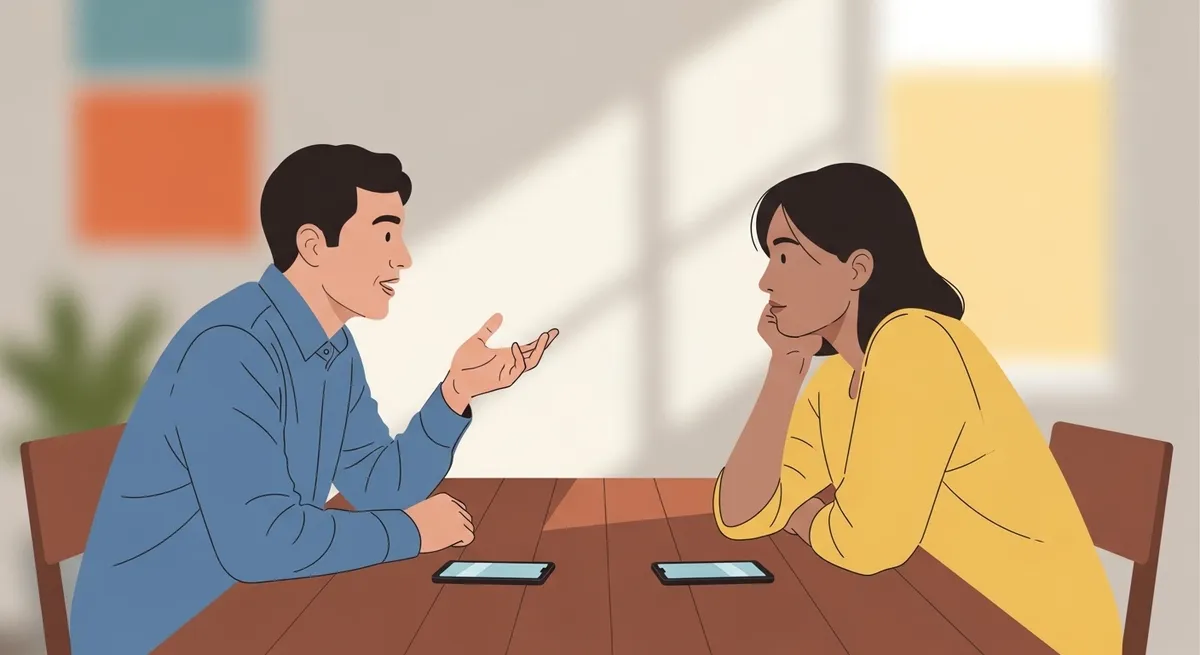
Indifference Toward Conflict
In deeper burnout stages, people may stop engaging in conflict. Disagreements feel too tiring to address. This indifference replaces earlier frustration.
While reduced conflict may seem positive, it often reflects disengagement. Wellness frameworks note that emotional capacity must return before resolution is possible.
Pausing conflict discussions while focusing on recovery can help. Constructive dialogue becomes easier once energy improves.
Diminished Empathy
Reduced empathy is another sign of emotional burnout in relationships. People may feel less responsive to their partner’s experiences. This numbness is commonly linked to compassion fatigue.
Caregiving and chronic stress research shows empathy declines without recovery time. This is a protective response, not a moral failure.
Prioritizing rest and emotional regulation helps rebuild empathy. As reserves refill, responsiveness often returns.
Withholding Affection
Burnout may also reduce physical or emotional affection. This change often happens unconsciously due to emotional fatigue.
Affection requires presence, which may feel limited during burnout. Wellness educators caution against interpreting this as rejection.
Gentle, non-demanding gestures help reintroduce affection. Respecting boundaries supports emotional safety during recovery.
Root Causes of Emotional Burnout in Relationships
Unresolved Conflict Accumulation
Unresolved conflicts contribute heavily to burnout. When issues repeat without repair, emotional tension builds quietly. Over time, this becomes overwhelming.
Avoiding conflict reduces short-term discomfort but increases long-term strain. Small acknowledgments and partial repairs reduce emotional burden.
Structured conversations and external support help address unresolved issues safely.
Chronic External Stressors
Work stress, financial pressure, caregiving, and health concerns increase burnout risk. These stressors reduce recovery time and emotional availability.
Stress is often misattributed to relationship problems. Understanding context prevents unnecessary blame.
Shared coping strategies and realistic expectations protect emotional connection.
Unrealistic Relationship Expectations
Cultural narratives often promote constant emotional fulfillment. When reality differs, disappointment grows.
Healthy relationships move through phases shaped by life demands. Accepting this reduces pressure.
Adjusting expectations toward sustainability supports long-term wellbeing.
Attachment Patterns and Burnout Dynamics
Anxious Attachment and Emotional Exhaustion
Anxious attachment can increase burnout through high reassurance needs. When reassurance feels inconsistent, emotional strain rises.
Skill-building around self-soothing reduces pressure. Balance supports sustainability.
Gradual adjustment helps maintain connection without overload.
Avoidant Attachment and Emotional Withdrawal
Avoidant patterns may withdraw when closeness feels overwhelming. This manages discomfort but increases distance.
Pacing intimacy and respecting autonomy helps. Small, predictable connection builds tolerance.
This supports engagement without overwhelm.
Disorganized Attachment and Instability
Disorganized patterns involve fluctuating responses that increase burnout. Inconsistency creates strain.
Predictability and emotional awareness reduce fatigue. Professional guidance often helps.
Stability supports healthier connection.
Mindfulness and Lifestyle Support for Recovery
Mindful Communication Practices
Mindful communication reduces reactivity by slowing responses. It involves attention to tone and emotional cues.
Research links mindfulness with improved emotional awareness. It supports regulation rather than fixing problems.
Brief, regular check-ins improve presence.

Rebuilding Emotional Capacity Through Routine
Recovery requires consistent restoration. Sleep, movement, and quiet time support nervous system balance.
Small changes matter more than dramatic ones. Consistency builds resilience.
Capacity for connection improves gradually.
Shared Connection Practices
Shared rituals that require little processing rebuild trust. Predictable routines support safety.
Consistency matters more than intensity. Over time, closeness grows naturally.
Parenting, Caregiving, and Working Life Context
Parents and caregivers face higher burnout risk due to role overload. Sleep loss and responsibility strain emotional availability.
Working parents juggle competing demands that limit recovery. Wellness education emphasizes shared responsibility.
Acknowledging strain supports compassion.
When Professional Support Is Appropriate
Professional support is helpful when burnout persists. Education and counseling provide structure and neutrality.
Seeking help reflects care, not failure. Early support prevents deeper distress.
External guidance complements personal effort.
Frequently Asked Questions
What does relationship burnout feel like
Relationship burnout usually feels like ongoing emotional exhaustion tied to relational interaction. People often feel detached, less empathetic, and less motivated to engage. These feelings develop gradually and reflect depleted emotional capacity rather than loss of care.
Can a relationship improve after emotional burnout
Relationships can improve after burnout when stressors and patterns change. Recovery involves reduced pressure, better communication, and lifestyle support. Progress is usually gradual and depends on shared willingness.
How long does emotional burnout usually last
Burnout duration varies. Some notice improvement within weeks after changes, while others need longer. Patience and consistency matter more than timelines.
Is emotional burnout the same as falling out of love
Emotional burnout is not the same as falling out of love. It reflects fatigue, not absence of attachment. Many still care deeply while feeling unable to engage fully.
Does emotional burnout affect physical health
Burnout is often linked with fatigue and sleep disruption. Chronic stress affects the body as well as emotions. Stress management supports overall wellbeing.
Can mindfulness help with relationship burnout
Mindfulness is commonly used as a supportive practice. It helps awareness and regulation. It supports communication but does not fix relationships alone.
Is taking space helpful during burnout
Intentional space can support recovery when communicated clearly. It reduces reactivity and allows rest.
Does parenting increase relationship burnout risk
Parenting increases burnout risk due to added demands. Unequal labor increases strain. Shared responsibility helps.
Should burnout be discussed openly with a partner
Open discussion can be supportive when framed without blame. It allows adjustment and understanding.
When is professional help recommended
Professional help is recommended when burnout persists or communication breaks down. Early support helps prevent deeper issues.
Conclusion: A Calm Path Toward Emotional Renewal
Emotional burnout in relationships reflects prolonged strain, not personal failure. With awareness, lifestyle support, and shared responsibility, many people regain balance. Recovery focuses on emotional safety and sustainability rather than urgency. Change happens gradually, through steady and realistic care.
Medical Disclaimer
This article provides general wellness information and is not a substitute for professional mental health care. It does not diagnose, treat, or prevent any condition. If emotional distress persists or worsens, consult a qualified mental health professional for appropriate guidance.
For wider background on this, see the World Health Organization classifies burn-out as an occupational phenomenon.