Mindful tech habits for busy professionals focus on using digital tools with awareness, limits, and intention rather than constant reaction. Many working adults depend on technology for income, coordination, and caregiving, yet feel mentally worn down by notifications and fragmented attention. Wellness educators commonly describe mindful technology use as a lifestyle support approach that helps people stay functional, present, and balanced without rejecting modern work realities.
In professional and family life, technology often stretches the workday beyond clear boundaries. Emails arrive late at night, team chats continue through weekends, and response expectations quietly rise. Mindful tech habits aim to restore a sense of choice so digital tools serve daily life rather than quietly controlling it.
This approach avoids extreme digital rules or total disconnection. It supports practical adjustments that fit real schedules, work demands, and emotional capacity. By understanding attention limits and habit patterns, professionals can create steadier routines that protect focus, energy, and overall wellbeing.
Mindful Tech Habits for Busy Professionals: Understanding the Core Idea of Mindful Technology Use
Mindful technology use means paying attention to how, when, and why digital tools are used during the day. Instead of responding automatically to alerts or opening apps out of habit, individuals make deliberate choices about engagement. This concept is often linked to mindfulness principles applied to everyday behavior, especially within work and home environments.
For busy professionals, this practice usually starts with observation rather than immediate change. Many people notice that frequent checking breaks concentration and increases mental fatigue. Awareness creates space to adjust digital habits in ways that feel supportive instead of restrictive.
Lifestyle guidance presents mindful tech use as a skill that develops gradually. It aligns with deadlines, caregiving responsibilities, and unpredictable schedules. The goal is functional balance, not perfection or constant self-monitoring.
Cognitive Load and Digital Overwhelm in Daily Work
Cognitive load refers to how much information the brain processes at one time. In modern workplaces, emails, messages, documents, and meetings compete for limited mental capacity. When digital demands exceed that capacity, people often experience slower thinking, reduced accuracy, and emotional exhaustion.
Workplace psychology research shows that frequent interruptions extend task completion time and increase errors. Each alert forces the brain to shift focus, which uses energy even when the interruption seems minor. Over time, this pattern leads to feeling busy without meaningful progress.
Mindful tech habits help manage cognitive load by reducing unnecessary interruptions and grouping digital tasks. Many professionals find that limiting notifications and scheduling focus periods supports clearer thinking. These changes reduce strain without adding pressure or unrealistic expectations.
The Concept of Technostress Explained Safely
Technostress is a research term describing stress linked to heavy or poorly managed technology use. It often includes feelings of overload, constant availability, and pressure to adapt to new systems. Importantly, technostress is discussed as a workplace and lifestyle issue, not a medical diagnosis.
Busy professionals may experience technostress when work tools extend into personal time. Phones and laptops make connection easy but mental disengagement difficult. Over time, this reduces recovery time and contributes to ongoing fatigue.
Mindful tech habits are often framed as a preventive lifestyle strategy. By setting limits around availability and disengaging after work hours, many people experience steadier energy and calmer routines. These practices support wellbeing without claiming to treat or cure stress-related conditions.
Deep Work as a Supportive Professional Practice
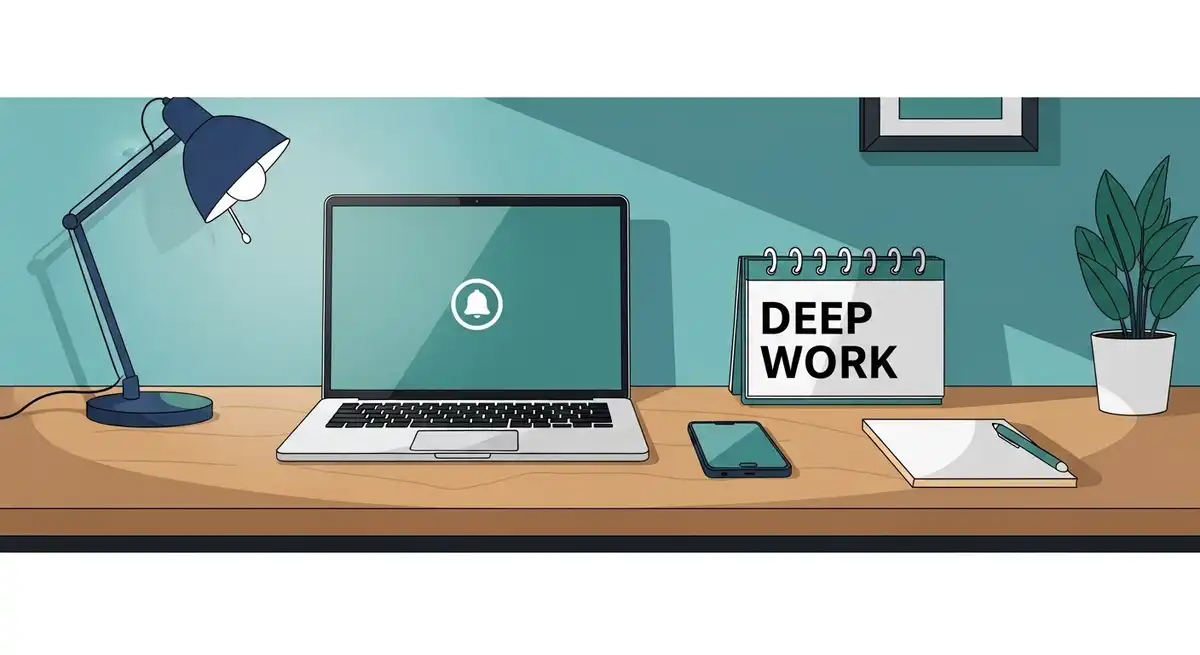
Deep work refers to focused attention on tasks that require thinking, planning, or creativity. In professional settings, this includes writing, analysis, design, and problem-solving. Wellness educators describe deep work as a practical response to constant digital interruption.
For busy professionals, deep work does not require long isolation. It usually involves short, protected blocks of time with fewer interruptions. This structure allows progress without increasing total working hours.
Mindful tech habits support deep work by reducing digital noise during focus periods. Turning off nonessential notifications and setting clear boundaries helps the brain stay engaged. Over time, this approach often leads to greater efficiency and less mental fatigue.
Differentiating Deep Work and Shallow Digital Tasks
Shallow work includes routine digital tasks such as checking email, responding to messages, and updating systems. These tasks are necessary but rarely require deep concentration. Problems arise when shallow work fills the entire day.
Many professionals feel productive while constantly responding, yet end the day mentally drained. This pattern is common in digital workplaces where responsiveness is rewarded. Mindful tech habits help rebalance time between shallow tasks and focused work.
Grouping shallow tasks into specific time blocks supports clearer boundaries. This separation reduces the sense of constant urgency and aligns better with family and caregiving responsibilities. Over time, workdays feel more intentional.
Scheduling Focus Time in Realistic Ways
Scheduling focus time works best when it fits real routines. Many professionals begin with short sessions of thirty to sixty minutes. These blocks often work well during predictable low-interruption periods.
Consistency matters more than length. Returning to focus sessions regularly helps the brain settle more easily. Over time, concentration becomes less effortful.
Mindful tech habits encourage flexibility rather than strict schedules. On busy days, even brief focus periods provide value. This approach respects changing demands and avoids guilt when plans shift.
Asynchronous Communication as a Work Support Tool
Asynchronous communication refers to messages that do not require immediate replies. Examples include emails, shared documents, and project management tools. Many organizations recognize its role in supporting focus and reducing unnecessary meetings.
For busy professionals, asynchronous communication allows thoughtful responses without constant interruption. It supports better prioritization and clearer messaging. This approach often reduces misunderstandings and follow-up messages.
Mindful tech habits include choosing asynchronous channels whenever possible. This supports flexible schedules, caregiving needs, and time zone differences. It also reduces pressure to remain constantly available.
Managing the “Always-On” Culture at Work
Constant availability has become common in many industries. Messages arrive at all hours, and delayed replies may feel risky. Over time, this erodes boundaries and recovery time.
Wellness guidance suggests that availability norms are learned behaviors. When individuals model clear limits, colleagues often adjust expectations. Calm consistency matters more than repeated explanations.
Mindful tech habits support disengagement without conflict. Communicating response windows and using delayed delivery tools helps maintain reliability while protecting personal time. This balance supports long-term sustainability.
Email Batching as a Practical Daily Habit
Email batching involves checking and responding to messages at set times instead of continuously. This reduces task switching and protects attention. Productivity research often links batching with lower mental strain.
Busy professionals sometimes worry about missing urgent messages. In practice, most emails are not time-sensitive. Clear response expectations reduce anxiety for everyone involved.
Mindful tech habits treat email batching as a flexible routine. Adjustments can be made during high-demand periods. Over time, this habit often leads to calmer, more focused workdays.
Process-Centric Communication for Fewer Interruptions
Process-centric communication means sharing complete information in one message. This includes context, expectations, and next steps. It reduces back-and-forth exchanges.
Many professionals unintentionally create extra work by sending partial messages. Mindful tech habits encourage brief pauses to organize thoughts before communicating. This saves time overall.
Clear communication supports efficiency and reduces mental clutter. It also helps professionals balancing work and family by minimizing follow-ups. This habit aligns with respectful workplace norms.
Setting Professional Digital Boundaries Calmly
Digital boundaries define when and how technology is used for work. These boundaries support mental clarity and emotional stability. Wellness educators describe boundaries as sustainability tools, not avoidance.
Busy professionals often feel uncomfortable setting limits. Research shows that clear boundaries improve job satisfaction and performance. Consistency builds trust.
Mindful tech habits include communication hours, auto-replies during focus time, and limiting alerts. These actions signal intention rather than disengagement. Over time, boundaries become accepted norms.
The Right to Disconnect in Everyday Life
Disconnecting after work allows the mind to recover. Without this pause, stress responses remain active. Over time, this contributes to exhaustion.
Many organizations now acknowledge the importance of after-hours disconnection. From a lifestyle perspective, this supports sleep, relationships, and emotional balance.
Mindful tech habits encourage gradual disconnection. Silencing work apps in the evening often helps. People with ongoing sleep or stress concerns are generally advised to seek professional guidance.
Digital Environment Design and Tool Choice
Digital environments shape behavior. Tool overload increases distraction and fatigue. Mindful tech habits include reviewing which tools truly support work goals.
A selective approach involves keeping only essential platforms. Removing unused apps reduces mental clutter. This process is often called a digital declutter.
For busy professionals, simpler digital environments support clarity. Small changes often bring noticeable relief. This approach favors realistic productivity over constant optimization.
Separating Work and Personal Digital Spaces
Using one device for work and personal life can blur boundaries. Notifications trigger work thoughts during rest time. This makes disengagement difficult.
Some professionals use separate devices, while others rely on focus modes. Mindful tech habits emphasize psychological separation even without physical separation.
These adjustments support emotional transitions between roles. For parents and caregivers, separation supports presence during family time. Rest becomes a valid part of productivity.
Digital Sunset as a Supportive Evening Practice
A digital sunset involves reducing screen use before bedtime. Blue light and stimulating content can delay sleep signals. Research links evening screen exposure with later sleep onset.
Mindful tech habits often suggest turning off screens about an hour before bed. This allows the nervous system to settle. Reading or gentle activities often replace scrolling.
This practice supports sleep quality without treating sleep disorders. People with persistent sleep issues are usually advised to consult qualified professionals.
Evening Routines and Emotional Decompression
Evening routines signal the end of the workday. Without closure, mental tasks linger. This increases rumination.
Mindful tech habits include shutdown rituals like reviewing tasks for tomorrow and closing work apps. These actions reassure the brain.
For working parents, routines support smoother transitions into family time. They create structure without pressure. Over time, emotional balance improves.
Mindful Productivity Reviews Without Pressure
Productivity reviews involve reflecting on time and energy use. Mindful approaches focus on observation, not judgment.
Tracking focus versus reactive work reveals patterns. Small changes often bring improvement.
Mindful tech habits frame reviews as supportive check-ins. They align work with capacity and values without rigid standards.
Starting Small and Building Consistency
Lifestyle change works best when gradual. Starting with one habit reduces overwhelm.
Consistency builds confidence. Small actions repeated regularly become automatic.
Mindful tech habits encourage patience. Setbacks are treated as information. This supports long-term balance.
Mindfulness Principles Applied to Technology
Mindfulness involves awareness without judgment. Applied to technology, it means noticing urges before acting.
Brief pauses guide intentional responses. Over time, compulsive patterns soften.
Mindful tech habits use mindfulness practically, not spiritually. The focus stays on daily function and emotional steadiness.
Relevance for Working Mothers and Parents
Working mothers manage multiple roles. Technology helps coordination but adds mental load.
Mindful tech habits reduce constant switching. Structured communication supports presence with children.
Lifestyle guidance emphasizes self-compassion. Balance shifts across seasons. Habits adapt rather than enforce rigid standards.
Emotional Wellbeing and Attention Protection
Attention and emotional wellbeing are closely linked. Constant distraction limits emotional processing.
Mindful tech habits protect attention by creating uninterrupted spaces. Emotional regulation improves with reduced stimulation.
These practices support stability, not therapy. They complement professional care when needed.

Long-Term Sustainability Over Short-Term Fixes
Quick digital fixes rarely last. Mindful tech habits focus on sustainability.
Aligning habits with capacity reduces burnout. Progress stays steady.
Guidance highlights adaptability. Habits evolve with life changes.
Frequently Asked Questions
How do mindful tech habits support busy professionals?
Mindful tech habits support busy professionals by encouraging intentional digital use instead of constant reaction. They help reduce interruptions and mental fatigue. Many people use these habits to maintain focus and emotional balance within demanding schedules.
Are mindful tech habits the same as digital detox?
Mindful tech habits differ from digital detox approaches. They focus on balanced, realistic use rather than full disconnection. This makes them more sustainable for professionals who rely on technology for work and family coordination.
Can these habits improve work performance?
Many professionals report clearer thinking and improved efficiency when practicing mindful tech habits. By reducing distraction, tasks are often completed with better focus. These outcomes are generally associated with improved daily functioning rather than guaranteed results.
Do mindful tech habits require special tools?
Mindful tech habits usually rely on existing device settings and routines. Features like notification controls and focus modes are often enough. The emphasis is on behavior change rather than new tools.
How much time do these habits take daily?
Most mindful tech habits take little time. Small adjustments like batching emails often save time later. Over time, efficiency improves.
Are these practices suitable for remote workers?
Mindful tech habits are commonly used by remote workers. They help manage blurred boundaries between work and home life. Structured routines support clarity.
Can parents realistically practice mindful tech habits?
Parents often adapt mindful tech habits to unpredictable schedules. Flexibility matters. Even brief focus periods support balance.
Do mindful tech habits replace professional mental health support?
Mindful tech habits are lifestyle supports. They do not replace professional mental health care. Persistent distress should be addressed with qualified professionals.
How long does it take to notice changes?
Some people notice small shifts within days. Larger changes often take weeks. Results vary.
Are mindful tech habits appropriate for all industries?
Mindful tech habits adapt across industries. Communication norms differ. The focus remains on intention and boundaries.
Conclusion
Mindful tech habits for busy professionals offer a steady, realistic way to live and work with technology. By respecting attention limits, setting boundaries, and using mindfulness principles, digital tools become supportive rather than draining. These habits fit real responsibilities, encourage emotional balance, and support sustainable productivity without pressure or unrealistic promises.
Medical Disclaimer
This content is for informational purposes only and does not constitute medical advice. It is not intended to diagnose, treat, cure, or prevent any disease. Consult a qualified healthcare provider before making changes related to mental health, sleep, stress, or wellbeing.
For wider background on this, see the World Health Organization classifies burn-out as an occupational phenomenon.