Gratitude is often described as a feeling, but in everyday life it functions more reliably as a pattern of attention shaped by routine and context. Many people manage long work hours, family responsibilities, and constant digital input, which can quietly pull focus toward problems and unfinished tasks. Wellness educators commonly frame gratitude as a practical mental habit that helps rebalance attention without denying pressure, fatigue, or emotional complexity.
Public health and psychology discussions increasingly position gratitude as a lifestyle support rather than an emotional fix. It is often associated with steadier mood awareness, calmer stress responses, and improved emotional balance when practiced regularly and realistically. This guide explains gratitude practices in clear, grounded language, showing how they are commonly used in daily routines without hype, promises, or therapeutic claims.
Gratitude Practices That Lift Your Mood: Understanding Gratitude as a Daily Lifestyle Practice
Gratitude practices that lift your mood refer to intentional ways of noticing supportive aspects of daily life, including people, routines, environments, and personal efforts. These practices do not require positive emotions at the start and are not tied to personality traits or belief systems. Lifestyle guidance usually describes gratitude as a learnable skill that strengthens through repetition rather than emotional intensity.
In daily settings, gratitude is less about feeling thankful and more about where attention is placed. Many people naturally focus on stressors, future concerns, or perceived shortcomings, especially during busy life phases. Gratitude practices gently widen awareness so that stability, assistance, or small moments of ease are also noticed.
Gratitude is generally presented as complementary to habits like sleep regularity, balanced meals, and mindful routines. It does not replace professional support or resolve complex emotional challenges by itself. Instead, it functions as a supportive framework that shapes how experiences are interpreted over time.
The Neuroscience Context of Gratitude and Mood Awareness
Neuroscience research has examined how reflective gratitude is associated with activity in brain regions involved in emotional regulation and perspective-taking. Imaging studies suggest that gratitude-related reflection engages the prefrontal cortex, an area linked to decision-making and emotional control. This pattern supports calmer responses rather than heightened reactivity during daily stress.
Gratitude practices are also commonly discussed alongside neurotransmitters such as dopamine and serotonin, which play roles in motivation and mood stability. Researchers emphasize that these findings describe group-level associations rather than guaranteed effects for every individual. The value lies in understanding why simple reflective practices may feel steadying instead of stimulating.
Viewing gratitude through a neurological lens helps normalize it as a mental habit rather than a moral trait. Many people struggle to feel grateful during demanding periods, which is a common experience. Recognizing gratitude as a cognitive practice removes pressure to feel a certain way and focuses attention on gentle, repeatable actions.
Gratitude and the Reduction of Stress-Oriented Thinking
Stress-oriented thinking often shows up as repeated focus on potential problems, unmet expectations, or future uncertainty. Gratitude practices are commonly used to broaden mental focus so that supportive elements of life are acknowledged alongside challenges. This expanded awareness can soften mental tension without dismissing responsibilities.
Lifestyle educators often explain that gratitude does not remove stressors but can influence how stress is processed mentally. When attention regularly includes supportive experiences, the nervous system may spend less time in a heightened alert state. Over time, this pattern can contribute to a more balanced emotional baseline.
In practical routines, gratitude practices are often paired with brief pauses during the day. These pauses create space between events and reactions, allowing people to notice what is working as well as what needs attention. This balanced awareness supports sustainable stress management.
Social Gratitude and Emotional Connectedness
Social gratitude involves recognizing the role other people play in daily life, including family members, colleagues, and community contributors. Research in positive psychology consistently links social gratitude with stronger feelings of connection and warmth. These feelings are usually described as supportive rather than energizing.
Reflecting on social gratitude helps clarify how interdependence shapes everyday life. Many comforts and opportunities rely on collective effort rather than individual action. Acknowledging this can reduce feelings of carrying responsibilities alone and support a sense of shared experience.
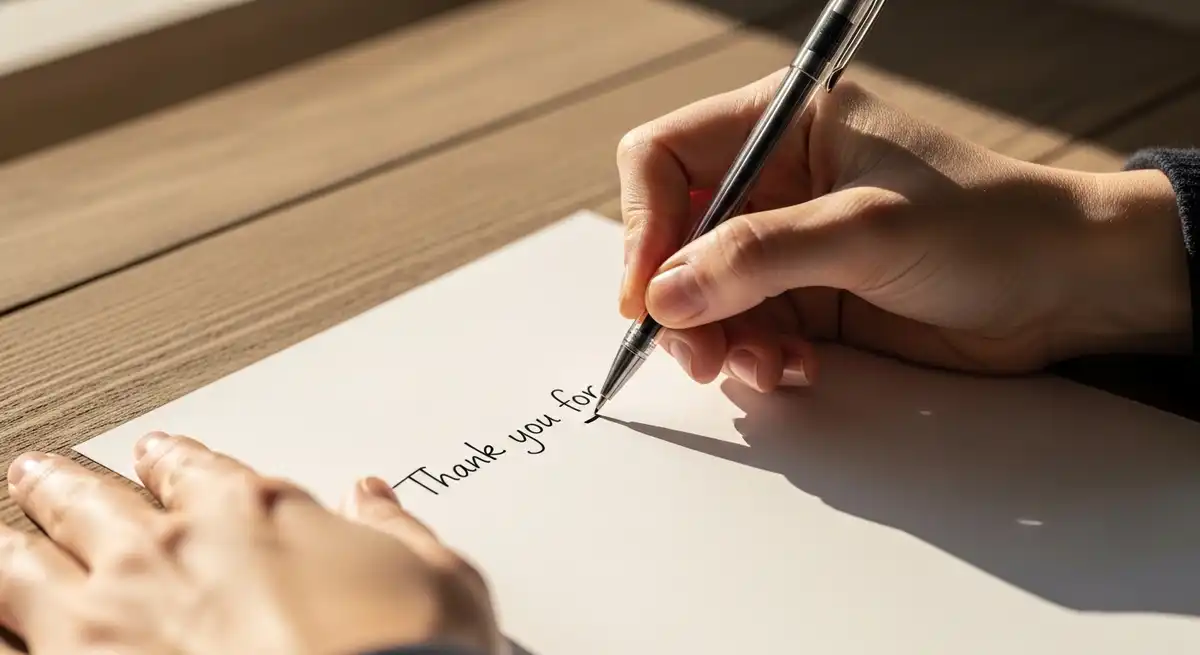
Social gratitude does not require direct communication to be meaningful. Many people write gratitude letters that are never shared, using the process primarily for reflection. This approach allows emotional processing without social pressure, making it accessible across different comfort levels.
Nonsocial Gratitude and Personal Stability
Nonsocial gratitude focuses on appreciation for experiences, environments, or personal capacities rather than specific people. Common examples include gratitude for predictable routines, access to information, or moments of quiet. This form of gratitude supports a sense of stability during periods of social or professional strain.
Lifestyle guidance often highlights nonsocial gratitude as grounding. It helps people recognize supports that remain present even when relationships or circumstances feel uncertain. This recognition can provide a quiet form of reassurance.
Nonsocial gratitude is frequently integrated into journaling practices. Writing about tangible supports encourages specificity, which helps maintain engagement. Vague or repetitive entries often lose meaning, while detailed observations remain relevant over time.
Gratitude Journaling as a Reflective Habit
Gratitude journaling is one of the most commonly used gratitude practices in wellness education. It usually involves writing brief reflections about positive or supportive aspects of the day. The focus is on reflection rather than creativity or emotional expression.
Research-informed guidance suggests that depth matters more than quantity in gratitude journaling. Writing about one experience in detail often supports stronger emotional processing than listing many items quickly. This depth encourages savoring, which involves staying with positive moments long enough to register them clearly.
Gratitude journaling is typically recommended in short, consistent sessions rather than long, occasional ones. Five to ten minutes is often described as sufficient. This time frame supports habit formation without creating pressure.
Mental Subtraction as a Gratitude Technique
Mental subtraction involves imagining life without a positive element that is currently present. This technique is used to counter the tendency to take stable aspects of life for granted. Wellness educators describe it as a perspective exercise rather than an emotional one.
By considering absence instead of presence, mental subtraction reframes ordinary supports as meaningful. For example, imagining daily life without reliable transportation or communication highlights their value. This shift can deepen appreciation without requiring positive emotions.
Mental subtraction is generally used occasionally rather than daily. Overuse may reduce its effect or feel mentally tiring. When practiced thoughtfully, it refreshes awareness of stability within changing circumstances.
The Three Good Things Practice Explained Safely
The Three Good Things practice involves identifying three experiences that went reasonably well during the day and briefly noting why they happened. This practice is widely used in educational wellbeing programs and workplace wellness initiatives. Its simplicity makes it accessible across age groups.
The focus is on ordinary, realistic events rather than major achievements. Examples include finishing a task, receiving help, or noticing a pleasant moment. This emphasis keeps the practice grounded in everyday life.
Wellness educators often describe this practice as a way to balance negativity bias. By consistently noticing positive experiences, attention becomes more evenly distributed over time. The goal is awareness, not constant optimism.
Gratitude and Pre-Sleep Reflection
Gratitude practices are often included in evening routines to support calmer pre-sleep mental states. Reflecting on positive aspects of the day can reduce repetitive worry, which commonly interferes with sleep. This effect relates to attention redirection rather than relaxation techniques.
Pre-sleep gratitude usually involves quiet writing or mental review in a low-stimulation setting. Bright screens and multitasking are discouraged. The emphasis is on mental closure rather than analysis.
People often adapt this practice to their energy levels. Some prefer writing, while others reflect mentally. Both approaches are considered suitable within lifestyle guidance, as consistency matters more than format.
Practicing Gratitude During Low Emotional Periods
Periods of low mood or emotional fatigue can make gratitude feel forced or inaccessible. Wellness educators emphasize that gratitude does not require positive emotions to function as a practice. Neutral or mechanical engagement is often enough to begin.
During such periods, gratitude may focus on functional aspects of life rather than emotional highlights. Examples include access to rest, food, or routine. This approach reduces emotional pressure while maintaining mental engagement.
Gratitude during low mood is framed as supportive rather than corrective. It does not replace professional care and is not positioned as a solution. Instead, it offers a gentle structure that can coexist with other forms of support.
Avoiding Toxic Positivity in Gratitude Practices
Toxic positivity refers to pressure to maintain positive emotions regardless of circumstances. Gratitude practices can unintentionally contribute to this pattern if framed poorly. Responsible wellness education clearly separates gratitude from emotional suppression.
Healthy gratitude allows recognition of difficulty alongside appreciation. It does not require reframing hardship as beneficial or minimizing pain. This balanced approach supports emotional honesty.
Educators often suggest paying attention to emotional responses during gratitude practices. If guilt or pressure arises, adjustments may be needed. Flexibility is essential for safe, sustainable routines.
Gratitude, Guilt, and Emotional Boundaries
Some people experience guilt rather than appreciation when practicing gratitude, especially in relational contexts. This response often reflects perceived obligation rather than genuine recognition. Differentiating gratitude from indebtedness supports emotional clarity.
Gratitude acknowledges benefit without demanding repayment. Indebtedness implies imbalance and pressure. Wellness guidance encourages treating gratitude as personal reflection rather than a social contract.
Clear boundaries help gratitude remain supportive rather than burdensome. When gratitude feels heavy, shifting focus to neutral or nonsocial supports can restore balance.
Everyday Mindfulness and Savoring
Mindfulness-based savoring involves paying deliberate attention to sensory experiences in daily life. This practice complements gratitude by grounding awareness in the present. Examples include noticing texture, temperature, or sound during routine activities.
Savoring does not require extended meditation or stillness. It can be practiced briefly while eating, walking, or resting. This accessibility suits busy schedules.
When combined with gratitude, savoring anchors appreciation in lived experience rather than abstract thought. This pairing supports emotional steadiness without added complexity.
Gratitude for Ordinary Contributors
Daily life depends on many people whose efforts often go unnoticed. Reflecting on these contributors broadens social awareness. Examples include transport workers, sanitation staff, and service providers.
This practice encourages humility and recognition of shared effort. It can reduce feelings of isolation or self-reliance pressure. Lifestyle educators describe it as socially grounding.
Acknowledging ordinary contributors does not require interaction. Quiet recognition through reflection or writing is enough. This supports appreciation without obligation.
Gratitude in Parenting and Working Life
Parents and working individuals often manage competing demands that limit time for self-care. Gratitude practices are frequently adapted to fit brief pauses rather than extended routines. This flexibility supports consistency.
In parenting contexts, gratitude may involve recognizing small moments of cooperation or effort. These reflections help balance constant problem-solving and support patience.
For working professionals, gratitude practices are often tied to transitions such as commuting or task completion. These moments act as natural cues for reflection, supporting habit formation without extra time.
Cultural and Accessibility Considerations
Gratitude practices are culturally adaptable and do not require specific belief systems. They can be practiced privately or communally depending on context. This adaptability supports inclusivity.
Accessibility considerations include literacy, time, and emotional capacity. Practices may be written, verbal, or mental. Choice is emphasized rather than prescription.
Gratitude practices are financially accessible and require no special tools. This simplicity supports equity in wellness education.
Frequently Asked Questions
Does gratitude actually change the brain
Gratitude is associated with activity in brain areas involved in emotional regulation and perspective-taking, based on research studies. These findings describe patterns seen across groups rather than guaranteed outcomes for individuals. Gratitude is generally understood as a supportive mental habit rather than a neurological intervention.
What is the most effective gratitude practice
There is no single gratitude practice that works best for everyone. Journaling, gratitude letters, and reflective exercises are all commonly used. Effectiveness usually depends on consistency, comfort, and how realistically the practice fits into daily routines.
How long does it take for gratitude practices to feel helpful
Many people notice subtle shifts within a few weeks of consistent practice. Timelines vary based on circumstances and expectations. Gratitude is typically framed as a gradual habit rather than a quick emotional change.
Can gratitude be practiced during depression
Gratitude can be practiced during low mood in a neutral, non-emotional way. It is commonly used as a supportive habit alongside professional care. Gratitude practices are not positioned as treatment or a replacement for mental health support.
What is the difference between gratitude journaling and gratitude letters
Gratitude journaling focuses on regular personal reflection, while gratitude letters emphasize appreciation toward specific people. Both approaches are used in wellbeing education. Choice often depends on emotional readiness and personal preference.
How does gratitude relate to sleep quality
Gratitude practices before bedtime may reduce repetitive thinking by shifting attention. This mental shift is often associated with calmer pre-sleep states. Gratitude is considered a supportive routine rather than a sleep treatment.
What is a gratitude trap
A gratitude trap occurs when gratitude is used to suppress valid emotions or avoid acknowledging difficulty. Responsible practice allows appreciation and discomfort to coexist. Awareness of emotional responses helps prevent unhealthy patterns.
Is writing necessary for gratitude to work
Writing often deepens reflection, but it is not required. Mental reflection and verbal acknowledgment are also commonly used. Intentional attention matters more than format.
Why do some people feel guilt instead of gratitude
Guilt may arise when gratitude is linked to obligation or comparison. Differentiating appreciation from indebtedness helps reduce this response. Healthy gratitude supports recognition without pressure.
How many things should be noted in a gratitude practice
Most guidance suggests focusing on one to three experiences. Depth and specificity are generally more helpful than quantity. This approach supports sustained engagement.
Conclusion
Gratitude practices that lift your mood are best understood as steady, realistic habits rather than emotional solutions. They support awareness, balance, and perspective within everyday life without minimizing difficulty. Practiced gently and consistently, gratitude becomes part of a broader lifestyle approach to emotional wellbeing.
Medical Disclaimer
This content is for informational purposes only and does not constitute medical or mental health advice. It is not intended to diagnose, treat, cure, or prevent any condition. Consult a qualified healthcare professional for personal health concerns or before making lifestyle changes.
For wider background on this, see the National Heart, Lung, and Blood Institute on sleep.