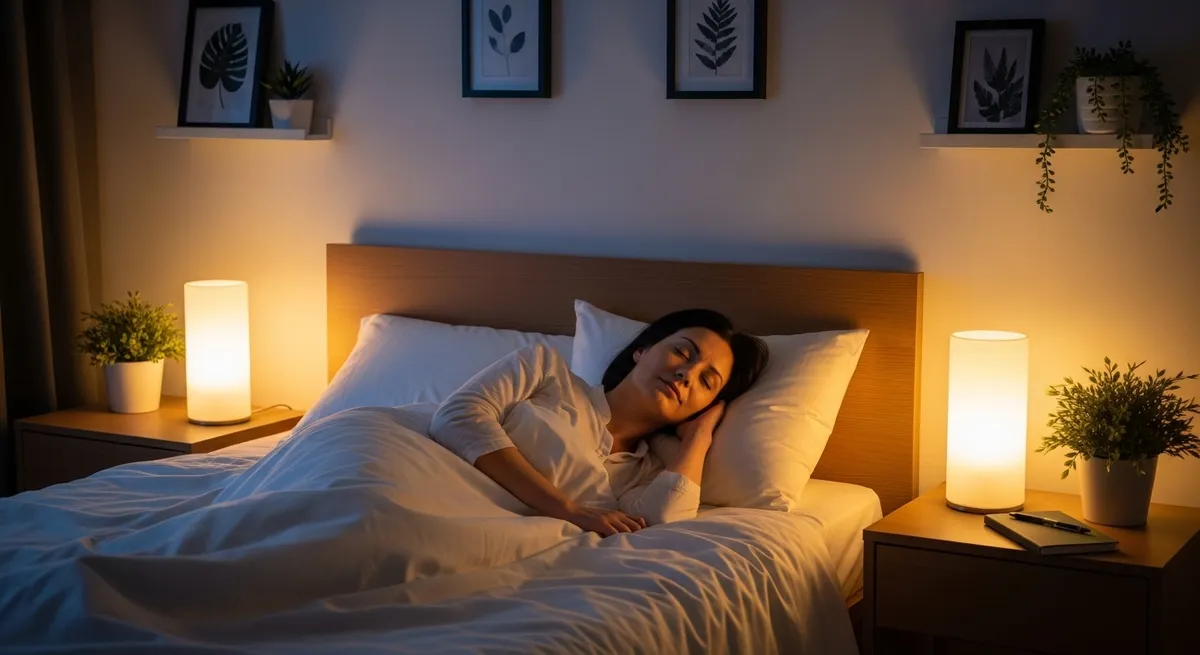
Sleep challenges are a common part of modern life, especially for people balancing work, family responsibilities, and daily pressures. A busy mind often continues processing thoughts late into the night, which can delay rest and create frustration. Simple practices like affirmations are widely used to support relaxation and help the mind settle before sleep.
Affirmations are not a medical solution, but they are often used as a supportive mental habit to guide attention toward calm and steady thinking. Many people include them in their nighttime routine to create consistency and emotional balance. With regular use, affirmations can help shift focus away from stress and toward a more peaceful state.
22 Powerful Affirmations for Better Sleep: Understanding Sleep Challenges and the Busy Mind
Overthinking at night is commonly linked to the brain trying to process unfinished thoughts in a quiet setting. Without distractions, the mind often revisits worries, plans, or past events. This mental activity can increase alertness and make it harder for the body to relax naturally.
Stress responses can feel stronger at night because the body is no longer engaged in daily tasks. The mind becomes more aware of tension, which may affect the body’s readiness for sleep. Many wellness educators explain that calming routines can help the brain transition from activity to rest over time.
Affirmations are often used as a simple way to guide attention during this transition. Repeating calming statements helps interrupt repetitive thinking patterns and replaces them with more stable thoughts. This approach is commonly included in everyday wellness routines that support better sleep habits.
How Affirmations Support Restful Sleep
Affirmations are commonly associated with improving emotional awareness and reducing mental tension before bedtime. They encourage the mind to focus on steady and calming ideas rather than stress or uncertainty. This shift can make it easier for the body to prepare for rest.
Consistency plays an important role in how affirmations influence thinking patterns. When practiced regularly, they become familiar signals that the brain recognizes as part of a bedtime routine. This familiarity supports a smoother mental transition from wakefulness to relaxation.
Affirmations can also support a sense of emotional safety, which is important for sleep readiness. When the mind feels settled, the body is more likely to relax without resistance. This connection between mental calmness and physical ease supports more consistent sleep over time.
22 Affirmations for Better Sleep with Meaning and Context
1. I release the worries of today and embrace peaceful rest.
This affirmation focuses on mentally closing the day before sleep. Many people carry unfinished thoughts or stress into the night, which can keep the mind active. Repeating this statement helps shift attention away from daily concerns and encourages a sense of completion.
Letting go of the day’s events creates space for relaxation and mental quiet. This practice is often used to reduce rumination and support emotional balance. Over time, it can help build a healthier boundary between daytime activity and nighttime rest.
2. My mind is calm, my body is relaxed, and I am ready for sleep.
This statement connects mental calmness with physical relaxation, both of which are important for restful sleep. When the mind slows down, the body often follows by reducing tension. This connection supports a smoother transition into a relaxed state.
Repeating this affirmation encourages awareness of how the body feels before sleep. It helps guide attention toward relaxation rather than restlessness. Many people use this approach to prepare both mind and body for a restful night.
3. I am safe, I am loved, and I am at peace.
This affirmation centers on emotional reassurance and comfort. Feeling safe is often linked to the body’s ability to relax and prepare for rest. When the mind senses security, it reduces internal tension.
Repeating this statement can support a calm emotional state before bedtime. It helps create a sense of stability that encourages relaxation. This can be especially useful during periods of emotional stress or uncertainty.
4. Sleep comes easily to me, and I welcome deep, restful slumber.
This affirmation promotes an accepting attitude toward sleep instead of forcing it. Trying too hard to sleep can sometimes increase frustration and delay rest. A gentle mindset often supports better outcomes.
By repeating this statement, the focus shifts from effort to ease. This approach helps reduce pressure and supports a more natural sleep process. Over time, it can help reshape how sleep is perceived.
5. I let go of all stress and tension as I prepare for sleep.
This affirmation highlights the importance of releasing both mental and physical tension. Stress can remain in the body even after daily tasks are completed. This can interfere with relaxation.
Repeating this phrase brings attention to areas of tension and encourages release. It is often paired with slow breathing or relaxation exercises. This combination can support a calmer state before sleep.
6. My heart is light, and my thoughts are gentle.
This statement encourages a softer internal dialogue before sleep. Harsh or critical thoughts can increase mental activity and delay rest. Gentle thinking supports emotional ease.
Focusing on lighter thoughts can help reduce mental pressure. This approach is often associated with improved emotional balance. Over time, it can support a more peaceful mindset before bedtime.
7. I deserve rest, relaxation, and peaceful sleep.
This affirmation reinforces the importance of rest as part of daily wellbeing. Some individuals may delay sleep due to work habits or a sense of responsibility. This can create imbalance over time.
Repeating this statement supports the idea that rest is necessary and valid. It helps reduce internal resistance to sleep. This can encourage healthier nighttime habits.
8. My body is healing, and my mind is recharging as I sleep.
This affirmation highlights the natural restorative role of sleep. During rest, the body and mind go through processes that support recovery. Recognizing this can shift how sleep is viewed.
Focusing on renewal creates a more positive mindset around bedtime. This perspective can reduce frustration related to sleep challenges. It supports consistency in sleep routines.
9. I am grateful for today and trust that tomorrow will be beautiful.
Gratitude is often used to shift attention away from stress toward positive experiences. Reflecting on the day can help reduce mental clutter. This supports a calmer state before sleep.
Trusting the future reduces the need to plan or worry at night. This approach encourages emotional balance. It is commonly included in relaxation routines.
10. I surrender to the night and welcome tranquility.
This affirmation focuses on letting go of control. Trying to force sleep can create additional tension. A relaxed mindset supports natural rest.
Surrendering allows the body to follow its own rhythm. This reduces resistance and supports calmness. It is often helpful for those who struggle with sleep pressure.
11. My breath is slow, steady, and soothing.
Breathing patterns influence how the body responds to stress. Slow breathing is often associated with relaxation. This affirmation brings attention to that rhythm.
Focusing on breathing can help anchor the mind in the present. This reduces distractions and supports calmness. It is a common part of many relaxation techniques.
12. I am surrounded by warmth, comfort, and love.
This statement encourages a sense of emotional safety and support. Feeling comfortable can help reduce tension before sleep. A calm environment supports this process.
Visualizing comfort can enhance relaxation. This mental image supports emotional ease. It is often used to create a peaceful bedtime experience.
13. My thoughts slow down, and I enter a deep state of relaxation.
This affirmation addresses racing thoughts, a common sleep challenge. Slowing down thinking helps the mind prepare for rest. This shift supports relaxation.
Visualizing slower thoughts can guide the mind toward calmness. This approach helps reduce mental activity. Over time, it can support consistent sleep patterns.
14. I trust that everything is working out as it should.
This statement reduces the need to solve problems at night. Worry often comes from uncertainty and lack of control. Trusting the process can reduce this tension.
Letting go of control supports emotional balance. This helps the mind relax more easily. It is often used to reduce nighttime worry.
15. I allow myself to fully rest without guilt or worry.
This affirmation supports acceptance of rest without pressure. Some individuals feel the need to stay productive even at night. This can interfere with sleep.
Allowing rest helps reduce internal resistance. This creates a more relaxed mindset. It supports healthier sleep habits.
16. My dreams are peaceful, and my sleep is deep.
This affirmation sets a positive tone for sleep. Focusing on peaceful rest can reduce anxiety about sleep quality. This supports relaxation.
Positive expectations can influence mental state. This helps create a calm environment. It supports better sleep experiences.
17. I am free from all tension, and my body feels light.
This statement promotes awareness of physical relaxation. Tension can remain in the body and affect sleep. Lightness is often linked to relaxation.
Imagining tension leaving the body can support comfort. This helps prepare the body for rest. It is often used in relaxation practices.
18. Each breath I take fills me with calm and serenity.
This affirmation combines breathing with emotional calmness. It encourages mindfulness of each breath. This supports focus.
Breathing awareness helps reduce distractions. This keeps attention in the present moment. It supports relaxation before sleep.
19. I let go of all that no longer serves me.
This statement encourages releasing unnecessary thoughts or emotions. Holding onto them can affect sleep quality. Letting go creates mental space.
This practice supports clarity and calmness. It reduces mental load before bedtime. Over time, it can improve sleep routines.
20. I welcome tomorrow with a refreshed and open heart.
This affirmation shifts focus from worry to acceptance. Thinking about the next day can create stress. A balanced outlook helps reduce this.
Welcoming the future supports emotional ease. This reduces anticipatory tension. It helps prepare the mind for rest.
21. My bed is a place of safety, comfort, and deep relaxation.
This statement reinforces the connection between bed and rest. Consistent associations support better sleep habits. The brain learns to recognize this pattern.
Feeling safe in the sleep environment supports relaxation. This helps improve sleep readiness. It is a key part of sleep hygiene.
22. As I close my eyes, I drift effortlessly into restorative sleep.
This affirmation supports a gentle transition into sleep. It emphasizes ease rather than effort. This reduces pressure.
Repeating this statement creates a calming routine. Over time, it becomes a mental cue for rest. This supports consistent sleep patterns.

Building a Safe and Consistent Bedtime Routine
A consistent bedtime routine helps signal the body that it is time to rest. Simple actions like dimming lights and reducing screen time can support this transition. These habits are often combined with affirmations for better results.
Practicing affirmations in a quiet and comfortable setting allows the mind to focus. Repeating them slowly helps build a sense of calm. This structured approach supports relaxation before sleep.
Consistency is important for any routine. Practicing affirmations regularly helps create familiarity. Over time, this can support a smoother sleep experience.
Lifestyle Factors That Support Better Sleep
Sleep quality is influenced by both mental and physical factors. A comfortable sleep environment supports relaxation and rest. This includes proper lighting, temperature, and minimal distractions.
Reducing stimulating activities before bed can help the body relax. Activities like screen use or intense work may delay sleep. Replacing them with calming habits supports better rest.
Daily habits also affect sleep patterns. Regular routines, balanced meals, and physical activity support overall wellbeing. These factors work together to improve sleep quality.
Frequently Asked Questions
What are affirmations for better sleep
Affirmations for better sleep are short, calming statements repeated before bedtime to support relaxation. They are commonly used to shift attention away from stress and toward peaceful thoughts. Many people include them in their nightly routine as a simple way to support consistent sleep habits.
Can affirmations help reduce overthinking at night
Affirmations are often used to guide attention away from repetitive thinking patterns. By focusing on calming statements, the mind may feel less overwhelmed. This approach is commonly included in relaxation routines that support a quieter mental state before sleep.
How long should affirmations be practiced before sleep
Affirmations are usually practiced for a few minutes before bedtime, depending on personal preference. Many people use them for five to ten minutes as part of a routine. Consistency over time is often more important than the exact duration.
Are affirmations safe for daily use
Affirmations are generally considered safe as part of a regular wellness routine. They involve simple repetition of calming thoughts without physical strain. Many people use them daily alongside other healthy lifestyle habits.
Can affirmations replace sleep treatments
Affirmations are not a replacement for medical care or treatment. They are considered a supportive practice that may complement healthy habits. Persistent sleep concerns should be discussed with a qualified healthcare professional.
Do affirmations work immediately
Affirmations are usually practiced consistently rather than expecting immediate results. Some people notice a calming effect quickly, while others may take time. They are generally viewed as a gradual support tool.
What is the best time to use sleep affirmations
Sleep affirmations are most often used just before bedtime. This timing helps create a transition from daily activity to rest. Practicing them at the same time each night supports consistency.
Can children or working parents use affirmations
Affirmations are simple and adaptable for different lifestyles. Working parents and children can use them in short, flexible routines. They are often adjusted based on individual needs.
Do affirmations need to be spoken aloud
Affirmations can be spoken aloud or repeated silently. Both methods are commonly used in wellness practices. The choice depends on personal comfort and environment.
Are affirmations part of mindfulness practices
Affirmations are often included in mindfulness routines as a way to guide attention. They support awareness and intentional thinking. This combination is commonly used to promote calmness.
Conclusion
Affirmations for better sleep are a simple and supportive practice used in many daily routines. They help guide attention toward calmness and reduce mental noise before bedtime. With regular use and consistent habits, they can support a more balanced and restful sleep experience over time.
Medical Disclaimer
This content is for informational purposes only and does not constitute medical advice. Consult a qualified healthcare provider before starting any new health routine, especially if you have sleep disorders, ongoing health concerns, or are undergoing medical treatment.
Image Generation Prompts
For wider background on this, see the Greater Good Science Center at UC Berkeley.