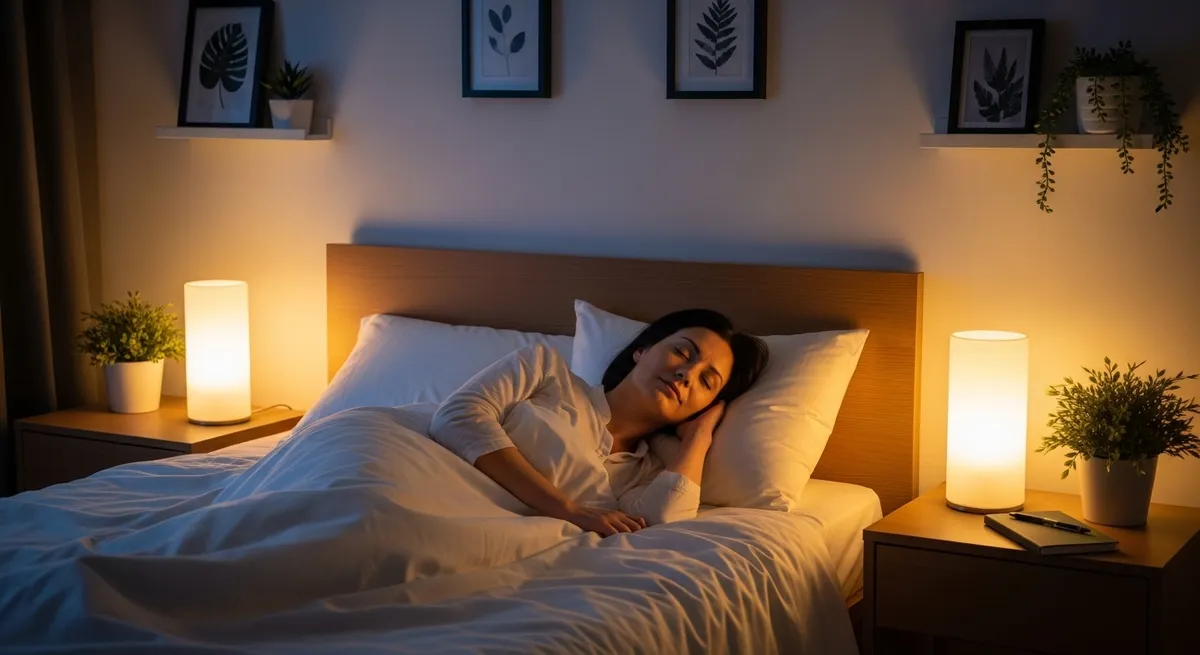
Sleep often feels distant when thoughts keep moving long after the day ends. Many people notice that the effort to fall asleep can create more tension, making rest feel harder to reach. In everyday life, affirmations are commonly used as a gentle mental practice to ease this pressure and support a calmer transition into sleep.
18 Powerful Affirmations for Sleep: Understanding 18 Affirmations for Sleep in Daily Life
Affirmations for sleep are short, intentional statements repeated to guide attention toward calm and acceptance. People often use them at night to shift focus away from worry and toward steady, grounded thoughts. This simple mental habit is widely seen as a way to create a quieter internal environment before rest.
Using affirmations does not force sleep to happen. Instead, it changes how the mind responds to bedtime by reducing urgency and mental resistance. Over time, consistent repetition helps build familiarity with calm thinking patterns, which can make sleep feel more natural and less effort-driven.
The Role of Thought Patterns in Sleep Quality
Thought patterns strongly influence how the body prepares for rest. When the mind keeps replaying concerns or planning ahead, the body may stay alert instead of relaxing. In daily routines, calming these thought cycles is often considered a practical step toward better sleep readiness.
Affirmations support this shift by gently redirecting attention. Rather than stopping thoughts completely, they offer a steady alternative that feels easier to follow. With regular use, this approach can help reduce the intensity of repetitive thinking and make bedtime feel less overwhelming.
How Affirmations Support Calm and Rest
Affirmations are often paired with slow breathing or quiet sitting to support relaxation. Repeating them at a steady pace allows attention to settle into the present moment instead of moving between past and future concerns. This shift is commonly associated with a calmer state before sleep.
Many people include affirmations as part of a nightly wind-down routine. Simple changes like dim lighting, reducing screen exposure, and creating a quiet space can enhance their effect. Over time, these combined habits signal the body that it is time to rest, making sleep transitions smoother.
18 Affirmations for Sleep Explained Clearly
1. Where I am is okay
This affirmation supports accepting the present moment without trying to change it. Many people carry a quiet pressure to feel different before sleeping, which can create tension. By allowing things to be as they are, the mind begins to settle, making it easier to move toward a calm and restful state.
2. Each deep breath calms me
Breathing is a steady rhythm that the body follows naturally throughout the day. Bringing attention to each breath helps slow mental activity and creates a sense of ease. Repeating this affirmation while breathing slowly can support a gentle shift from alertness to relaxation before sleep.
3. Sleep restores my body
Rest is widely understood as a time when the body carries out important repair processes. This affirmation reinforces trust in that natural function without focusing on how long sleep lasts. Many people find that this perspective reduces worry and supports a more relaxed approach to bedtime.
4. I am safe right now
A sense of safety allows the body to move away from alertness and toward rest. This affirmation reminds the mind that there is no immediate threat in the present moment. When repeated calmly, it can help reduce unnecessary tension and support a more settled state before sleep.
5. I release today’s stress
Daily experiences often stay in the mind even after the day ends. This affirmation encourages a clear mental shift from activity to rest. By imagining stress leaving the body, many people find it easier to reduce overthinking and create space for sleep.
6. My mind is at ease
This statement gently guides attention toward a calmer mental state. Instead of forcing silence, it offers a softer direction that feels more natural. With repeated use, it can help create familiarity with a relaxed mindset that supports better sleep habits over time.
7. Rest comes naturally
Sleep is a natural process that does not require force. This affirmation helps reduce the pressure of trying to sleep, which often creates resistance. Many people notice that when they step back from effort, rest becomes easier to access.

8. I trust my body
The body follows natural rhythms that guide sleep and wake cycles. This affirmation reinforces confidence in those rhythms rather than questioning them. Over time, this sense of trust can reduce anxiety around sleep and support more consistent rest patterns.
9. Stillness feels peaceful
Quiet moments can feel unfamiliar when the mind is used to constant activity. This affirmation reframes stillness as something calming rather than uncomfortable. With practice, many people begin to associate quiet with relaxation, which supports a smoother transition into sleep.
10. I allow sleep to happen
Trying to control sleep can make it more difficult to achieve. This affirmation encourages a mindset of permission rather than effort. By allowing sleep instead of chasing it, the mind can relax, which supports a more natural flow into rest.
11. So Hum
“So Hum” is a traditional sound linked with breathing awareness. It is often repeated silently, with “So” during inhalation and “Hum” during exhalation. This steady rhythm can help create a focused and calming mental pattern that supports relaxation before sleep.
12. Om Shanti Shanti Shanti
This phrase is traditionally associated with peace and calmness. Repeating it slowly helps create a sense of balance and quiet in the mind. Many people use it as a way to settle emotional tension and prepare for rest.
13. I am grounded
Grounding brings attention back to the present moment. This affirmation is often used to reduce scattered thinking and create a sense of stability. Feeling mentally anchored can help the body relax more easily at night.
14. I observe thoughts calmly
Thoughts often continue even when the body is ready for sleep. This affirmation encourages noticing them without reacting or getting involved. Over time, this approach can reduce the intensity of thinking and support a calmer mental state.
15. I let go completely
Letting go involves releasing both mental and physical tension. This affirmation supports the idea of relaxing control and allowing rest to come naturally. Many people use it to ease into a deeper state of relaxation before sleep.
16. My body relaxes deeply
This statement focuses attention on physical relaxation. Bringing awareness to different parts of the body can help release built-up tension. When paired with this affirmation, it can support a gradual shift into a more restful state.
17. Tomorrow can wait
Planning and worrying about the next day often continues into the night. This affirmation helps create a boundary between present rest and future tasks. By postponing concerns, the mind can settle more easily.
18. I welcome rest
This final affirmation reflects openness toward sleep rather than resistance. Accepting rest as a natural and supportive state can reduce anxiety around bedtime. Many people find that this mindset helps create a calmer and more positive sleep experience.
Integrating Affirmations into Night Routines
Affirmations tend to work best when they are part of a consistent evening routine. Repeating the same steps each night helps signal to the body that it is time to slow down. Over time, this pattern can support more stable sleep habits.
Simple actions such as lowering lights, reducing noise, and setting aside devices can enhance this routine. When combined with affirmations, these changes create a clear transition from activity to rest. Consistency plays an important role in how effective this practice feels.

Mindfulness and Lifestyle Balance for Better Sleep
Mindfulness involves paying attention to the present moment without judgment. When used before sleep, it helps reduce mental clutter and supports calm awareness. Many people combine mindfulness with affirmations to create a steady and quiet mental rhythm at night.
Lifestyle balance also affects how easily the mind settles at bedtime. Busy schedules, responsibilities, and constant stimulation can carry into the night. Creating small pauses during the day can reduce this buildup and support a more relaxed evening experience.
Relevance for Parents and Working Individuals
Parents and working individuals often manage multiple responsibilities that extend into late hours. This can make it difficult to switch off mentally before sleep. Affirmations offer a simple and accessible way to create a boundary between daily demands and rest time.
Even a few minutes of repetition can provide a sense of closure for the day. This practice does not require special tools or long preparation. Over time, it can help create a more consistent and calming bedtime routine.
Frequently Asked Questions
Do affirmations really help you fall asleep?
Affirmations are commonly used to support a calmer mindset before sleep. They help shift attention away from worry and toward steady thoughts. Many people find that regular practice reduces mental tension and supports a smoother transition into rest.
What is the most effective sleep affirmation?
The most effective affirmation is usually one that feels natural and believable. Simple phrases tend to be easier to repeat and accept. Choosing a statement that matches your current state can support consistency and comfort in practice.
How can I reduce racing thoughts at night?
Racing thoughts can be managed by gently redirecting attention rather than trying to stop thinking completely. Affirmations and slow breathing are often used together for this purpose. Writing down concerns before bed can also help reduce ongoing mental activity.
Can affirmations be used daily for sleep?
Affirmations are often practiced daily as part of a consistent routine. Repeating them regularly helps create familiarity and ease with the process. Many people include them in their nightly wind-down period.
Are affirmations a replacement for sleep techniques?
Affirmations are usually used alongside other lifestyle habits that support sleep. They complement routines such as maintaining consistent sleep times and creating a calm environment. This combined approach is commonly seen as more supportive.
How long does it take for affirmations to feel effective?
The effect of affirmations can vary depending on consistency and individual experience. Some people notice a calming effect quickly, while others observe gradual changes. Regular use is generally associated with more noticeable results over time.
Why does the mind feel more active at night?
The mind often becomes more active at night because external distractions are reduced. This allows thoughts from the day to surface more clearly. Affirmations are commonly used to manage this increased mental activity.
Is it necessary to believe affirmations for them to work?
Belief can influence how comfortable affirmations feel during practice. Choosing realistic statements is often recommended. This approach supports consistency and reduces resistance.
Can affirmations be combined with breathing techniques?
Affirmations are frequently combined with slow breathing to support relaxation. This pairing helps align mental focus with physical calmness. Many people find this combination useful in their nightly routine.
Are affirmations suitable for children and families?
Affirmations are generally simple and adaptable for different age groups. Families may include them in bedtime routines. This shared practice can help create a calm and consistent transition into sleep.
Conclusion
Affirmations for sleep are a simple and widely used way to support calm thinking before bedtime. They help guide attention toward acceptance and steady awareness without forcing results. When practiced consistently alongside balanced routines, they can contribute to a more peaceful and reliable sleep experience over time.
Medical Disclaimer
This content is for informational purposes only and does not constitute medical advice. Consult a qualified healthcare provider before starting any new wellness practice, especially if you have sleep disorders, anxiety, or other health conditions.
Image Generation Prompts
For wider background on this, see the Greater Good Science Center at UC Berkeley.