Gratitude is often described as a positive outlook, but in daily life it functions more as a practical awareness habit. Many people juggle work, family care, household demands, and constant digital input, which can quietly drain emotional energy. In that context, gratitude rituals are commonly used as steady lifestyle supports that help bring balance without requiring extra time, motivation, or emotional effort.
In wellness education, gratitude is explained as the skill of noticing supportive elements that already exist, even on demanding days. This does not mean ignoring pressure, fatigue, or frustration. Instead, it offers a structured way to widen attention so the mind is not locked only on problems, urgency, or unfinished tasks.
The gratitude rituals below are widely practiced because they are simple, adaptable, and realistic. They are not presented as solutions or treatments. They are everyday habits many people use to support emotional steadiness, perspective, and a calmer relationship with daily responsibilities.
Gratitude rituals: Understanding why gratitude rituals influence mood
Gratitude rituals are commonly discussed in relation to how the brain processes attention and emotional signals. Research suggests that focusing on appreciation activates reward-related brain regions linked with dopamine, a neurotransmitter involved in motivation and emotional tone. This shift helps move attention away from constant alertness and toward signals of safety and support.
Gratitude practices are also associated with reduced activity in the amygdala, an area involved in stress responses. This does not remove stressors, but it may soften emotional reactivity and help people respond more thoughtfully. Over time, repeated attention to positive experiences can support neuroplasticity, the brain’s ability to strengthen certain thinking patterns.
Another important factor is negativity bias, the tendency to focus more on what feels wrong than what feels stable. Gratitude rituals counterbalance this bias by gently redirecting awareness toward moments of care, effort, or connection that might otherwise pass unnoticed during busy days.
Ritual 1: The Morning Whisper before movement
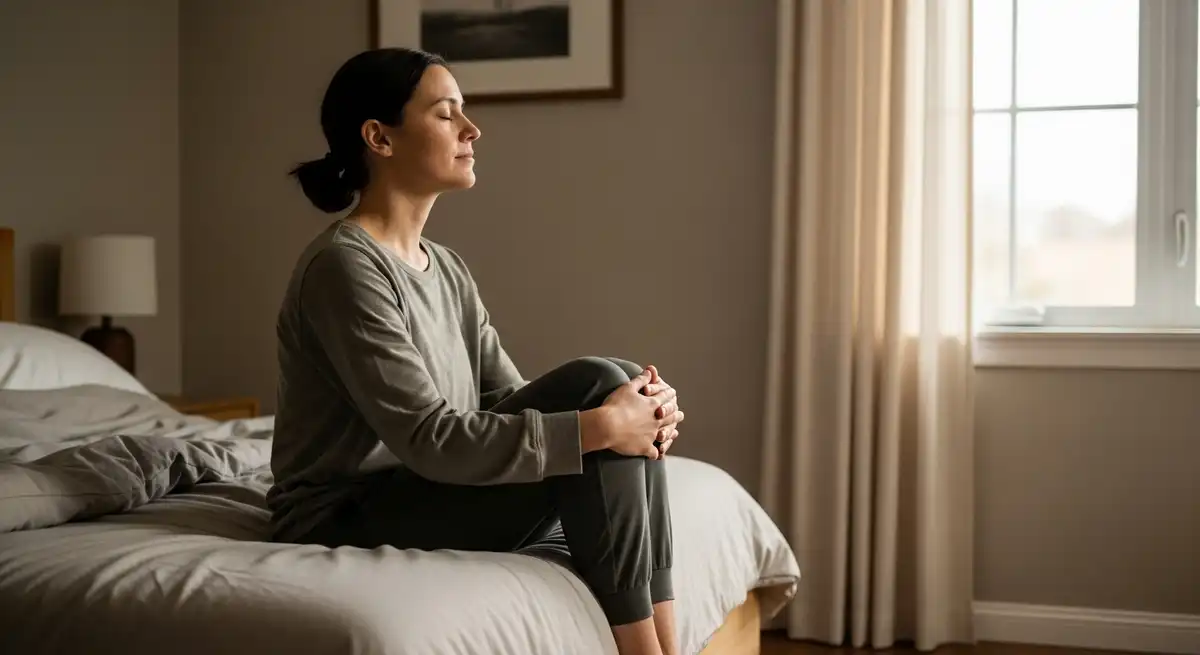
The Morning Whisper ritual involves acknowledging three specific things you feel thankful for immediately after waking, before standing up or checking a phone. This practice is often used to set an emotional tone before responsibilities and information begin competing for attention. Its simplicity makes it easy to maintain even on rushed mornings.
Specificity matters in this ritual. Naming clear details such as warmth, rest, or a supportive person helps the brain form stronger emotional associations. Whispering the words aloud engages hearing and breath, which many people find makes the practice feel more real and grounded.
This ritual is typically used as a gentle replacement for habitual morning complaints. It does not require feeling upbeat or inspired. Many people use it simply to begin the day with neutral appreciation, which can support smoother emotional transitions into work and family tasks.
Ritual 2: The five minute gratitude guided meditation
A short gratitude meditation combines calm breathing with focused appreciation for basic life supports. This practice is commonly used during mornings, breaks, or evenings when mental noise builds. Limiting the session to five minutes keeps it realistic for full schedules.
The meditation often begins with slow breathing, followed by attention on essentials such as breath, shelter, nourishment, or physical safety. Wellness educators often suggest starting with basics because they feel accessible even on difficult days.
This ritual is used as a pause, not a performance. Many people find it helps shift attention from reactive thinking to steadier awareness. It is generally viewed as a supportive habit that fits alongside other lifestyle routines rather than replacing professional support.
Ritual 3: The gratitude countdown method
The gratitude countdown involves naming ten things you appreciate, counting backward from ten to one. This structure is often used when thoughts feel repetitive or stuck. Moving quickly through the list gives the mind less space to loop on complaints.
Speaking the items aloud can strengthen the experience. Vocalizing engages more senses, which may help the appreciation feel more present. Adding a brief reason for each item deepens meaning without turning the ritual into a long reflection.
People often use this ritual during short windows such as commutes or breaks. It is not meant to force optimism. Instead, it creates enough mental space for emotional balance to return.
Ritual 4: The Three Good Things reflection
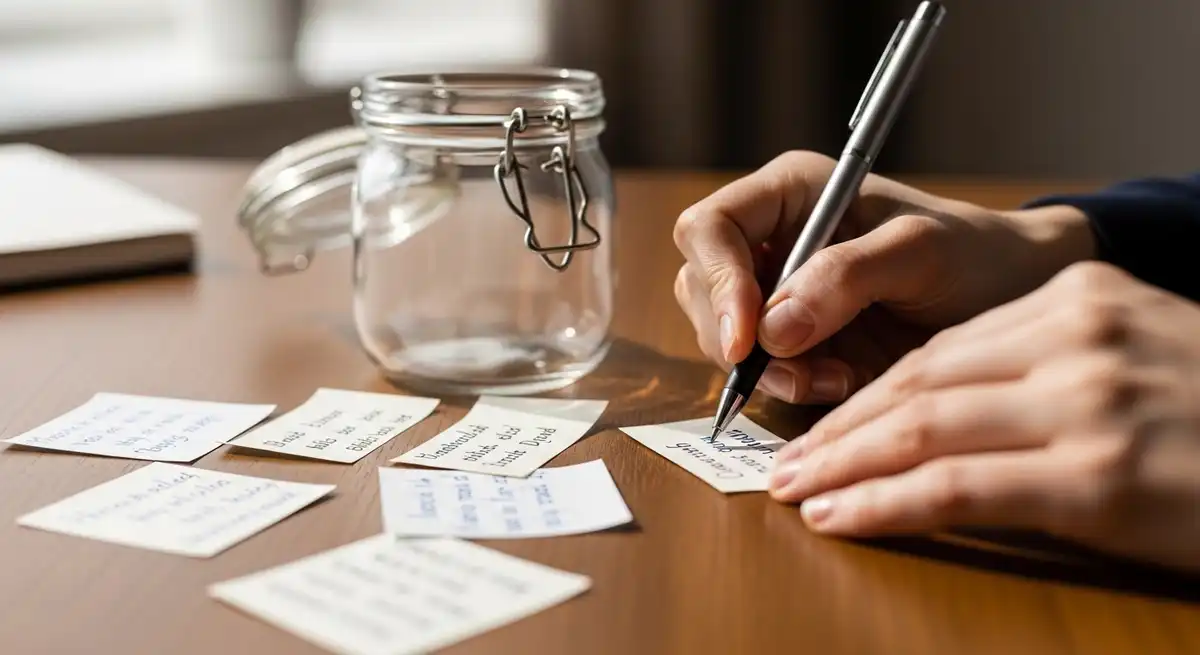
The Three Good Things practice involves writing down three positive moments at the end of the day and noting why they happened. This approach is often used in wellbeing education to strengthen awareness of supportive patterns. It focuses on reflection rather than evaluation.
Identifying causes helps reinforce a sense of agency. For example, recognizing that a kind interaction followed earlier effort can support confidence. This framing encourages balanced thinking without denying daily stress or mistakes.
Many people use this ritual as part of an evening wind-down routine. Writing by hand slows the process and supports focus. Over time, it is often associated with steadier perspective and less emotional carryover into the next day.
Ritual 5: The gratitude visit practice
The gratitude visit involves writing a letter to someone who had a meaningful positive influence and reading it aloud when possible. This ritual is often described as emotionally powerful, yet it remains rooted in everyday human connection rather than performance.
The letter usually focuses on specific actions and their impact. This clarity helps both the writer and recipient understand the relationship’s value. Reading it aloud often strengthens emotional resonance and shared understanding.
This practice is typically approached with care. Many people choose a calm time and prepare for strong emotions. It is considered a supportive relational exercise rather than something meant to be repeated frequently.
Ritual 6: The sensory gratitude walk
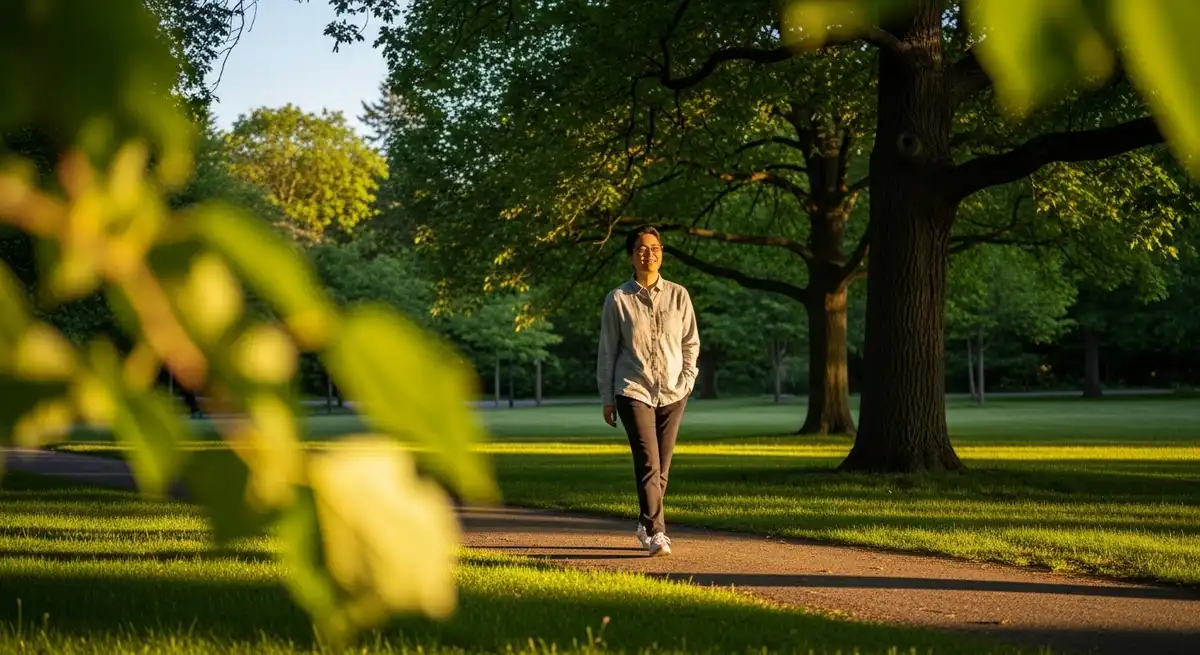
A sensory gratitude walk combines gentle movement with focused awareness of the surroundings. This practice is commonly used to reduce mental overload by shifting attention outward. Walking supports circulation, while sensory focus supports grounding.
During the walk, attention moves through sights, sounds, textures, and temperature. Acknowledging appreciation for these elements helps anchor awareness in the present. Outdoor settings are often preferred, though indoor versions are also used.
People often use this ritual during breaks or transitions between work and home roles. It is considered a flexible lifestyle habit that blends movement and awareness without formal exercise demands.
Ritual 7: The gratitude jar for visual reinforcement
The gratitude jar involves writing one appreciated moment each day on paper and placing it into a visible container. This practice creates a physical record of supportive experiences over time. Watching the jar fill can reinforce continuity and perspective.
Reviewing entries during difficult periods is common. Reading earlier notes can help balance thinking when current circumstances feel heavy. The visual reminder supports emotional steadiness by highlighting moments of care across weeks or months.
Families and workplaces sometimes adapt this ritual for shared use. In those settings, it supports recognition and connection rather than comparison. The structure remains simple and adaptable.
Ritual 8: Handwritten appreciation in the workplace
Handwritten appreciation notes are often used in professional environments to support morale and connection. This practice focuses on specific contributions rather than general praise. Clear recognition helps maintain trust and respect.
Writing by hand encourages thoughtfulness. Acknowledging concrete actions and outcomes helps recipients feel seen without pressure. This form of appreciation is often linked with stronger workplace relationships.
Many people use this ritual occasionally rather than regularly. It is considered a supportive gesture, not a productivity tool. When used sincerely, it contributes to a more respectful work atmosphere.
Ritual 9: Finding lessons within difficult experiences
Grateful reappraisal involves reflecting on past challenges to identify what they contributed to understanding or skills. Wellness education introduces this practice carefully, emphasizing timing and readiness. It does not minimize hardship.
The focus often rests on growth such as boundaries, insight, or resilience. This reframing can reduce emotional charge over time. Many people find it helpful once some distance exists from the experience.
This ritual is usually practiced privately through writing or reflection. Guidance often suggests seeking support when memories remain intense. It is presented as optional, not required.
Ritual 10: The forgiveness focused gratitude practice
Forgiveness-based gratitude practices aim to release personal emotional burden rather than excuse harm. Wellness educators describe forgiveness as an internal process that supports emotional regulation. It is framed as self-directed care.
The practice often includes acknowledging personal strength or support rather than focusing on the other person. Shifting attention inward supports autonomy and steadiness. Gratitude for endurance or learning is commonly emphasized.
Forgiveness practices are typically gradual. They are not suitable for all situations or timelines. Many people combine them with other supports and professional guidance when needed.
Mindfulness principles within gratitude rituals
Mindfulness within gratitude rituals means paying attention deliberately and without judgment. This approach supports clarity by reducing automatic reactions. Observation takes priority over evaluation.
In daily routines, mindfulness helps people notice subtle supportive moments. It does not require silence or calm conditions. Many practice it during movement, conversation, or multitasking.
For parents and working caregivers, mindfulness-based gratitude is often brief. These adaptations support emotional steadiness without adding pressure to already full days.
Gratitude in parenting and working life
Parents and working adults often experience fragmented attention and fatigue. Gratitude rituals are commonly adapted to transitional moments such as school drop-offs or commutes. These adaptations emphasize realism.
In family settings, gratitude practices often focus on shared observation rather than instruction. Children respond more naturally to modeling than structured exercises. Presence matters more than perfection.
In professional life, gratitude habits help maintain perspective during heavy workloads. They are framed as optional supports rather than obligations, respecting individual capacity.
Frequently Asked Questions
What are the best gratitude rituals to start the day? Morning gratitude rituals such as the Morning Whisper or a brief gratitude meditation are commonly used to set emotional tone early. These practices support awareness before demands increase. Many people find them helpful because they fit easily into existing routines without requiring extra time.
How does gratitude influence mood in everyday life? Gratitude influences mood by redirecting attention toward supportive experiences and away from constant threat scanning. This shift is associated with calmer emotional responses. It is generally used as a lifestyle support rather than a solution for emotional distress.
What is the Three Good Things practice? The Three Good Things practice involves writing three positive daily moments and noting why they occurred. It supports reflective awareness and balanced recall. Many people use it as an evening routine to support mental closure after busy days.
Can gratitude support emotional wellbeing during stress? Gratitude is often used during stress because it helps balance attention. It does not remove stressors or replace care. Many people find it helpful alongside other coping strategies and daily routines.
How can gratitude be practiced when motivation is low? Gratitude can be practiced neutrally by focusing on basic supports such as breath or safety. Many people start without strong emotion. Over time, engagement may develop naturally without pressure.
What is a gratitude visit and when is it used? A gratitude visit involves expressing appreciation directly to someone who had a meaningful impact. It is often used sparingly because it can feel intense. Many people prepare carefully and choose a calm time.
Does gratitude change thinking patterns? Gratitude is commonly linked with shifts in attention over time. Repeated practice may support awareness of supportive experiences. These changes are gradual and vary between individuals.
Are there physical wellbeing benefits associated with gratitude? Gratitude is often discussed alongside reduced stress and improved sleep quality. These links reflect lifestyle support rather than medical outcomes. Gratitude is best viewed as complementary to overall health habits.
How can gratitude be approached during difficult life periods? During difficult periods, gratitude often focuses on stability, support, or learning rather than circumstances. This approach respects emotional reality. Many people use it gently and seek added support when needed.
How long does it take for gratitude practices to feel helpful? Some people notice subtle shifts quickly, while others experience gradual change over weeks. Consistency tends to matter more than intensity. Individual experiences vary based on context and routine.
Conclusion
Gratitude rituals work best as steady awareness habits rather than emotional fixes. They do not promise relief from hardship, but they offer ways to notice stability alongside challenge. When used realistically and consistently, gratitude practices can support calmer perspective, emotional steadiness, and appreciation of everyday support systems.
Medical Disclaimer
This content is for informational purposes only and does not constitute medical or mental health advice. It is not intended to diagnose, treat, cure, or prevent any condition. Always consult a qualified healthcare or mental health professional regarding personal health concerns.
For wider background on this, see the National Heart, Lung, and Blood Institute on sleep.