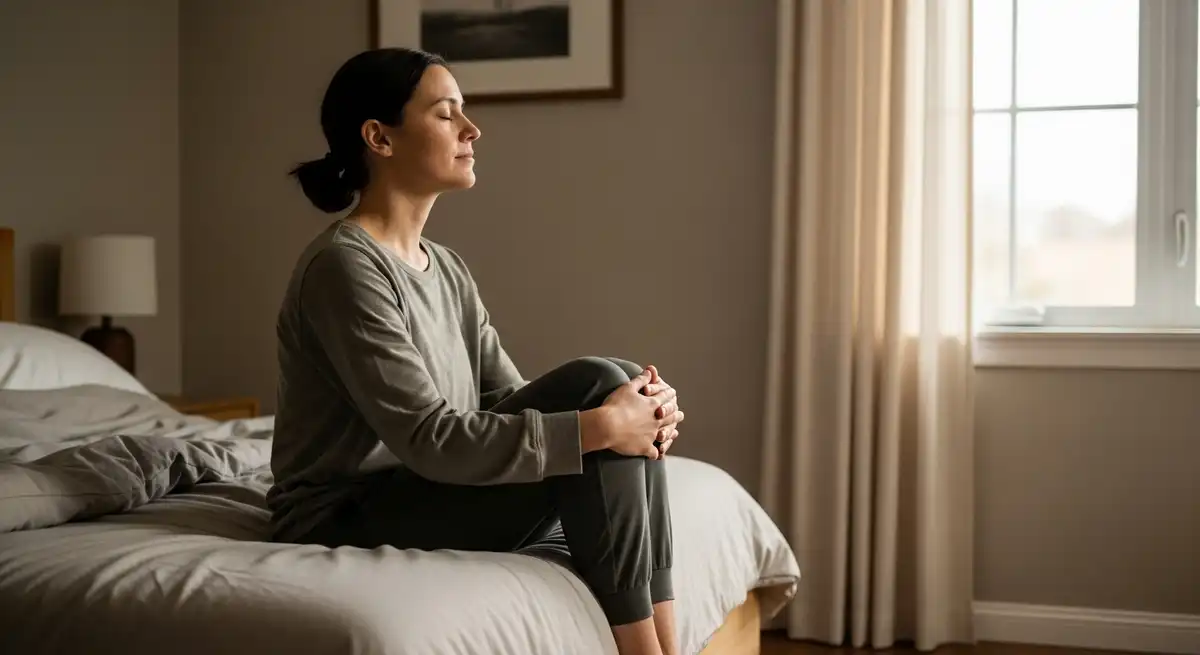
Many people notice their thoughts become louder when the lights go off and daily distractions fade away. The mind often shifts into planning, reviewing, or worrying mode, especially after a full day of responsibilities. This experience is common and reflects how the brain processes unfinished thoughts before rest.
Busy routines, work pressure, and family responsibilities can make it harder to slow down mentally at night. Parents and working professionals often carry mental checklists into bedtime, which can delay relaxation. Gentle tools like affirmations are widely used to support a smoother transition into sleep without adding complexity.
Affirmations are simple, repeated phrases that guide attention toward calm and stability. They are used in many mindfulness-based practices to create a steady mental rhythm. When practiced regularly, they can become part of a predictable and comforting nighttime routine.
Understanding 19 Affirmations for Falling Asleep
Affirmations for falling asleep are short, calming statements repeated to shift focus away from stress and toward relaxation. They are usually phrased in the present tense, which helps the mind feel a sense of safety and immediacy. In everyday life, people use them as a simple mental habit rather than a strict technique.
This practice is often linked with basic mindfulness principles, where attention is guided gently instead of controlled forcefully. Instead of trying to stop thoughts, affirmations provide a stable point of focus. Over time, this repetition can help create a more relaxed mental pattern at bedtime.
Many people include affirmations as part of a wind-down routine that also involves dim lighting and reduced screen exposure. These combined habits signal the body that the day is ending. Consistency in these small steps often supports better sleep preparation than intensity.
The Role of Mind and Body in Nighttime Rest
The body naturally prepares for rest as the day ends, guided by internal rhythms and environmental cues. However, the mind may stay active if it has not had enough time to settle. This difference between physical tiredness and mental alertness can make sleep feel delayed.
Mental activity influences how relaxed the body feels before sleep. When thoughts remain focused on tasks or concerns, the body may stay slightly alert. Gentle practices like affirmations help shift attention toward calmness, supporting a smoother transition into rest.
Breathing patterns also play an important role in relaxation. Slow, steady breathing is often associated with a calmer state. When affirmations are repeated alongside controlled breathing, they can create a rhythm that supports both mental and physical ease.
The 8-Hour Sleep Myth and Core Sleep Understanding
Sleep advice often focuses on achieving eight hours each night, but individual needs can differ. Research shows that essential restorative processes often happen within a core period of sleep, typically between five and seven hours. This understanding helps reduce unnecessary pressure around exact sleep duration.
Focusing too much on the number of hours can create anxiety, especially when sleep does not come easily. This pressure can make the mind more active instead of relaxed. A flexible approach to sleep expectations can support a calmer mindset.
Affirmations can reinforce this balanced perspective by encouraging acceptance rather than perfection. Statements that focus on rest instead of strict timing help reduce urgency. This shift can support a more natural and less stressful sleep experience.
19 Affirmations for Falling Asleep Explained
1. My mind is becoming calm and quiet
This affirmation gently shifts attention away from constant thinking and toward stillness. It reflects a gradual process, allowing the mind to slow down naturally without force. Many people repeat this phrase while lying down to support a steady transition into rest.
2. I release the concerns of today and welcome rest
This statement helps separate daily responsibilities from bedtime. It encourages acknowledging unfinished tasks without carrying them mentally into the night. In daily routines, it supports emotional release and creates a clear boundary between activity and rest.
3. Each breath brings me deeper into relaxation
This affirmation connects mental focus with breathing patterns. It is often practiced alongside slow inhaling and exhaling to create a calming rhythm. Many people use it to support gradual physical and mental relaxation before sleep.
4. My body is heavy, relaxed, and supported
This phrase draws attention to physical sensations instead of thoughts. It helps you notice how your body feels against the bed, encouraging comfort and stability. In everyday use, it supports muscle relaxation and a grounded feeling.
5. I trust my body’s natural ability to sleep
This affirmation supports a mindset of trust rather than effort. It reminds you that sleep is a natural process that does not need to be forced. Many people use it to reduce pressure and allow rest to happen more easily.
6. I am safe and peaceful in this moment
This statement focuses on present awareness, reducing attention on past or future concerns. It helps create a sense of emotional safety before sleep. In daily practice, it supports calmness and reassurance.
7. All is well and I am supported
This affirmation encourages acceptance and reduces the need to solve everything at night. It helps shift focus away from control toward trust. Many people include it in their routine to support emotional balance.

8. I forgive myself for any mistakes made today
This statement supports self-compassion and emotional release. It helps reduce self-criticism that may keep the mind active. In everyday use, it encourages a more understanding and gentle mindset.
9. Nothing is left undone; life is being handled
This affirmation helps reduce the urge to revisit unfinished tasks mentally. It supports a sense of trust in ongoing processes. Many people find it helpful for letting go of control before sleep.
10. I can choose a thought that feels better
This phrase highlights the ability to shift focus intentionally. It helps move attention away from repetitive or stressful thinking. In daily use, it supports a more balanced mental approach.
11. Every heavy thing from today now falls away
This affirmation uses simple imagery to represent letting go of stress. It is often practiced by visualizing worries becoming lighter or fading. Many people use it to create emotional ease before sleep.
12. I trust the healing power of sleep
This statement reflects the role of rest in overall wellbeing. It supports acceptance of sleep as a natural and helpful process. In daily routines, it reduces resistance and encourages relaxation.
13. It feels good to be still and breathe
This affirmation shifts attention to the present moment. It focuses on the experience of stillness rather than trying to sleep. Many people find this approach reduces pressure and supports calmness.
14. I make peace with time
This phrase addresses the habit of checking the clock during the night. It helps reduce time-related stress and urgency. In everyday use, it supports a more relaxed relationship with sleep.
15. I am whole, healthy, and abundant
This affirmation reinforces a sense of completeness and stability. It helps shift focus away from perceived gaps or worries. Many people include it to support emotional balance before sleep.
16. My bedroom is a sanctuary for rest
This statement strengthens the connection between environment and relaxation. It encourages viewing the bedroom as a calm and supportive space. Over time, this association can support consistent sleep habits.
17. I deserve this rest for tomorrow
This affirmation acknowledges the importance of rest in daily functioning. It helps reduce guilt around taking time to sleep. Many people use it to validate their need for recovery.
18. Urgency is a feeling, not a fact
This phrase helps separate emotional urgency from actual situations. It reduces perceived pressure that can arise at night. In daily use, it supports a calmer perspective.
19. Rest is rest, even if I am awake
This affirmation reduces pressure to fall asleep immediately. It encourages acceptance of quiet wakefulness as part of rest. Many people find this mindset supports a natural transition into sleep.

Integrating Affirmations into Daily Life
Affirmations work best when included in a consistent bedtime routine that signals the end of the day. Simple steps like dimming lights, reducing noise, and limiting screen exposure help create a supportive environment. These habits combined with affirmations encourage a smoother transition into rest.
Working individuals and parents often benefit from routines that are simple and flexible. Affirmations can be practiced quietly without requiring extra time or effort. This makes them suitable for busy schedules and different living situations.
Combining affirmations with slow breathing or light stretching can enhance their effect. These additions support both mental and physical relaxation. Over time, this combined approach can help create a more stable sleep pattern.
Frequently Asked Questions
Do affirmations actually help you fall asleep
Affirmations are commonly used as a supportive method to calm the mind before sleep. They help redirect attention away from repetitive thoughts and toward steady mental focus. Many people include them in bedtime routines as part of overall sleep hygiene practices.
How do I stop my mind from racing when I try to sleep
A racing mind is often managed by gently redirecting attention instead of trying to stop thoughts completely. Practices like affirmations and slow breathing are widely used to create a calmer rhythm. Consistency in these habits supports gradual improvement.
What are the best mantras for anxiety at night
Simple and reassuring phrases focused on calmness and safety are often used at night. Statements that feel natural and believable tend to work better. Many people choose affirmations that match their personal experiences and comfort level.
How many times should I repeat sleep affirmations
There is no fixed number for repetition, but affirmations are usually practiced for a few minutes before sleep. The focus is on maintaining a steady rhythm rather than counting repetitions. Regular daily use is generally more helpful.
Can positive thinking cure insomnia
Positive thinking alone is not considered a cure for insomnia. It may support a calmer mindset when combined with healthy sleep habits. Persistent sleep concerns are usually addressed with professional guidance.
Does saying I am sleeping help you fall asleep
Some people use this phrase, but it may feel unrealistic when fully awake. More neutral affirmations that focus on relaxation are often easier to accept. Choosing phrases that feel comfortable can support a better experience.
What is the science behind sleep mantras
Sleep mantras are linked to attention redirection and habit formation. Repetition helps create familiar patterns associated with calmness. These practices are commonly included in mindfulness-based relaxation methods.
How long does it take for affirmations to work for sleep
The effect of affirmations varies depending on consistency and routine. Many people notice gradual changes after a few weeks of regular practice. Building a habit is often more important than expecting quick results.
Is it better to say affirmations out loud or silently
Both methods are used, but silent repetition is usually more practical at bedtime. Speaking aloud may help with focus during the day. The choice depends on personal comfort and routine.
What is the 10-3-2-1-0 rule for better sleep
This rule outlines habits like limiting caffeine, work, food, and screen time before bed. It is commonly used to support consistent sleep routines. Many people combine it with calming practices like affirmations.
Conclusion
Using 19 affirmations for falling asleep can support a calmer and more predictable bedtime experience. When practiced consistently, they help guide attention away from stress and toward relaxation. Over time, this simple approach can encourage a more comfortable relationship with sleep.
Medical Disclaimer
This content is for informational purposes only and does not constitute medical advice. Consult a qualified healthcare provider before starting any new health practice, especially if you have ongoing sleep issues or underlying medical conditions.
Image Generation Prompts
For wider background on this, see the Greater Good Science Center at UC Berkeley.