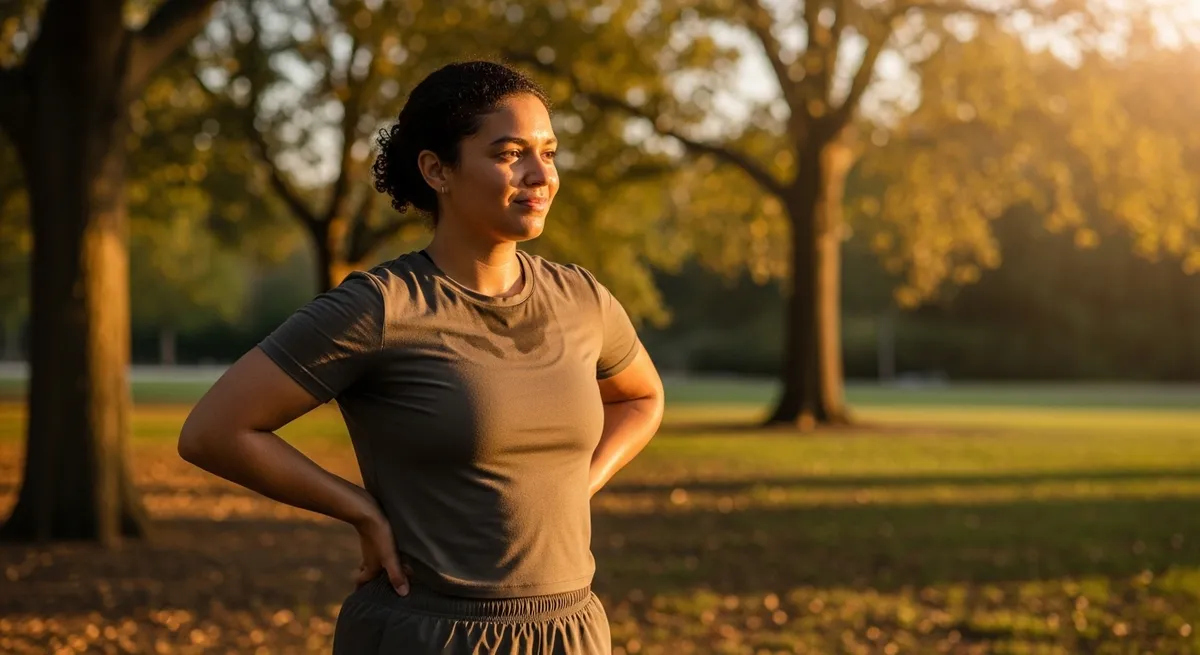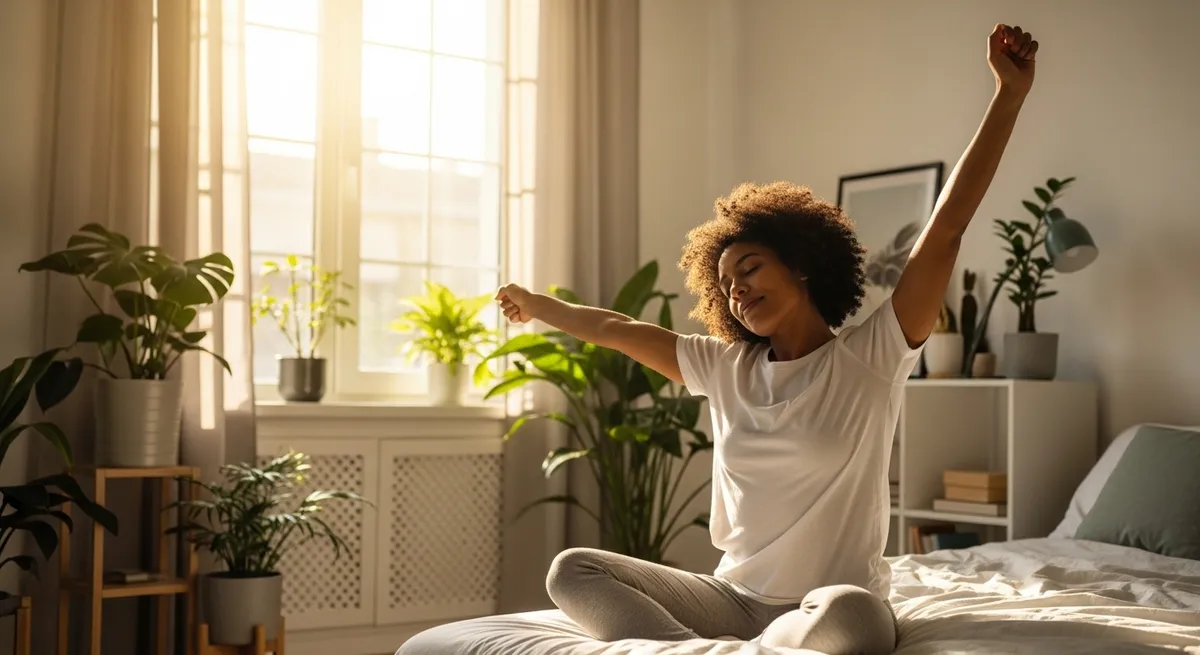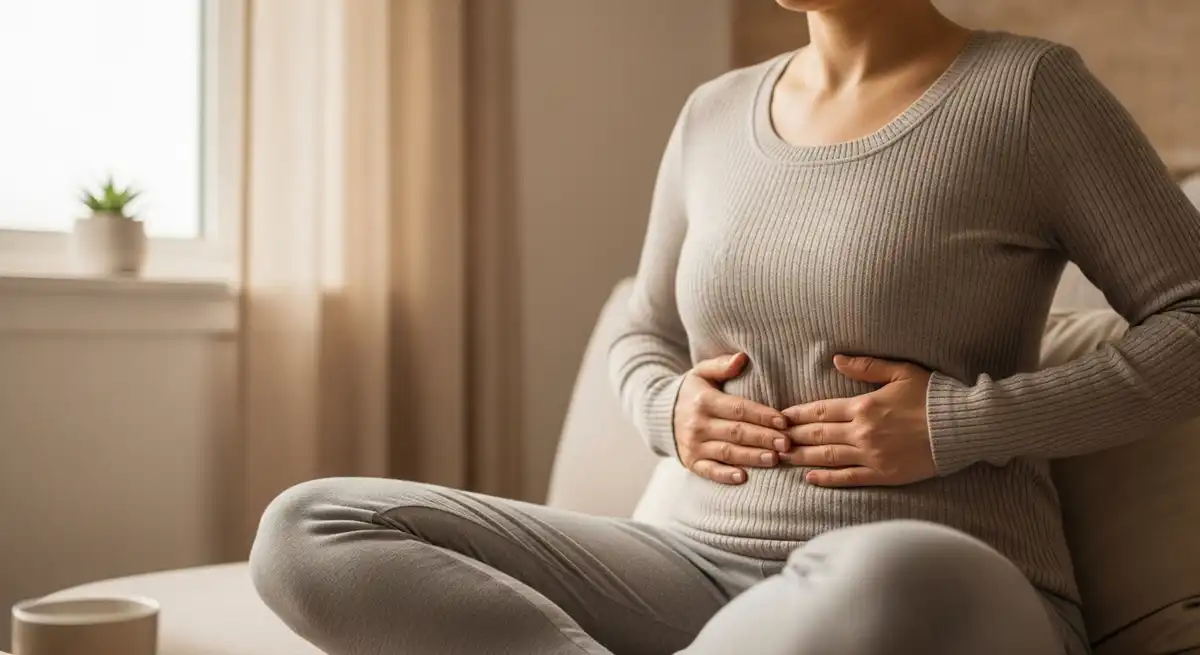
Breathing Exercises to Calm Anxiety Instantly are commonly described in wellness education as simple, body based practices that help steady the nervous system during moments of emotional strain. In daily life, stress often appears first as physical tension, faster breathing, or restlessness rather than clear thoughts. Understanding how breathing patterns affect the body gives people a grounded way to respond when pressure builds.
Many people experience anxiety during ordinary situations such as managing work deadlines, caring for family members, commuting, or facing unexpected emotional demands. In these moments, the body often reacts automatically before the mind can make sense of what is happening. Breath focused practices are widely used as lifestyle supports because they are quiet, accessible, and can be practiced without drawing attention.
Wellness educators often explain breathing exercises as physical regulation tools rather than mental techniques. The breath connects conscious choice with automatic body responses in a direct and practical way. When breathing slows and deepens, many people notice signs of safety such as eased muscle tension, steadier heart rhythm, and clearer focus, which together support emotional balance.
Breathing Exercises to Calm Anxiety Instantly: Understanding the Breath and Anxiety Connection
Breathing patterns and emotional states are closely linked through the autonomic nervous system, which controls stress responses without conscious effort. During anxious moments, breathing often becomes shallow and quick, reinforcing physical discomfort and unease. Slower breathing patterns are commonly associated with signals that help the body shift out of constant alert mode.
From a lifestyle perspective, anxiety related breathing patterns are not personal failures or signs of weakness. They reflect how the human body evolved to respond to perceived threat, even when that threat is emotional or situational rather than physical. Learning to notice and gently guide breathing offers a practical way to interrupt this cycle.
In everyday routines, people often notice breathing changes during long hours of screen use or constant multitasking. Over time, these habits can contribute to ongoing tension and fatigue. Breath awareness practices help people notice these shifts earlier, which many find supportive for maintaining steadier energy throughout the day.
The Role of the Nervous System in Calm Breathing
The autonomic nervous system includes two main branches that influence breathing and emotional states. The sympathetic branch supports alertness and action, while the parasympathetic branch supports rest, digestion, and recovery. Anxiety is commonly linked with extended sympathetic activation, where the body stays on high alert longer than needed.
Breathing Exercises to Calm Anxiety Instantly are often used because they directly support parasympathetic activity. Slow breathing with gentle pauses or longer exhalations is commonly associated with calming signals throughout the body. This shift does not remove stressors, but it often reduces their physical intensity.
Lifestyle guidance usually emphasizes balance rather than eliminating stress altogether. Short breathing practices woven into daily life help the nervous system move more smoothly between activity and rest. Over time, this flexibility is often associated with better emotional resilience and steadier responses.
The Importance of Nasal Breathing
Nasal breathing is frequently highlighted in wellness education because of its role in filtering and regulating airflow. Breathing through the nose also supports natural moisture and temperature control in the airways. Many people experience nasal breathing as gentler and more calming than mouth breathing during rest.
In daily settings, nasal breathing naturally slows the pace of each breath. This can reduce the tendency to over breathe, which is sometimes linked with lightheadedness or chest tightness during stress. Practicing nasal breathing during calm moments helps make it easier to access when anxiety appears.
For working adults and parents, nasal breathing can be practiced quietly while walking, driving, or doing household tasks. It does not require special posture or privacy, which makes it practical as a daily habit. Over time, many people notice increased awareness of their breathing patterns.
Diaphragmatic Breathing and Body Awareness
Diaphragmatic breathing involves allowing the lower ribs and abdomen to expand during inhalation rather than lifting the chest. This pattern supports fuller lung movement and is commonly linked with relaxation responses. Many adults are unfamiliar with this style due to long term posture habits and stress.
In everyday life, chest focused breathing often develops during prolonged sitting or constant mental engagement. Diaphragmatic breathing gently reverses this habit by encouraging slower, deeper breaths. People often describe feeling more grounded when using this approach during emotionally demanding moments.
For beginners, placing a hand on the abdomen while breathing helps build awareness without forcing the breath. This gentle approach is commonly recommended in wellness education. With regular practice, diaphragmatic breathing often becomes more natural throughout the day.
The Value of a Longer Exhale
A longer exhale is commonly emphasized in breathing exercises that support calm. Exhalation is associated with parasympathetic activity, which encourages the heart rate to slow. Extending the exhale slightly beyond the inhale is often used to promote relaxation without strain.
In practical terms, a longer exhale can be as simple as breathing in for four counts and breathing out for six counts. This pattern is widely used because it is easy to remember and flexible. Many people notice a sense of release after several slow cycles.
In busy work or family environments, focusing on the exhale can be done discreetly. This makes it especially useful for people who cannot step away during stressful moments. The simplicity of this practice contributes to its wide use in daily routines.
The Physiological Sigh as an Immediate Reset
The physiological sigh is often described in wellness education as a fast acting breathing pattern for acute stress. It involves a deep inhale through the nose, followed by a brief second inhale, and then a long exhale through the mouth. This pattern is commonly associated with releasing excess carbon dioxide and restoring breathing balance.
People often use this technique during sudden emotional intensity such as frustration or overwhelm. It does not require counting or sustained focus, which makes it accessible even when concentration is limited. Many report feeling reduced physical tension after a few repetitions.
As a lifestyle tool, the physiological sigh is typically used occasionally rather than continuously. It is considered a short term support rather than a daily breathing habit. Using it thoughtfully can increase confidence in managing unexpected stress.
Box Breathing for Structured Calm
Box breathing is a rhythmic pattern involving equal phases of inhalation, breath holding, exhalation, and holding again. This structure creates a steady rhythm that many people find grounding. It is commonly taught in high pressure professions because it supports focus and emotional steadiness.
In everyday routines, box breathing can be practiced during breaks or transitions between tasks. The predictable timing helps anchor attention without requiring deep introspection. This can be helpful for people who feel overwhelmed by unstructured relaxation methods.
For parents and working adults, box breathing offers a sense of order during chaotic moments. Regular practice increases familiarity with the rhythm. Over time, this familiarity often makes it easier to return to calm during stressful situations.
The 4 7 8 Breathing Technique
The 4 7 8 breathing technique follows a paced pattern of inhaling for four counts, holding for seven, and exhaling for eight. It is often used as a calming evening practice or during periods of restlessness. The extended exhale aligns with relaxation focused breathing principles.
Many people include this technique as part of a bedtime routine. The steady counting helps shift attention away from racing thoughts toward physical sensation. This gentle focus is commonly associated with easier transitions into rest.
In daily life, moderation is emphasized with this method. Practicing a few cycles is generally considered enough, especially for beginners. Gradual familiarity supports comfort and avoids unnecessary strain.

Pursed Lip Breathing for Physical Calm
Pursed lip breathing involves inhaling gently through the nose and exhaling slowly through lightly pursed lips. This approach slows airflow and increases awareness of breathing pace. It is often used during moments of physical effort or breathlessness.
In daily activities, people may use this method while climbing stairs or carrying heavy items. The controlled exhale helps prevent rushed breathing and supports steadiness. This practical use makes it relevant beyond emotional stress alone.
For people with busy schedules, pursed lip breathing can be used while moving rather than stopping activity. It encourages mindful pacing instead of avoidance. Over time, this approach may support more efficient breathing habits.
Alternate Nostril Breathing for Balance
Alternate nostril breathing is a traditional practice involving slow breathing through one nostril at a time. Wellness educators often describe it as a balancing technique that supports mental clarity. The slow pace encourages calm and focused attention.
In modern routines, this practice is often used before mentally demanding tasks. It promotes deliberate breathing and steadier concentration. Many people find it helpful as a brief pause between responsibilities.
As a lifestyle practice, alternate nostril breathing is typically done gently. It is not intended for forceful breathing or long sessions. Mindful practice supports comfort and accessibility for many people.
Lion’s Breath for Tension Release
Lion’s breath is an expressive breathing practice involving a strong exhale through an open mouth. It is often associated with releasing tension in the face, jaw, and throat. The exaggerated expression encourages physical release rather than quiet stillness.
In daily life, tension often accumulates in the jaw and neck during stress. Lion’s breath offers a brief opportunity to loosen these areas. This can feel supportive after long periods of concentration or emotional restraint.
As a lifestyle practice, this technique is usually done in private settings. It is optional rather than essential. Gentle use aligns with everyday wellbeing approaches without pressure.
Grounding Through Sensory Awareness
Grounding practices focus attention on present sensory experience to support emotional steadiness. Techniques that involve noticing sights, sounds, or physical contact are often paired with breathing. This combination supports both mental focus and physical regulation.
During stress, attention often shifts inward toward worry. Grounding gently redirects awareness outward in a neutral way. Many people find this supportive for reducing mental spirals.
In daily routines, grounding can be practiced while walking, washing hands, or sitting quietly. It requires no equipment or special conditions. This simplicity supports regular use.
Simple Physical Resets for Stress
Small physical movements are often included in lifestyle guidance for stress awareness. Shoulder rolls, stretching, or yawning encourage muscle release. These movements complement breathing by addressing physical tension directly.
In work or caregiving environments, extended stillness can increase discomfort. Brief movement resets support circulation and awareness. When paired with calm breathing, they offer balanced support.
These practices are usually brief and flexible. They do not replace exercise but offer moments of relief. Many people adopt them naturally once awareness grows.
Teaching Calm Breathing to Children and Teens
Children and teens often express stress through movement or behavior rather than words. Simple breathing practices adapted to age are commonly used in educational settings. Playful imagery supports engagement without pressure.
For younger children, visual metaphors such as blowing bubbles encourage slow exhalation. This keeps the focus on experience rather than correctness. It supports early emotional awareness.
For teenagers, breathing education often emphasizes autonomy and body awareness. Presenting breathing as a personal skill increases acceptance. This respectful framing supports healthy development.
Posture and Breathing Awareness
Posture affects breathing mechanics by influencing chest and diaphragm movement. Slouched positions can limit lung expansion and encourage shallow breathing. Upright alignment supports more comfortable airflow.
In daily life, prolonged sitting often leads to collapsed posture. Gentle posture awareness combined with breathing helps counter this effect. Many people notice improved comfort with small adjustments.
Lifestyle guidance emphasizes ease rather than rigidity. The goal is supportive alignment, not perfection. Small changes throughout the day can support better breathing patterns.
Consistency and Habit Formation
Breathing exercises tend to be most helpful when practiced regularly. Familiarity builds confidence in using techniques during stress. This foundation supports steadier responses.
In busy lives, short practices are often easier to maintain. A few minutes once or twice daily supports habit formation. Consistency matters more than duration.
Many people connect breathing practices to existing routines such as waking or bedtime. This reduces effort and supports memory. Over time, awareness often becomes automatic.
When Professional Support Is Appropriate
Breathing exercises are educational tools and lifestyle supports, not medical treatments. They are not designed to diagnose or address mental health conditions. Understanding their role helps set realistic expectations.
If anxiety significantly affects daily functioning, professional support may be helpful. Breathing practices can complement other care but do not replace it. Balanced messaging supports safety.
Wellness education emphasizes that seeking help reflects awareness. Breathing exercises remain useful as supportive habits alongside other resources. This integrated approach supports responsible wellbeing.
Frequently Asked Questions

What is the 4 7 8 breathing rule
The 4 7 8 breathing rule is a paced breathing pattern with set counts for inhaling, holding, and exhaling. It is commonly used as a relaxation practice in everyday routines. Many people find it helpful during quiet moments or before sleep.
How can breathing exercises calm anxiety quickly
Breathing exercises calm anxiety quickly by influencing physical stress responses through slower, controlled breathing. This approach focuses on body regulation rather than mental analysis. Many people notice reduced physical intensity within minutes.
Does the physiological sigh work for stress
The physiological sigh is commonly used for short term stress relief. It works by adjusting breathing chemistry and supporting physical release through a long exhale. Many people use it during moments of emotional intensity.
Why does deep breathing help panic sensations
Deep breathing helps panic sensations by countering rapid, shallow breathing. Slower breathing supports physical signals of safety. This can reduce uncomfortable sensations linked with distress.
What breathing technique is used in high pressure professions
Structured breathing techniques such as box breathing are often taught in high pressure roles. These patterns support focus and steadiness. They are valued for simplicity and consistency.
How long does it take for breathing exercises to feel effective
Many people notice effects from breathing exercises within a few minutes. The experience varies based on familiarity and context. Regular practice often improves comfort over time.
Can shallow breathing increase feelings of unease
Shallow breathing is often linked with physical sensations of unease. It can reinforce stress responses in the body. Gentle awareness and adjustment may support comfort.
Is belly breathing different from chest breathing
Belly breathing emphasizes diaphragmatic movement rather than chest lifting. This supports fuller lung use and slower breathing. It is often experienced as more calming.
Are breathing exercises safe for daily use
Breathing exercises are generally considered safe as gentle lifestyle practices. They are educational rather than medical. Comfort and moderation are emphasized.
Can children learn breathing exercises safely
Children can learn simple breathing exercises adapted to age. Playful approaches encourage engagement. These practices support emotional awareness rather than treatment.
Conclusion
Breathing Exercises to Calm Anxiety Instantly are best understood as supportive lifestyle practices that encourage steadiness during everyday stress. They work through basic physical mechanisms that support calm without forcing emotional change. With consistent, gentle practice, breathing awareness can become a reliable part of daily wellbeing routines.
Medical Disclaimer
This content is for informational purposes only and does not constitute medical advice. It does not diagnose, treat, cure, or prevent any condition. Consult a qualified healthcare provider before starting any new breathing, wellness, or lifestyle practice, especially if you have medical or mental health concerns.
For wider background on this, see the American Psychological Association on mindfulness.