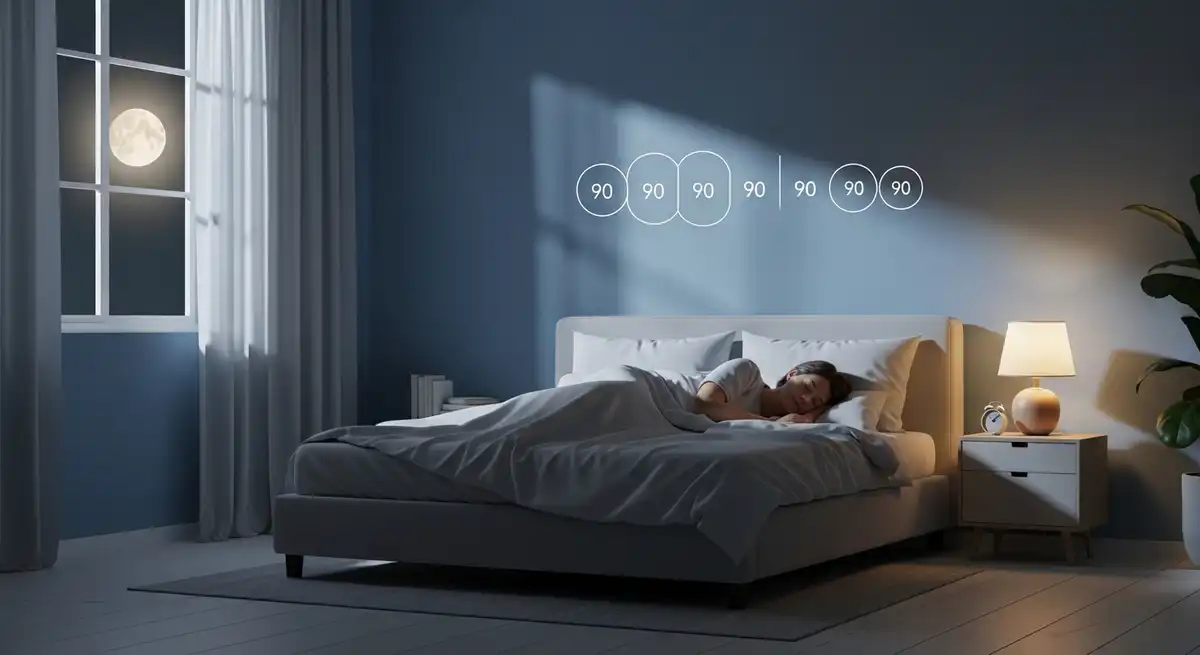
Sleep is often discussed in terms of hours, yet many people notice that duration alone does not reliably predict how rested they feel the next day. Modern routines shaped by work schedules, caregiving, screen exposure, and social demands quietly interfere with natural sleep rhythms. Understanding sleep cycles reframes rest as a supportive daily habit shaped by timing and consistency, not willpower or perfection.
The science of sleep cycles explains how the brain and body move through predictable stages of rest during the night. These stages influence physical recovery, emotional steadiness, attention, and energy regulation in subtle but meaningful ways. Learning how these cycles work allows people to make realistic lifestyle adjustments without relying on extreme routines or rigid rules.
This page is educational and lifestyle focused rather than clinical. It explains how sleep cycles function and how everyday habits interact with them. It does not diagnose sleep disorders or replace professional care, but instead offers grounded context many people use to support healthier and more consistent rest patterns.
Understanding the Science of Sleep Cycles
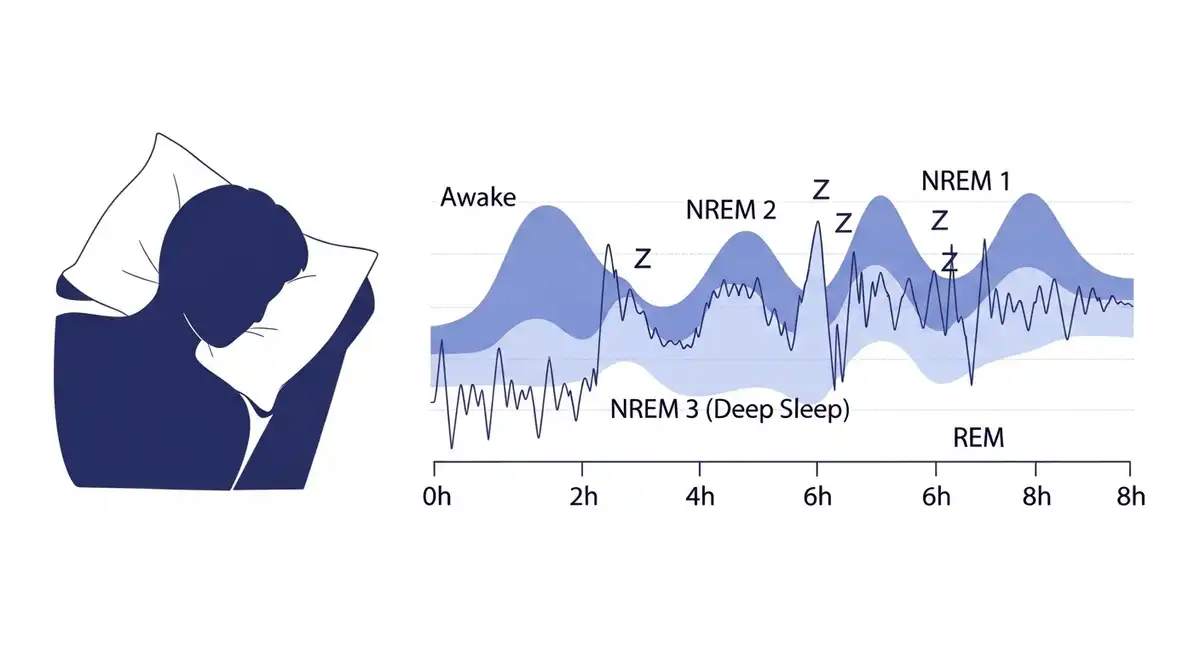
Sleep cycles refer to repeating patterns of brain activity that occur throughout the night, usually lasting about ninety minutes each. During these cycles, the brain moves through non REM stages and REM sleep, each linked with different biological functions. This structure is consistent across healthy adults and forms the foundation of sleep architecture studied in sleep research.
Non REM sleep includes lighter stages and deep slow wave sleep, which is commonly associated with physical restoration and immune system activity. REM sleep involves higher brain activity and is often linked with memory processing and emotional regulation. Both stages are considered important, and balanced cycling between them supports overall sleep quality.
The body does not remain in one sleep stage all night, but instead shifts through several cycles with changing emphasis. Earlier cycles contain more deep sleep, while later cycles contain more REM sleep. This pattern explains why the timing of sleep interruptions can affect how rested or mentally clear someone feels.
Why Sleep Duration Alone Can Be Misleading
Many people report sleeping a full night yet waking with heavy fatigue or mental fog. This experience is commonly linked to waking during deep sleep rather than at the end of a sleep cycle. When the brain is interrupted during slow wave sleep, alertness may be delayed even if total sleep time looks sufficient.
This groggy state is often described as sleep inertia. It reflects a temporary period of reduced cognitive sharpness after waking. Lifestyle educators often note that sleep inertia can influence mood, reaction time, and focus during the early part of the day.
Sleep fragmentation also reduces the effectiveness of rest without shortening time in bed. Late evening screen use, irregular bedtimes, caffeine intake, or environmental noise can interrupt cycles repeatedly. Over time, this lowers sleep efficiency and contributes to unrefreshing sleep.
The Ultradian Rhythm and Nightly Sleep Patterns
The ultradian rhythm describes biological cycles that repeat multiple times within a twenty four hour period. Sleep cycles are one of the clearest examples, repeating several times across the night. This rhythm is guided by interactions between brain structures, hormones, and nervous system activity.
During each ultradian cycle, the brain moves from light sleep into deeper stages and then into REM sleep. These transitions usually occur smoothly in healthy sleep. Disruptions from stress, light, or noise can interrupt this flow and shorten restorative phases.
Ultradian rhythms also influence daytime energy patterns. Many people notice predictable dips in alertness during the afternoon. Recognizing this pattern helps normalize energy changes without viewing them as personal weakness or lack of motivation.
The Role of Non REM Sleep in Physical Recovery
Non REM sleep occupies a larger share of early night sleep cycles and is commonly associated with physical recovery. During deep non REM sleep, heart rate slows, breathing becomes steady, and muscle activity decreases. These changes create conditions that support tissue repair and metabolic balance.
Research often links slow wave sleep with immune activity and hormone regulation. Growth hormone release, for example, is more prominent during deep sleep stages. While these processes are complex, stable non REM sleep is generally considered supportive of physical wellbeing.
Disruptions to non REM sleep may occur due to late caffeine use, irregular sleep timing, or environmental disturbances. Lifestyle guidance usually emphasizes consistency and calm evening routines. Small changes often contribute more than drastic interventions.
The Role of REM Sleep in Mental Processing
REM sleep becomes more prominent later in the night and toward morning. During this stage, brain activity resembles wakefulness while the body remains mostly still. REM sleep is commonly associated with dreaming, learning, and emotional processing.
Studies suggest REM sleep supports memory organization and emotional balance by helping integrate daily experiences. This does not imply emotional treatment, but reflects normal cognitive functioning. Adequate REM sleep is often associated with clearer thinking and steadier mood.
When sleep is shortened or disrupted late at night, REM sleep is often reduced. This helps explain why early alarms or late bedtimes may affect focus and emotional resilience the next day. Protecting the later part of sleep matters for mental clarity.
Homeostatic Sleep Pressure and Daily Wakefulness
Homeostatic sleep pressure describes the gradual build up of the body’s need for sleep during waking hours. As time awake increases, substances such as adenosine accumulate in the brain, contributing to feelings of sleepiness. This process encourages regular rest.
Sleep reduces this pressure, particularly during deep sleep stages. Short naps or quiet rest may ease tiredness but do not fully reset sleep pressure. This explains why late naps can delay nighttime sleep.
Caffeine affects this system by blocking adenosine receptors rather than removing adenosine. Alertness may feel improved, but underlying sleep pressure remains. When caffeine wears off, sleepiness can return suddenly.
Circadian Rhythm and the Body Clock
Circadian rhythm refers to the internal twenty four hour timing system that regulates sleep and wake patterns. It is coordinated by the suprachiasmatic nucleus in the brain, which responds mainly to light exposure. Morning light plays a key role in setting daily timing.
Circadian signals guide hormone release, body temperature, and alertness across the day. Melatonin rises in the evening to support sleep readiness, while cortisol increases in the morning to promote wakefulness. Consistent light exposure helps stabilize these rhythms.
Modern life often disrupts circadian rhythm through artificial lighting, shift work, and irregular schedules. Over time, misalignment between circadian timing and sleep behavior can reduce sleep quality even when duration seems adequate.
How Homeostatic Pressure and Circadian Rhythm Interact
Sleep timing results from the interaction between sleep pressure and circadian rhythm. Sleep usually occurs when pressure is high and circadian signals support rest. When these processes fall out of sync, falling asleep or staying asleep becomes harder.
Late naps reduce sleep pressure while circadian signals may still promote wakefulness. Early bedtimes may occur before sufficient sleep pressure builds. These mismatches often lead to restlessness or delayed sleep onset.
Lifestyle guidance focuses on aligning habits with both systems. Consistent wake times, morning light exposure, and thoughtful caffeine timing support this balance. These are considered supportive strategies rather than corrective measures.
Chronotypes and Individual Sleep Timing Differences
Chronotype refers to natural differences in preferred sleep and wake times. Some people feel alert early in the morning, while others function better later in the day. These tendencies are influenced by genetics, age, and environment.
Common chronotype categories include early types, intermediate types, and late types. These labels describe tendencies rather than fixed identities. Many people fall between categories or shift over time.
Understanding chronotype explains why uniform schedules may not suit everyone. Adjusting routines where possible to align with natural energy patterns can reduce strain and support steadier sleep.
Social Schedules and Sleep Misalignment
Work, school, and family responsibilities often impose schedules that conflict with biological timing. This mismatch is sometimes described as social jet lag. Repeated misalignment can contribute to chronic tiredness.
Weekend sleep catch up is common but may further disrupt circadian rhythm. Shifting sleep timing back and forth makes consistency harder. Stable wake times often support better overall sleep.
Lifestyle educators usually encourage gradual adjustments rather than strict rules. Consistency matters more than perfection. Flexibility remains important, especially during demanding life stages.
Light Exposure and Evening Routines
Light exposure strongly influences circadian rhythm, especially in the evening. Bright and blue enriched light suppresses melatonin, signaling wakefulness to the brain. Screens and overhead lighting contribute to this effect.
Lowering light levels in the evening supports natural melatonin release. This may involve dimmer lighting or warmer color tones. These habits are often part of calming bedtime routines.
Morning light exposure reinforces circadian timing and supports alertness. Natural daylight is particularly effective. Regular light patterns support stable sleep cycles over time.
Temperature and Sleep Readiness
Body temperature follows a daily rhythm, gradually dropping in the evening to support sleep. A slight decrease in core temperature is commonly associated with deeper sleep stages. Room temperature can influence this process.
Warm baths or showers before bed may promote sleepiness through heat release from the body. This allows core temperature to fall afterward. Many people include this as part of evening routines.
Overly warm sleep environments may interfere with deep sleep. Cooler rooms are often linked with steadier rest. Comfort preferences vary, so adjustments are usually personal.
Caffeine Timing and Sleep Cycles
Caffeine supports alertness during the day but can interfere with sleep cycles later. Because it blocks adenosine receptors, caffeine may delay sleep onset and reduce deep sleep even when consumed earlier.
Sensitivity varies among individuals. Some people are affected by afternoon caffeine, while others tolerate it better. Awareness of personal response helps guide timing choices.
Gradual reduction rather than abrupt elimination is often advised. Morning or early afternoon use supports natural sleep pressure buildup. Moderation is typically emphasized.
Non Sleep Deep Rest and Daytime Recovery
Non sleep deep rest refers to guided relaxation practices that encourage a state between wakefulness and sleep. Techniques such as Yoga Nidra promote physical stillness and mental calm without full sleep.
Research suggests these practices may support nervous system regulation and mental clarity. They do not replace sleep but may ease fatigue when naps are not practical.
Short sessions are commonly used during midday breaks. Non sleep deep rest is generally framed as supportive rather than performance driven.
Timing Wake Up With Sleep Cycles
Some people estimate wake times based on ninety minute sleep cycles. By counting backward from a desired wake time, they aim to wake near the end of a cycle to reduce grogginess.
Cycle length varies slightly, so this approach serves as a guide rather than a rule. Tracking patterns over time helps identify what feels supportive.
Consistency matters more than exact calculations. This method works best alongside stable routines and flexible expectations.
Polyphasic Sleep and Modern Lifestyles
Polyphasic sleep divides rest into multiple periods across the day. Extreme versions involve very short nighttime sleep with frequent naps. These schedules are often promoted for productivity.
Research suggests extreme polyphasic sleep may impair cognitive performance and immune function. Adaptation varies, and sustained use is challenging for many people.
Milder variations with a core sleep and short naps are sometimes used temporarily. These approaches are generally situational rather than long term strategies.
Sleep Cycles and Emotional Balance
Sleep cycles influence emotional regulation through brain activity during REM sleep. Adequate REM sleep is often associated with steadier mood and emotional processing. Disrupted cycles may affect emotional balance.
This reflects normal brain functioning rather than treatment of emotional conditions. Everyday sleep supports emotional resilience as part of overall wellbeing.
Consistent routines and reduced evening stimulation support natural sleep architecture. These habits are commonly used as general lifestyle support tools.
Sleep in Parenting and Working Life
Parents and working adults often experience interrupted or shortened sleep due to caregiving and job demands. Sleep cycles may be disrupted repeatedly. Recognizing these realities helps set realistic expectations.
Small adjustments such as stable wake times or brief rest periods may offer support. Flexibility is often necessary during demanding life phases.
During these periods, sleep goals often shift from optimization to adequacy. Long term patterns matter more than individual nights.
Mindfulness and Sleep Awareness
Mindfulness related to sleep involves noticing habits and sensations without judgment. Observing patterns such as evening alertness or morning grogginess provides useful insight.
Mindfulness practices are often used to ease bedtime rumination and support relaxation. These practices are supportive habits rather than treatments.
Reducing pressure around sleep can improve rest. Gentle consistency tends to support sustainable changes.
Integrating Sleep Knowledge Into Daily Routines
Applying knowledge about sleep cycles involves aligning daily habits with biological rhythms. Morning light, regular meals, and consistent activity timing all contribute.
Evening routines often focus on predictability and reduced stimulation. Personal preferences shape what feels supportive.
Sustainable habits matter more than perfect routines. Incremental changes accumulate over time.

Long Term Perspective on Sleep Quality
Sleep quality develops gradually and reflects cumulative habits. Temporary disruptions are normal and do not define sleep health.
Understanding sleep cycles helps normalize variability and reduce frustration. Many people find reassurance in biological explanations.
Sleep is one part of overall wellbeing. Balanced attention to rest, activity, and connection supports quality of life.
Frequently Asked Questions
How long is one full sleep cycle
One full sleep cycle typically lasts about ninety minutes in healthy adults. Each cycle includes light non REM sleep, deep slow wave sleep, and REM sleep. The exact length varies across individuals and throughout the night, but this estimate is commonly used in sleep education.
Is it better to wake up after six or seven hours of sleep
Waking after six or seven hours depends on where the wake time falls within a sleep cycle. Six hours often equals four cycles, while seven and a half hours equals five cycles. Waking near cycle completion is commonly associated with better alertness.
How can deep sleep be supported naturally
Deep sleep is commonly supported through consistent sleep timing, moderate daytime activity, and reduced evening stimulation. Cooler sleep environments and calming routines may also contribute. These habits support natural sleep architecture rather than forcing specific stages.
What happens when waking during deep sleep
Waking during deep sleep often leads to temporary grogginess known as sleep inertia. This state can affect attention and reaction time for a short period. Aligning wake times with cycle completion may reduce this effect.
Does caffeine affect sleep cycles
Caffeine can delay sleep onset and reduce deep sleep by blocking adenosine receptors. These effects may occur even when caffeine is consumed earlier in the day. Individual sensitivity varies, so timing adjustments are often personal.
Can non sleep deep rest replace naps
Non sleep deep rest does not replace sleep cycles but may ease perceived fatigue. It is often used when naps are impractical or disruptive. Short sessions support relaxation without entering full sleep.
How is chronotype identified
Chronotype is often identified by observing natural sleep timing on free days. Questionnaires are also used in research settings. Chronotype reflects tendencies rather than fixed categories.
Why does evening light affect sleep
Evening light suppresses melatonin production and signals wakefulness to the brain. Blue enriched light has a stronger effect. Reducing light intensity supports circadian signaling.
Is polyphasic sleep safe long term
Long term polyphasic sleep is generally approached with caution. Research suggests potential cognitive and physiological challenges. Most guidance favors consolidated nighttime sleep.
What bedroom temperature supports sleep
Moderately cool bedroom temperatures are commonly associated with steadier sleep. Individual comfort varies, but excessive warmth may disrupt sleep stages. Adjustments are usually based on personal experience.
Conclusion
The science of sleep cycles shows that rest depends on rhythm, consistency, and daily habits rather than hours alone. Viewing sleep as a biological process supported through lifestyle choices allows realistic adjustments without pressure. This calm, informed approach supports long term wellbeing and sustainable rest patterns.
Medical Disclaimer
This content is for informational purposes only and does not constitute medical advice. It is not intended to diagnose, treat, cure, or prevent any disease. Always consult a qualified healthcare provider before making changes to sleep routines, lifestyle habits, or health practices.
For wider background on this, see the National Heart, Lung, and Blood Institute on sleep.