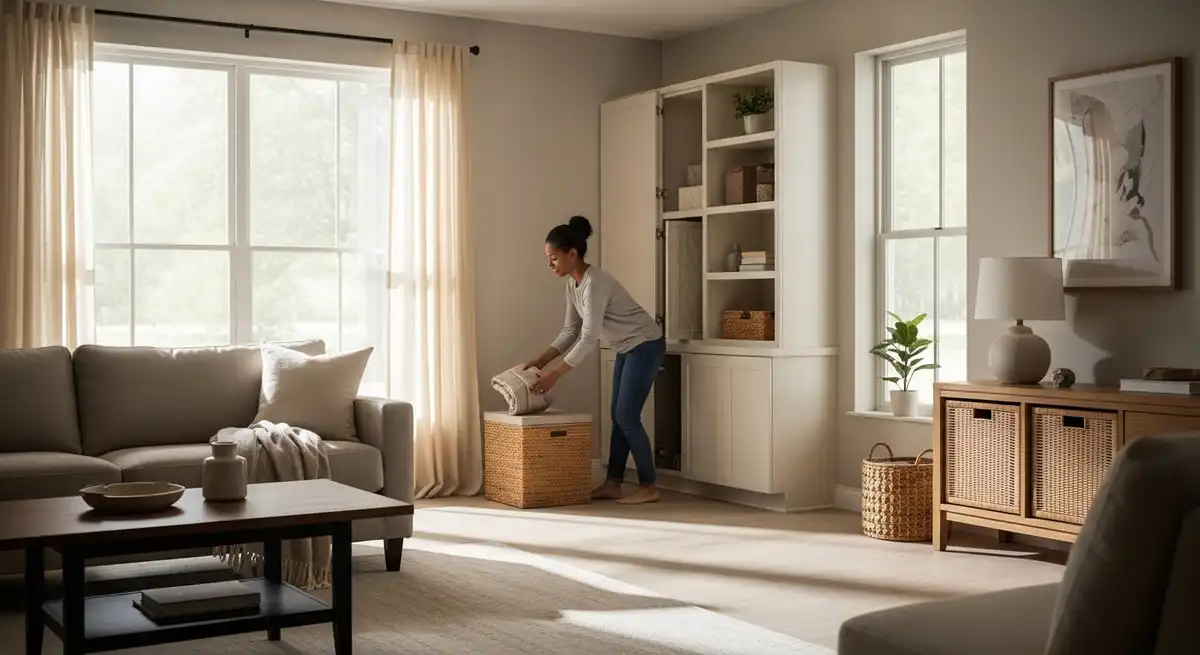

A family home often becomes a quiet source of stress when cleaning happens only during rushed catch up days. Many households cycle between intense effort and long pauses, which slowly drains cooperation and energy. A family cleaning routine that actually sticks is designed around realistic daily life, shared responsibility, and steady habits rather than pressure or perfection.
Daily schedules now include work demands, school timelines, caregiving duties, and mental fatigue by evening. Systems that ignore these limits tend to fail, even when intentions are strong. A sustainable family cleaning routine works best when it reduces decisions, supports emotional balance, and fits naturally into existing family rhythms.
This approach treats cleaning as part of lifestyle structure, not an endless task. Predictable actions, calm repetition, and shared understanding create stability over time. Instead of chasing an ideal home, families build environments that feel functional, supportive, and easier to maintain during real life.
Family cleaning routine sticks: Understanding the Core Idea Behind a Family Cleaning Routine That Actually Sticks
A family cleaning routine that actually sticks relies on habit patterns instead of fluctuating motivation. Habits form through repetition and cues, which means they require less mental effort once established. This allows cleaning to feel routine and expected rather than emotionally draining or constantly negotiated.
Wellness educators often explain that habits work best when attached to actions already happening each day. Tidying after meals or resetting spaces before bed links cleaning to familiar moments. This structure lowers resistance and helps routines hold steady during busy or low energy periods.
Shared participation is another core element. When responsibility is distributed clearly, cleaning no longer rests on one person. Over time, families experience less tension, fewer reminders, and a home that supports daily wellbeing rather than adding stress.
Why Many Family Cleaning Routines Fail Over Time
Many routines break down because they depend on motivation instead of structure. Motivation naturally rises and falls due to stress, fatigue, or competing priorities. When cleaning depends on feeling motivated, consistency slips and frustration replaces follow through.
Another common issue is unrealistic standards shaped by comparison. Images of perfectly styled homes create expectations that do not match everyday family life. When goals feel unreachable, people often disengage completely, leading to avoidance and reactive cleaning cycles.
Complex systems also contribute to failure. Routines with too many steps or decisions increase mental load. Simpler systems that focus on essentials are easier to maintain and more likely to stick long term.
Habit Formation and the Role of Automaticity
Habit formation describes how repeated actions become automatic over time. Behavioral research shows that habits often take several weeks or months to feel natural, depending on the task. Understanding this timeline helps families stay patient and consistent.
Automatic habits develop when actions repeat in the same context. For cleaning, this might mean clearing counters after cooking or putting items away when leaving a room. These repeated cues reduce the effort needed to act.
Once cleaning becomes automatic, it stops competing with energy needed for work or caregiving. This lowers emotional friction and supports a calmer home environment. Over time, automatic habits create stability without constant reminders.
Keystone Habits and Their Influence on Home Management
Keystone habits are small actions that influence many other behaviors. In home care, a habit like resetting the kitchen sink can affect the overall sense of order. Visible success encourages follow through and builds confidence.
Wellness educators often note that keystone habits shape identity. Families begin to see themselves as people who maintain their space daily. This mindset supports consistency more effectively than rules or enforcement.
These habits work best when clearly defined and easy to complete. Choosing one shared daily action keeps effort manageable. Over time, additional habits often develop naturally without formal planning.
Establishing a Realistic Cleaning Baseline
A cleaning baseline is the minimum level of order that feels calm and functional for a household. This baseline varies based on lifestyle, space, and personal tolerance. Defining it prevents unnecessary effort and emotional strain.
External standards often create pressure that does not reflect real conditions. A realistic baseline focuses on comfort, safety, and ease of use rather than appearance. This supports emotional wellbeing and reduces chronic stress.
Families can identify their baseline by noticing what disrupts daily flow most. These areas become priorities, while others remain flexible. This clarity allows routines to continue even during busy periods.
Identifying Most Important Areas in the Home
Most Important Areas are spaces that strongly affect emotional comfort when cluttered. Kitchens, bathrooms, and entryways often fall into this category due to frequent use. Focusing attention here provides noticeable benefits quickly.
Environmental psychology links visual order in high traffic spaces with improved focus and calm. When these areas stay functional, the entire home feels easier to manage. This reduces the urge to clean everything at once.
Limiting Most Important Areas to a few locations prevents overwhelm. Short daily resets keep these zones usable. Over time, consistent care supports a stable baseline across the home.
The Role of Family Meetings in Shared Routines
Family meetings offer a calm setting to align expectations and responsibilities. These conversations work best when framed as collaboration rather than instruction. A neutral tone encourages participation and reduces defensiveness.
Clear communication reduces conflict more effectively than repeated reminders. Discussing how tasks support shared comfort builds understanding. Cleaning shifts from a personal burden to a group effort.
Simple ground rules support productive discussions. Choosing a quiet time and limiting distractions keeps meetings brief and effective. Regular check ins allow routines to adapt as schedules change.
Age Appropriate Chores for Young Children
Young children benefit from simple tasks that match their development. Putting toys away or wiping safe surfaces builds coordination and confidence. These actions introduce responsibility in a supportive way.
Child development research links early involvement with stronger self belief. Working alongside adults provides safety and modeling. Shared activity also strengthens connection.
The focus remains on participation rather than results. Encouraging effort helps children associate cleaning with contribution. Over time, this normalizes involvement in daily household care.
Age Appropriate Chores for School Aged Children
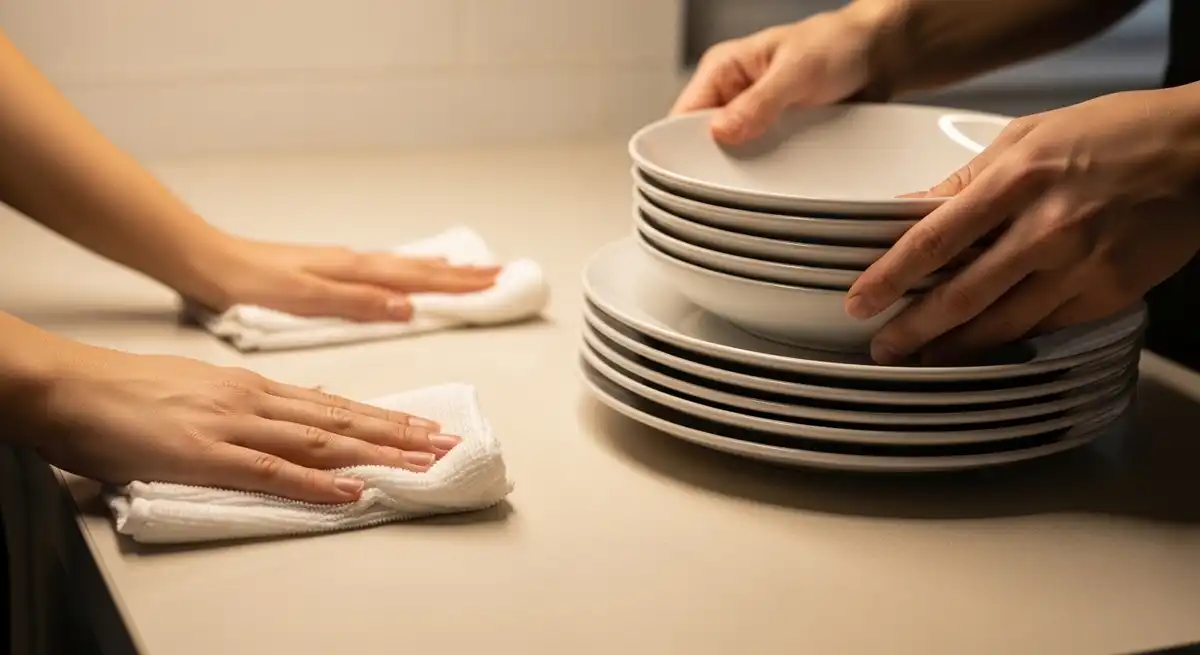
School aged children can manage structured tasks like unloading dishes or vacuuming. These chores support independence and practical skill building. Clear demonstrations reduce confusion and frustration.
Teaching through example builds confidence more effectively than repeated instructions. Showing what completion looks like clarifies expectations. This approach supports learning and accountability.
Consistency matters more than volume. Assigning manageable tasks helps routines fit into school schedules. Over time, children develop reliability and confidence in their role.
Age Appropriate Chores for Teenagers
Teenagers benefit from tasks that mirror adult responsibilities. Cooking meals or managing laundry prepares them for independent living. These skills support long term confidence.
Autonomy plays an important role at this stage. Allowing choice within structure increases engagement. Clear ownership reduces conflict and reminders.
Household contribution during adolescence reinforces belonging. Shared responsibility supports mutual respect. Over time, routines strengthen relationships and practical readiness.
Understanding Invisible Labor in Family Life
Invisible labor includes planning, remembering, and coordinating tasks. This mental work often goes unnoticed but affects emotional wellbeing. Uneven distribution can lead to fatigue and resentment.
Naming invisible labor helps families understand workload balance. Listing tasks makes hidden effort visible and shareable. This clarity supports respectful collaboration.
Recognizing invisible labor shifts focus from blame to solutions. Practical adjustments become easier. Over time, balanced responsibility supports sustainable routines.
Fair Ownership as a Tool for Balance
Fair ownership assigns full responsibility for tasks, including planning and completion. This reduces mental load and supervision. Clear ownership supports accountability.
Research on household systems shows clarity improves follow through. Knowing what one owns removes ambiguity. This reduces reminders and frustration.
Regular review keeps ownership fair as needs change. Flexibility supports long term balance. Over time, shared ownership builds trust and stability.
Clean As You Go as a Lifestyle Practice
Clean as you go means addressing messes right away. This prevents buildup and reduces mental clutter. Small actions require little energy.
Immediate action lowers procrastination. Handling items once keeps tasks manageable. Over time, this habit maintains order naturally.
Framing this practice as support rather than obligation increases consistency. Integrated into daily movement, it becomes effortless. This aligns with sustainable lifestyle habits.
The Value of Micro Resets
Micro resets are brief tidying moments lasting one to three minutes. These pauses prevent clutter from growing. They fit easily into busy days.
Short tasks feel achievable, reducing resistance. This supports consistency even during stressful times. Micro resets maintain the home near baseline.
Over time, crisis cleaning becomes unnecessary. The environment stays manageable. This gentle approach supports emotional ease.
Evening Resets and Emotional Calm
Evening resets prepare the home for the next day. Clearing surfaces and setting items supports smoother mornings. Predictability reduces stress.
Organized spaces support relaxation before sleep. Visual order lowers stimulation. This makes evening resets a supportive routine.
Keeping resets brief maintains consistency. Ten minutes is often enough. Over time, evenings feel more settled and mornings calmer.
Morning Flow and Reduced Friction
Prepared spaces reduce morning decisions. Fewer obstacles mean smoother transitions. This supports emotional regulation.
Reducing morning stress improves time management. Simple systems keep attention focused. This contributes to calmer starts.
Consistent flow reinforces evening habits. The benefit becomes clear. This feedback supports routine maintenance.

The Role of Technology in Supporting Routines
Digital tools can help track tasks and reminders. Shared visibility reduces verbal prompts. This supports independence.
Technology works best when simple. Too many features can overwhelm. Choosing tools that match family preferences improves use.
Used lightly, technology supports routines quietly. It should not replace communication. Balance keeps systems effective.
Gamification and Positive Reinforcement
Play elements increase engagement, especially for younger children. Simple challenges make tasks enjoyable. This supports cooperation.
Positive reinforcement focuses on acknowledgment. Recognition builds motivation. This aligns with learning principles.
Gamification remains optional. Over time, routines stand alone. Play supports early adoption.
Cleaning Routines for Working Parents
Working parents face limited time and energy. Routines must respect these limits. Simplicity supports consistency.
Prioritizing essentials prevents overload. Most Important Areas matter most. Flexibility allows adjustment.
Shared responsibility reduces mental load. Clear systems support balance. Routines adapt as work demands change.
Cleaning Routines for Families with Pets
Pets add cleaning needs like shedding. Small daily actions address this. Consistency matters.
Designated zones contain mess. This supports hygiene. Habits integrate naturally.
Pet routines often reinforce maintenance. Addressing issues early prevents buildup. This benefits the household.
Emotional Benefits of a Maintained Home
Maintained spaces support calm and focus. Visual order reduces background stress. This supports mood.
Organized environments increase perceived control. Confidence grows. This supports wellbeing.
Function matters more than appearance. Stability supports daily interactions. Homes feel supportive.
Avoiding Perfectionism in Home Care
Perfectionism undermines consistency. Unrealistic goals lead to avoidance. Flexibility protects routines.
Missing a day does not erase progress. Returning calmly matters. This supports resilience.
Consistency over completion reduces strain. This mindset supports sustainability. Routines feel manageable.
Adjusting Routines During Life Transitions
Life changes affect routines. Flexibility prevents collapse. Adjustments maintain continuity.
Revisiting baselines supports realism. Temporary changes help. Routines evolve.
Viewing routines as flexible systems builds resilience. Change does not equal failure. Stability remains possible.
Cultural and Household Diversity Considerations
Households vary widely. Routines should respect cultural norms. Customization supports adoption.
Aligning routines with rhythms reduces resistance. This supports consistency. One size systems fail.
Respecting diversity increases relevance. Achievable routines build trust. Long term use improves.
Long Term Sustainability and Maintenance
Sustainable routines rely on simplicity. Habits require less effort over time. Energy frees up.
Regular review prevents drift. Small check ins help. Frustration reduces.
Kindness toward the process supports consistency. Patience builds stability. Homes remain manageable.
Frequently Asked Questions
What is a realistic cleaning schedule for a family A realistic schedule focuses on daily maintenance rather than constant deep cleaning. Short daily resets combined with weekly tasks support consistency. This approach helps families maintain functional spaces without added stress.
How do families reduce conflict around chores Conflict often decreases when expectations are clear and shared. Assigning specific responsibilities supports cooperation. This reduces reminders over time.
At what age can children start household chores Children can begin simple chores early with supervision. Age appropriate tasks build confidence. Responsibility grows gradually.
How long does it take for routines to feel automatic Routines often take weeks or months to feel natural. Consistency matters. Small actions support habit formation.
What makes a cleaning routine sustainable Sustainable routines respect time and energy limits. They focus on essentials. Shared responsibility supports consistency.
Do cleaning routines affect emotional wellbeing Maintained environments are associated with reduced stress. Visual order supports calm. This complements wellbeing.
How can working parents manage cleaning Simplified routines and shared ownership help working parents. Prioritizing key areas supports balance. Flexibility matters.
Is technology necessary for routines Technology can help but is not required. Simple systems work. Tools should simplify.
How do families adapt routines during busy times Temporary adjustments maintain continuity. Reducing tasks helps. Flexibility supports resilience.
What matters most in long term success Consistency and patience matter most. Small actions repeated calmly build stability. Homes remain supportive.
Conclusion
A family cleaning routine that actually sticks is grounded in habits, shared responsibility, and realistic expectations. It supports emotional balance by reducing background stress. When routines remain flexible and kind, homes stay functional and aligned with everyday life.
Medical Disclaimer
This content is for informational purposes only and does not constitute medical advice. It is not intended to diagnose, treat, cure, or prevent any disease. Consult a qualified healthcare provider before making changes related to health, stress management, or daily lifestyle routines.
For wider background on this, see the National Heart, Lung, and Blood Institute on sleep.