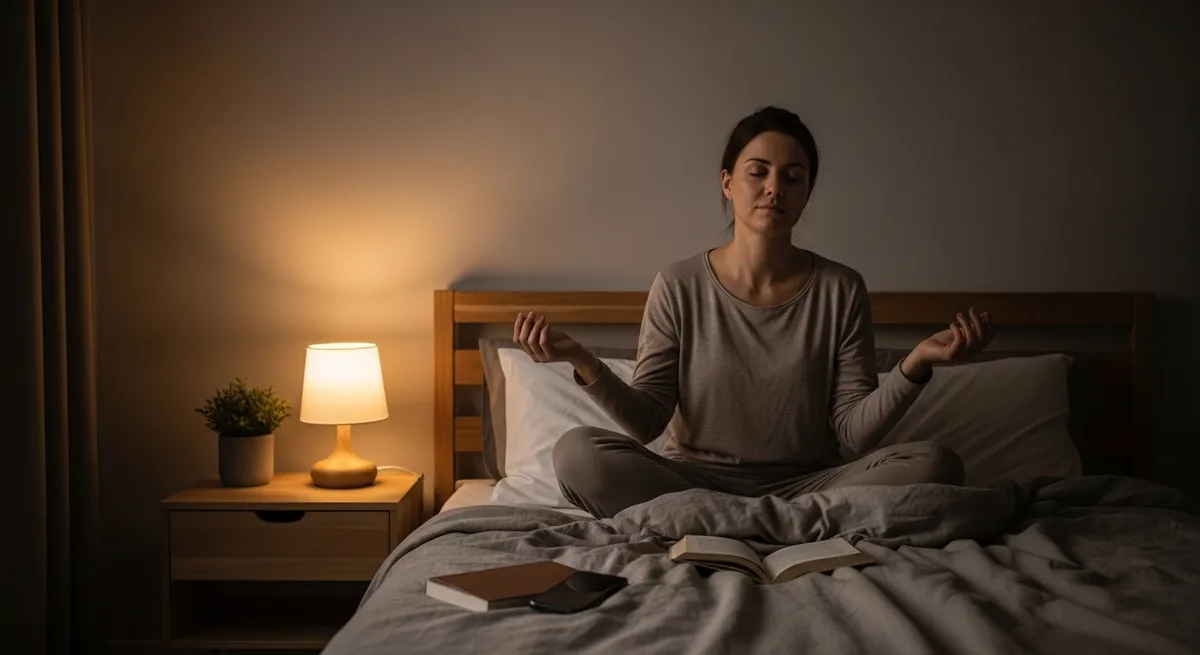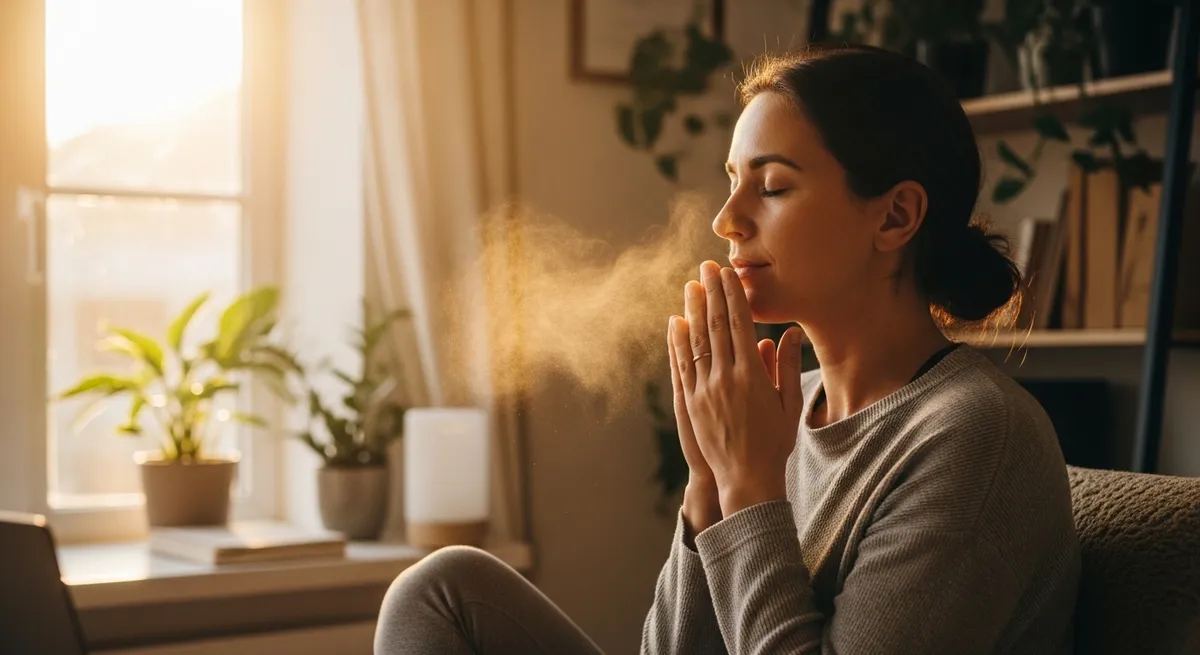
A good approach to How to Use Essential Oils for Better Sleep should take less effort over time, not more. Sleep difficulties are a common part of modern life, especially for adults balancing work, family, and constant digital input. Many people notice that even when the body feels tired, the mind stays alert well into the night. Because of this gap between physical fatigue and mental rest, gentle lifestyle supports like essential oils are often explored as part of evening routines.
Essential oils are concentrated plant extracts used mainly for their aroma in everyday wellness settings. They are not medicines and are not meant to treat sleep disorders. When used carefully and consistently, they can support a calming bedtime environment that helps the body recognize familiar cues for rest.
This guide explains how essential oils are commonly used for better sleep in a safe, educational way. The focus stays on realistic expectations, daily routines, and emotional support rather than promises or medical outcomes. Everything shared here fits within general lifestyle guidance, not clinical care.
How to Use Essential Oils for Better Sleep: Understanding How Scent Influences Sleep Readiness
Smell is closely tied to how the brain processes emotion and memory. When you notice a familiar scent, your brain often reacts before you consciously think about it. This fast response explains why certain aromas feel comforting or calming almost instantly.
In everyday life, scent works as a signal. When the same aroma appears night after night during winding down, the brain starts linking that smell with rest. Over time, this repeated association can make it easier to shift out of active thinking and into a quieter state.
This process does not force sleep or override natural rhythms. Instead, it supports an atmosphere that feels predictable and safe. Many people find this helpful because it works gently, without pressure or stimulation.
The Limbic System and Emotional Downshifting
The limbic system is the part of the brain involved in emotions, stress responses, and memory. Smell has a direct pathway to this area, which is why aromas can influence mood so quickly. In lifestyle education, this is described as emotional downshifting rather than treatment.
When calming scents are used regularly in the evening, they often support a sense of familiarity. Familiarity matters because the nervous system responds well to predictable patterns. This can be especially helpful for people whose sleep is disrupted by mental restlessness.
Pairing scent with other quiet activities strengthens this effect. Lower lighting, slower movement, and fewer screens all reinforce the same message. Together, these cues help the body recognize that the day is ending.
Neurochemical Associations Without Medical Claims
Some essential oils contain aromatic compounds that are commonly linked with relaxation in research and traditional use. These associations are often discussed in wellness education, not as medical facts but as observed patterns. It is important to keep this distinction clear.
Essential oils do not act like drugs, and they do not diagnose or fix sleep problems. Their influence is sensory, not therapeutic. They support how a person feels, not how the body functions at a medical level.
This understanding helps keep expectations grounded. Essential oils may feel pleasant or calming, but they are not substitutes for professional evaluation. They work best as part of a broader routine focused on consistency and comfort.
Lavender as a Commonly Used Sleep Aroma
Lavender is one of the most widely recognized essential oils in sleep related routines. Many people associate its scent with clean spaces, quiet evenings, or familiar household products. This familiarity alone can contribute to a calming response.
From a lifestyle perspective, lavender is often chosen because it feels balanced. It is neither sharp nor heavy, which makes it suitable for many preferences. This makes it a common starting point for those new to essential oils.
Lavender is usually diffused in the evening or applied topically with proper dilution. Its role is to support relaxation, not to cause sleep. The value comes from repetition and association rather than strength.
Roman Chamomile and Emotional Softening
Roman chamomile is often described as gentle and reassuring. Its scent is commonly linked with emotional comfort rather than physical tiredness. For people whose sleep is affected by worry or emotional tension, this can feel supportive.
In daily routines, chamomile is often paired with quiet activities like reading or warm bathing. These moments of calm allow the scent to become part of an emotional settling process. Over time, this pairing builds familiarity.
Roman chamomile is typically used in small amounts. Diffusion or diluted topical use are common approaches. As with all essential oils, individual sensitivity varies, so light use is generally preferred.
Cedarwood for Nighttime Stability
Cedarwood is often discussed in relation to staying asleep rather than falling asleep. Its scent is described as warm and steady, which some people find grounding during the night. This association comes from traditional use and everyday experience.
In practice, cedarwood is often blended with lighter oils. This prevents the aroma from feeling too strong or overwhelming. The goal is a background scent that feels stable and comforting.
Cedarwood is frequently applied to the feet or lower body with a carrier oil. This method fits well into slow, end of day routines and avoids strong airborne scent for those who are sensitive.
Bergamot and Stress Related Sleep Disruption
Bergamot is a citrus oil with a softer, more calming profile than many other citrus scents. It is often mentioned for evenings when stress lingers after the workday ends. This makes it useful earlier in the wind down period.
In lifestyle settings, bergamot is not used to make someone sleepy. Instead, it supports emotional release and a shift away from alert tension. This can help prevent stress from carrying into bedtime.
Bergamot is usually diffused in low amounts or blended with grounding oils. Because it can increase sun sensitivity, topical use is typically limited to nighttime with proper dilution.
Ylang Ylang and Physical Relaxation
Ylang ylang is commonly associated with easing physical tension. Some people notice that its scent encourages slower breathing and a softer pace. This can be helpful after long days of physical or mental strain.
The aroma of ylang ylang is rich and floral. Because of this, it is often used sparingly or blended with lighter scents. Small amounts help avoid sensory overload.
In daily routines, ylang ylang may be diffused briefly or added to a diluted massage oil. Its role is to support comfort, not to create strong or immediate effects.
Matching Oils to Common Sleep Experiences
Sleep challenges vary widely from person to person. Difficulty falling asleep often connects to mental stimulation, while waking during the night may relate to environment or routine changes. Recognizing these patterns helps guide oil selection.
Lavender and chamomile are often associated with calming the mind. Cedarwood and sandalwood are commonly linked with nighttime steadiness. These associations are observational rather than prescriptive.
Trying one oil at a time supports clarity. Using the same scent for several nights allows the body to form an association. Gradual adjustment works better than frequent changes.
Diffusion as an Evening Ritual
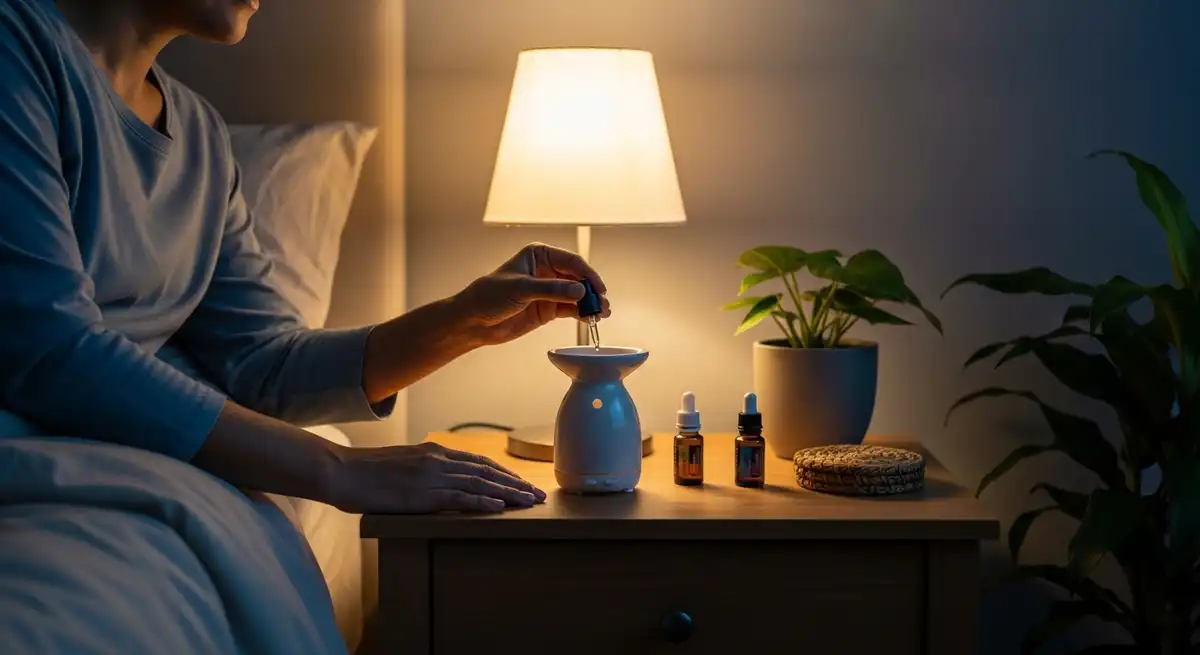
Diffusion is a popular way to use essential oils in the evening. It allows aroma to spread gently without touching the skin. This method suits shared spaces and people with sensitive skin.
Most lifestyle guidance suggests diffusing oils before bedtime rather than all night. Thirty to sixty minutes is often enough to establish a calming atmosphere. Continuous diffusion may feel overwhelming for some.
Room size and airflow matter. Using fewer drops in a small space helps maintain comfort. Adjusting diffusion habits based on personal response supports a positive experience.
Topical Use and the Role of Dilution
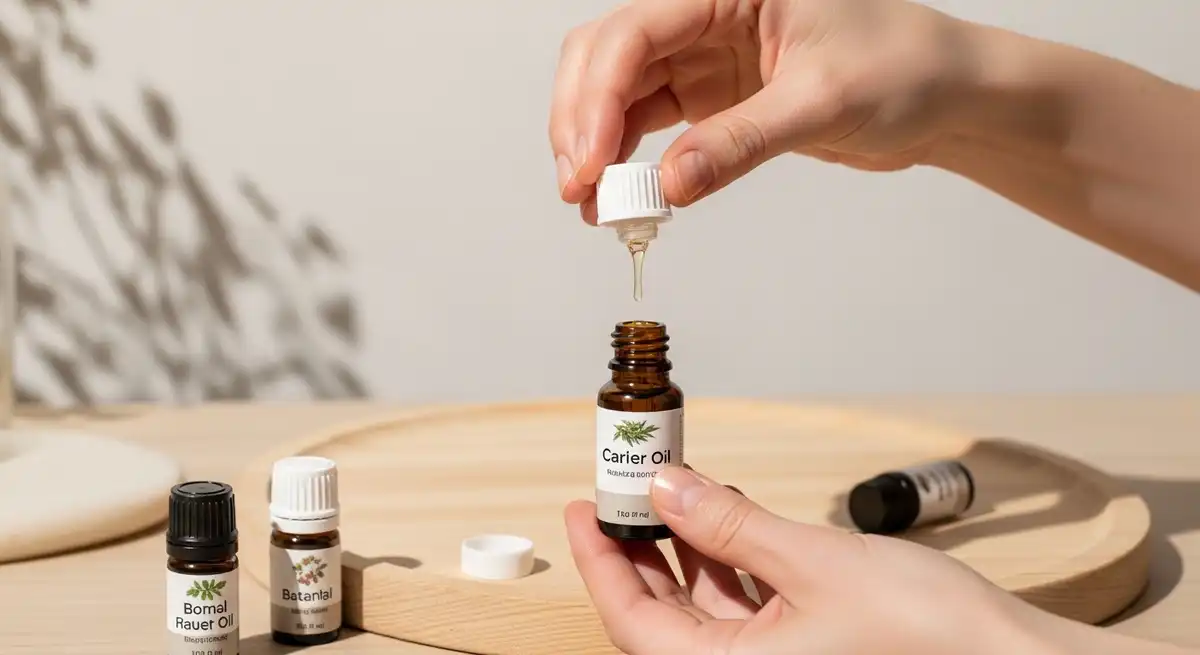
Topical use involves mixing essential oils with a carrier oil before skin application. This step is essential for safety and comfort. Undiluted oils can irritate skin over time.
A common adult dilution guideline is about two percent. This equals roughly twelve drops of essential oil per ounce of carrier oil. Lower dilutions are often used for sensitive skin.
Applying oils with gentle massage adds another calming element. The combination of scent and touch supports relaxation without force or intensity.
Pulse Points and Absorption Areas
Pulse points are areas where blood flow is close to the skin. Wrists, neck, and behind the ears are often mentioned in lifestyle routines. These areas are chosen for warmth and habit rather than medical reasons.
Applying diluted oil to these spots shortly before bed allows the aroma to linger. The warmth of the skin helps release scent slowly over time.
The soles of the feet are also commonly used. This practice is based on comfort and tradition, not anatomy. Many people find it grounding and easy to repeat nightly.
Bath Rituals and Dispersant Awareness
Some people include essential oils in evening baths as part of relaxation routines. Oils do not dissolve in water, which means they must be mixed properly. This step prevents skin irritation.
Carrier oils, unscented bath products, or Epsom salts are commonly used as dispersants. Mixing oils into these substances before adding them to water helps spread the aroma evenly.
Baths are usually kept warm, not hot, and brief. Comfort and safety come first. This practice remains optional and should feel soothing rather than stimulating.
Consistency Over Intensity
Consistency matters more than strength when using essential oils for sleep routines. Strong scents used occasionally do not build lasting associations. Repetition helps the nervous system recognize familiar patterns.
Many people notice changes after a few weeks of regular use. This reflects habit formation rather than chemical effects. The brain learns what certain cues mean over time.
Tracking experiences without judgment can be helpful. Adjustments are made slowly, based on comfort and response. This approach supports sustainability.
Integrating Oils Into Holistic Evening Routines
Essential oils work best alongside other calming habits. Lighting, noise levels, temperature, and activity all influence sleep readiness. Oils add another layer rather than acting alone.
Reducing screen exposure and dimming lights reinforce the same message as calming scents. Together, these elements create a consistent environment for rest.
This approach feels flexible and realistic. When one element changes, others still support the routine. Essential oils fit naturally into this broader pattern.
Parenting and Caregiving Considerations
Parents and caregivers often experience interrupted sleep due to responsibilities. In these situations, essential oils may support short moments of calm rather than full rest. This realistic framing prevents disappointment.
Small rituals still matter. Applying a familiar scent after children settle can signal a personal transition. Even brief consistency can support emotional relief.
Safety remains important in shared homes. Diffusion should be light and well ventilated. Awareness of children and pets guides responsible use.
Working Life and Mental Load Relief
Work responsibilities often carry mental strain into the evening. Essential oils are sometimes used to mark the end of the workday. This symbolic boundary can support emotional separation.
Simple habits like diffusing a familiar scent during evening routines reinforce closure. These actions are about signaling rest, not increasing productivity.
This perspective respects real life limits. Essential oils support comfort and routine, not perfection. Their role remains modest and supportive.
Quality and Sourcing Awareness
Not all essential oils are made or labeled the same way. Transparency matters for safety and trust. Botanical names and testing information are often cited in quality discussions.
Dark glass bottles help protect oils from light exposure. Clear labeling supports informed use. Uniform pricing across oils may suggest synthetic blends.
These details help consumers make thoughtful choices. While marketing terms vary, documentation and clarity are practical indicators of quality.
Managing Expectations Without Overpromising
Essential oils are often described as supportive rather than corrective. They may feel calming, but they do not guarantee sleep improvement. Individual experiences differ.
Pleasant effects may be noticed quickly, while routine benefits develop slowly. This timeline reflects habit building rather than intervention.
This grounded approach reduces pressure. Essential oils are one small part of a healthy sleep routine. Their value lies in consistency and comfort.
Safety for Pets, Children, and Pregnancy
Pets can be sensitive to essential oils, especially cats. Diffusion should always allow animals to leave the room. Certain oils are avoided in shared spaces.
For children, lower dilutions and fewer oils are typically used. Infants require special caution, and many practitioners advise avoiding oils entirely during early months.
During pregnancy, reduced concentrations and careful selection are common recommendations. Professional guidance supports informed decisions and safety.
Everyday FAQ Style Clarifications
Where do you rub lavender oil for sleep?
Lavender oil is commonly applied to wrists, neck, or the soles of the feet when used for sleep routines. These areas are chosen for comfort and habit rather than medical absorption. Proper dilution with a carrier oil is essential to reduce irritation and support safe, long term use.
Which essential oil is best for deep sleep?
Cedarwood is often associated with deeper, more stable sleep, while lavender is linked with easier sleep onset. The best choice depends on individual experience and routine consistency. Many people observe their response over several nights to decide which feels most supportive.
Can I leave my diffuser on all night?
Leaving a diffuser on all night is usually unnecessary. Many people prefer diffusing for thirty to sixty minutes before bed to avoid sensory fatigue. Ventilation, room size, and personal sensitivity all influence what feels comfortable.
Is it safe to put essential oils directly on skin?
Essential oils should not be applied directly to the skin without dilution. Undiluted oils may cause irritation or sensitivity over time. Mixing oils with a carrier oil and doing a patch test supports safer topical use.
How do essential oils help you fall asleep faster?
Essential oils support sleep readiness by creating calming sensory cues. Familiar aromas help signal relaxation rather than forcing sleep. Consistent use alongside quiet routines strengthens this association.
What are the best essential oils for sleep and anxiety?
Lavender, Roman chamomile, bergamot, and frankincense are often mentioned for emotional calming in evening routines. These oils are associated with relaxation rather than sedation. Individual responses vary based on preference and consistency.
Do essential oils really work for insomnia?
Essential oils may support mild, stress related sleep difficulties as part of lifestyle routines. They are not treatments for insomnia or sleep disorders. Ongoing sleep problems should be discussed with a qualified healthcare professional.
Can essential oils interact with sleep medications?
Essential oils may increase feelings of drowsiness when combined with sleep medications. This interaction varies by individual and substance. Consulting a healthcare provider supports safe decision making.
What essential oils are toxic to dogs and cats?
Some oils, including tea tree and eucalyptus, are known to be risky for pets. Cats are especially sensitive. Using light diffusion and allowing pets to leave the room helps reduce risk.
How many drops should I put in my diffuser for sleep?
Most diffusers use four to six drops of essential oil. Starting with fewer drops helps gauge comfort. Adding more does not increase effectiveness and may cause discomfort.
Calm Editorial Conclusion
Essential oils can play a small but meaningful role in evening routines focused on rest. Used with care and realistic expectations, they support familiar cues that help the body slow down. Their value lies in consistency, comfort, and integration into daily life, not in promises or outcomes.
Medical Disclaimer
This content is for informational purposes only and does not constitute medical advice. It is not intended to diagnose, treat, cure, or prevent any disease. Consult a qualified healthcare provider before starting new wellness practices, especially if you have medical conditions.
For wider background on this, see the National Heart, Lung, and Blood Institute on sleep.