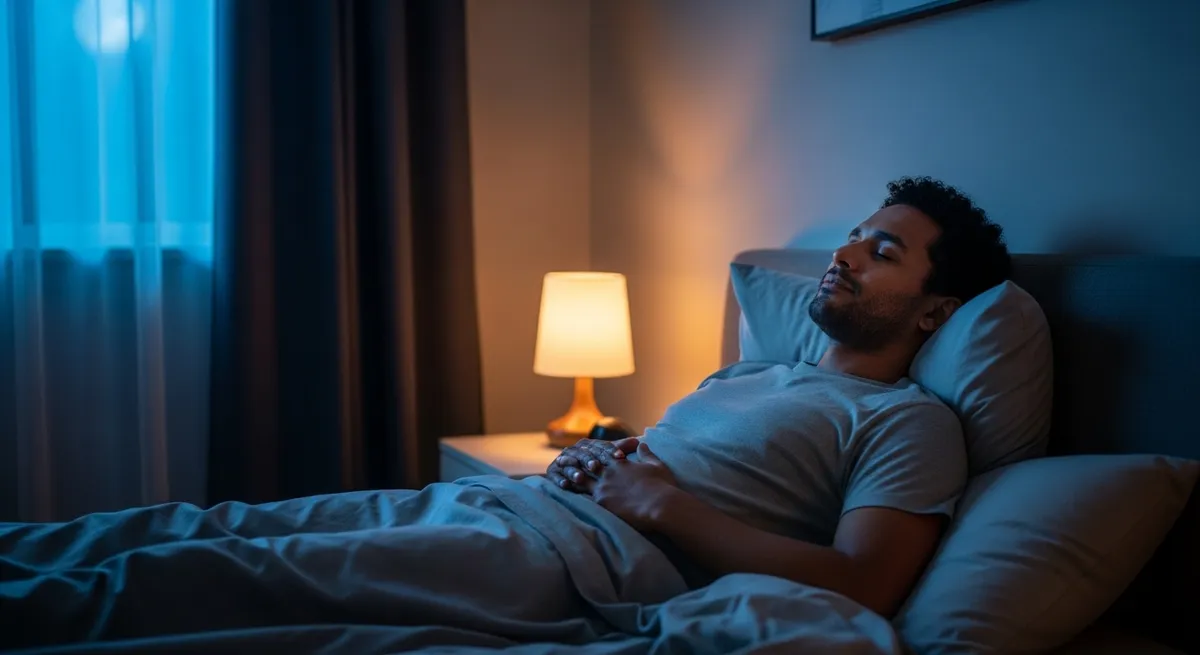
Evening anxiety often shows up when the day finally slows and mental noise becomes harder to ignore. Many people assume easing this tension requires major lifestyle changes or professional intervention. Everyday wellness education suggests otherwise, small, steady evening routines often support emotional settling. These routines create predictable signals that help the body and mind prepare for rest.
What are evening routines that reduce anxiety?
Evening routines that reduce anxiety are simple, repeatable habits practiced during the last one to three hours before sleep. They are commonly used to lower mental stimulation, support natural sleep signals, and reduce end of day restlessness. These routines rely on consistency rather than intensity and are generally framed as lifestyle supports, not treatments.
Evening Routines That Reduce Anxiety and Support Nervous System Balance
Circadian rhythm regulation and emotional stability
Evening routines that reduce anxiety often align daily behavior with the body’s internal clock, also known as the circadian rhythm. This rhythm influences alertness, hormone release, and sleep readiness. When evenings stay overstimulating, the body can remain in a state of alertness longer than needed, which many people associate with restlessness and emotional tension.
Consistent timing plays a key role in circadian stability. Starting wind down activities at roughly the same time each evening helps the brain anticipate rest. Over time, this predictability may reduce mental resistance to sleep and support smoother transitions from daytime responsibilities into quieter nighttime states.
Transitioning from cognitive doing to restorative being
Many people spend evenings still mentally engaged in problem solving, planning, or replaying conversations. Evening routines that reduce anxiety often focus on shifting attention away from productivity and toward presence. This transition is commonly associated with reduced mental load and a softer emotional tone before bed.
Simple symbolic actions can support this shift. Changing clothes, washing the face, or dimming lights serve as physical markers that the active part of the day is ending. Repeating the same actions nightly helps the brain associate these cues with slowing down and releasing effort.
Strategic Nutrition and Cortisol Regulation Before Sleep
Magnesium and neurotransmitter balance
Magnesium is frequently discussed in wellness education because of its role in nervous system signaling. It contributes to processes that help balance excitatory and calming neurotransmitters. Low dietary magnesium intake has been linked in population studies with sleep complaints and higher perceived stress, though individual experiences vary.
Food based sources are often emphasized first. Leafy greens, legumes, seeds, and whole grains naturally contain magnesium along with fiber and other nutrients. Supplement use is generally presented as optional and best discussed with a healthcare provider, especially for people managing health conditions or medications.
Timing dinner for nervous system recovery
The timing and size of evening meals can influence how settled the body feels at night. Heavy or late dinners may keep digestion active during rest hours. Lifestyle guidance often suggests earlier, lighter dinners to support physical comfort and reduce nighttime disruptions.
Eating two to three hours before bedtime allows digestion to progress before sleep. Meals that balance protein, vegetables, and healthy fats are commonly recommended in general wellness contexts. These adjustments aim to support overnight rest rather than control weight or health outcomes.

Managing Cognitive Arousal and Nighttime Worry Patterns
Brain dumping versus reflective journaling
Mental overactivity is a common contributor to difficulty settling at night. Writing practices used in evening routines that reduce anxiety usually focus on offloading thoughts rather than exploring emotions. Listing tasks for the next day gives the brain permission to stop holding information in working memory.
Research in behavioral science suggests that structured to do lists may shorten the time it takes to fall asleep. The key is keeping the practice brief and practical. Five minutes is often enough to create mental closure without triggering deeper reflection.
Scheduled worry time and emotional containment
Another strategy discussed in everyday wellness guidance is scheduling worry earlier in the evening. This approach creates a defined space for concerns, reducing the chance they surface at bedtime. By setting boundaries around worry, emotional spillover into rest time may lessen.
Scheduled worry time is usually framed as acknowledgement rather than problem solving. Writing concerns down and identifying what can or cannot be influenced helps create perspective. When worries appear later, reminding oneself they already have space can feel grounding.
Somatic Relaxation and Parasympathetic Activation Techniques
Progressive muscle relaxation for physical anxiety
Stress often shows up physically as tight shoulders, clenched jaws, or shallow breathing. Progressive muscle relaxation is commonly used in non clinical settings to address this physical tension. The practice involves gently tensing and releasing muscle groups in a slow, deliberate sequence.
Focusing on physical sensation can redirect attention away from repetitive thoughts. The contrast between tension and release helps the body recognize relaxation more clearly. Many people include this practice in evening routines because it requires no equipment and can be done in bed.
Breathwork and non-sleep deep rest practices
Slow breathing techniques are widely discussed as tools for calming the nervous system. Lengthening the exhale is often associated with signals of safety and reduced alertness. These techniques are usually practiced for a few minutes rather than extended periods.
Non sleep deep rest practices, including guided rest or yoga nidra style recordings, offer another option. They encourage physical rest without pressure to fall asleep. This approach can feel supportive when anxiety is linked to fear of not sleeping.
Closing paragraph Evening routines that reduce anxiety focus on steadiness rather than control. Small, predictable habits help evenings feel less scattered and more contained. When practiced consistently, these routines may support smoother transitions into rest. The emphasis remains on patience and adaptability, allowing calm to develop gradually instead of being forced.
Frequently Asked Questions
What is the best 30 minute evening routine for anxiety?
A balanced thirty minute routine often combines dim lighting, brief writing, gentle breathing, and a quiet activity like reading. This structure supports mental closure and reduced stimulation. Consistency matters more than the exact steps, and routines work best when they feel manageable within everyday schedules.
Does magnesium actually help with nighttime panic attacks?
Magnesium plays a role in nervous system signaling and is commonly discussed in relation to relaxation. Some people report feeling more settled when dietary intake is adequate. It is not a treatment for panic, and anyone experiencing panic symptoms should consult a qualified healthcare professional.
How do I stop my brain from worrying before sleep?
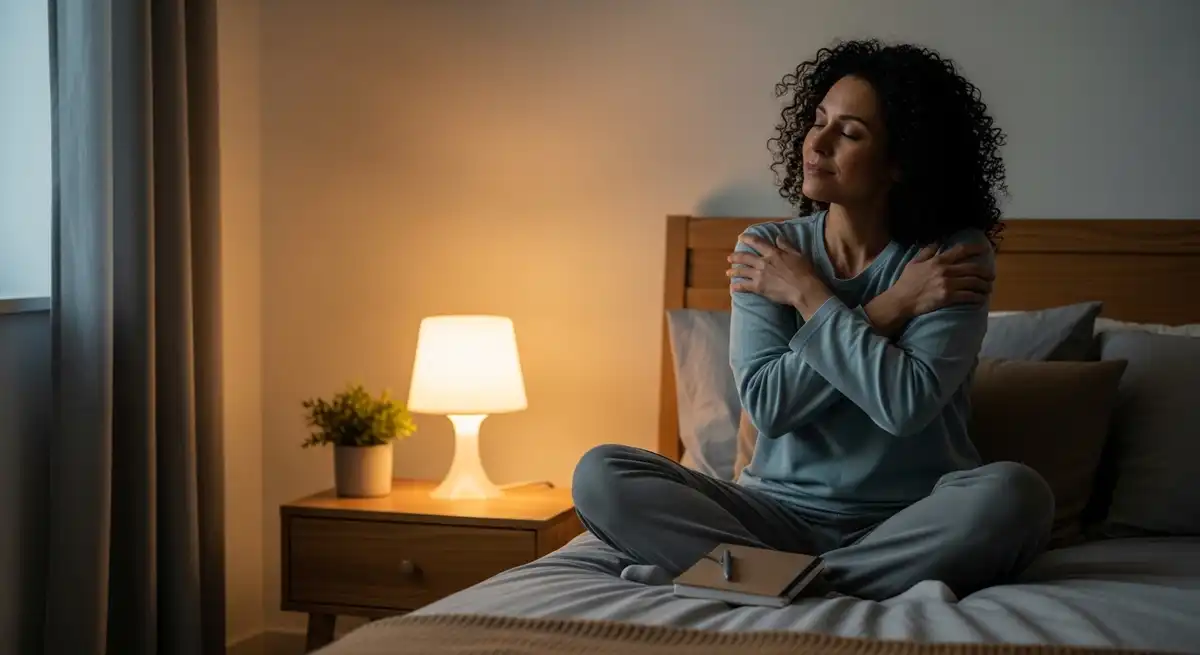
Stopping worry usually involves containment rather than force. Writing tasks or concerns earlier in the evening can reduce mental replay at bedtime. Pairing this with calming activities helps signal that thinking time has ended, allowing the mind to gradually disengage.
What is the 4-7-8 breathing technique for anxiety?
The 4 7 8 technique uses timed breathing, inhaling for four counts, holding for seven, and exhaling for eight. This pattern slows breathing and encourages relaxation. It is commonly practiced gently for a few cycles and stopped if discomfort or dizziness occurs.
How long should I avoid blue light before bed?
Wellness guidance often suggests reducing bright screen exposure two to three hours before sleep. Blue light can delay natural sleep signals in some people. When avoidance is difficult, dimming screens and lights may still support a calmer evening environment.
Can NSDR replace sleep if I feel anxious?
Non sleep deep rest does not replace sleep. It is commonly used as a supportive rest practice when anxiety interferes with settling down. Many people find it reduces pressure around sleep, which can make natural sleep easier later.
What kind of weighted blanket is best for anxiety?
Weighted blankets are often chosen at about ten percent of body weight. They provide steady pressure that some people find calming. Individuals with breathing, circulation, or mobility concerns are generally advised to check with a healthcare provider before use.
Why does writing a to-do list help sleep?
Writing a to do list helps externalize responsibilities. This reduces the brain’s need to keep tasks active overnight. Research suggests that clear, specific lists are more effective than vague notes or reflective journaling when used before bed.
Are Ayurvedic evening rituals safe for everyone?
Many Ayurvedic inspired evening practices, such as warm drinks or foot massage, are gentle lifestyle rituals. Responses vary by individual. Anyone with allergies, medical conditions, or pregnancy considerations should consult a qualified professional before adopting new practices.
How long does it take evening routines to reduce anxiety?
Some people notice immediate calming effects, while broader changes often take weeks. These routines rely on repetition and consistency. Individual responses vary, and ongoing distress may require professional support alongside lifestyle adjustments.
Medical Disclaimer
This content is for informational purposes only and does not constitute medical advice. It does not diagnose, treat, cure, or prevent any condition. Consult a qualified healthcare provider before starting any new wellness practice, supplement, or routine, especially if you have health concerns.
For wider background on this, see the National Heart, Lung, and Blood Institute on sleep.