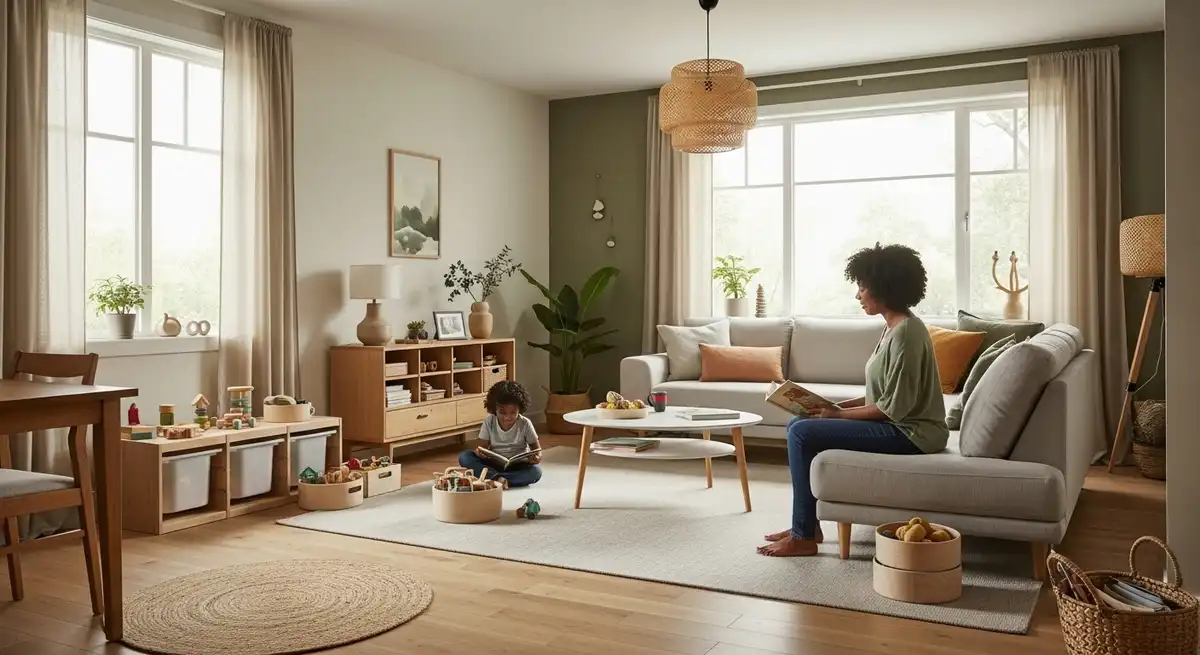
A clean home is often linked with discipline or control, yet most households operate under real pressure, not ideal conditions. Parents, caregivers, and working professionals usually juggle overlapping responsibilities, limited energy, and constant interruptions. Because of this reality, long cleaning sessions tend to feel exhausting and unsustainable, which explains why shorter daily routines are gaining attention in modern lifestyle guidance.
This routine reflects a wider shift in wellness thinking toward steady, realistic habits rather than extreme effort. Lifestyle educators increasingly focus on systems that fit everyday life instead of ideal standards that quietly raise stress levels. A fifteen minute daily cleaning routine works within real schedules by prioritizing consistency and maintenance rather than chasing perfection.
The goal is not to lower hygiene standards or ignore household care. Instead, it aligns cleaning with human capacity, energy, and attention. Small, predictable actions reduce mental load and decision fatigue, which are common challenges in busy homes, and over time help create a calmer, more manageable living environment.
Minute cleaning routine: Understanding the 15-Minute Daily Cleaning Routine as a Lifestyle System
The fifteen minute daily cleaning routine functions as a maintenance system rather than a deep cleaning strategy. It focuses on brief, time-limited sessions that address high-impact tasks before mess and clutter accumulate. Wellness educators often describe this as a practical way to keep homes functional without turning cleaning into a recurring source of stress.
Time limits play a key role in making the routine approachable. Open-ended tasks often trigger avoidance because they feel overwhelming before they even begin. A clear start and stop point helps cleaning feel contained and predictable, which supports consistency across busy weeks.
This approach also helps separate personal worth from household appearance. Many people carry emotional pressure tied to cleanliness expectations shaped by family or culture. A short daily routine reframes cleaning as neutral upkeep, not a reflection of discipline, success, or identity.
The Role of Time Boundaries in Daily Cleaning Habits
Time boundaries are central to the success of the fifteen minute daily cleaning routine. Behavioral science shows that tasks with defined limits are easier to begin because they reduce anticipatory stress. Knowing there is a clear end makes it easier to fit cleaning into already full days.
Boundaries also protect against burnout. Without limits, short cleaning intentions often expand into long sessions driven by frustration or obligation. Stopping at fifteen minutes reinforces the idea that maintenance is enough and that rest and personal time still matter.
Over time, these limits build trust in the system itself. Instead of waiting for motivation or free time, people rely on the routine. This predictability supports habit formation and allows cleaning to exist alongside work, family, and rest without taking over.
Psychological Principles Supporting Short Cleaning Sessions
Short cleaning sessions align with well established ideas in behavioral psychology, particularly activation energy and task initiation. Starting any task usually takes more effort than continuing it, especially when the task feels undefined. A fifteen minute limit lowers that barrier by making the commitment feel manageable.
Once movement begins, momentum often follows. This does not mean longer sessions are required, but it explains why brief routines can feel surprisingly effective. The system depends on repetition and structure, not intensity, which matches what research shows about long-term habit formation.
Importantly, this routine does not frame cleaning as emotional coping or stress treatment. It remains a practical lifestyle habit that supports order and reduces background strain. Keeping this boundary ensures the approach stays educational and appropriate for everyday wellbeing guidance.
Establishing a Daily Tidy Baseline Through Simple Actions
A tidy baseline refers to a consistent level of order that allows a home to feel functional and comfortable most days. It does not imply perfection or constant organization, only that obvious clutter and hygiene issues are addressed regularly. The fifteen minute routine is designed to protect this baseline through small, repeated actions.
Maintaining a baseline reduces the need for emergency cleaning sessions that often arise before guests or events. Those sessions usually feel stressful because they address weeks of buildup at once. Daily maintenance spreads effort evenly and avoids extremes.
From a lifestyle perspective, a stable environment reduces decision fatigue. When surfaces are mostly clear and essentials are easy to find, daily life requires less mental effort. This benefit is subtle but meaningful over time.
Making Beds as a Visual Reset Practice
Making the bed is often included because it quickly restores visual order to a personal space. The task usually takes less than two minutes and immediately changes how a room feels. Visual cues strongly influence perceptions of cleanliness and calm, even when other areas are not perfect.
This practice is not about achieving a styled bedroom. It works because a made bed discourages clothing and items from piling up during the day. Over time, this habit reduces clutter without additional organizing.
In family homes, bed making can be adapted to age and ability. Younger children may straighten blankets, while older children manage their own bedding. Shared responsibility supports life skills without pressure.
Clearing Floors to Support Safety and Flow
Floor clearing focuses on items that collect in walkways, such as shoes, bags, toys, and laundry. These areas affect how clean a home feels more than hidden spaces because they interrupt movement and visibility. Addressing them daily prevents clutter from becoming normal.
Clear floors also support safety. Fewer obstacles reduce tripping risks, especially in homes with children or older adults. They also make later vacuuming quicker and easier.
Open pathways create a sense of space even in smaller homes. This improves flow during busy times and supports a calmer daily rhythm. The focus stays on function rather than appearance.
Wiping Counters and Sinks for Everyday Hygiene
Counters and sinks are high-use surfaces that benefit from frequent light cleaning. Food residue, moisture, and daily contact can lead to buildup if ignored. A quick daily wipe addresses hygiene without turning into a deep cleaning task.
Health organizations commonly recommend regular surface cleaning as part of basic household hygiene. This routine supports that guidance in a realistic way by focusing on visible, frequently touched areas.
Light daily maintenance also prevents residue from hardening. That reduces the need for harsher products or longer scrubbing sessions later. The result is a cleaner space achieved through consistency.
Managing Daily Clutter Without Over Organizing
Daily clutter includes mail, school items, bags, and small objects that enter the home. When left unattended, these items spread across surfaces and increase visual noise. A brief daily reset keeps clutter contained.
The goal is not deep organization but simple return. Items go back to general homes rather than being sorted perfectly. This avoids decision fatigue and keeps the task short.
This approach respects the reality of busy households. By focusing on reset instead of reorganization, the routine stays sustainable. Over time, awareness of what enters the home naturally increases.
Completing One Full Load of Laundry Daily
Laundry often becomes stressful because it builds quietly until it feels overwhelming. Completing one full load from washing through putting away prevents backlog. Effort stays evenly distributed across the week.
Partial laundry tasks tend to increase mental load. Clean clothes waiting to be folded still feel unfinished. Completing the full cycle provides closure and reduces background stress.
This habit can be adjusted based on household size. The principle is completion, not volume. Even small daily loads support consistency and reduce weekend pressure.
Using Zone Cleaning to Address Deeper Tasks Gradually
Zone cleaning assigns specific areas or task types to different days of the week. This allows deeper maintenance without overwhelming any single day. The fifteen minute routine often includes one small zone focus alongside daily basics.
Bathrooms may receive attention one day, dusting another. Over the week, all areas are addressed without requiring long sessions. The structure ensures nothing is ignored.
Zone cleaning also allows flexibility. Missed days do not derail the system. This adaptability is essential for long-term use in real homes.
Bathroom Maintenance Without Exhaustion
Bathrooms strongly affect comfort because they are used frequently. Focusing on toilets, sinks, and mirrors addresses the most noticeable elements quickly. Floors and detailed scrubbing can wait.
Regular light cleaning prevents buildup that would later require stronger products or extended effort. This keeps bathroom care manageable within short time limits.
In shared households, spreading tasks across days reduces fatigue and conflict. Maintenance becomes routine rather than reactive, supporting calmer daily living.
Dusting and Surface Care for Indoor Comfort
Dust builds gradually and often goes unnoticed until it becomes heavy. Weekly light dusting prevents this accumulation and supports indoor comfort. Microfiber cloths capture particles instead of spreading them.
Regular dusting is commonly associated with better indoor air comfort, especially for people sensitive to allergens. This benefit is supportive rather than medical.
Within a short routine, dusting remains focused. High-visibility surfaces receive attention first, keeping effort efficient and effective.
Vacuuming and Mopping as Complementary Practices
Vacuuming removes dry debris that affects comfort and floor condition. Assigning it to a specific day ensures consistency without daily repetition. Efficient patterns improve results without adding time.
Mopping works best after vacuuming because loose debris is already removed. Light, controlled mopping supports cleanliness without soaking floors.
Together, these practices maintain floors through steady upkeep. When spread across the week, they fit easily into a maintenance routine.
Catch All Days for Flexibility and Adjustment
A catch all day provides space to handle missed tasks or extra needs. This prevents small disruptions from breaking the system. It also allows time for fridge checks and supply resets.
Checking food storage supports freshness and reduces waste. Including it in a routine keeps the task brief and manageable.
Flexibility strengthens sustainability. Catch all days acknowledge that schedules change. The routine adapts rather than collapses.
Decluttering as a Separate, Supportive Practice
Decluttering differs from cleaning because it involves decisions rather than maintenance. Keeping it separate prevents daily routines from becoming overwhelming. Simple frameworks support this separation.
Short decluttering methods focus on removal, not organization. This reduces emotional strain and speeds progress. Less clutter makes daily cleaning easier over time.
Decluttering is presented as a practical support, not an emotional requirement. This framing keeps it within safe lifestyle guidance.
The 12 12 12 Method for Larger Areas
The 12 12 12 method involves choosing twelve items to discard, twelve to donate, and twelve to relocate. Fixed numbers limit decision fatigue and create clear stopping points.
This structure prevents perfectionism. Progress is measured by completion, not outcome. The method keeps decluttering emotionally manageable.
Used periodically, it gradually reduces excess. Maintenance becomes easier without dramatic cleanouts.
The 5 5 5 Method for Small Spaces
The 5 5 5 method applies the same idea to drawers and counters. Selecting five items to keep, toss, and relocate simplifies decisions.
This method works well for high-traffic trouble spots. Regular use prevents buildup and keeps these areas functional.
Its simplicity supports consistency. The task fits easily into short routines.
Finding the Right Time for Daily Cleaning
The best time for cleaning depends on energy patterns and household flow. Many people prefer late afternoon or early evening when movement helps transition from work. Others use brief morning windows.
Linking cleaning to existing habits improves consistency. Starting after dinner or during laundry cycles reduces reliance on motivation.
Timing stays flexible. Regularity matters more than choosing the perfect hour.
Involving Family Members Appropriately
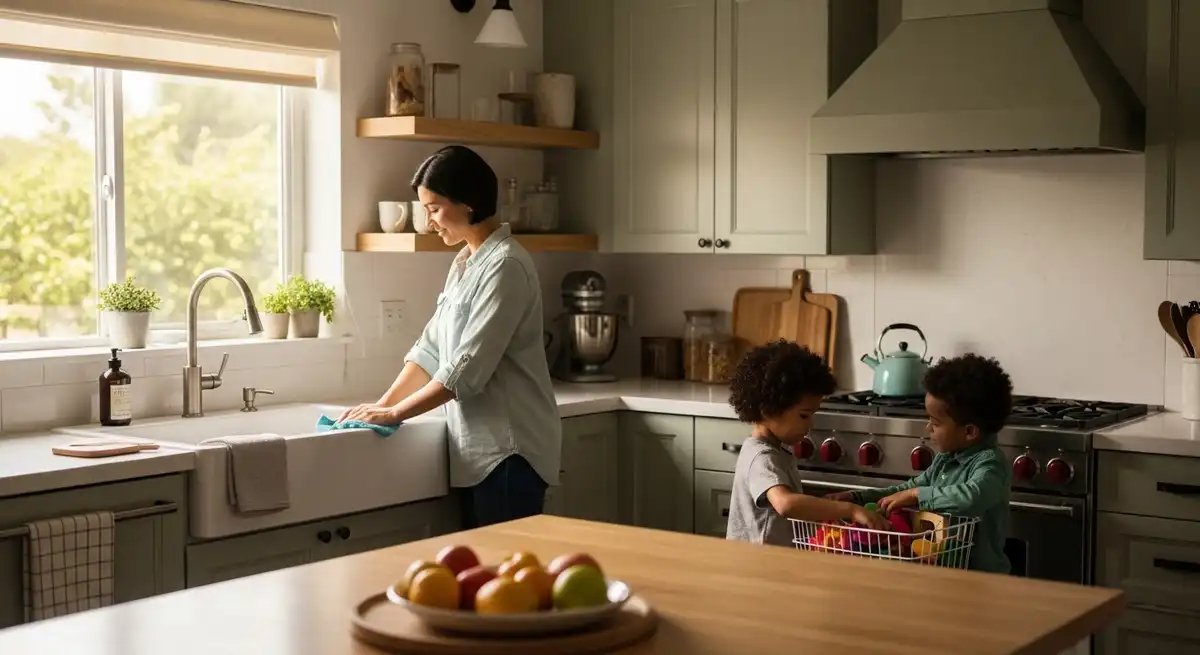
Shared spaces function better when care is shared. Age-appropriate tasks allow children to contribute without pressure. Skills develop gradually.
Shared responsibility reduces strain on one person. It also normalizes maintenance as part of daily life.
Tasks stay simple and brief. Contribution matters more than performance.
Avoiding Common Pitfalls in Daily Cleaning Routines
Letting sessions expand beyond fifteen minutes weakens the system. Longer sessions often lead to fatigue and resistance. Stopping on time protects consistency.
Mixing deep cleaning into daily maintenance also creates overload. Each type of task works best when separated.
Perfectionism disrupts habits. Accepting good enough results supports long-term use.
Re Entry After Missed Days Without Guilt
Missed days are part of real life. Illness, travel, and busy periods interrupt routines. Restarting without compensation keeps balance.
There is no need to double sessions. Returning to the next scheduled routine is enough.
This flexibility builds resilience and keeps the routine supportive.
Long Term Benefits of Consistent Maintenance
Over time, daily maintenance reduces total cleaning hours. Tasks stay lighter and less frequent. Personal time increases.
A maintained environment reduces background stress. Homes feel predictable and manageable.
Benefits develop gradually and vary by household. The routine works as support, not a promise.
Frequently Asked Questions
How can a whole home feel clean with only fifteen minutes daily
A home feels clean when visible clutter and basic hygiene are handled consistently. Daily maintenance prevents buildup that leads to long sessions. Over time, steady upkeep keeps spaces functional and comfortable without intensive effort.
Is this routine suitable for working parents
This routine is commonly used by working parents because it respects limited time and energy. Short sessions fit into busy days without requiring long blocks. The structure supports balance rather than adding pressure.
Does daily cleaning replace deep cleaning entirely
Daily cleaning reduces how often deep cleaning is needed but does not remove it completely. Maintenance keeps spaces functional while deeper tasks happen occasionally. Separating the two prevents exhaustion.
Is this approach safe from a health perspective
The routine aligns with general hygiene guidance by supporting regular surface cleaning. It does not replace professional or medical recommendations. It functions as everyday household maintenance.
What happens if days are missed
Missed days are handled by simply resuming the routine. There is no need to catch up aggressively. This flexibility supports long-term consistency.
Can children participate in this routine
Children can participate through simple, age-appropriate tasks. These responsibilities support skill development without pressure. Participation remains flexible.
Does a tidy home affect emotional wellbeing
Maintained environments are commonly linked with lower background stress. Clear surfaces and predictable routines support daily comfort. Effects vary by individual.
Is this routine suitable for small homes
Small homes often benefit from daily maintenance because clutter accumulates faster. Short routines help keep limited space functional.
Does this routine require special tools
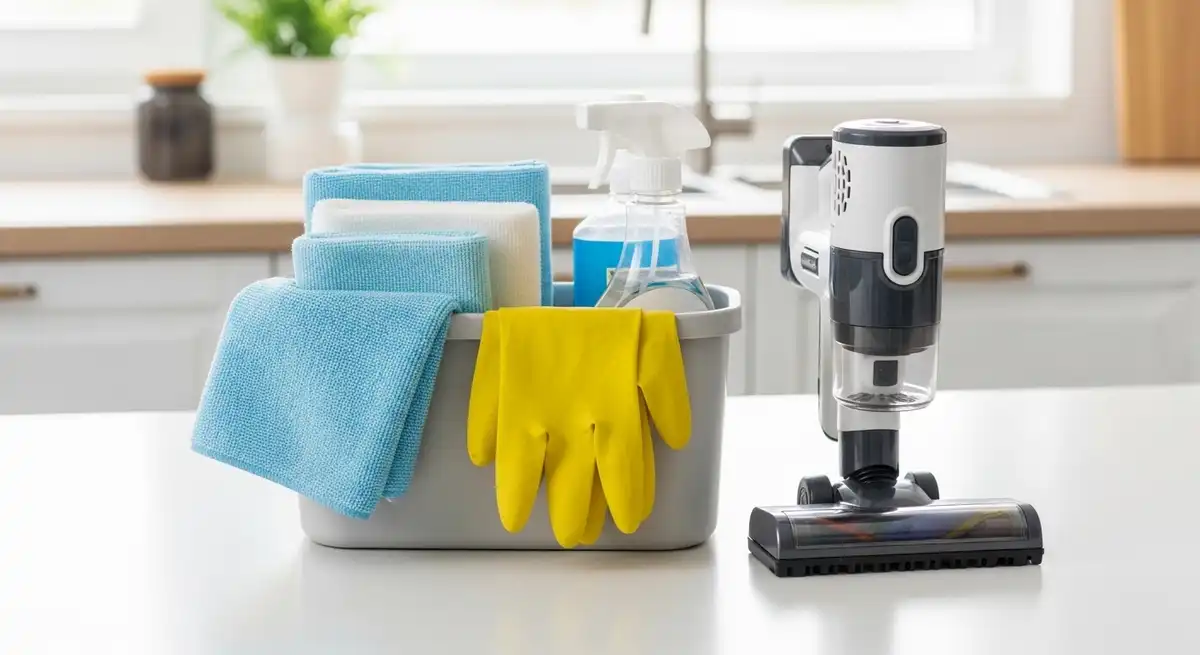
Basic cleaning supplies are enough. Keeping tools accessible improves efficiency. No specialized equipment is required.
How long before results are noticeable
Many people notice improvement within one or two weeks. Consistency matters more than intensity. Changes build gradually.
Conclusion
The fifteen minute daily cleaning routine works as a lifestyle support rather than a productivity challenge. By focusing on maintenance, clear boundaries, and realistic expectations, it fits everyday life. Over time, this approach supports calmer homes, reduced overload, and a healthier relationship with daily responsibilities.
Medical Disclaimer
This content is for informational purposes only and does not constitute medical advice. It does not diagnose, treat, cure, or prevent any condition. Always consult a qualified healthcare provider regarding health concerns or before making changes affecting physical or mental wellbeing.
For wider background on this, see the National Heart, Lung, and Blood Institute on sleep.