
Used well, 16 Affirmations for Anxiety Empowerment are a rehearsal for what you say to yourself under pressure. Anxiety can influence how people think, react, and move through everyday routines. Many individuals experience moments where stress feels automatic, especially during busy schedules, parenting responsibilities, or work-related pressure. Simple, consistent mental practices such as affirmations are often used to support awareness, steadiness, and a more balanced response to everyday challenges.
Affirmations are not a replacement for professional care, but they are widely used as supportive tools in daily wellness routines. When practiced regularly, they can help guide attention away from repetitive worry patterns and toward more constructive thinking. Over time, this approach may support emotional balance and a calmer mental environment in practical, everyday situations.
Understanding Affirmations for Anxiety Empowerment
Affirmations for anxiety empowerment are intentional statements repeated to encourage supportive thought patterns. They are often included in mindfulness and emotional regulation practices to reduce repetitive worry cycles. Many wellness educators describe affirmations as a simple way to introduce clarity and steadiness into everyday thinking habits without requiring complex techniques or tools.
This idea connects with self-affirmation theory, which suggests that reflecting on personal values can help maintain a stable sense of identity during stress. It does not remove anxiety completely, but it may reduce its intensity in daily situations. Over time, consistent practice can support a more balanced emotional response to common challenges.
From a neuroscience perspective, affirmations are linked with positive neuroplasticity, which refers to the brain’s ability to adapt based on repeated experiences. When people focus on supportive thoughts regularly, the brain becomes more familiar with those patterns. This familiarity can make it easier to return to a calmer state during stressful moments.
The Role of Daily Practice in Emotional Stability
Daily repetition helps affirmations feel natural and meaningful rather than forced or artificial. Short, consistent sessions are often more useful than occasional longer efforts because they support habit formation. Integrating affirmations into existing routines can make them easier to maintain over time.
Morning and evening moments are commonly used because they align with natural transitions in the day. Many people find that starting the day with intentional thoughts creates a steady tone, while evening reflection helps process experiences calmly. This rhythm supports a more predictable and balanced mental routine.
Affirmations are often paired with simple practices like breathing exercises or quiet reflection. This combination helps connect thoughts with physical sensations, which can make the experience more grounded. Over time, this approach supports both mental clarity and physical relaxation in daily life.
16 Affirmations for Anxiety Empowerment
1. I acknowledge my strengths and capabilities in overcoming anxiety
This affirmation brings attention to personal strengths instead of focusing only on difficulties. Anxiety can narrow perspective and make everyday situations feel harder than they are. Recognizing strengths supports a more balanced view of yourself and encourages steady decision-making in routine situations.
Repeating this statement regularly can help reinforce self-trust over time. Many people begin to recall past experiences where they managed challenges successfully. This shift in focus supports a more grounded mindset and reduces the tendency to underestimate personal abilities.
2. My brain has the ability to reshape itself for peace and resilience
This statement reflects the concept of neuroplasticity, which describes how the brain adapts through repeated experiences. It highlights that current thought patterns are not fixed and can gradually change with consistent practice. This understanding can reduce the feeling of being stuck in anxious thinking.
Practicing this affirmation supports a sense of flexibility in mental habits. It encourages patience and a long-term perspective rather than expecting quick results. Many people find this approach helps them stay consistent with small daily efforts.
3. I am the master of my thoughts, and I choose thoughts that promote serenity
This affirmation emphasizes that while thoughts may arise automatically, attention can be guided intentionally. It supports awareness of mental patterns and encourages choosing more balanced perspectives. This idea is commonly used in mindfulness-based approaches.
Repeating this statement helps build awareness of unhelpful thinking habits. Over time, individuals may find it easier to shift focus toward calmer thoughts. This gradual change supports emotional regulation and reduces reactivity in everyday situations.
4. I am safe, and I trust in my resilience to face this moment
This affirmation focuses on present moment awareness and a sense of safety. Anxiety often involves anticipating future challenges, which can increase stress unnecessarily. Bringing attention back to the present helps reduce this pattern.
Trusting personal resilience supports a steadier response to daily situations. Many individuals find that this affirmation helps them pause before reacting. This creates space for thoughtful decisions instead of automatic reactions.
5. I choose to behave based on who I authentically am, irrespective of anxiety
This statement separates identity from emotional experience. Anxiety may influence thoughts, but it does not define personal values or character. Recognizing this distinction can support more intentional behavior in daily life.
Practicing this affirmation can reduce avoidance patterns linked to anxiety. Many people use it to guide actions that align with their values. Over time, this approach builds consistency and confidence in decision-making.
6. Every calming breath I take strengthens my peace response
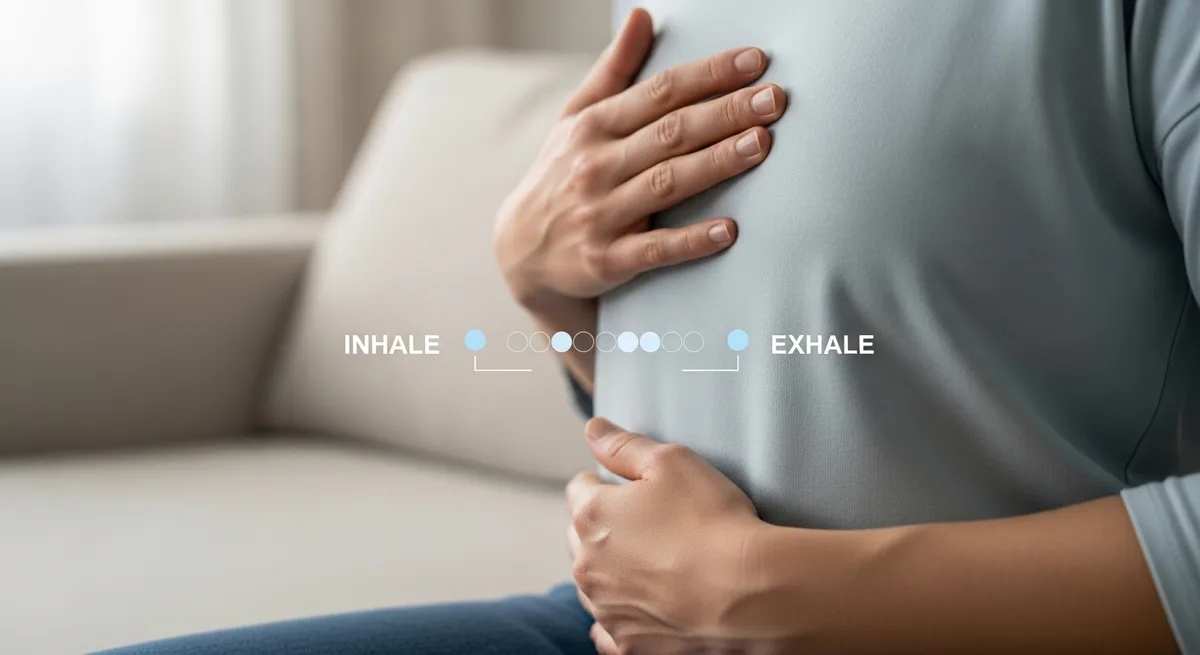
This affirmation connects breathing with emotional awareness. Slow breathing is widely used to support relaxation and reduce physical tension. Linking breath with affirmations strengthens this connection.
Repeating this statement during breathing exercises can improve focus and consistency. Many individuals notice it becomes easier to return to a calm state during stress. This supports both mental and physical balance.
7. I release the power that fear has over me and embrace the present
This affirmation encourages shifting attention away from future-focused worry. Anxiety often involves imagining situations that have not occurred. Focusing on the present can reduce this mental strain.
Practicing this statement regularly supports a grounded perspective. Many people use it to remind themselves to focus on what is manageable now. This approach supports a more balanced daily routine.
8. I am building a mind that is resilient, peaceful, and balanced
This statement highlights gradual growth instead of immediate change. Emotional resilience develops over time through consistent practice. Recognizing this helps reduce pressure.
Repeating this affirmation supports patience and steady progress. Many individuals find it helps them stay committed to small daily habits. This approach is commonly linked with sustainable emotional balance.
9. I am comfortable being myself, and I trust that others accept me as I am
This affirmation addresses concerns related to social situations. Anxiety can increase sensitivity to how others may perceive actions or words. Strengthening self-acceptance helps reduce this pressure.
Practicing this statement regularly may support more relaxed interactions. Many people find it encourages authenticity in communication. This contributes to more comfortable and meaningful connections.
10. I am brave in the face of uncertainty and trust my path
This affirmation focuses on accepting uncertainty as a normal part of life. Many situations do not have predictable outcomes. Viewing uncertainty with openness can reduce stress.
Repeating this statement supports emotional flexibility. Many individuals find it encourages gradual engagement with unfamiliar situations. This approach supports confidence over time.
11. My body is my sanctuary of calm, and I release all physical tension
This affirmation brings attention to the body as a source of stability. Anxiety often includes physical sensations like tension or restlessness. Recognizing the body as calm can help shift this experience.
Practicing this statement alongside gentle relaxation techniques supports physical ease. Many individuals find it helps them notice and release tension. This contributes to overall balance.
12. I welcome all my feelings and minimize my judgment of them
This affirmation encourages accepting emotions without immediate judgment. Trying to resist feelings can sometimes increase their intensity. Allowing emotions to be present supports natural regulation.
Repeating this statement builds self-compassion over time. Many people find it reduces internal conflict. This supports a calmer response to emotional changes.
13. I am enough exactly as I am in this moment
This affirmation addresses self-worth and reduces pressure from expectations. Anxiety can be linked with feeling inadequate. Reinforcing self-acceptance supports a stable internal foundation.
Practicing this statement regularly may reduce comparison and self-criticism. Many individuals find it encourages a balanced view of growth. This supports steady progress.
14. I trust myself to handle whatever comes my way with grace
This affirmation focuses on building trust in personal abilities. Confidence in handling situations can reduce anticipatory anxiety. This perspective supports a calmer approach.
Repeating this statement reinforces a sense of capability. Many people rely on it to feel more prepared. This contributes to emotional steadiness.
15. I am grounded in the present moment, finding calm in each breath
This affirmation emphasizes awareness of the present. Grounding techniques help reduce overthinking and support clarity. Focusing on breath anchors attention.
Practicing this regularly improves awareness of current experiences. Many individuals find it helps reduce repetitive thoughts. This supports a calmer state.
16. I am powerful, renewed, and supported by my own inner calm
This affirmation highlights internal strength and renewal. It emphasizes that calm can be developed through consistent practice. This perspective supports independence from external conditions.
Repeating this statement reinforces stability and confidence. Many people find it helps them feel prepared for daily challenges. This supports long-term resilience.
Mindfulness and Lifestyle Integration
Mindfulness practices are often used alongside affirmations to support awareness and balance. This involves paying attention to the present moment without judgment, which can reduce repetitive thinking. Combining mindfulness with affirmations creates a more complete daily routine.
Lifestyle balance also plays an important role in emotional wellbeing. Regular sleep, movement, and structured routines support stability. Affirmations can be integrated into these habits to reinforce supportive thinking.
For working individuals and parents, short and flexible practices are often more sustainable. Even a few minutes of reflection during daily transitions can be helpful. This approach supports consistency without adding pressure.
Frequently Asked Questions

Do affirmations actually work for anxiety
Affirmations are commonly used as a supportive practice to manage anxious thinking patterns. They help guide attention toward more balanced thoughts when repeated consistently. While they do not replace professional care, many people include them as part of a broader emotional wellbeing routine.
How many times a day should affirmations be repeated
Affirmations are often practiced once or twice daily as part of a routine. Consistency is generally more important than frequency. Short, regular sessions can support better long-term integration into daily habits.
Can affirmations rewire the brain
Affirmations are linked with neuroplasticity, which refers to the brain’s ability to adapt. Repetition of supportive thoughts may influence mental patterns over time. This process is gradual and depends on consistency.
Are affirmations suitable for everyone
Affirmations are generally safe for most individuals when used as a lifestyle practice. They are not a replacement for professional care. Many people use them alongside other supportive strategies.
How long does it take to notice changes
Some individuals notice subtle changes within a few weeks of consistent practice. Others may take longer depending on habits and circumstances. Gradual progress is commonly expected.
Can affirmations help with social anxiety
Affirmations are often used to support confidence in social situations. They help shift attention toward self-acceptance. This may contribute to a more comfortable experience over time.
Should affirmations be spoken out loud or silently
Both methods are commonly used based on preference. Speaking out loud may feel more engaging for some individuals. Silent repetition can be convenient in shared spaces.
Can affirmations replace therapy or medical care
Affirmations are not intended to replace professional care. They are best used as a complementary practice. Individuals experiencing ongoing distress are encouraged to seek professional support.
What is the best time to practice affirmations
Morning and evening are commonly preferred because they align with daily transitions. These moments support reflection and intention setting. However, affirmations can be practiced anytime.
Are affirmations scientifically supported
Affirmations are supported by psychological theories and research on neuroplasticity. Studies suggest they may influence thinking patterns and stress responses. They are considered a supportive wellness practice.
Conclusion
Affirmations for anxiety empowerment are widely used as a simple and accessible way to support emotional balance in everyday life. When practiced consistently with awareness, they help guide attention toward steadier thinking patterns. This approach supports a calm and sustainable path toward improved emotional wellbeing.
Medical Disclaimer
This content is for informational purposes only and does not constitute medical advice. Consult a qualified healthcare provider before starting any new health practice, especially if you have existing medical conditions or ongoing mental health concerns.
Image Generation Prompts
For wider background on this, see the American Psychological Association on mindfulness.