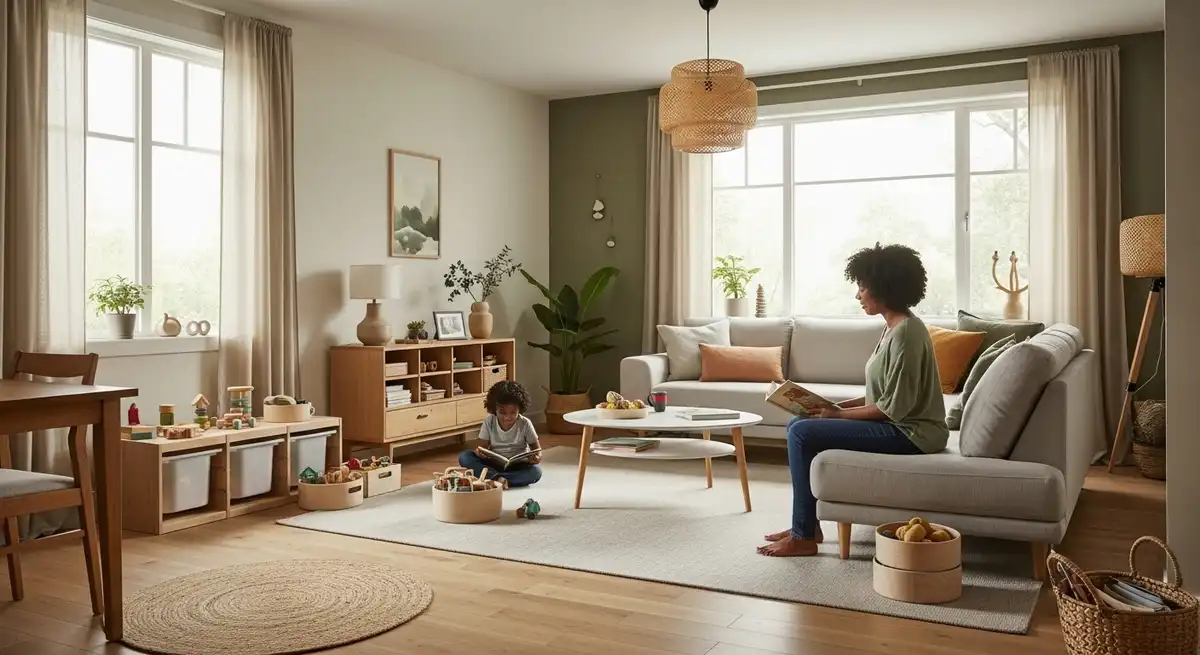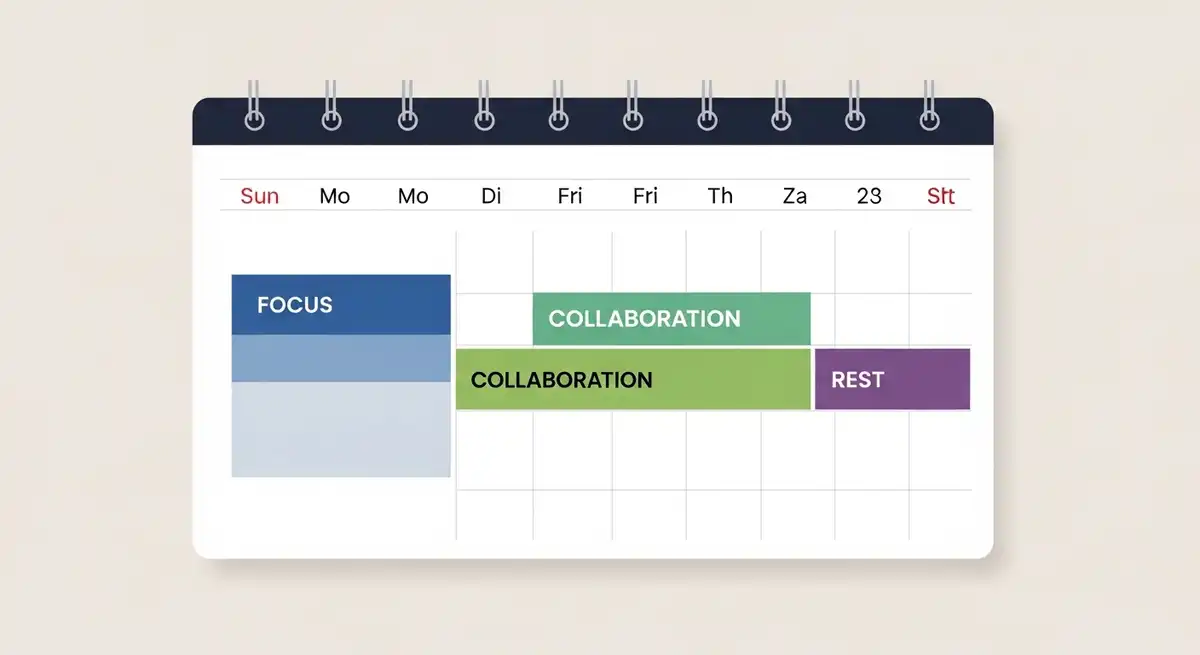
The point of plan healthy week meals is not discipline. It is removing decisions you should not have to make twice. Planning meals for the week often feels like one more task competing for limited time and energy, especially in households balancing work, caregiving, and daily responsibilities. When food choices are left until late in the day, convenience tends to guide decisions rather than nourishment. A calm, organized approach to weekly meals can reduce daily pressure and make eating feel steadier and more manageable.
A healthy weekly meal plan is not about strict rules or perfect nutrition. It is about creating enough structure so food decisions stop demanding attention every single day. When meals are loosely planned in advance, many people find they have more mental space for work, family, and rest.
This guide explains how to plan a healthy week of meals without stress by using simple systems that fit real life. The focus stays on balance, flexibility, and practical preparation rather than idealized routines. Each section offers grounded lifestyle guidance designed to feel supportive rather than demanding.
What is the best way to plan a healthy week of meals?
How to plan a healthy week of meals starts with deciding food choices before hunger and fatigue take over. A simple system using flexible meal formats, basic nutrition principles, and light preparation helps meals happen with less effort. Planning once a week often reduces daily stress, supports consistent eating, and makes balanced choices easier during busy days.
Plan healthy week meals: How to Plan a Healthy Week of Meals With Less Mental Load
Decision fatigue and the cognitive budget
Decision fatigue describes the mental drain that builds after making many small choices throughout the day. Food decisions add to this load, especially in the evening when energy is already low. When meals are unplanned, people often default to the fastest option rather than the most nourishing one.
Shifting food decisions to a calmer moment protects mental energy. Planning meals ahead reduces repeated choices and lowers daily strain. Many people notice that this single change makes evenings feel less rushed and more predictable.
Predictability as a stress support
Predictable routines often create a sense of stability, especially around meals. When eating follows a general pattern, the body and mind know what to expect. This familiarity can make daily life feel calmer without limiting variety.
Predictability does not mean repetition of the same meals. It means using familiar structures such as similar breakfasts or rotating dinner styles. These patterns reduce stress while leaving room for flexibility.
Moving away from perfection
Meal planning often fails when it is treated as an all-or-nothing task. Planning every meal can feel unrealistic and exhausting. Lifestyle guidance generally supports flexible planning rather than rigid schedules.
Planning four or five dinners instead of seven often works better. This approach leaves space for leftovers, social plans, or simple meals. Flexibility helps meal planning remain useful rather than overwhelming.
Batch Cooking and Component Cooking Strategies
Full meal preparation explained
Full meal preparation involves cooking complete meals in advance for later use. This approach removes most daily food decisions and saves time during the week. It often suits people with predictable schedules.
However, repetition can reduce enjoyment for some. Meals that reheat well and are already familiar tend to work best. Full meal prep is most effective when viewed as a convenience option rather than a requirement.
Component cooking for flexibility
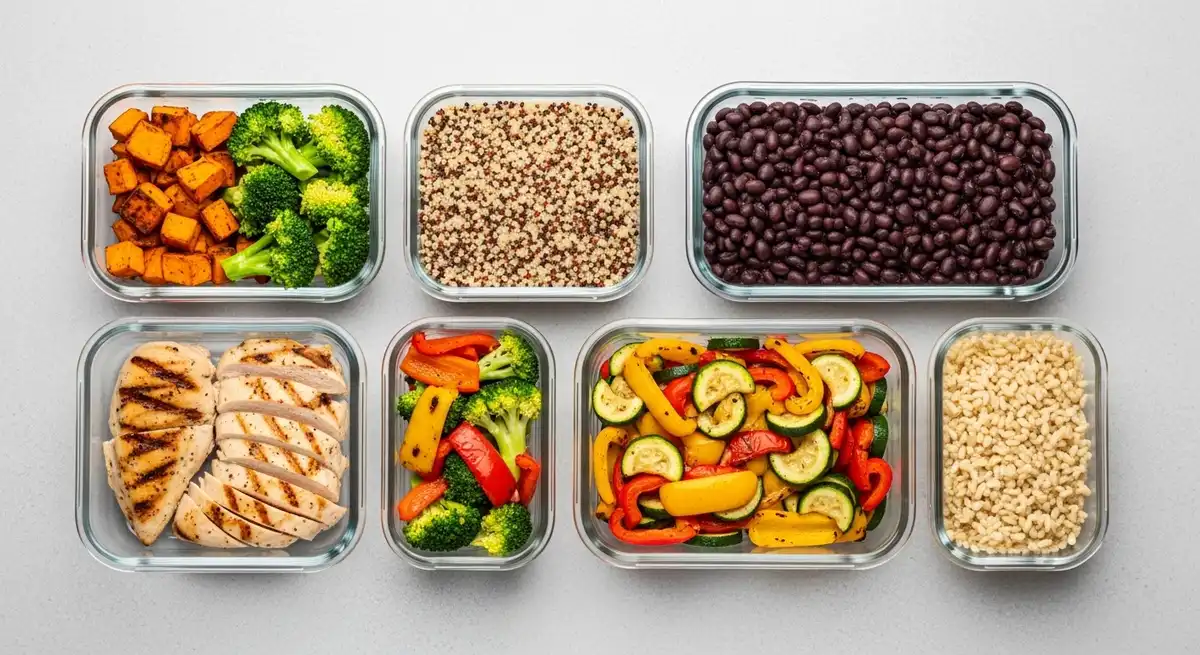
Component cooking focuses on preparing ingredients instead of full meals. Cooked grains, roasted vegetables, and simple proteins can be mixed in different ways. This supports variety without adding extra work.
This approach works well in shared households where preferences differ. Each person can assemble meals that suit them using the same components. Flexibility makes this style easier to maintain.
Template based meal formats
Meal templates provide structure without fixed recipes. A common template includes a protein, vegetables, and carbohydrates. Dietitians often recommend templates because they simplify planning and shopping.
Templates reduce the need for constant creativity. They also support balanced meals without tracking numbers. Over time, these formats become familiar and easier to follow.
Nutritional Foundations for a Balanced Week
Protein as a meal anchor
Protein helps meals feel satisfying and complete. Common sources include beans, eggs, dairy, fish, poultry, and plant-based options. Including protein regularly supports steady eating patterns.
When planning meals, choosing protein first often simplifies decisions. The rest of the meal can be built around it. This practical approach keeps planning straightforward.
Fiber rich foods and variety
Fiber rich foods such as vegetables, fruits, whole grains, and legumes support overall dietary balance. Planning these foods across the week helps spread intake evenly. This can feel gentler on digestion for many people.
Frozen and canned vegetables offer convenience without sacrificing nutrition. They reduce waste and save time. Including them supports realistic planning.
The visual balance plate
The visual balance plate uses portion awareness rather than measurement. Half the plate includes vegetables, one quarter protein, and one quarter carbohydrates. This method is widely used in public nutrition education.
It supports moderation and variety naturally. Meals feel complete without strict rules. This approach adapts easily to different cuisines and preferences.
Weekend Preparation That Saves Time
A realistic two hour prep window
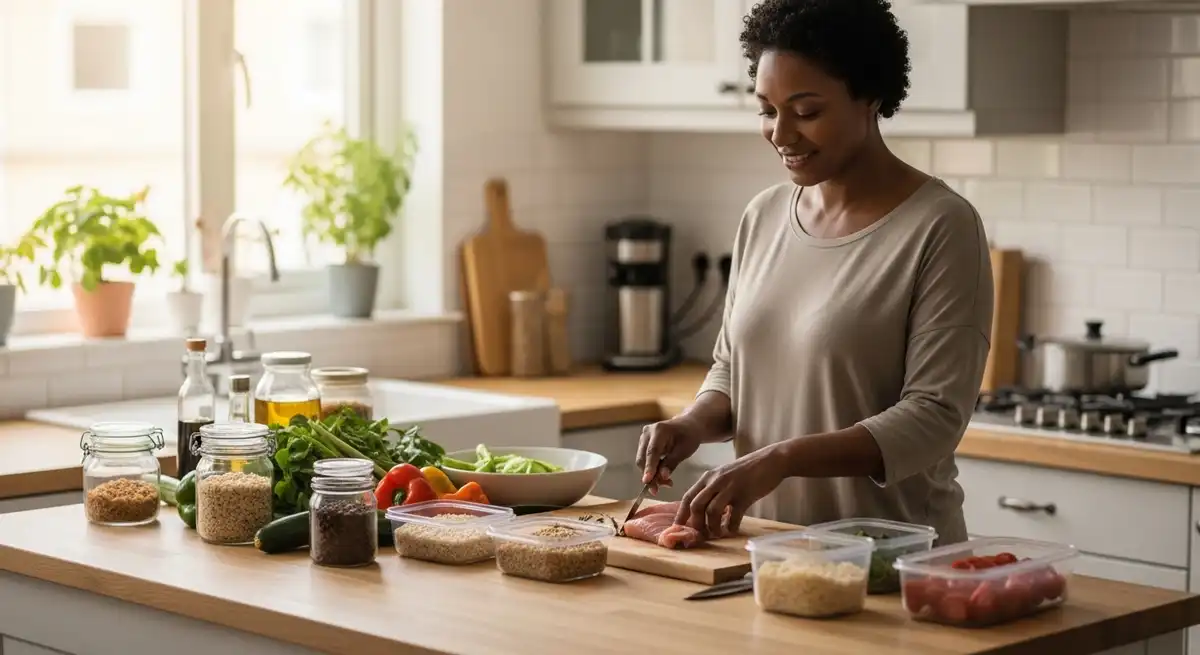
Weekend preparation works best when it stays limited. A two hour window is often enough to cook grains, roast vegetables, and prepare proteins. Doing tasks at the same time improves efficiency.
Foods that reheat well tend to be most useful. Soups, stews, roasted vegetables, and cooked grains maintain quality over several days. This preparation reduces weekday effort.
Simple tools that help
Meal planning does not require special equipment. Basic tools such as sheet pans, pots, knives, and storage containers are enough. Simplicity lowers the barrier to starting.
Clear containers help keep prepared food visible. Seeing meals increases the chance they get eaten. Small environmental cues often support consistency.
Grocery Shopping and Pantry Planning
Organizing the grocery list
A planned grocery list saves time and reduces stress. Grouping items by store section helps shopping move faster. This method also limits impulse purchases.
Checking what is already at home prevents duplicate buying. This supports budgeting and reduces waste. Inventory awareness makes planning smoother.
Building a capsule pantry
A capsule pantry includes versatile staples used in many meals. Examples include grains, legumes, oils, spices, and shelf-stable proteins. These items support flexibility.
Having reliable staples reduces stress when fresh food runs low. It also supports quick meals without extra shopping trips. This approach fits busy households well.
Managing Leftovers and Flexibility
Planning leftovers on purpose
Leftovers work best when planned intentionally. Doubling recipes creates meals for later days. This reduces cooking frequency and saves time.
Leftovers can be eaten as-is or repurposed. Planning for them prevents waste and frustration. This approach supports efficiency.
Remixing ingredients for variety
Remixing uses prepared ingredients in new combinations. Roasted vegetables can become salads, wraps, or warm bowls. This keeps meals interesting.
This approach supports different preferences within one household. Everyone can build meals they enjoy. Flexibility supports long-term habits.
The Plan B Safety Net

Low effort backup meals
Even the best plans change. Backup meals prevent stress when schedules shift. Simple options like eggs, yogurt, or pantry meals help fill gaps.
Having backups supports flexibility rather than guilt. A plan that allows change is more likely to last. This mindset keeps meal planning supportive.
Frequently Asked Questions
How do I start meal planning for the first time?
Starting meal planning works best when it stays simple. Choose a few familiar meals rather than planning everything. This reduces overwhelm and builds confidence through early success.
What is the easiest way to meal plan for a week?
Using repeating meal formats is often easiest. Familiar breakfasts and simple dinners reduce decisions. This approach supports consistency without extra effort.
How can I eat healthy on a very busy schedule?
Preparation and flexibility matter most. Batch cooking components and keeping quick options available reduces reliance on convenience foods. Consistency matters more than cooking every day.
Is meal prepping actually cheaper than takeout?
Meal prepping often lowers food costs by reducing impulse spending. Buying staples and planning portions supports budgeting. Over time, planned meals usually cost less than frequent takeout.
How long do meal prepped foods last in the fridge?
Most cooked foods are safe for three to four days when stored properly. Freezing extends storage time. Basic food safety practices support confidence.
What are the best foods to batch cook?
Grains, legumes, roasted vegetables, soups, and simple proteins reheat well. These foods adapt easily to different meals. Versatility supports planning.
How do I stop getting bored with meal prep?
Changing flavors instead of core ingredients helps. Different spices or sauces refresh familiar foods. This keeps meals interesting without extra work.
How can I meal plan for picky eaters?
Serving meals in components allows choice. Each person selects what they prefer without extra cooking. This approach reduces conflict while keeping structure.
What are the essential staples for a healthy pantry?
Grains, legumes, oils, spices, and shelf-stable proteins form a strong base. These items support quick meals and flexibility. A stocked pantry reduces stress.
How do I create a grocery list for a whole week of meals?
Review planned meals and check current supplies first. Organize the list by store sections. This saves time and reduces forgotten items.
Conclusion
Learning how to plan a healthy week of meals without stress is about easing daily demands, not creating control. Simple systems, flexible preparation, and realistic expectations support consistency over time. When planning fits real life, it quietly frees energy for work, family, and rest.
Medical/Nutrition Disclaimer
This content is for informational purposes only and does not constitute medical advice. Individual nutritional needs vary. Consult a qualified healthcare provider or registered dietitian before making significant dietary or lifestyle changes, especially if you have existing medical conditions or concerns.
For wider background on this, see the National Heart, Lung, and Blood Institute on sleep.